Problem Solving Worksheets for Ages 3-4
24 filtered results
-
From - To
Nurture your child's critical thinking with our Problem Solving Worksheets designed for ages 3-4. These engaging, age-appropriate activities help young learners develop vital problem-solving and cognitive skills while having fun. Featuring colorful and captivating puzzles, patterns, and tasks, our worksheets encourage children to think independently, recognize patterns, and find solutions. Available both as printable and interactive online versions, they are perfect for at-home learning or supplemental practice in preschool. Foster creativity and strategic thinking in your little ones with our expertly crafted problem-solving resources at Kids Academy!
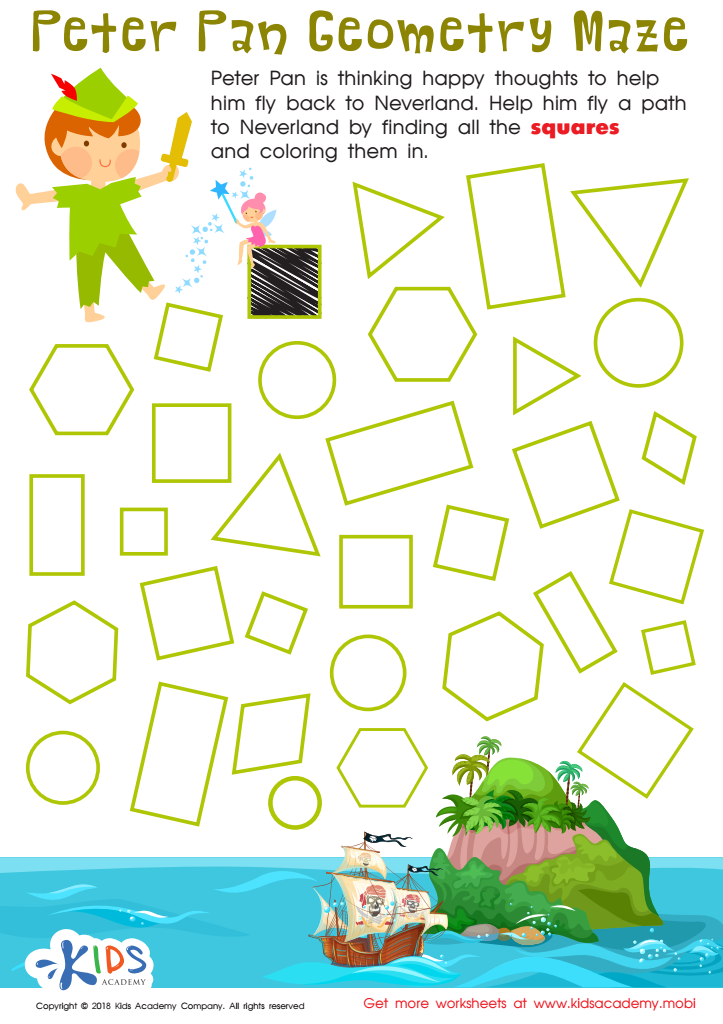
Peter Pan Worksheet
 Assign to My Students
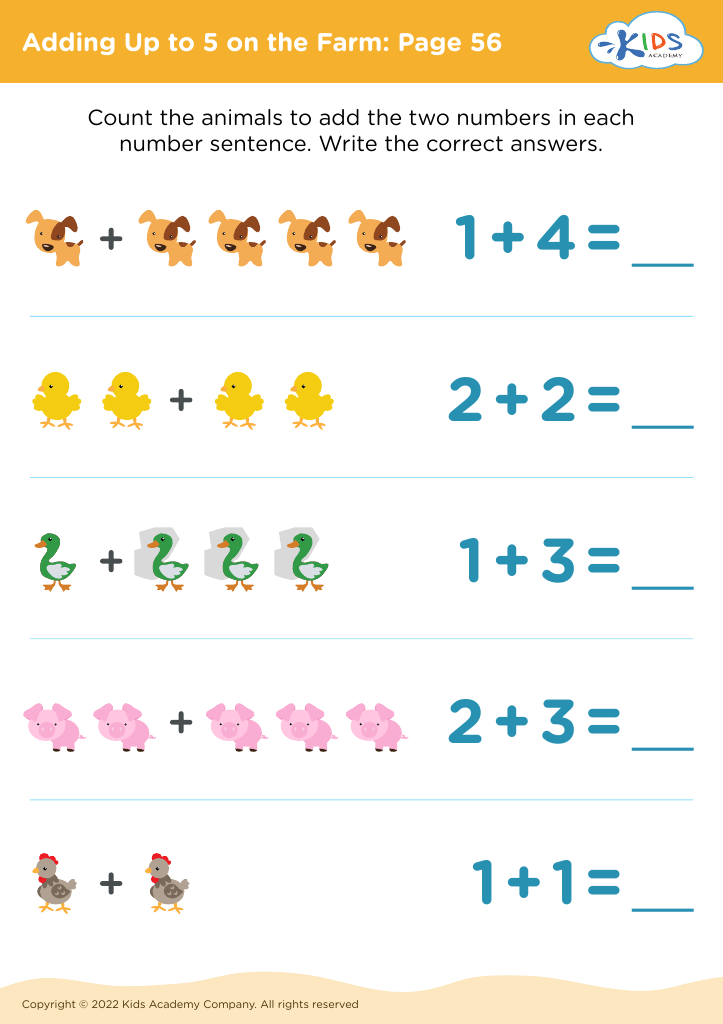
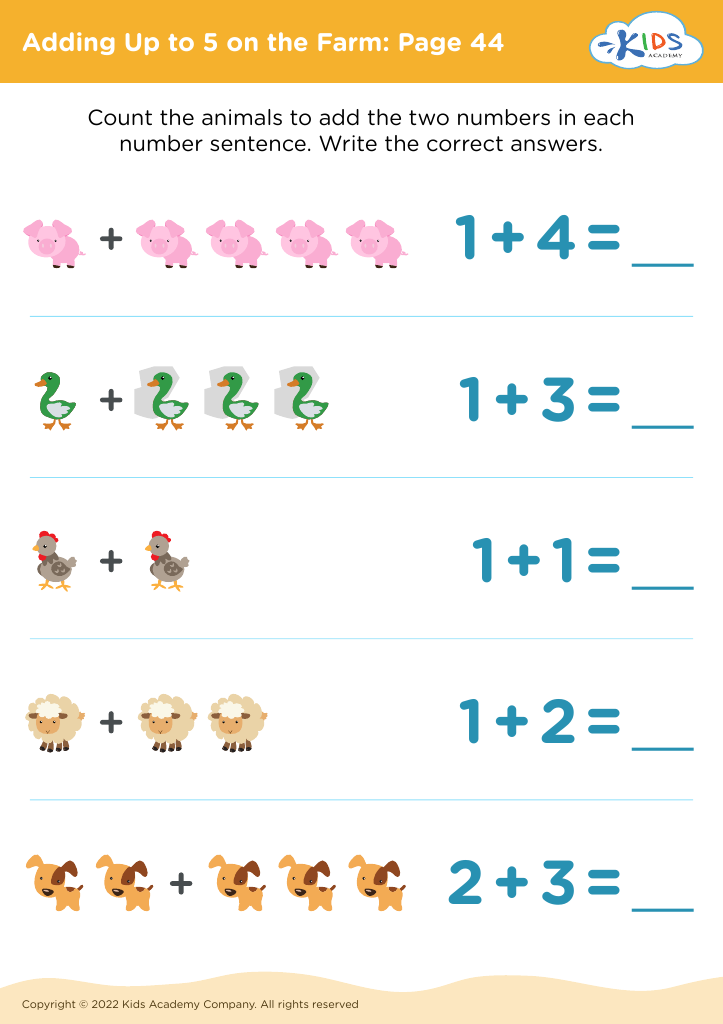
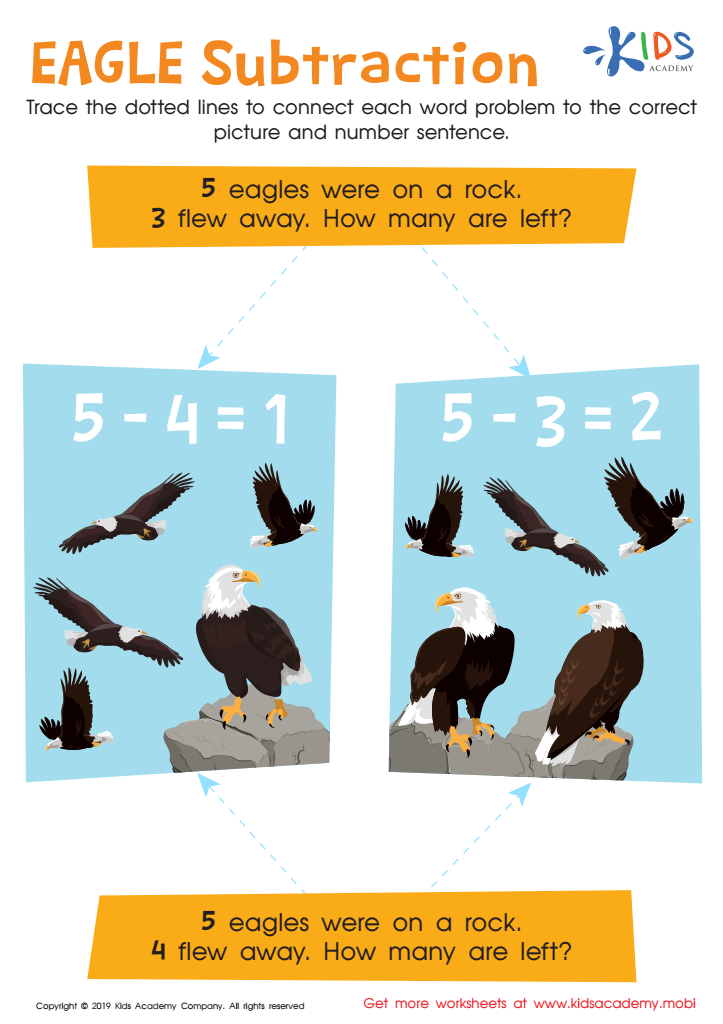
Eagle Subtraction Worksheet
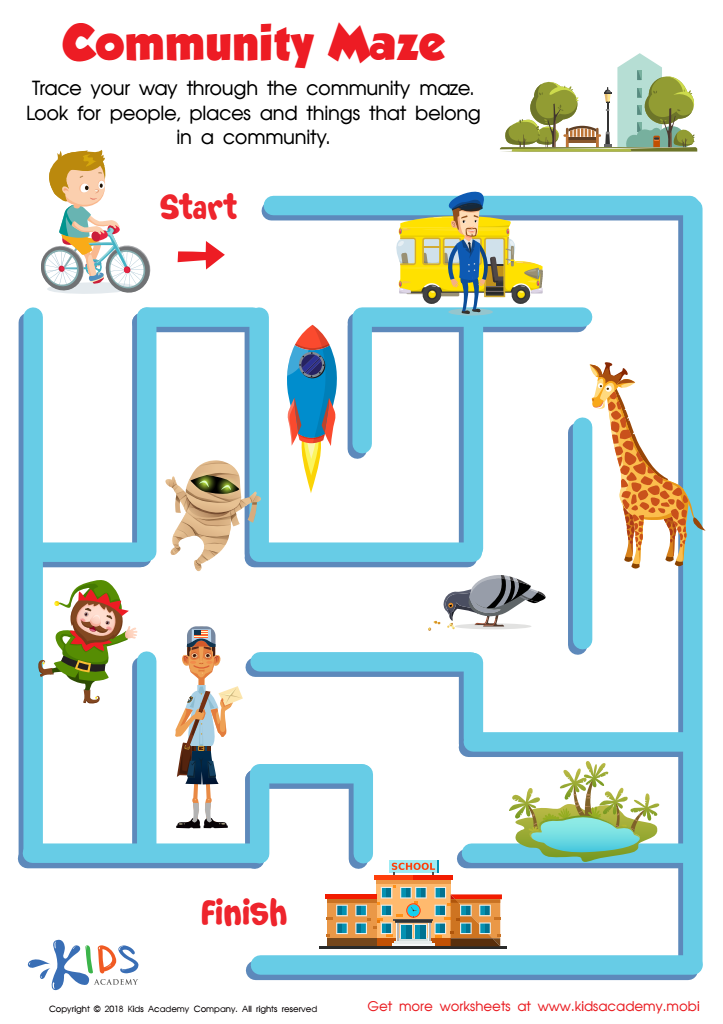
Community Maze Worksheet
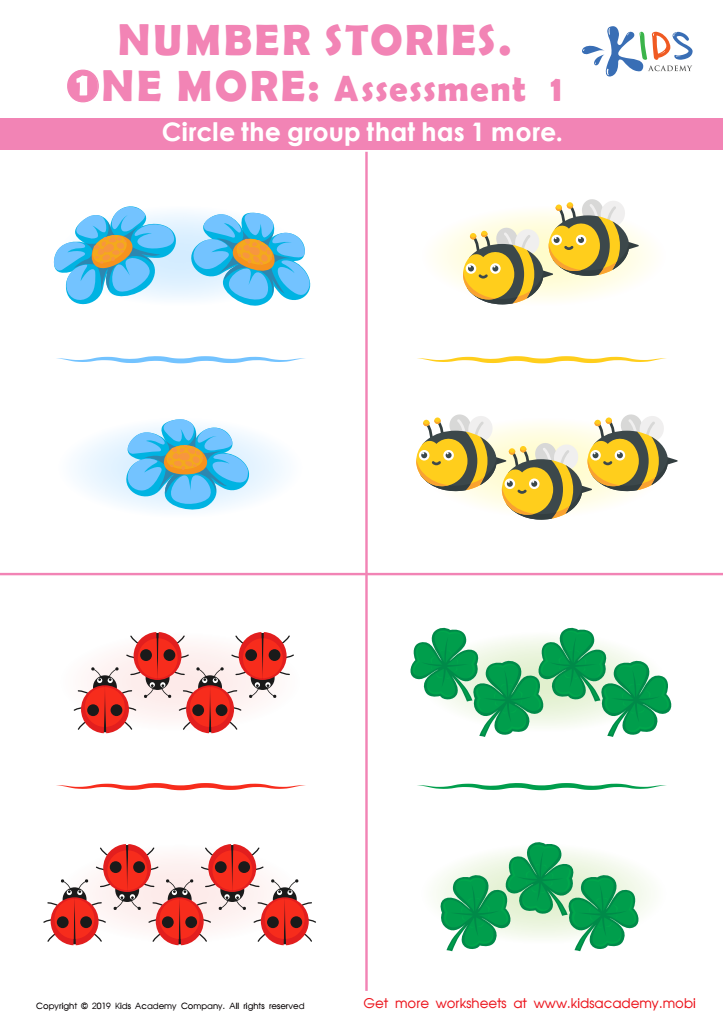
Number Stories One More – Assessment 1 Worksheet
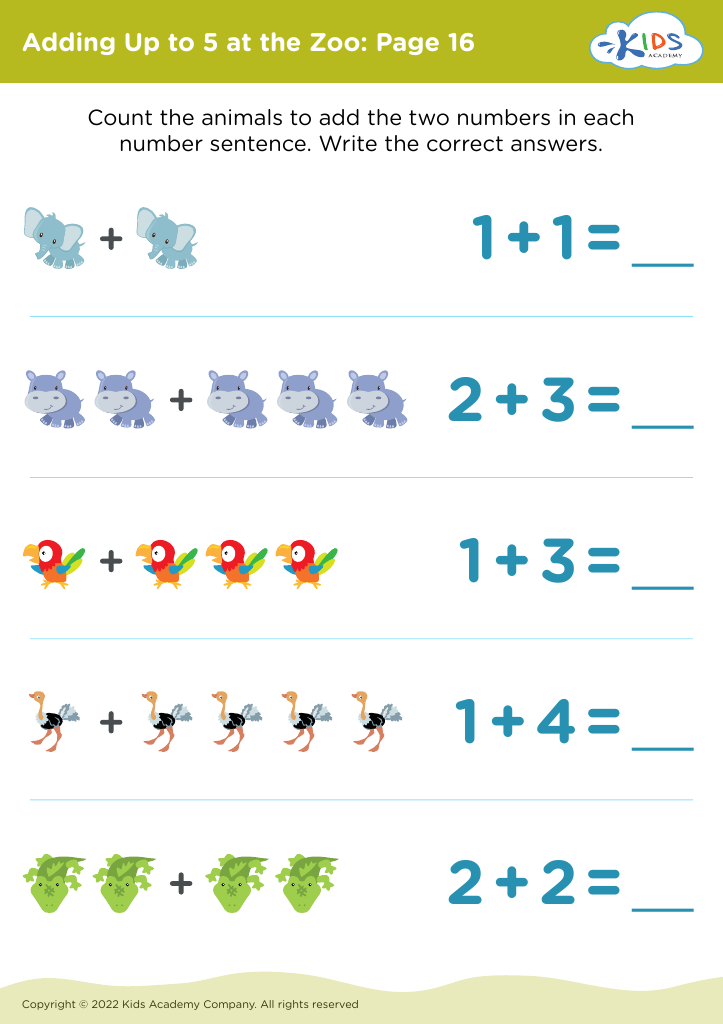
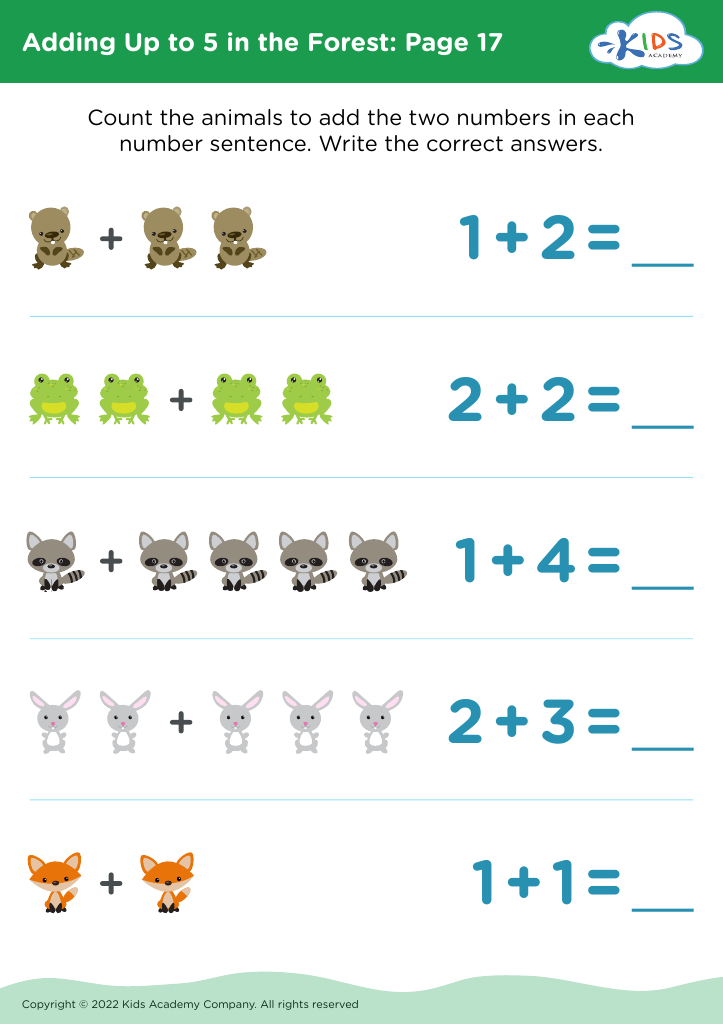
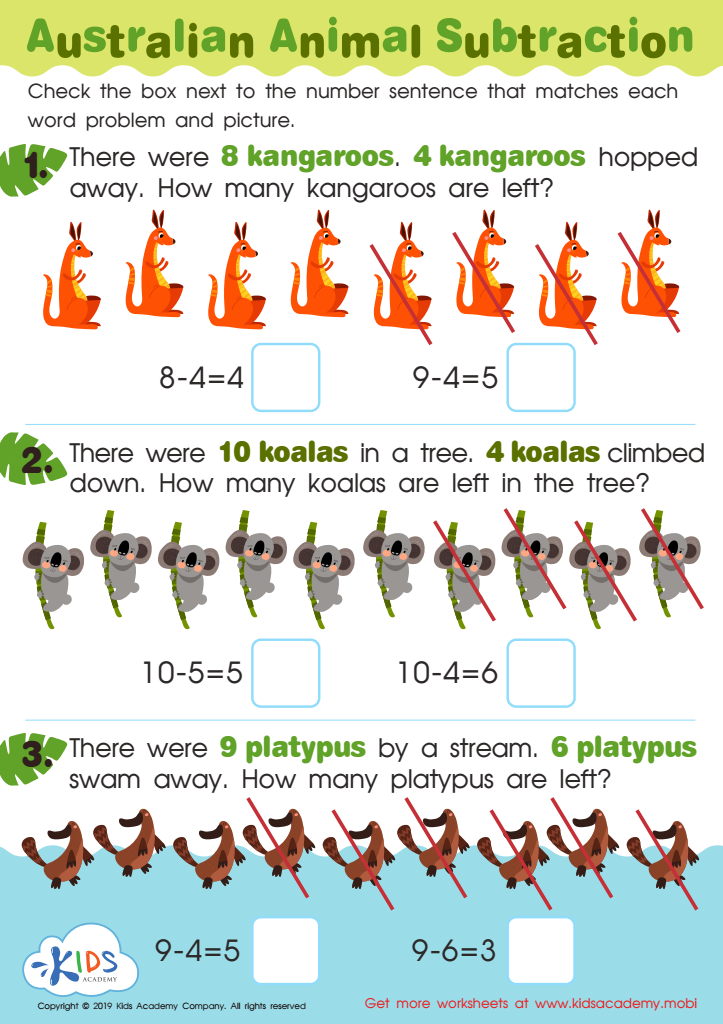
Australian Animal Subtraction Worksheet
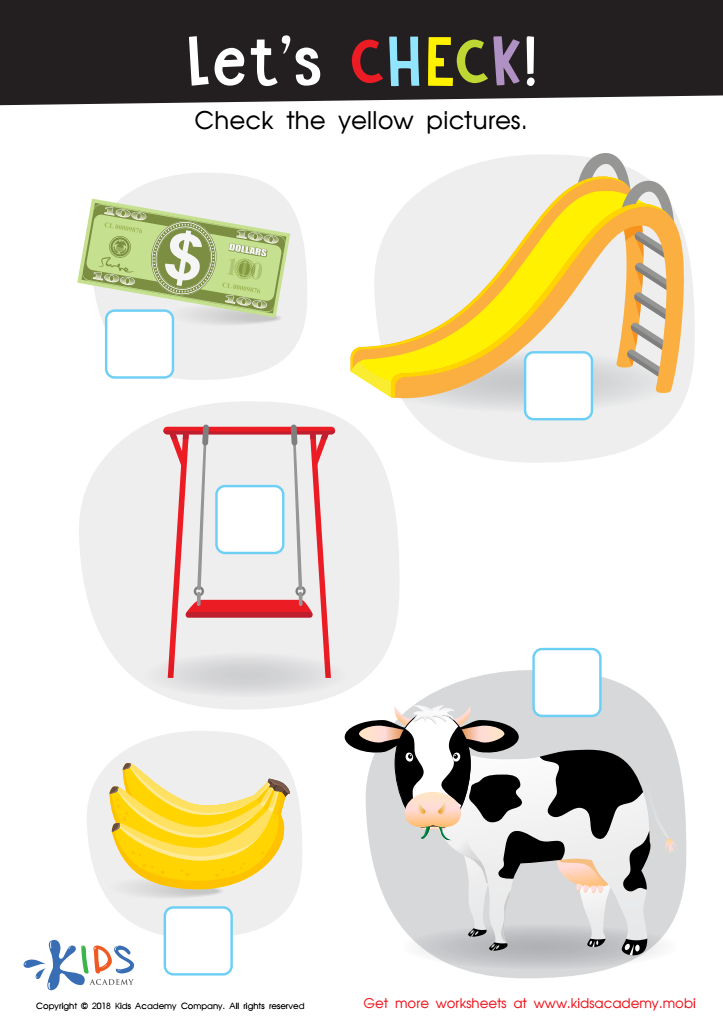
Let's Check! Worksheet
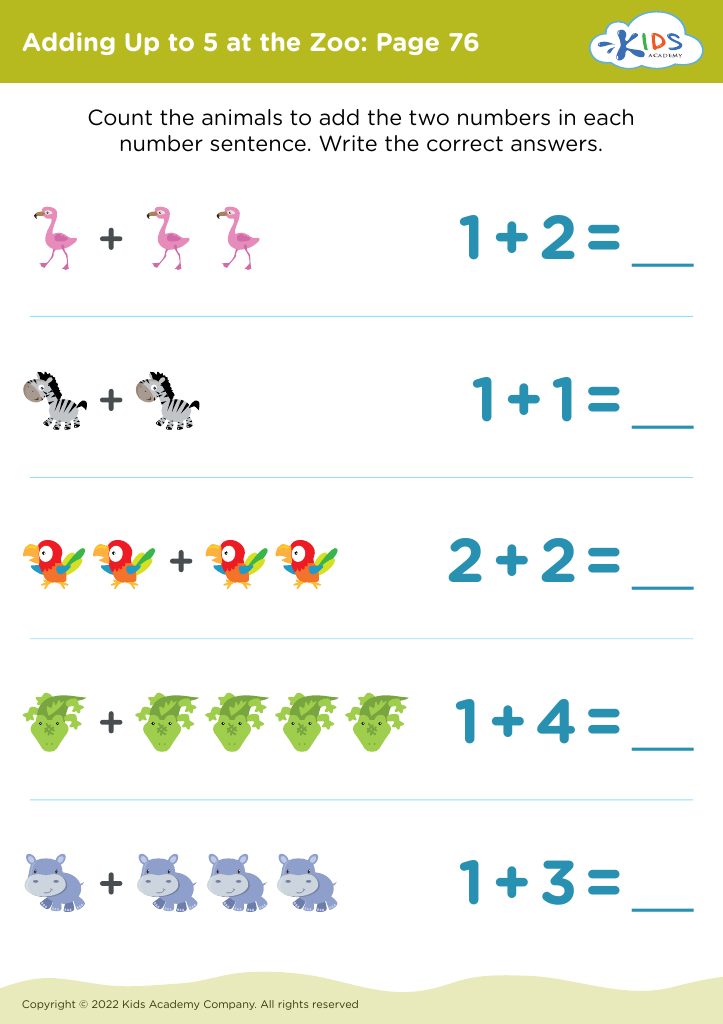
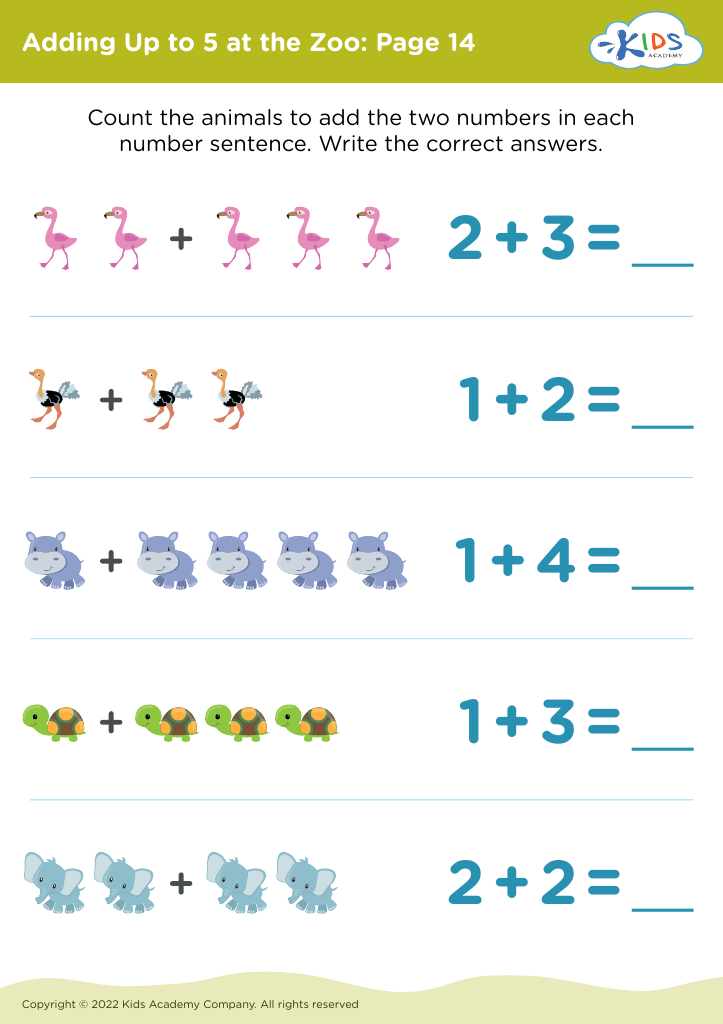

Skater Maze Worksheet
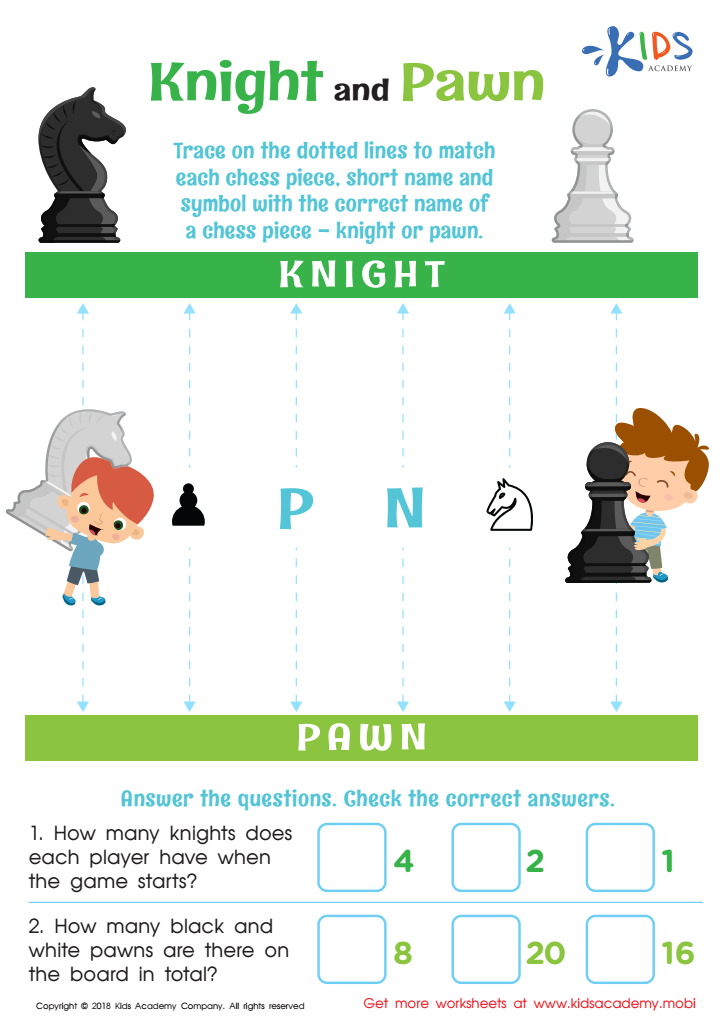
Knight and Pawn Worksheet
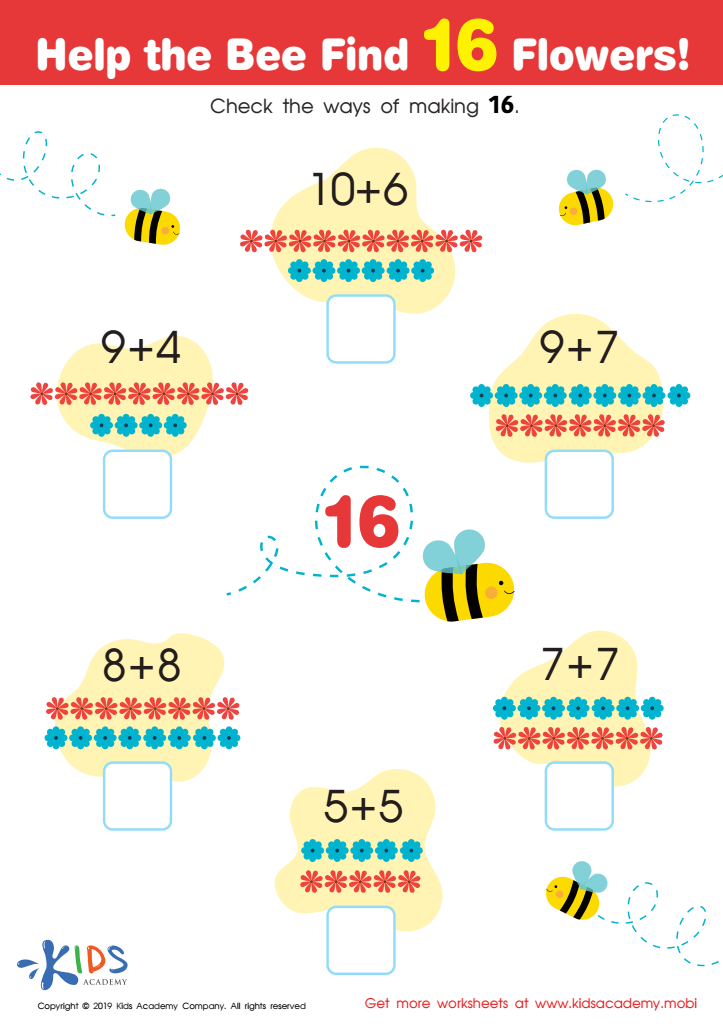
Help the Bee Find 16 Flowers Worksheet
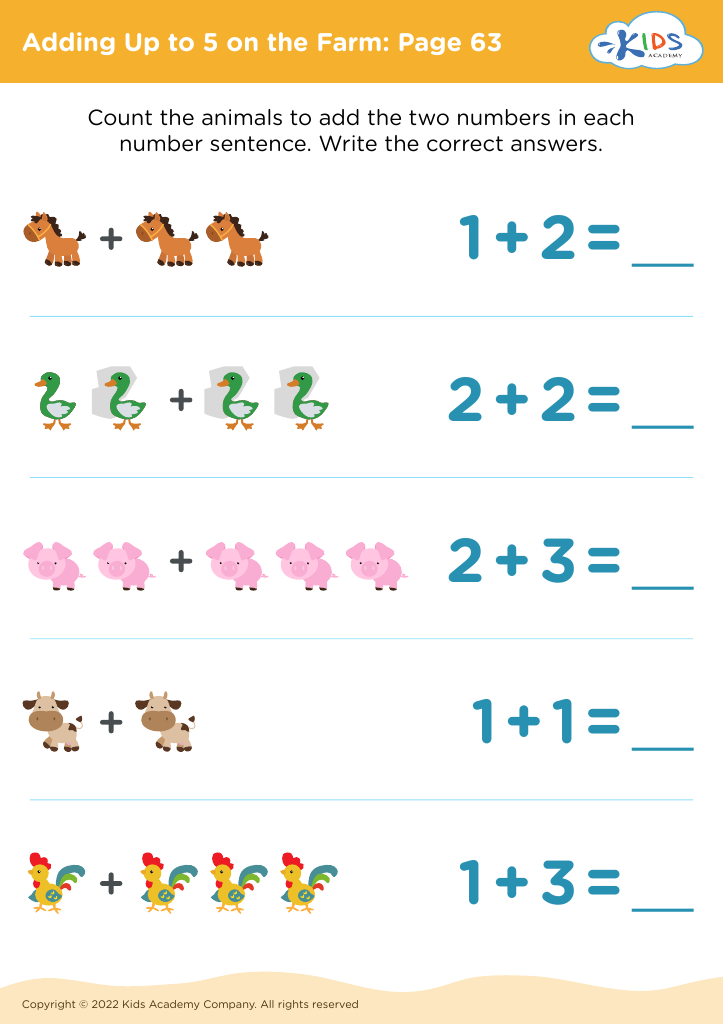
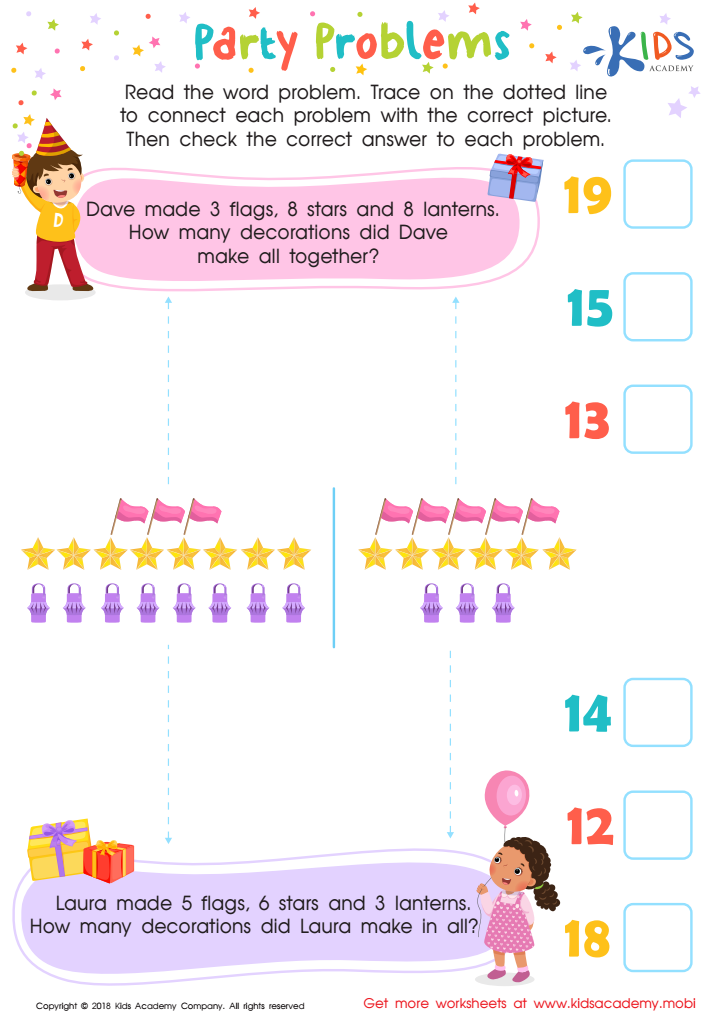
Party Problems Worksheet
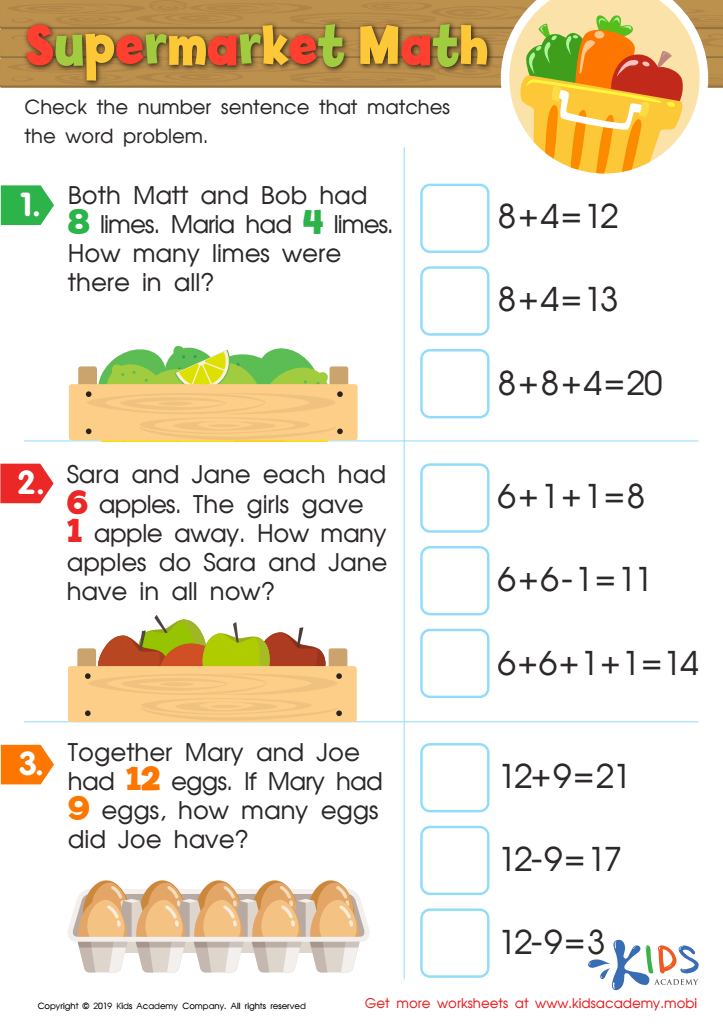
Supermarket Math Worksheet
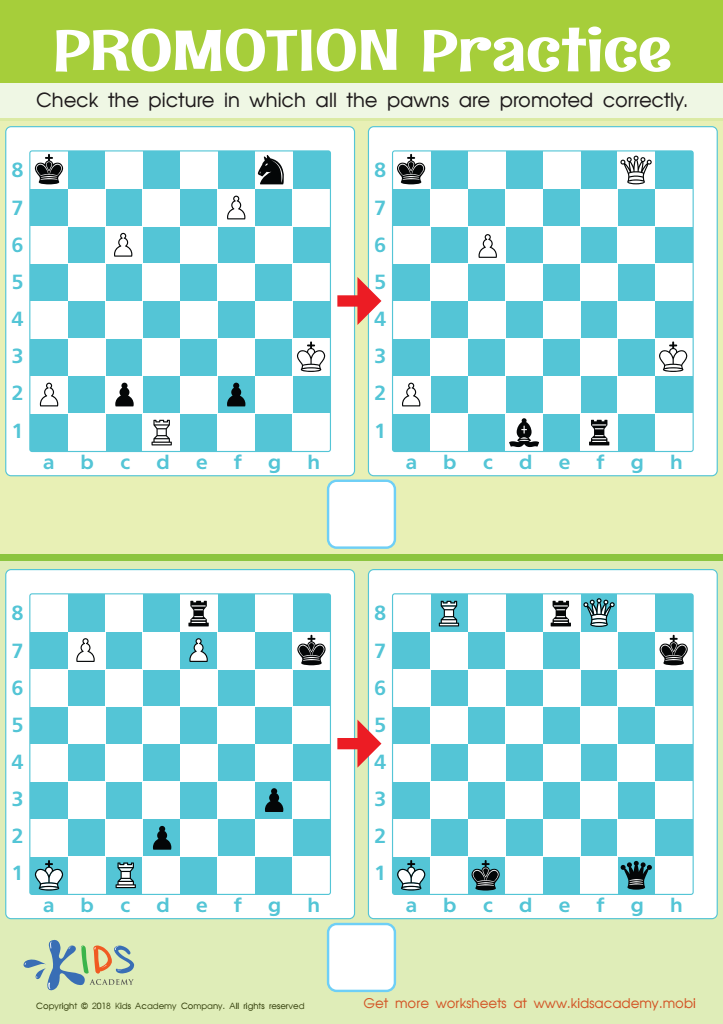
Promotion Practice Worksheet
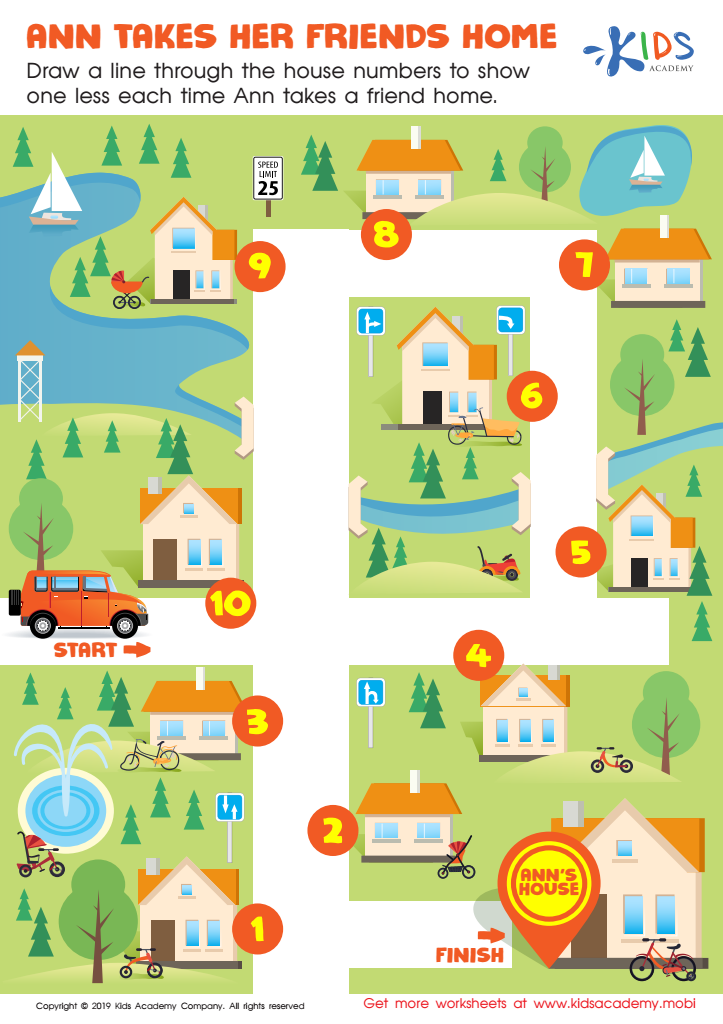
Ann Takes her Friends Home Worksheet








Engaging children in problem-solving from an early age is crucial for their overall development. For ages 3-4, problem-solving enhances cognitive skills, boosts creativity, and fosters resilience. When parents and teachers focus on these skills, they prepare children to navigate life's challenges more effectively.
At this tender age, children are naturally curious and eager to explore their environment. Introducing them to basic problem-solving activities helps harness this curiosity for constructive purposes. Simple tasks like puzzles, sorting shapes, and identifying patterns encourage critical thinking and logical reasoning. These activities lay the foundation for more complex problem-solving skills later in life.
Moreover, problem-solving for young children isn't just about finding the right answer. It's about learning to think independently, make decisions, and understand the consequences of those decisions. When children are given the freedom to experiment and sometimes fail, they develop resilience and a growth mindset. This helps them learn that persistence and effort can lead to success.
In a supportive environment, both at home and in school, children who practice problem-solving become more confident and self-sufficient. They also improve their ability to communicate, cooperate, and empathize with others, as many problem-solving tasks involve team activities. Ultimately, parents and teachers who prioritize problem-solving help equip children with essential skills for both personal and academic success.








