Understanding instructions Worksheets for Ages 3-4
3 filtered results
-
From - To
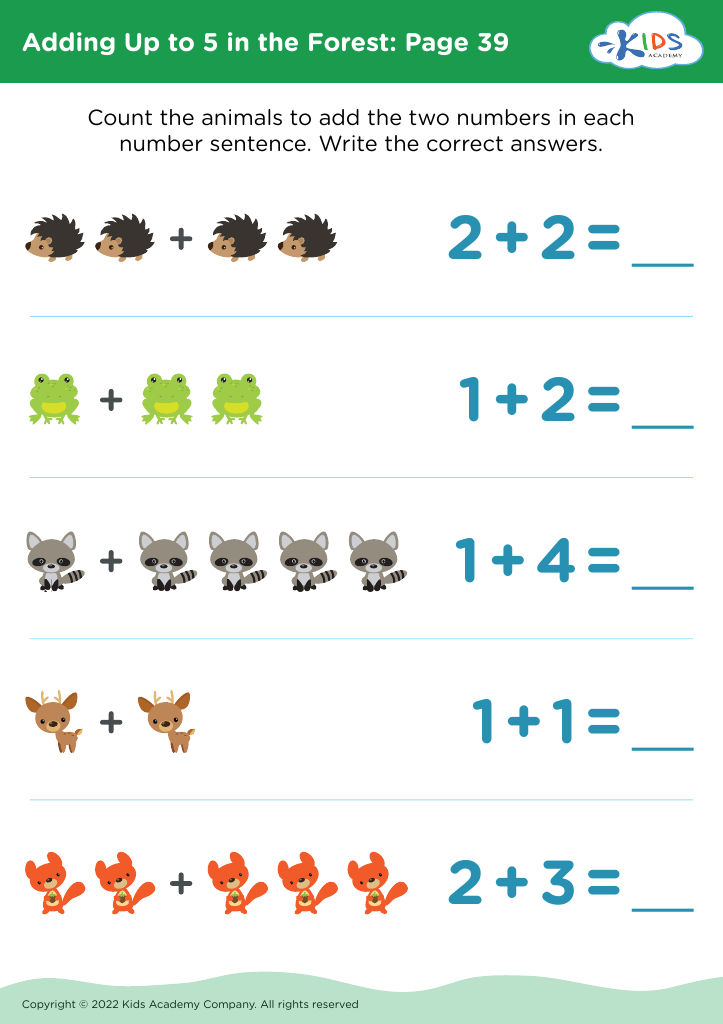
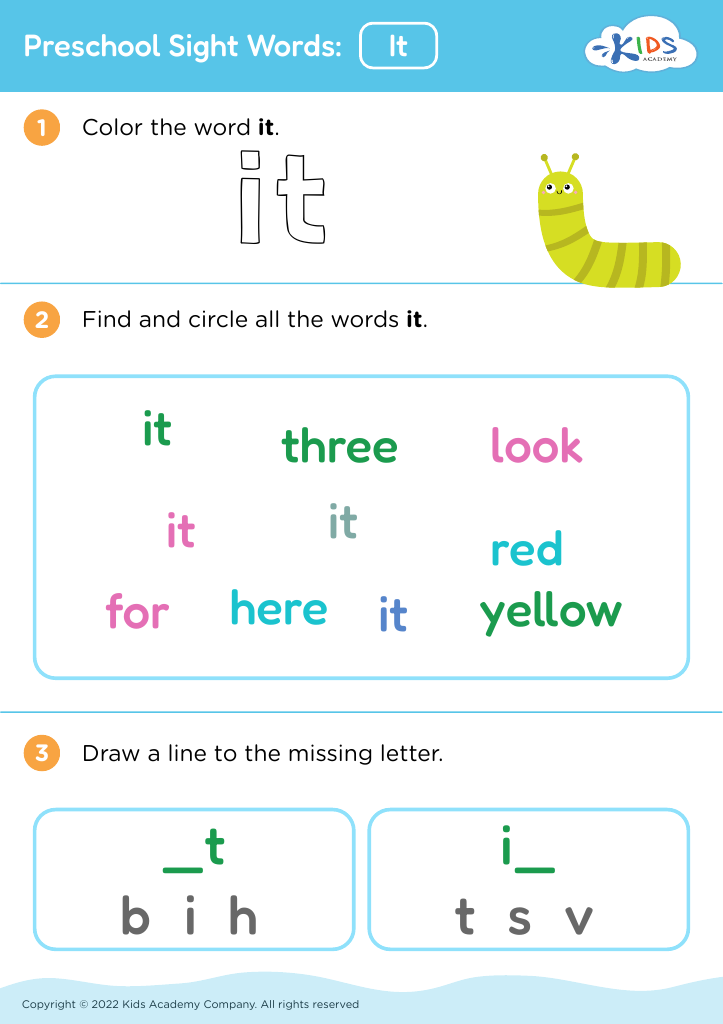
Welcome to our "Understanding Instructions Worksheets" designed for Ages 3-4! These engaging worksheets help young learners develop essential listening and comprehension skills through fun and interactive activities. Each worksheet presents simple instructions that encourage children to follow directions, enhancing their cognitive abilities and promoting confidence in expressing themselves. With vibrant illustrations and age-appropriate challenges, parents and educators can easily implement these resources in daily learning routines. Foster your child's ability to understand and execute directions in a playful manner, making learning a delightful experience. Explore our diverse collection now to inspire curiosity and boost their understanding skills!
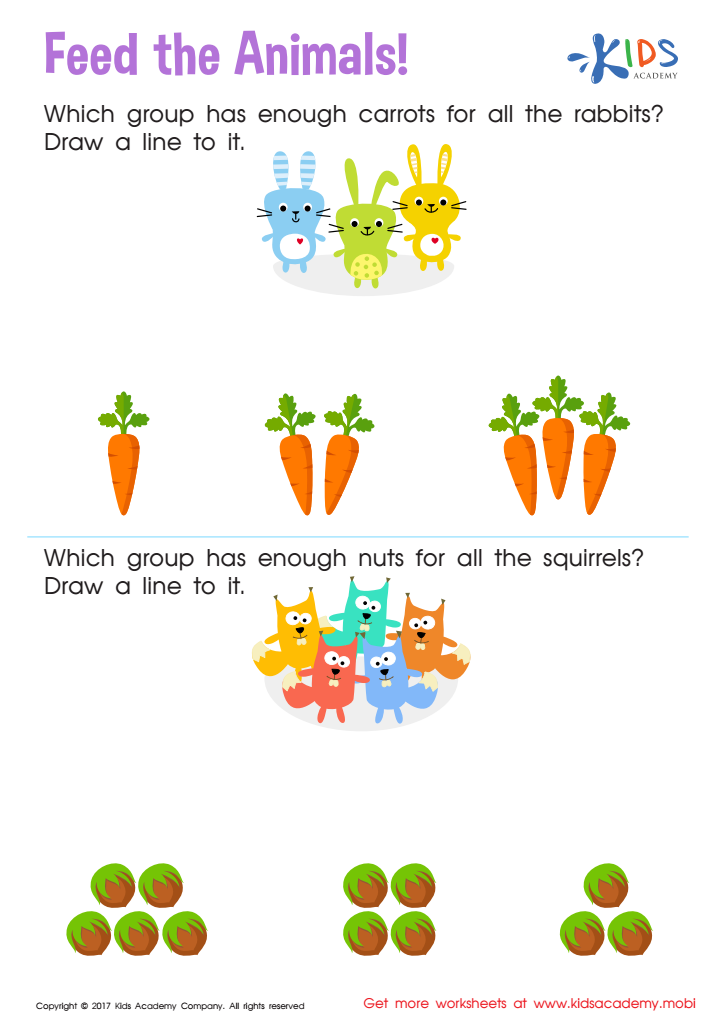
Count and Match: Feed the Animals Worksheet
 Assign to My Students







Understanding instructions is vital for children aged 3-4 as it lays the foundation for their cognitive and social development. At this age, children transform from passive learners to active participants in their education, and comprehension of instructions enables them to engage meaningfully in activities. By mastering this skill, they learn essential concepts such as following directions, making decisions, and recognizing cause and effect, all of which enhance their critical thinking and problem-solving abilities.
Additionally, understanding instructions fosters independence and confidence. Children who can follow directions effectively experience greater success in tasks, leading to a sense of achievement that boosts their self-esteem. This aligns with their developmental need for autonomy, encouraging them to explore and learn more.
For parents and teachers, prioritizing instruction comprehension creates smoother daily interactions and educational settings. It minimizes frustration and enhances cooperation, making learning enjoyable for both caregivers and children. In a broader context, strong listening and understanding skills developed in these early years translate into better academic performance in later stages. Therefore, investing in teaching children to understand and follow instructions not only prepares them for immediate success but also for lifelong learning.








