Understanding number relationships Worksheets for Ages 3-4
4 filtered results
-
From - To
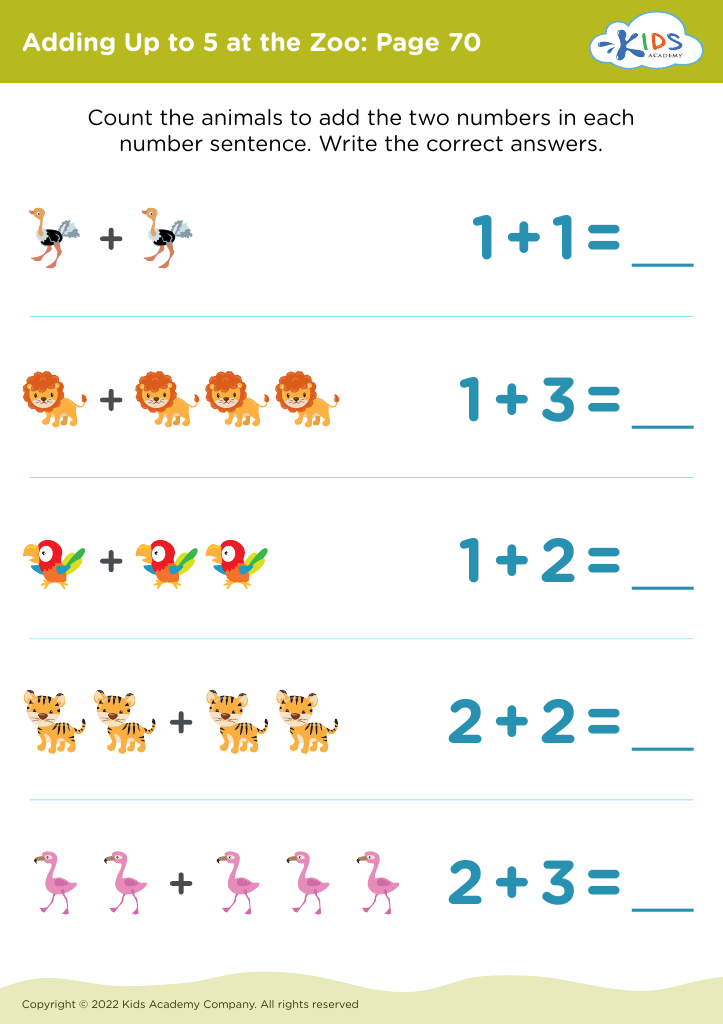
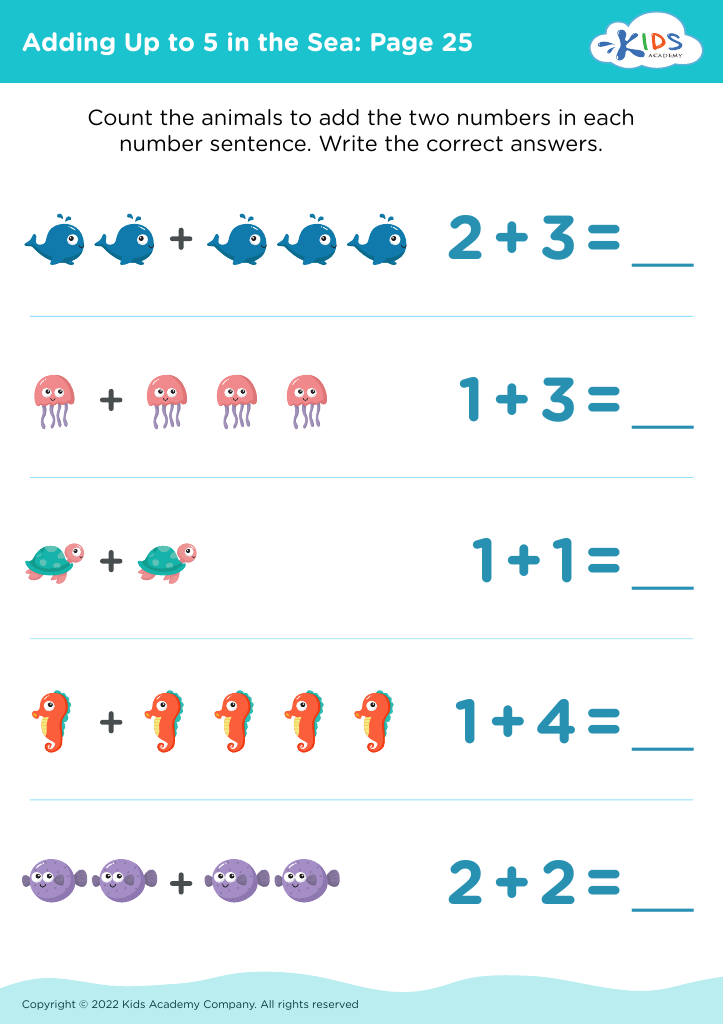
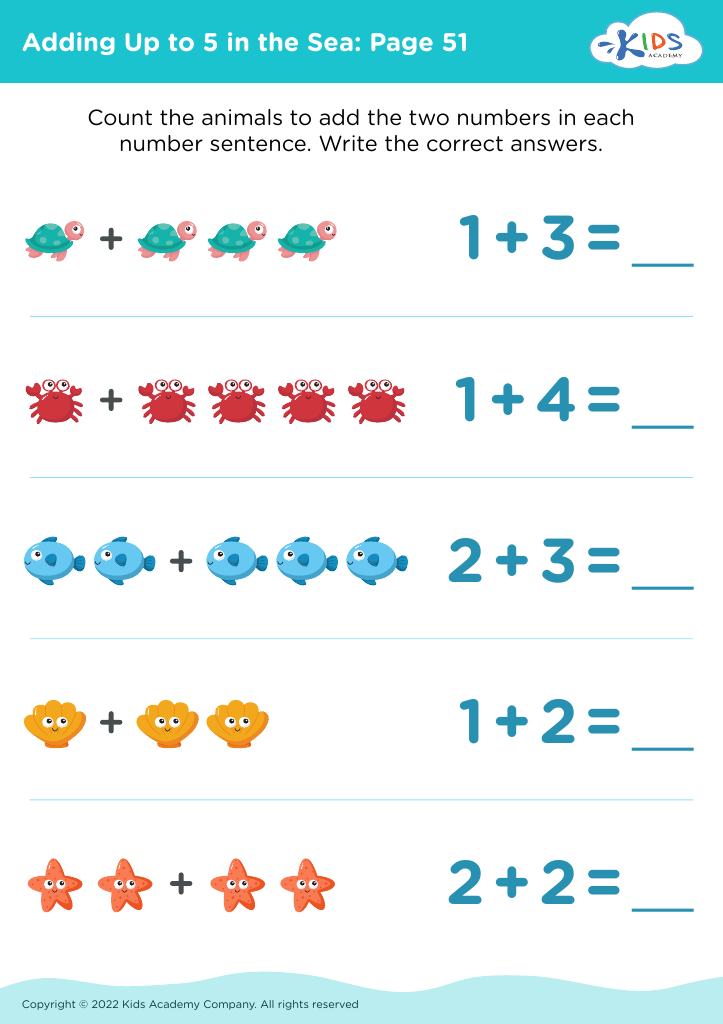
Discover our engaging collection of "Understanding Number Relationships Worksheets for Ages 3-4" designed to make learning fun for preschoolers. Each worksheet helps young minds grasp fundamental math concepts such as counting, comparing, and sequencing numbers in an enjoyable, interactive manner. Tailored to suit early learners' needs, these printable activities promote cognitive development and early numeracy skills essential for future academic success. Ideal for at-home practice or classroom use, these worksheets turn foundational math learning into an exciting adventure, setting a strong mathematical foundation for your child’s educational journey. Dive in and watch your little one’s confidence with numbers flourish!
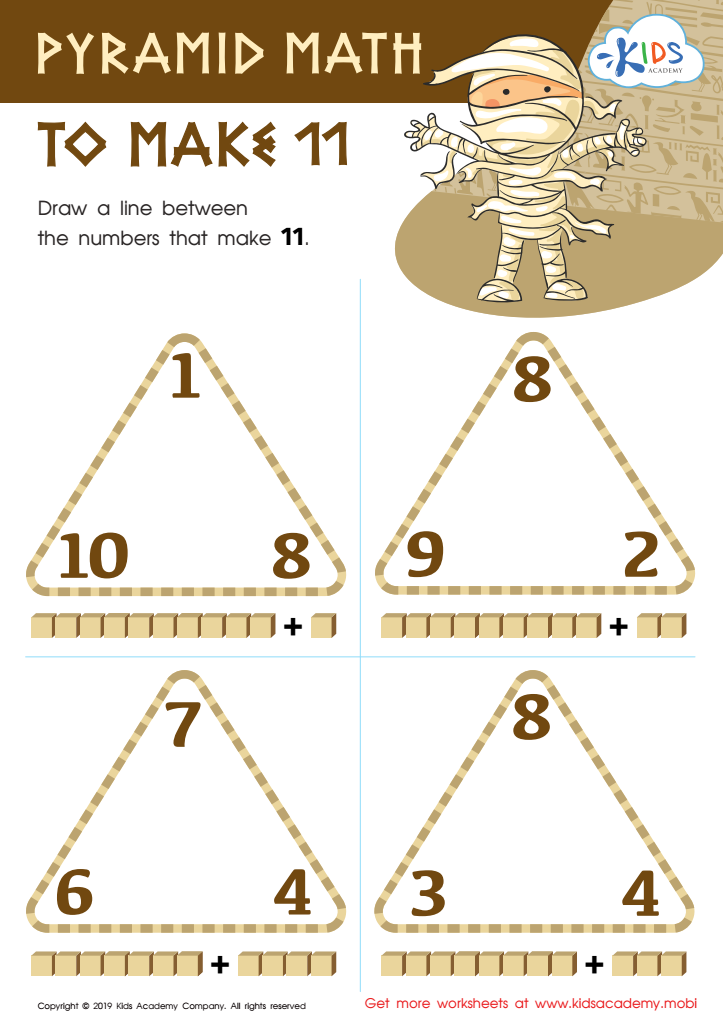
Pyramid Math to Make 11 Worksheet
 Assign to My Students



.jpg)




Understanding number relationships is fundamental for young children because it lays the groundwork for all future mathematics learning. For children aged 3-4, early exposure to number relationships—the concepts of more and less, counting, and basic arithmetic—builds a strong numerical foundation that fosters confidence and curiosity in learning.
Parents and teachers should care about these foundational skills because they are directly linked to cognitive development. Engaging in number-related activities helps young brains create connections that will benefit them beyond math. For instance, recognizing patterns, sequencing, and logical thinking skills are enhanced through early exposure to numbers.
Additionally, integrating number relationships into everyday activities makes math fun and relevant. For example, counting fruits during snack time or comparing the number of steps to different locations can make abstract concepts tangible and relatable for young children.
Early grasp of these concepts also promotes school readiness, giving children an academic advantage. As they continue through their educational journey, they'll be better prepared to tackle more complex mathematical problems with a solid understanding of basic principles.
Parents and teachers play a pivotal role. Encouraging children at this age to explore and understand numbers through playful and practical interactions sets the stage for a positive, lifelong relationship with math.








