Understanding numeracy Worksheets for Ages 3-4
4 filtered results
-
From - To
Explore our "Understanding Numeracy Worksheets for Ages 3-4," designed to spark young learners' interest in numbers and basic math concepts. This engaging collection of printable worksheets introduces essential numeracy skills through fun activities tailored for early childhood development. Children will practice counting, number recognition, and simple addition in enjoyable ways, fostering a strong mathematical foundation. Each worksheet encourages hands-on learning and critical thinking, making numeracy both accessible and enjoyable. Ideal for parents and educators looking to enrich preschool education, our worksheets help prepare little ones for future academic success while nurturing their love for numbers. Start building essential skills today!
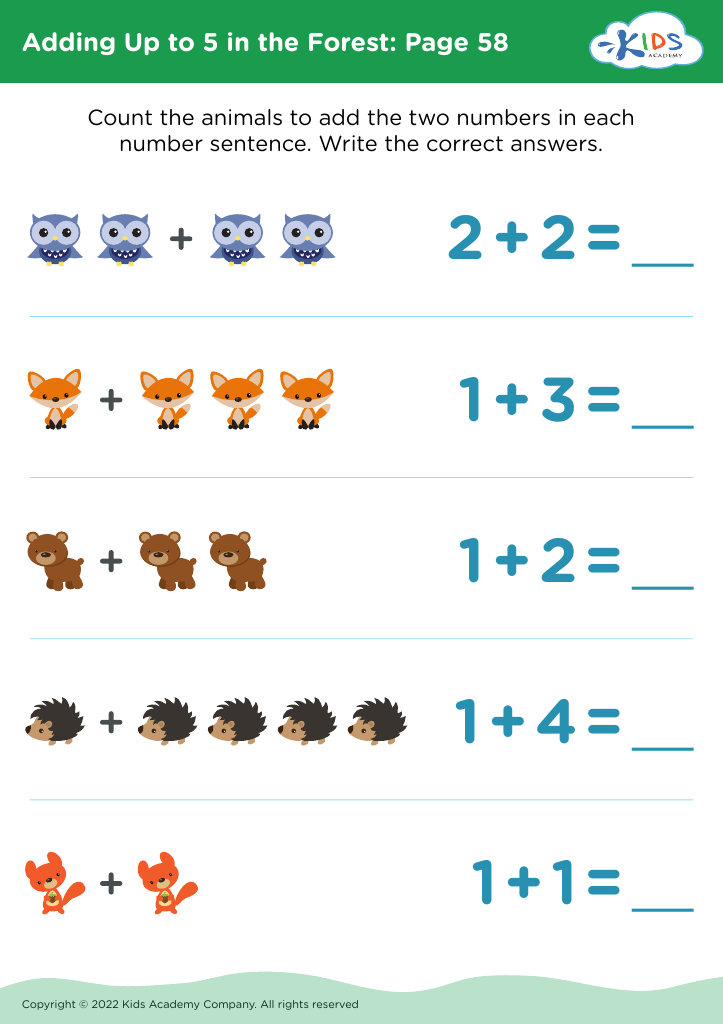
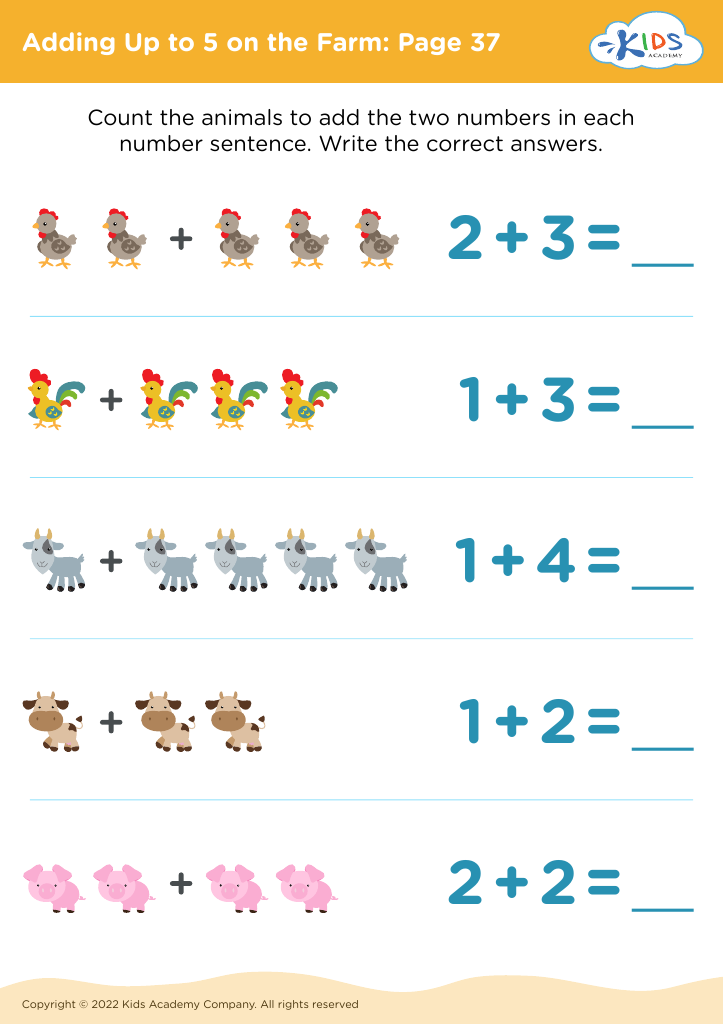
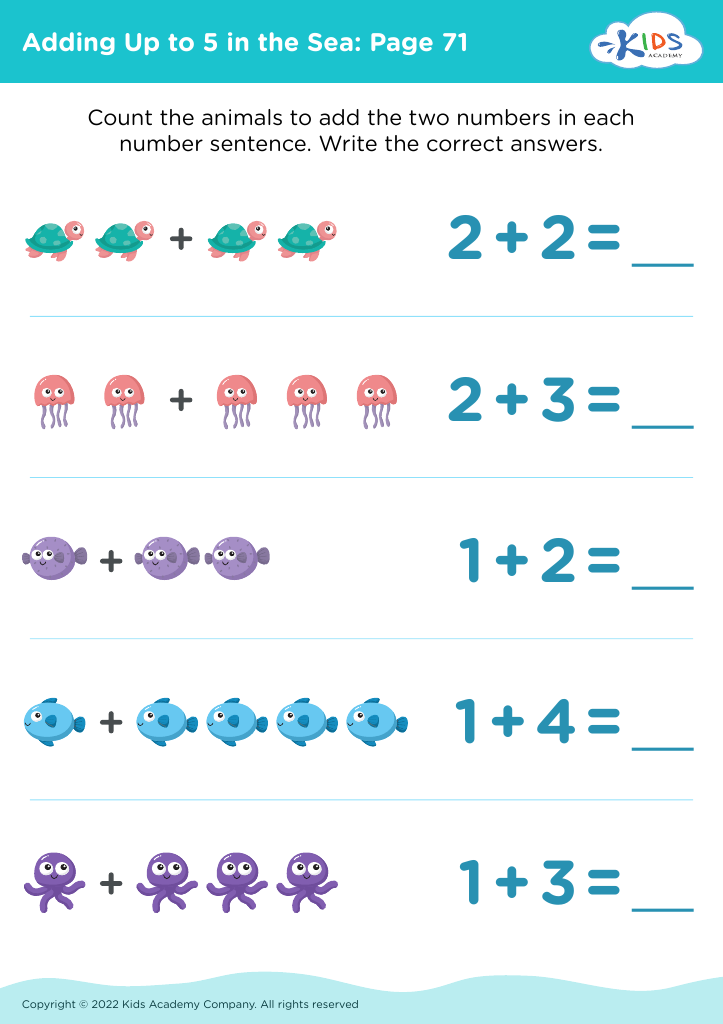
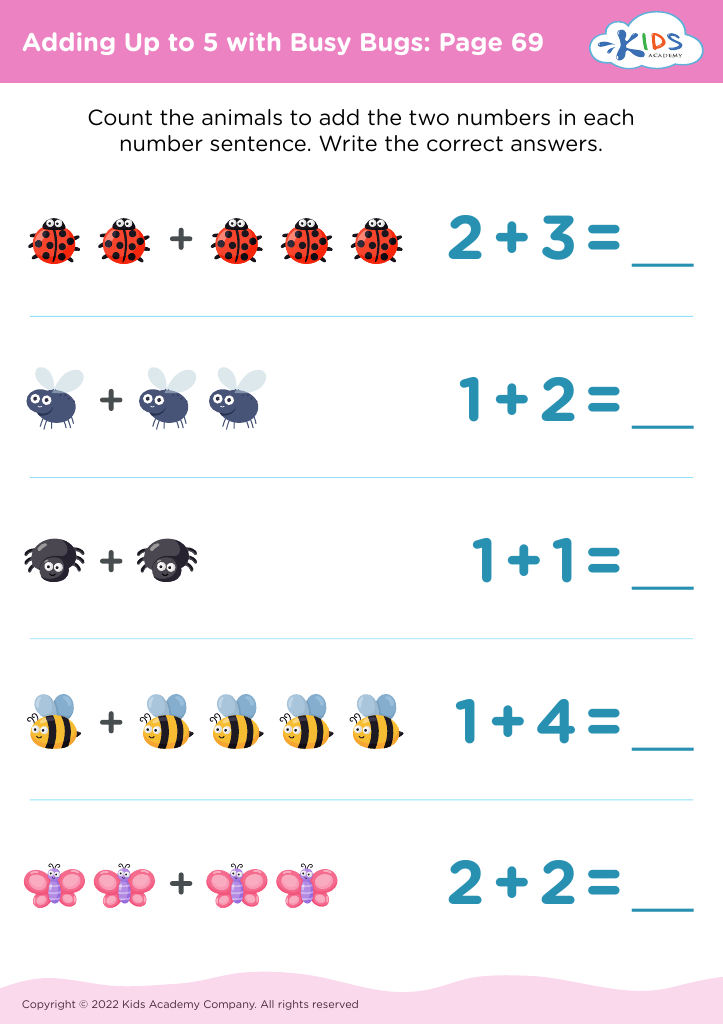








Understanding numeracy for children ages 3-4 is crucial for their early development and future academic success. During this developmental stage, children begin to form foundational skills in mathematics, which are not only vital for math understanding later on but also enhance critical thinking and problem-solving abilities. Engaging with numeracy helps children recognize patterns, count objects, and understand concepts like size, quantity, and basic operations, laying the groundwork for future math proficiency.
Moreover, early numeracy experiences boost confidence and interest in mathematics. When parents and teachers provide positive interactions with numbers through play, storytelling, and everyday activities, they nurture a child's natural curiosity. These interactions also help in bridging the gap between mathematical concepts and real-world applications, making learning meaningful and practical.
Numeracy is linked to various cognitive skills, including memory and attention, and enhances social skills as children often engage in counting games or collaborative activities. Therefore, investing time and effort in developing numeracy in preschoolers fosters not just academic success but holistic growth, positioning them for a brighter learning journey ahead. Educators and parents should prioritize this critical area of early learning to ensure children are well-equipped for their educational paths.








