Understanding sequence Worksheets for Ages 3-4
4 filtered results
-
From - To
Welcome to our "Understanding Sequence Worksheets" designed for ages 3-4! These engaging worksheets help young learners grasp the concept of sequencing through fun activities and vibrant illustrations. Children will develop critical thinking skills as they learn to arrange events, objects, or images in a logical order. Our resources not only promote cognitive development but also enhance language skills as kids describe sequences in their own words. Perfect for home or classroom use, these worksheets make learning about sequences enjoyable and interactive. Explore our collection today to support your child’s journey in mastering essential early literacy skills!
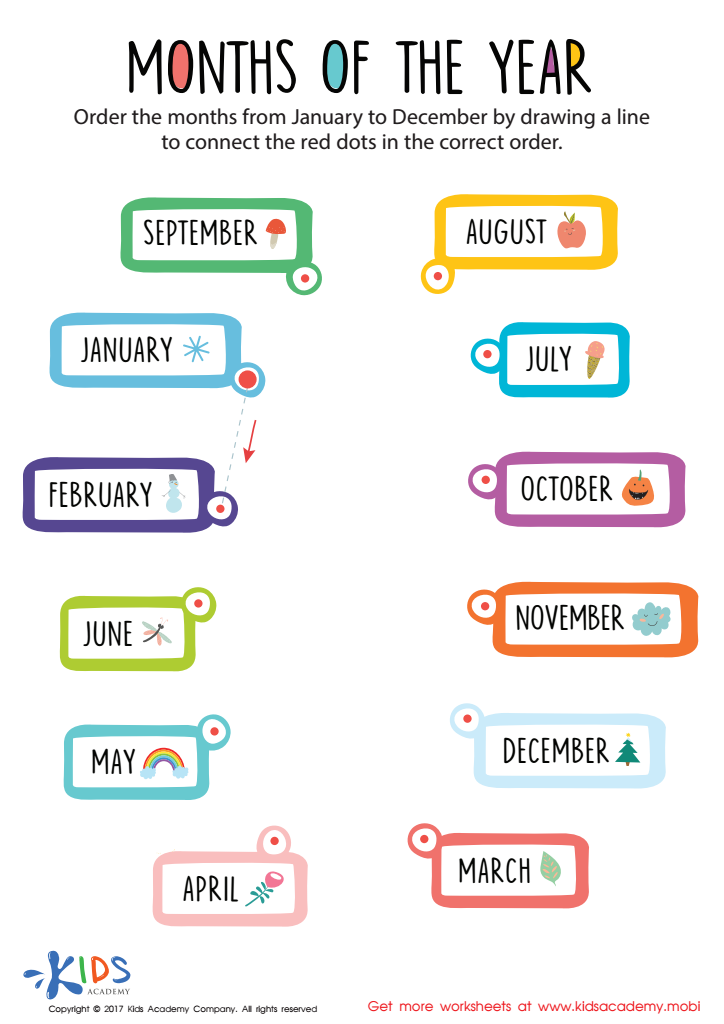
Months of the Year Worksheet
 Assign to My Students
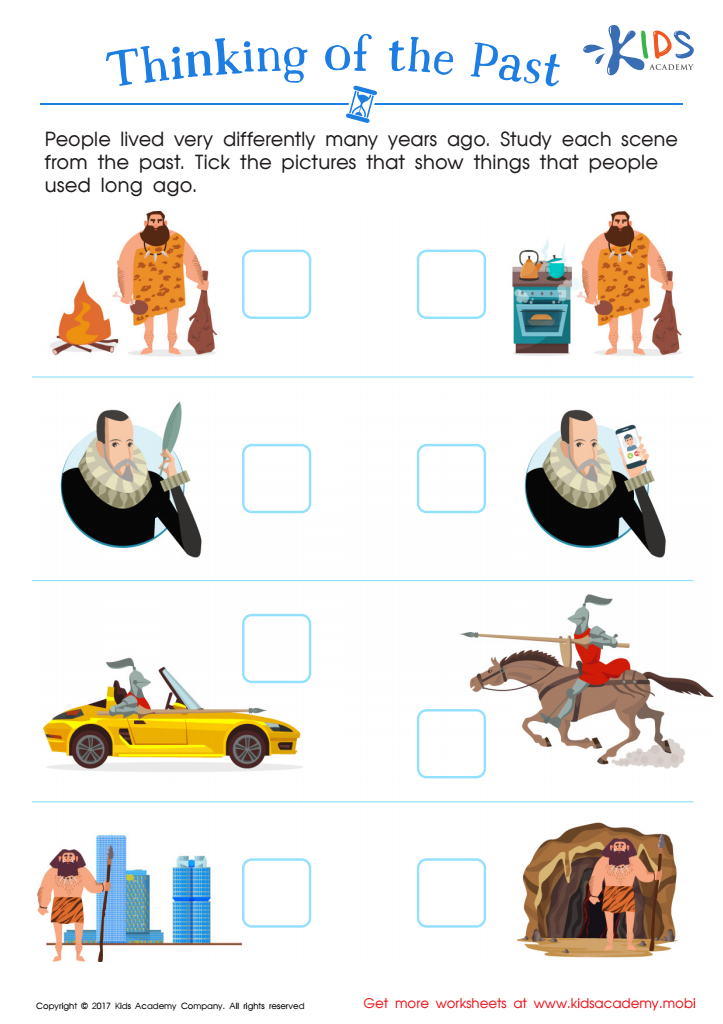
Thinking Past Printable
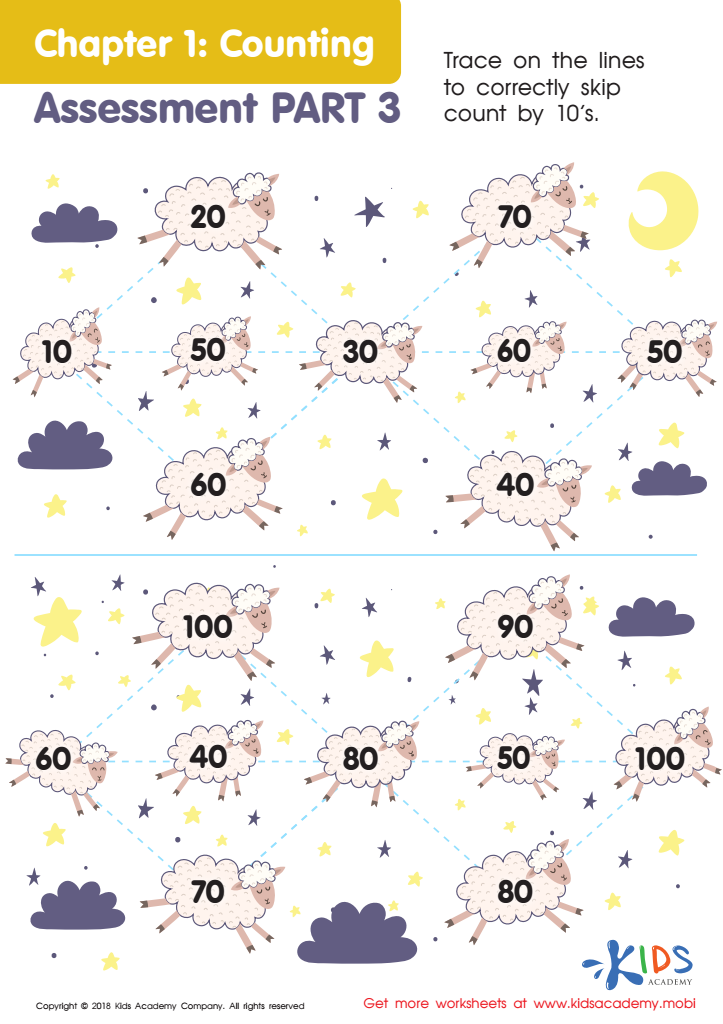
Counting: Assessment 3 Worksheet







Understanding sequence is crucial for children ages 3-4 as it lays the foundation for important cognitive and linguistic skills. During this developmental stage, children begin to comprehend the order of events, which is fundamental to grasping narratives, routines, and problem-solving. By learning to recognize sequences, young children enhance their ability to predict outcomes and make connections between actions, helping them navigate the world around them.
For parents and teachers, fostering an understanding of sequence can lead to improved communication skills. Kids learn to tell stories, share experiences, and express themselves more effectively by learning to organize their thoughts in a logical order. This skill also supports their early literacy by aiding in comprehension and storytelling.
Additionally, understanding sequence is vital for daily activities. Whether it's following a morning routine or completing a simple task, kids who grasp sequencing can develop independence and confidence in managing their time and responsibilities.
By prioritizing sequencing in play and education, parents and teachers provide children with essential tools for cognitive development, literacy, and critical thinking skills that are foundational for future learning. This focus ensures a strong groundwork that benefits children across various aspects of their growth.








