Understanding symmetry Worksheets for Ages 3-4
7 filtered results
-
From - To
Introduce young learners to the fascinating world of symmetry with our specially designed worksheets for ages 3-4! These engaging and colorful worksheets help children understand the concept of symmetry through fun activities and playful exercises. Your preschooler will enjoy matching images, drawing lines of symmetry, and exploring symmetrical patterns, all while enhancing their critical thinking and fine motor skills. Created by early education experts, these resources ensure a strong foundation in basic mathematical concepts, setting the stage for future learning success. Make learning symmetry a delightful experience for your little ones with our enjoyable and educational worksheets!
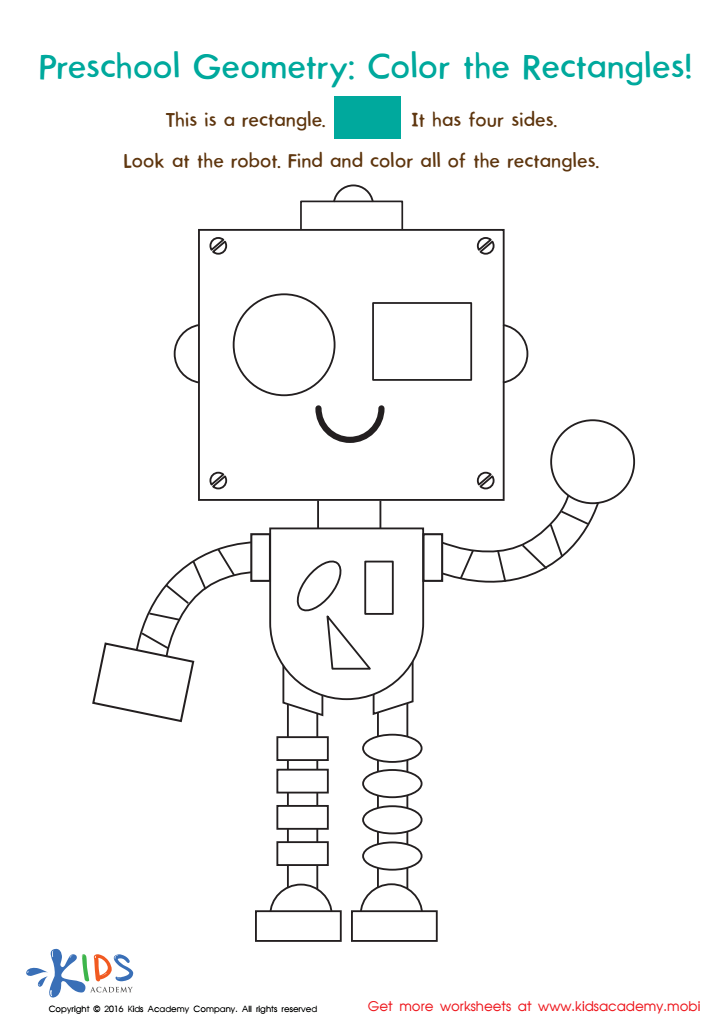
Geometry Worksheet
 Assign to My Students
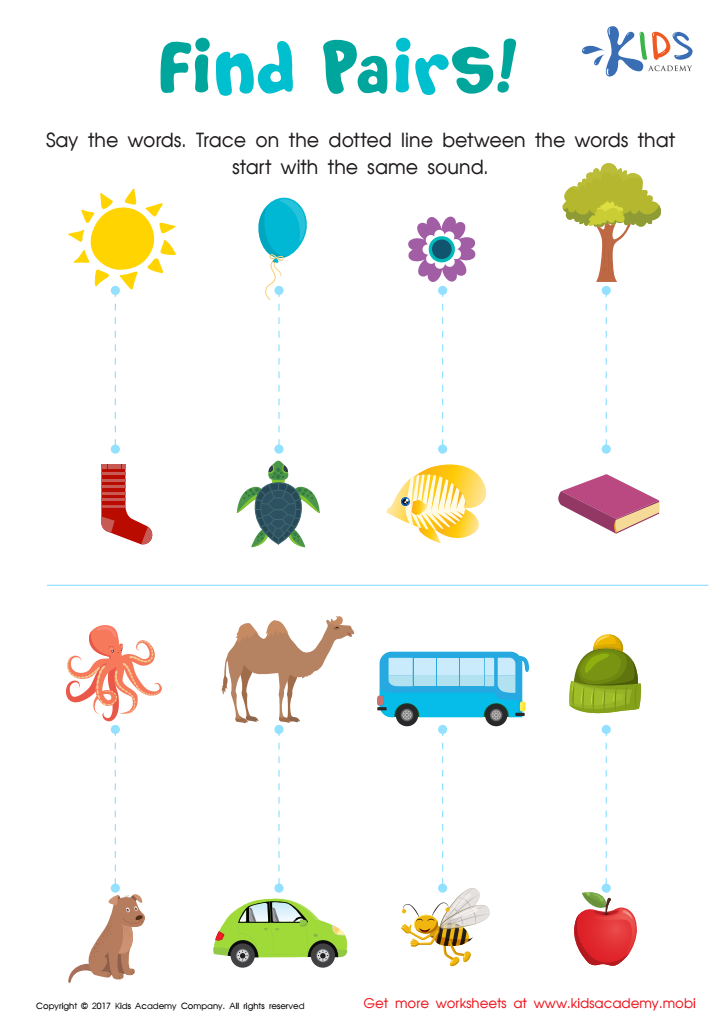
Beginning Sound: Find Pairs Worksheet
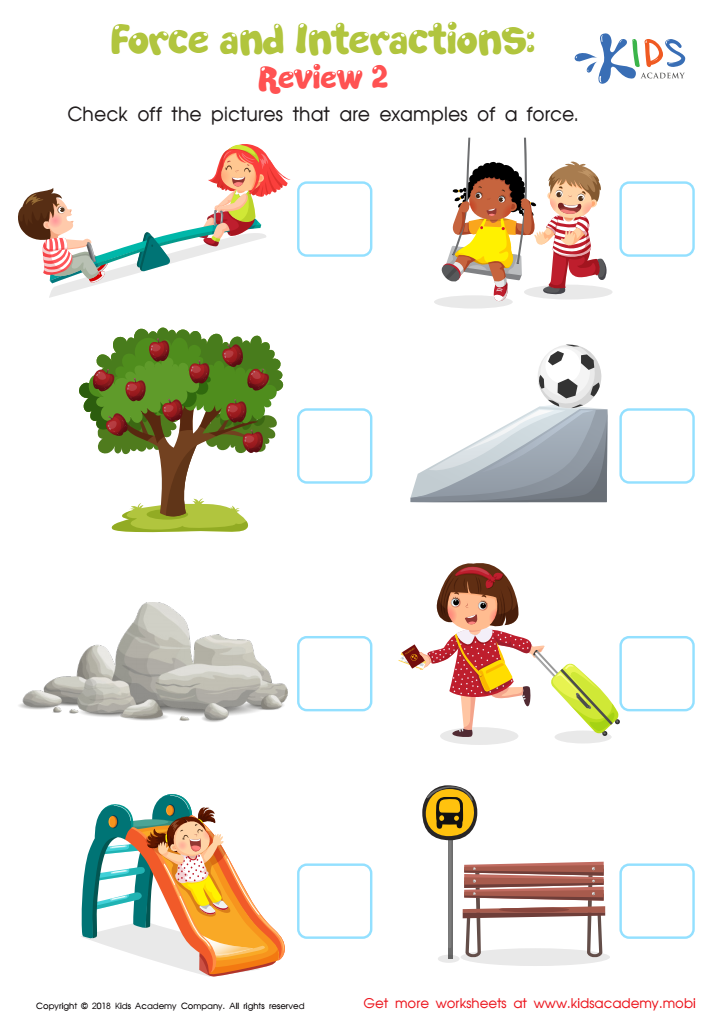
Force and Interactions: Review 2 Worksheet
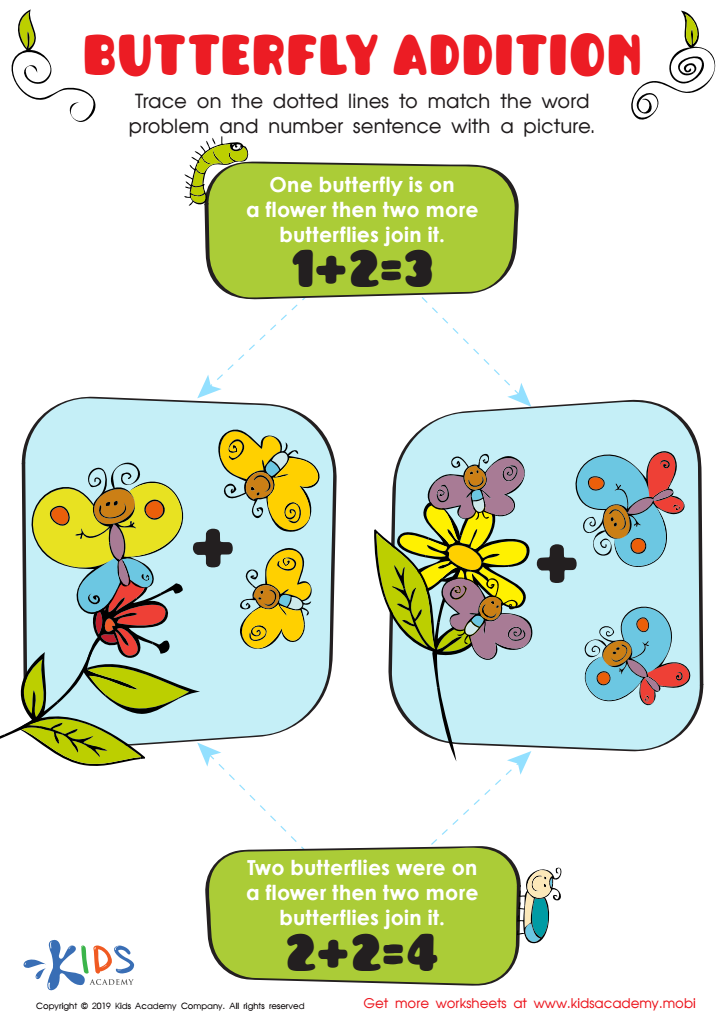
Butterfly Addition Worksheet
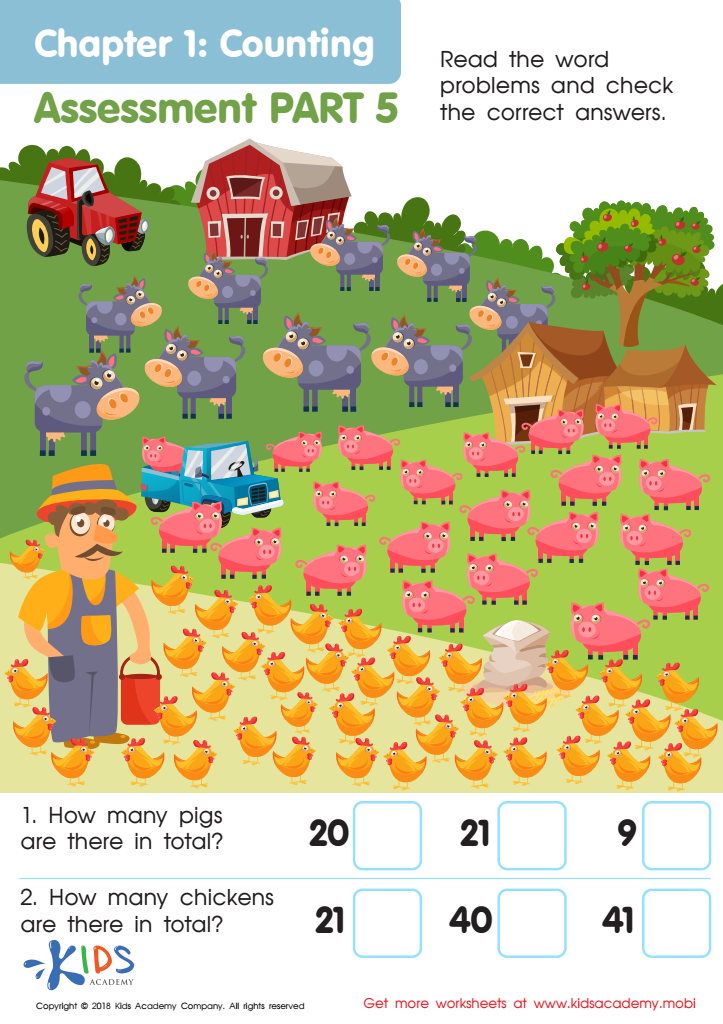
Counting: Assessment 5 Worksheet
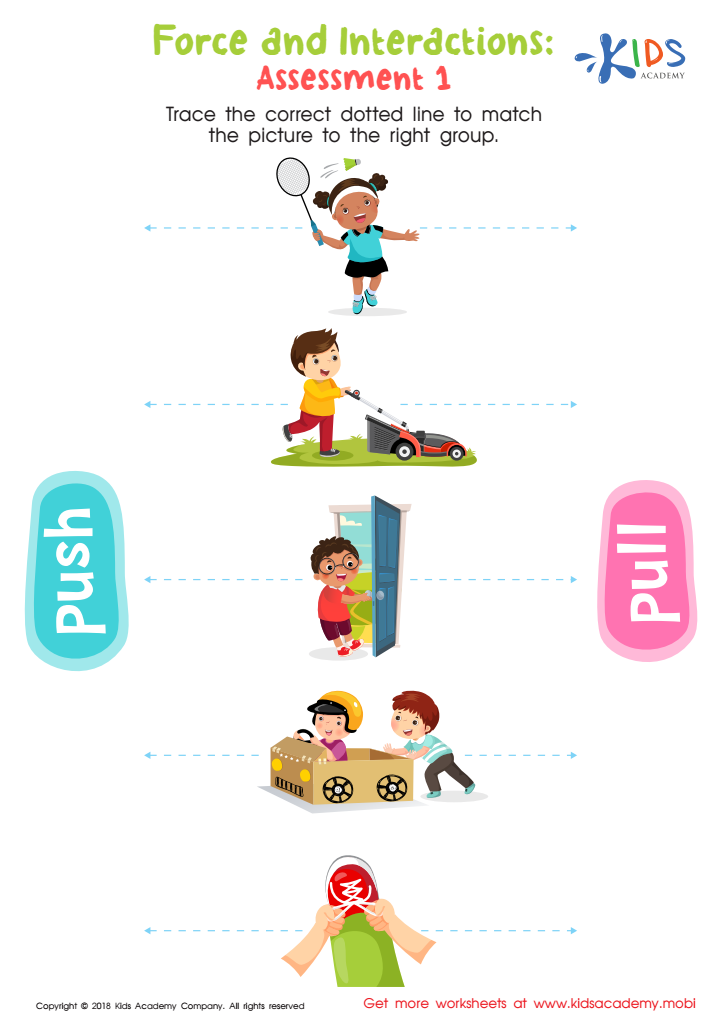
Force and Interactions: Assessment 2 Worksheet





.jpg)

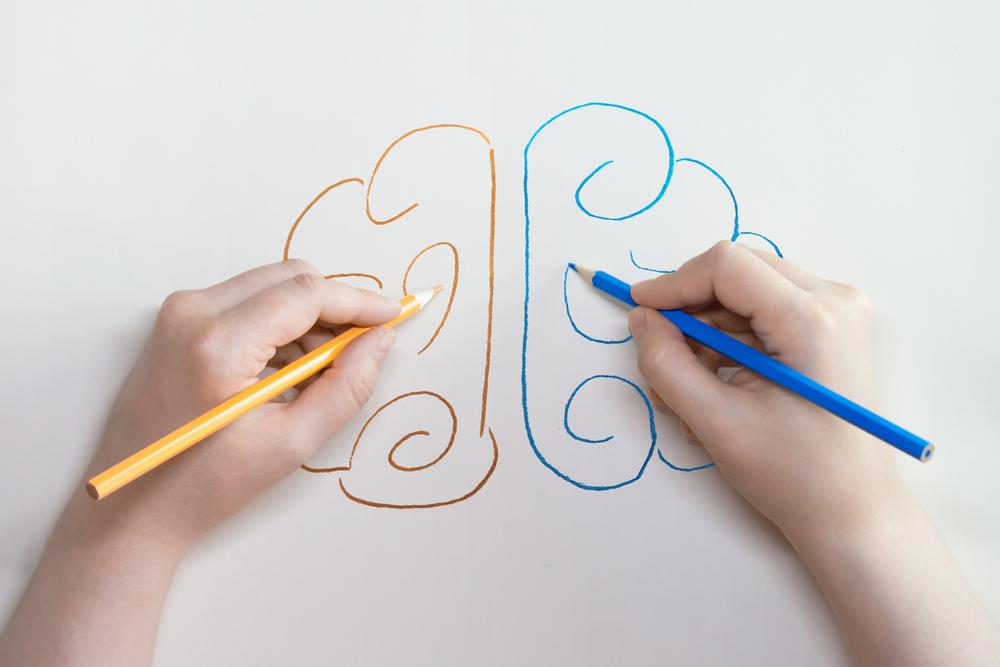
Understanding symmetry at a young age, around ages 3-4, lays a vital foundation for various critical thinking, mathematical, and spatial understanding skills. For toddlers, exploring symmetry isn't just engaging; it's fundamental for cognitive development. Symmetry helps children recognize patterns, a skill essential for both reading and mathematics. When kids comprehend symmetrical shapes, they become adept at identifying proportions and balance, which are crucial for problem-solving and logical thinking.
Parents and teachers can leverage symmetry's intuitive appeal through playful and hands-on activities. Simple tasks like folding paper, arranging blocks, or drawing can naturally introduce the concept. Practicing symmetry aids in fine motor development as children draw or build mirror images. This age-appropriate practice enhances their abilities to observe, predict, and create, crucial skills for higher-level math and geometry later.
Moreover, early experiences with symmetry can foster a sense of beauty and appreciation for the natural world. Recognizing symmetrical patterns in nature, art, and everyday objects nurtures curiosity and environmental awareness.
In essence, integrating symmetry into early learning isn't just academically beneficial but also fosters creativity, critical thinking, and motor skills. It acts as an engaging entry point to more complex subjects, highlighting why parents and teachers should prioritize it in early education.








