Visual learning stimulation Worksheets for Ages 3-4
3 filtered results
-
From - To
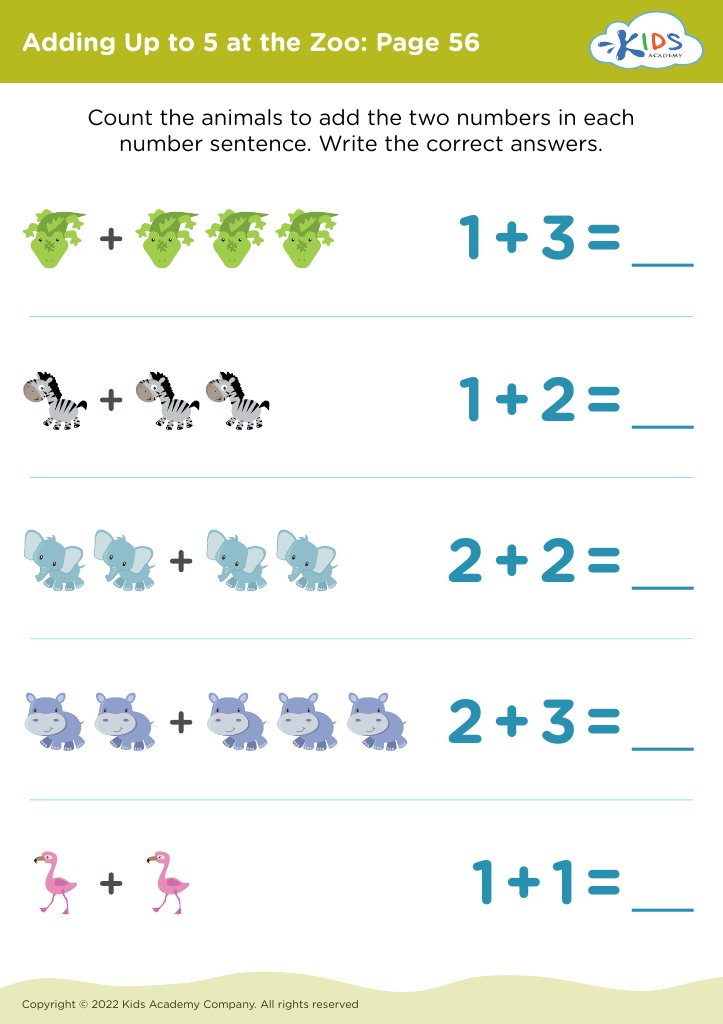
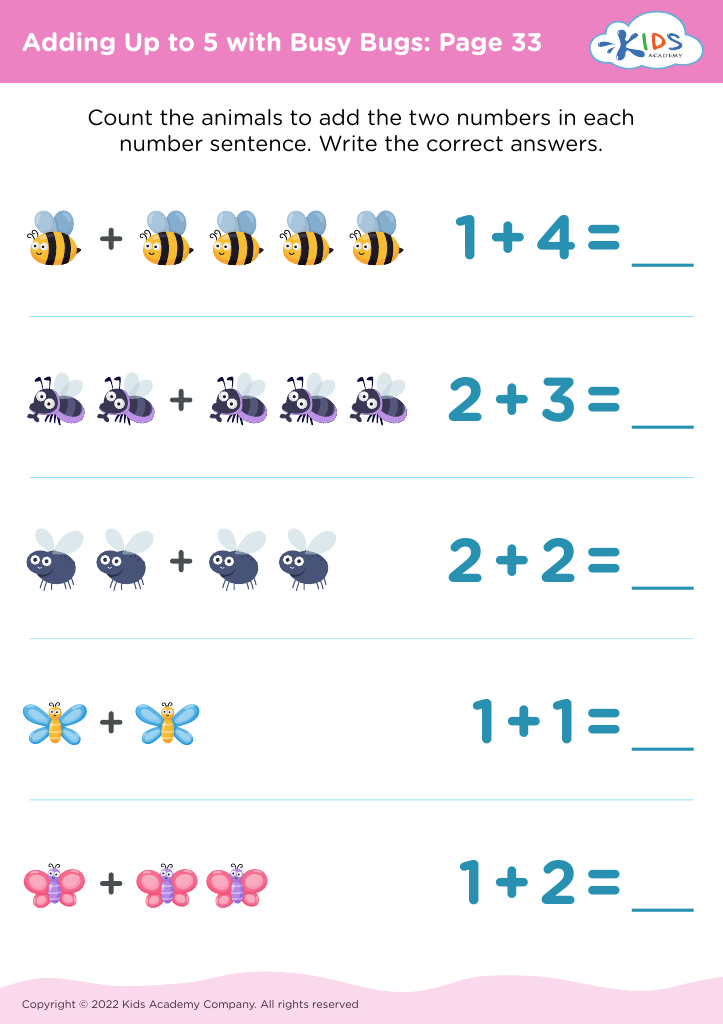
Discover our engaging Visual Learning Stimulation Worksheets designed specifically for children aged 3-4. These worksheets creatively blend fun and education, facilitating skill development in young learners. With vibrant illustrations and interactive activities, each worksheet helps boost cognitive abilities, enhances pattern recognition, and promotes visual-motor coordination. Perfect for parents and educators, these resources encourage independent exploration while fostering creativity and critical thinking. Our user-friendly format ensures that kids stay engaged as they learn important concepts through play. Give your little ones the gift of joyful learning with our specially crafted worksheets that inspire curiosity and a lifelong love for education!
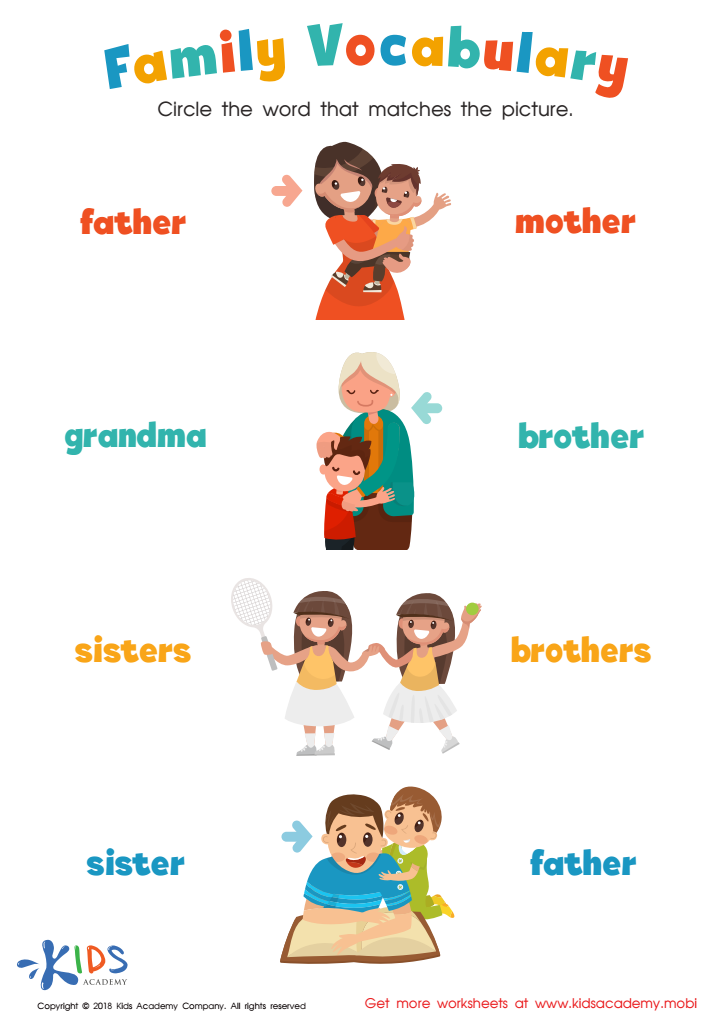
Family Vocabulary Worksheet
 Assign to My Students





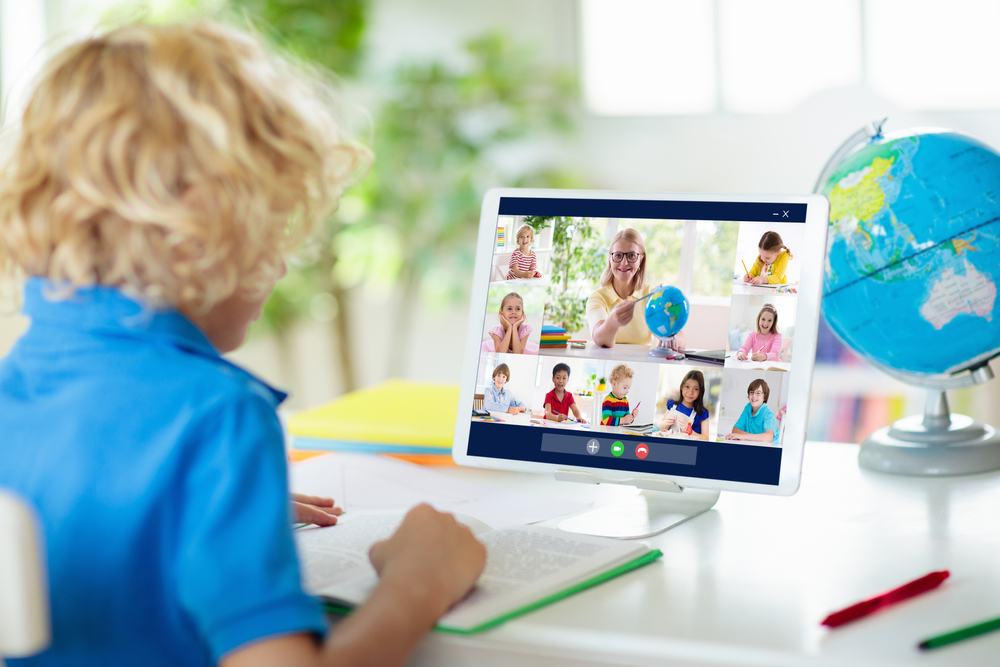
Visual learning stimulation is crucial for children aged 3-4, as this stage is foundational for their cognitive, social, and emotional development. Young children are naturally curious and explore the world around them through their senses; visual stimuli enhance this exploration, fostering deeper engagement and understanding.
For parents and teachers, utilizing visual learning techniques—such as colorful books, educational videos, and interactive play—encourages creativity and imagination. Visual aids can help capture a child’s attention, making learning feel enjoyable and reducing frustration. Engaging visuals also support the development of critical thinking skills as children learn to interpret images and symbols.
Moreover, this approach addresses diverse learning styles, acknowledging that not all children learn the same way. Some children may grasp concepts better when presented graphically, leading to more personalized and effective educational experiences. Additionally, visual learning aids socialization, as group activities centered around visuals can promote collaboration and communication among peers.
By prioritizing visual learning stimulation, parents and teachers can help build essential skills—in language development, problem-solving, and emotional regulation—that will serve children well as they transition into more structured educational settings. Ultimately, it helps lay a solid foundation for lifelong learning and exploration.








