Visual recognition Worksheets for Ages 3-4
6 filtered results
-
From - To
Nurture your preschooler's cognitive growth with our engaging Visual Recognition Worksheets for ages 3-4 from Kids Academy. Designed specifically for young learners, these captivating activities enhance essential skills such as shape, color, and pattern recognition. With the colorful and child-friendly illustrations, your child will joyfully explore and identify various objects, setting a strong foundation for future learning. Our worksheets combine fun and education, paving the way for academic success through play. Visit Kids Academy and provide your little one with the perfect tools to develop their visual perception and critical thinking in a fun and interactive way!
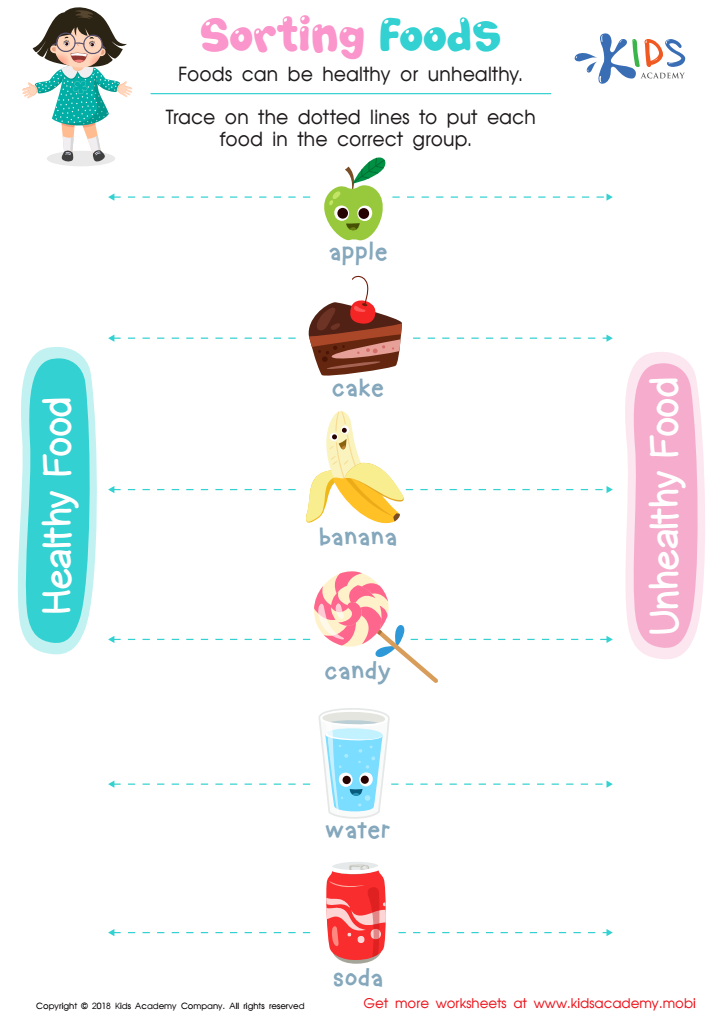
Sorting Food Worksheet
 Assign to My Students
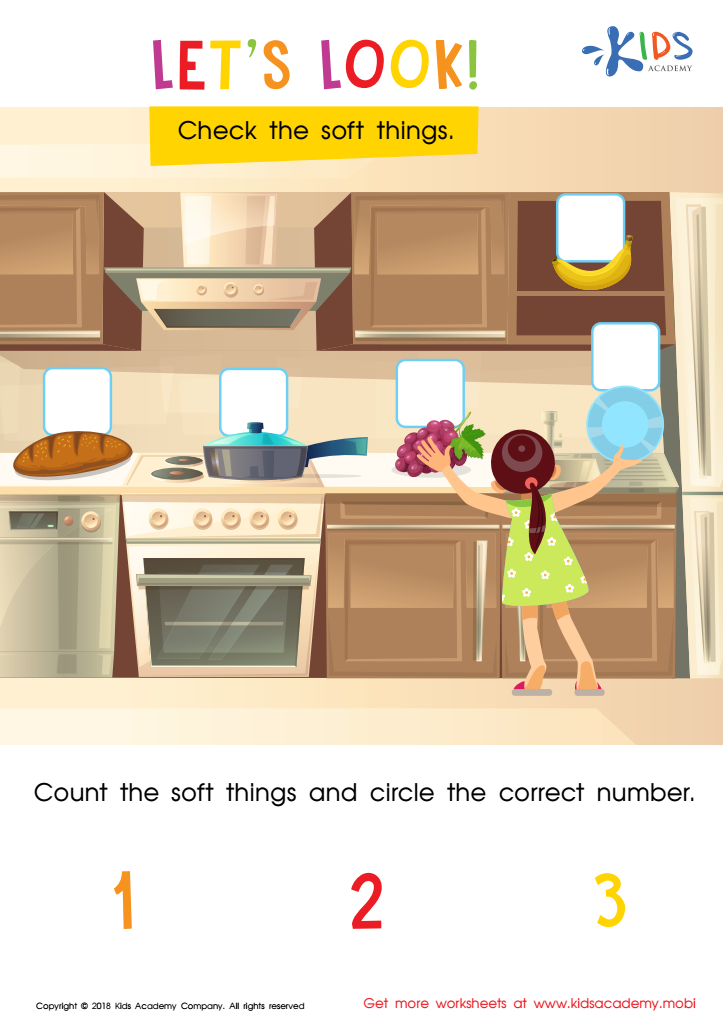
Let's Look! Assessment Worksheet
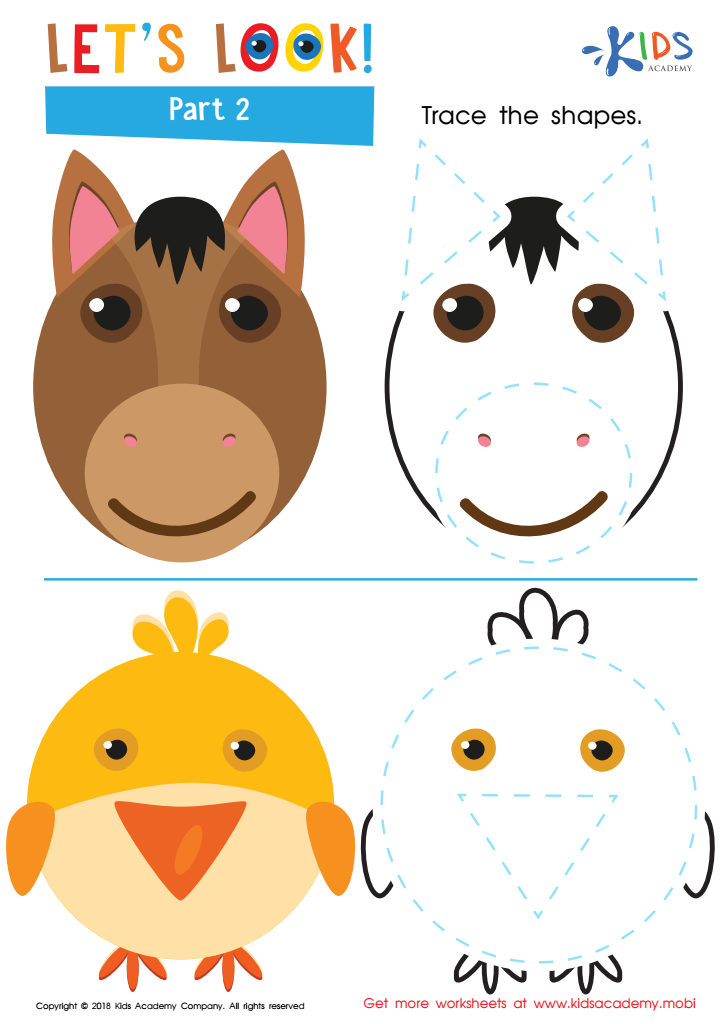
Let's Look! Part 2 Worksheet
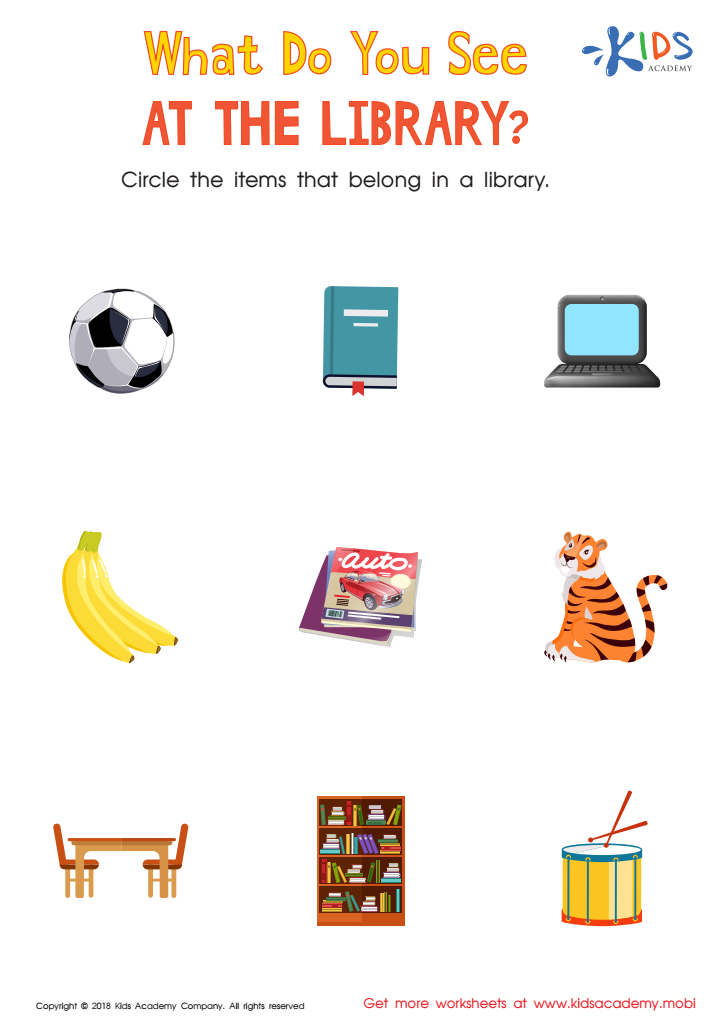
What Do you See at the Library? Worksheet

The Four Seasons Worksheet
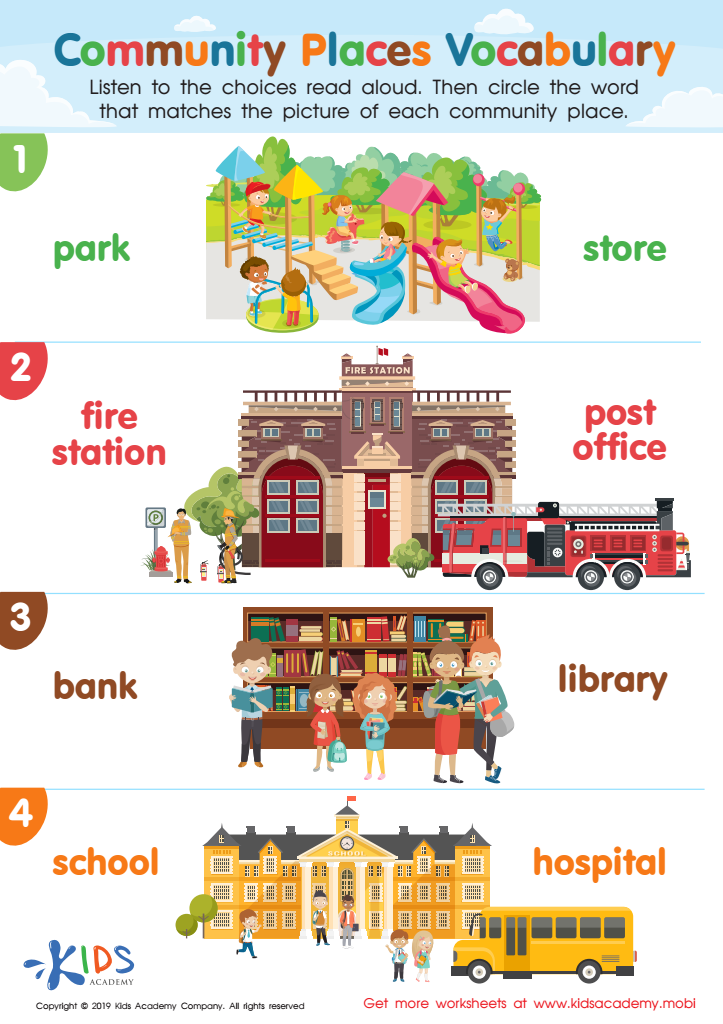
Community Places Vocabulary Worksheet






.jpg)

Visual recognition is a critical aspect of early childhood development that parents and teachers should prioritize for several reasons.
Firstly, it lays the groundwork for literacy. Recognizing shapes, colors, letters, and numbers is fundamental for learning to read and write. When children can visually identify letters and associate them with corresponding sounds, they build the primary skills needed for phonics and early reading.
Secondly, visual recognition enhances cognitive development. It helps children in pattern recognition and memory improvement, which are essential for problem-solving and reasoning skills later in life. For example, distinguishing between different geometric shapes aids in understanding basic math concepts.
Thirdly, it supports social development. Recognizing facial expressions and body language plays a vital role in social interactions. Children with strong visual recognition skills can interpret emotions and react appropriately, fostering healthier relationships with peers and adults.
Lastly, it aids in the development of motor skills and coordination. Activities involving visual recognition, such as puzzles and matching games, require fine motor skills, which improve hand-eye coordination. This is essential not just for academic tasks like writing but for day-to-day activities as well.
In summary, focusing on visual recognition at ages 3-4 equips children with the essential skills they need for academic success, cognitive and social development, and motor skills, creating a strong foundation for future learning and interactions.








