Vocabulary Building Worksheets for Ages 3-4 - Page 2
35 filtered results
-
From - To
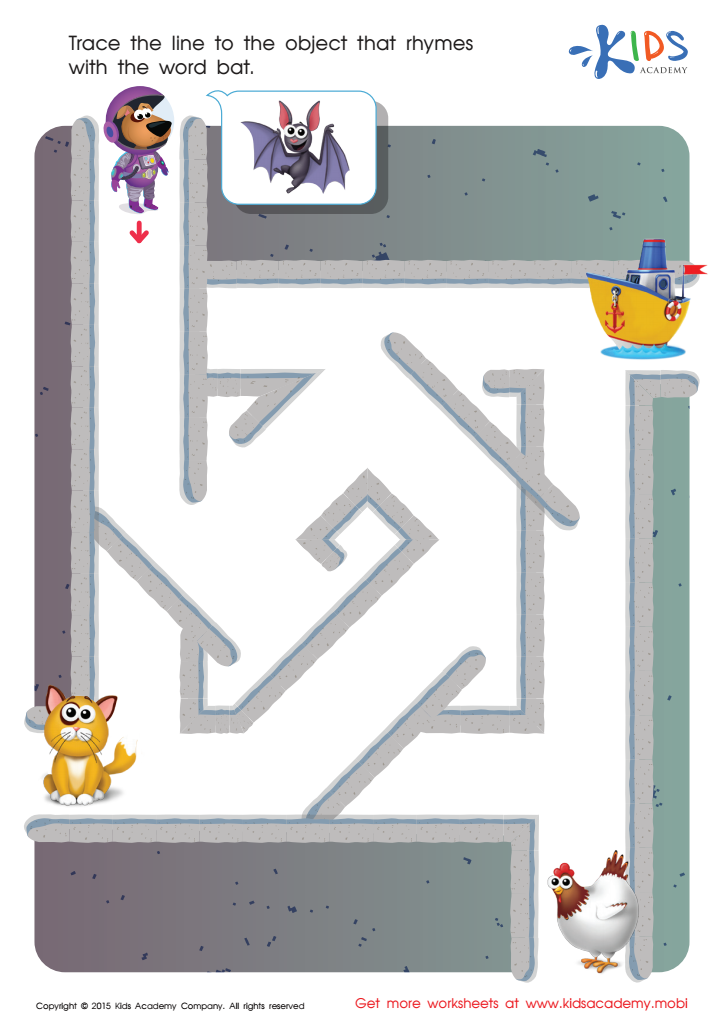
Bat Rhyming Words Worksheet
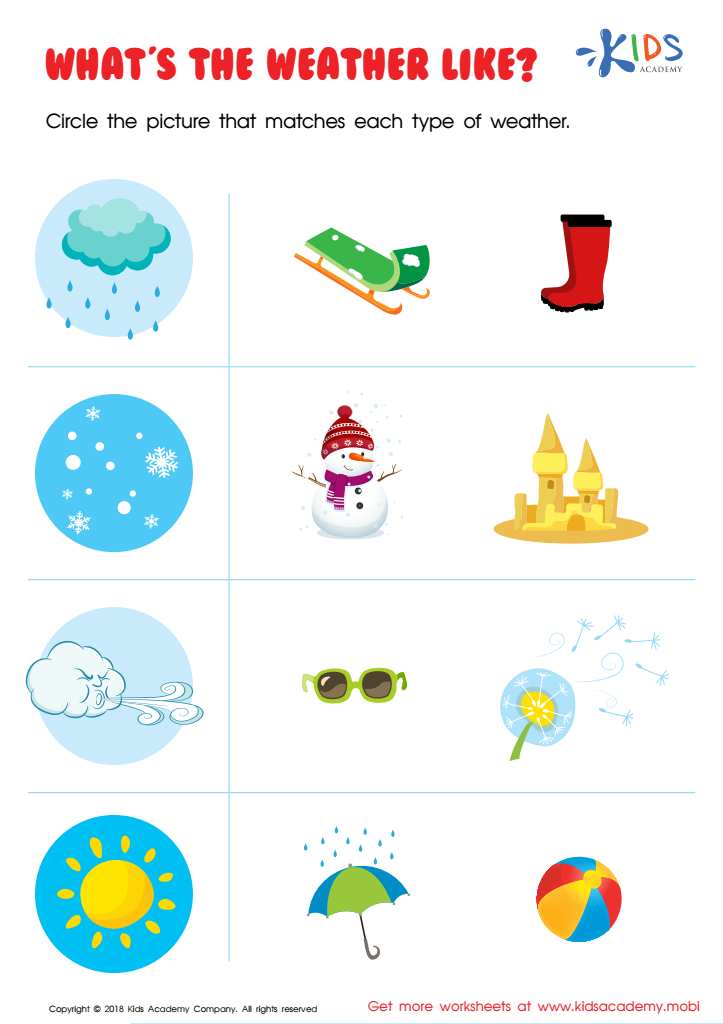
What's the Weather Like? Worksheet
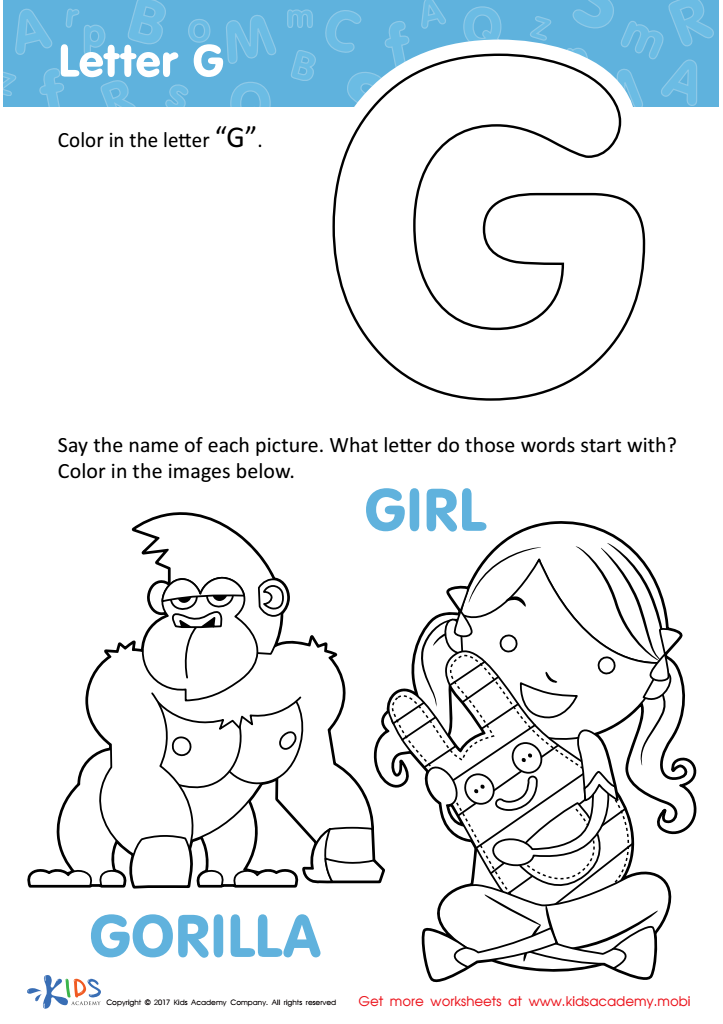
Letter G Coloring Sheet
 Assign to My Students
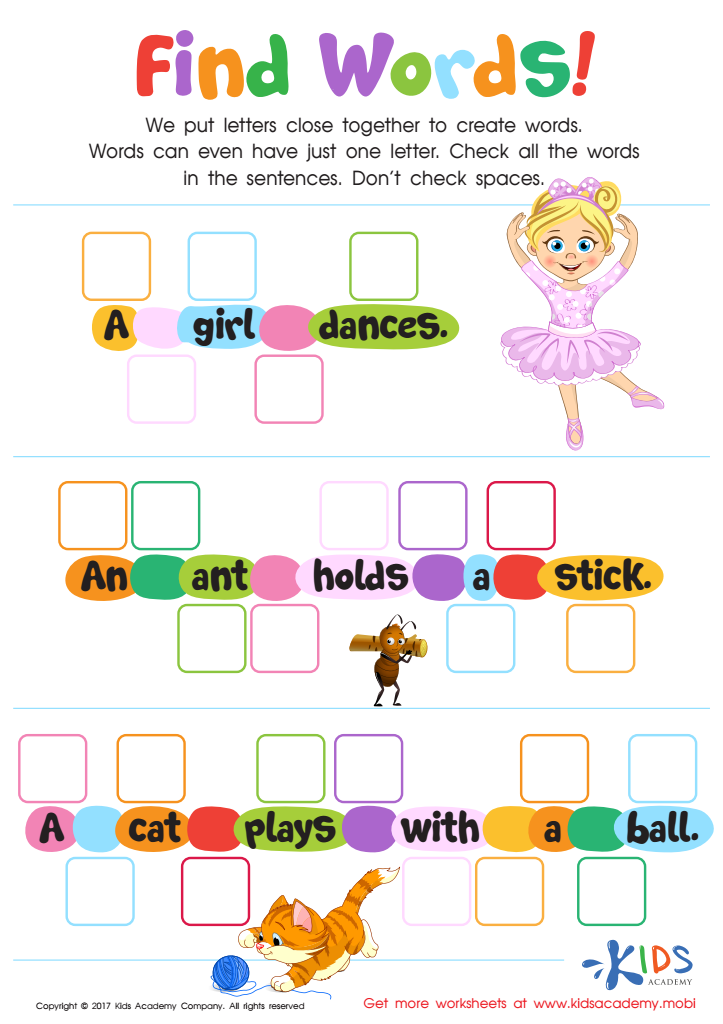
Find Words Worksheet
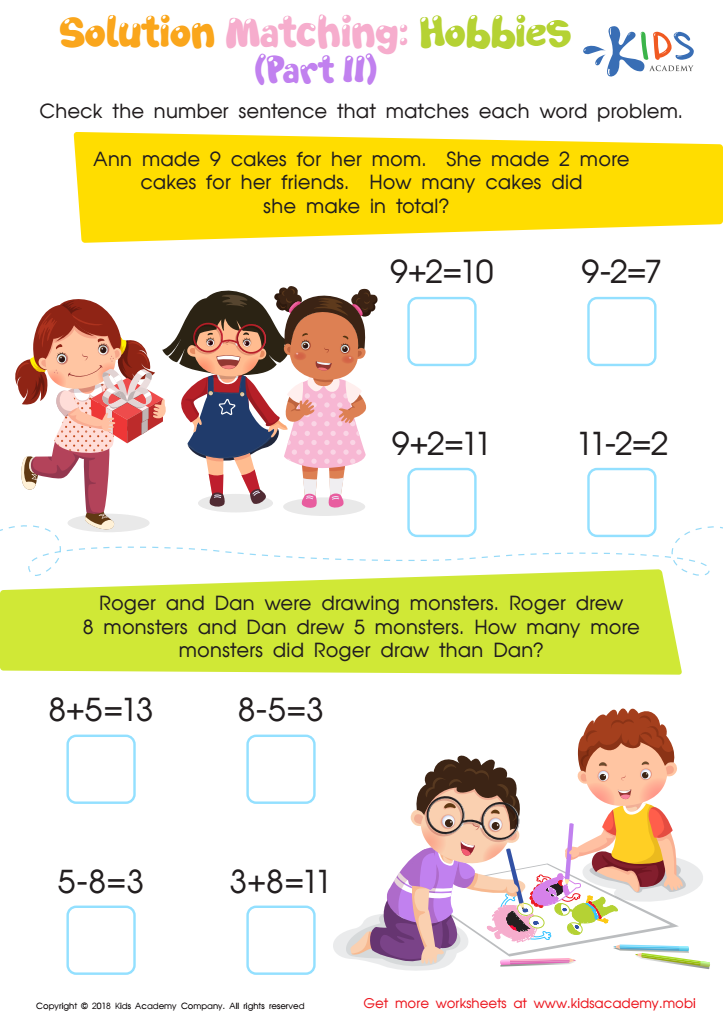
Solution Matching: Hobbies. Part 2 Worksheet
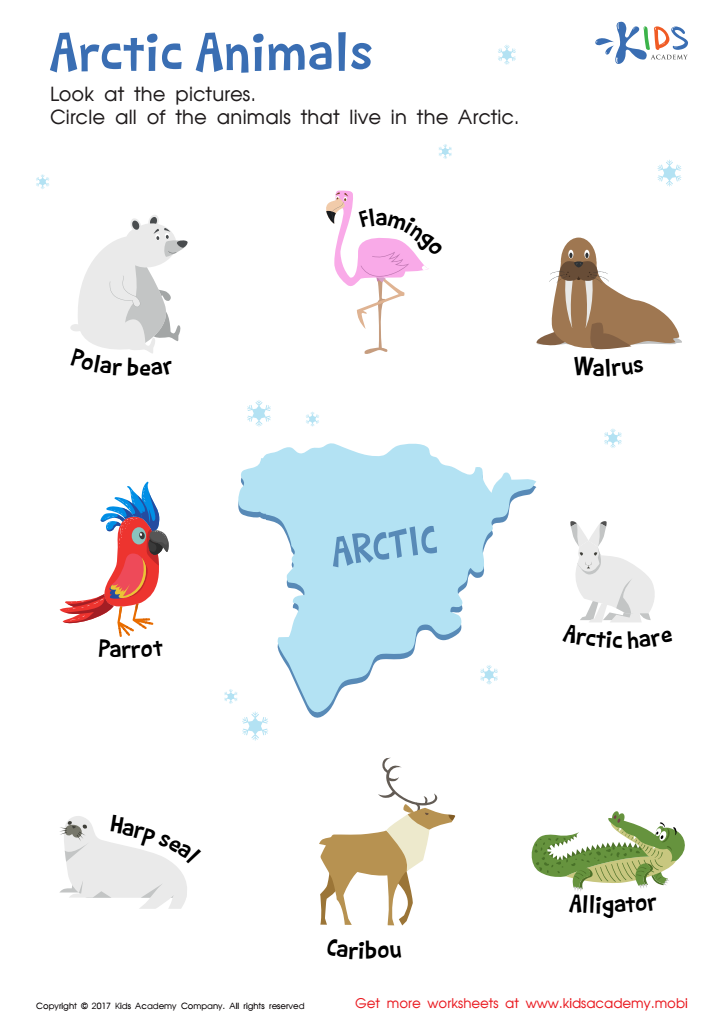
Arctic Animals Worksheet
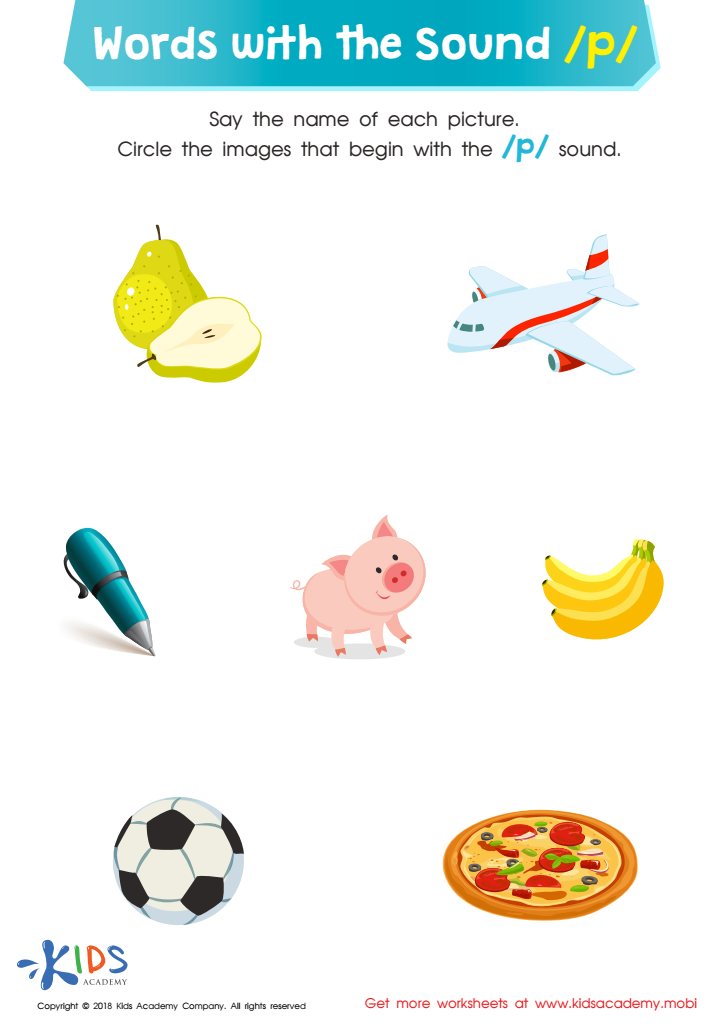
Words with sound p Reading Worksheet
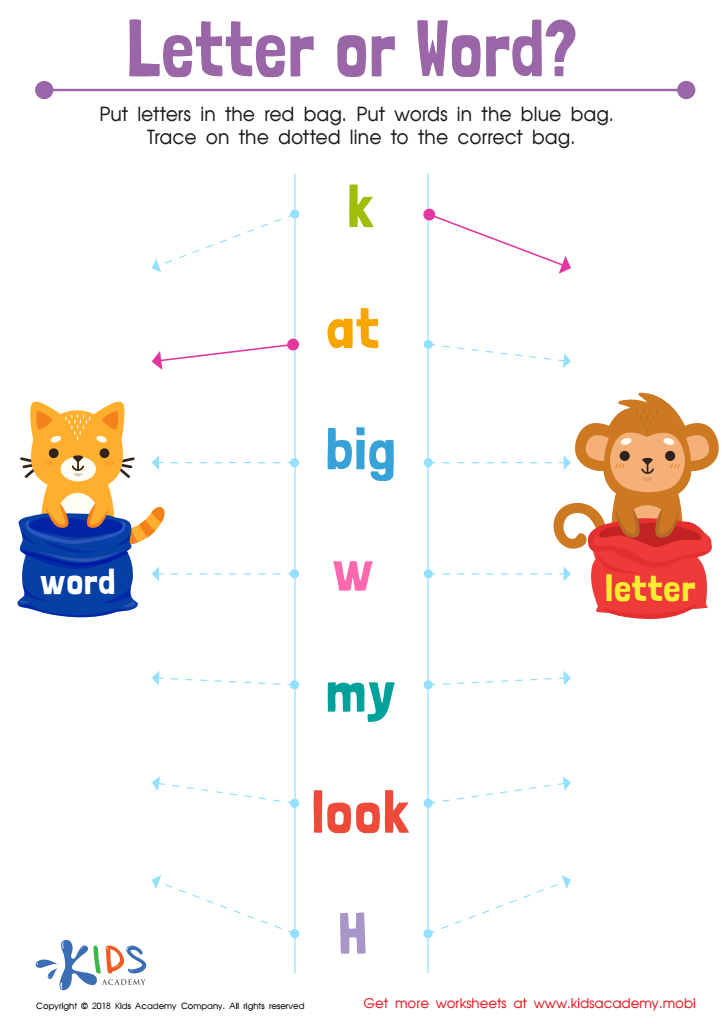
Letter or Word? Worksheet
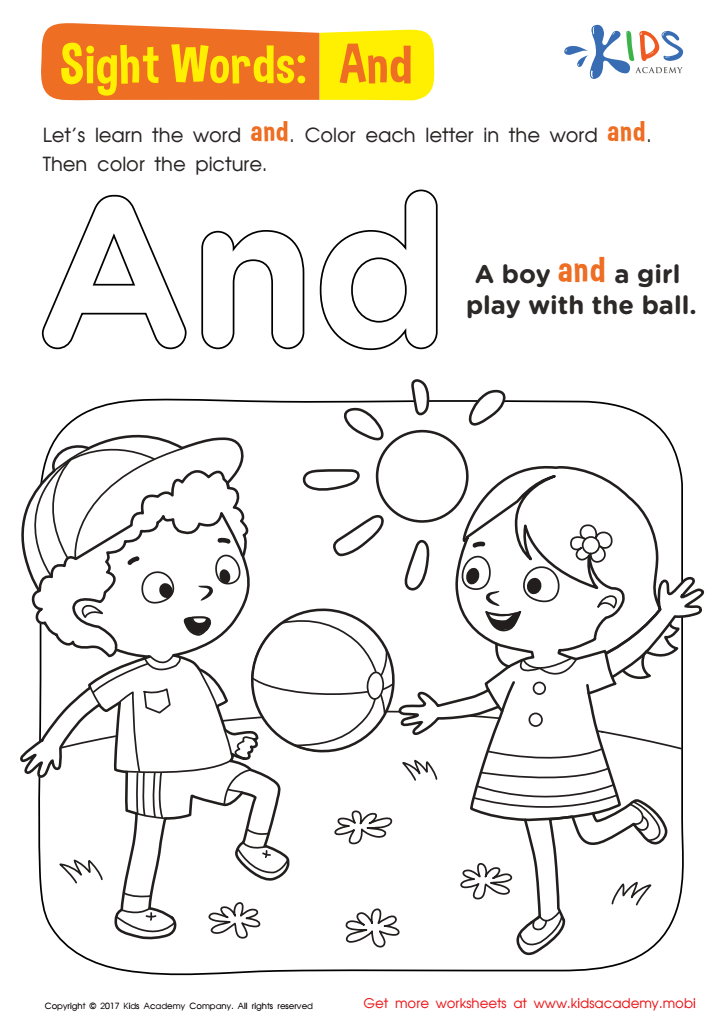
And Worksheet Sight Words Worksheet
Assign to My Students








Vocabulary building for children ages 3-4 is a foundational aspect of early literacy and cognitive development. At this age, children experience rapid brain growth, making them particularly receptive to learning new words and language patterns. Engaging in vocabulary-rich conversations helps young learners develop their language skills, enhancing their ability to express thoughts, emotions, and ideas.
A strong vocabulary supports later skills in reading comprehension and writing, laying the groundwork for academic success throughout a child’s educational journey. When parents and teachers focus on vocabulary development, they are not just teaching words; they are fostering critical thinking, problem-solving abilities, and social skills. Early exposure to diverse vocabulary empowers children to communicate effectively, improving interaction with peers and adults alike.
Furthermore, vocabulary building encourages a love for learning. Storytime, songs, and interactive play centered around new words make learning enjoyable and engaging, instilling a positive attitude towards education. As children become more confident in their language abilities, their curiosity expands, promoting exploration and discovery.
Ultimately, prioritizing vocabulary development for young children leads to well-rounded, confident communicators who are better equipped to navigate their world and succeed academically. Thus, the efforts of parents and teachers in this area are vital and transformative.








