Problem-Solving Skills Adding at the Zoo Worksheets for Ages 3-4
4 filtered results
-
From - To
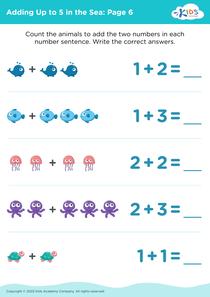
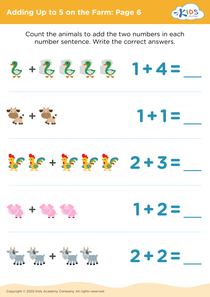
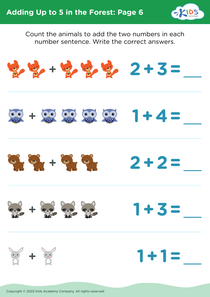
Enhance your child's problem-solving skills with our engaging "Adding at the Zoo" worksheets, specifically designed for ages 3-4. These fun and interactive activities invite young learners to explore basic addition concepts in a playful zoo setting, fostering critical thinking and creativity. Each worksheet encourages children to solve simple math problems while engaging with adorable animals, creating a delightful learning experience. Ideal for home or classroom use, these colorful and captivating resources promote early numeracy and logical reasoning. Help your little ones build confidence in their math abilities while enjoying the whimsical world of the zoo with our expertly crafted worksheets!
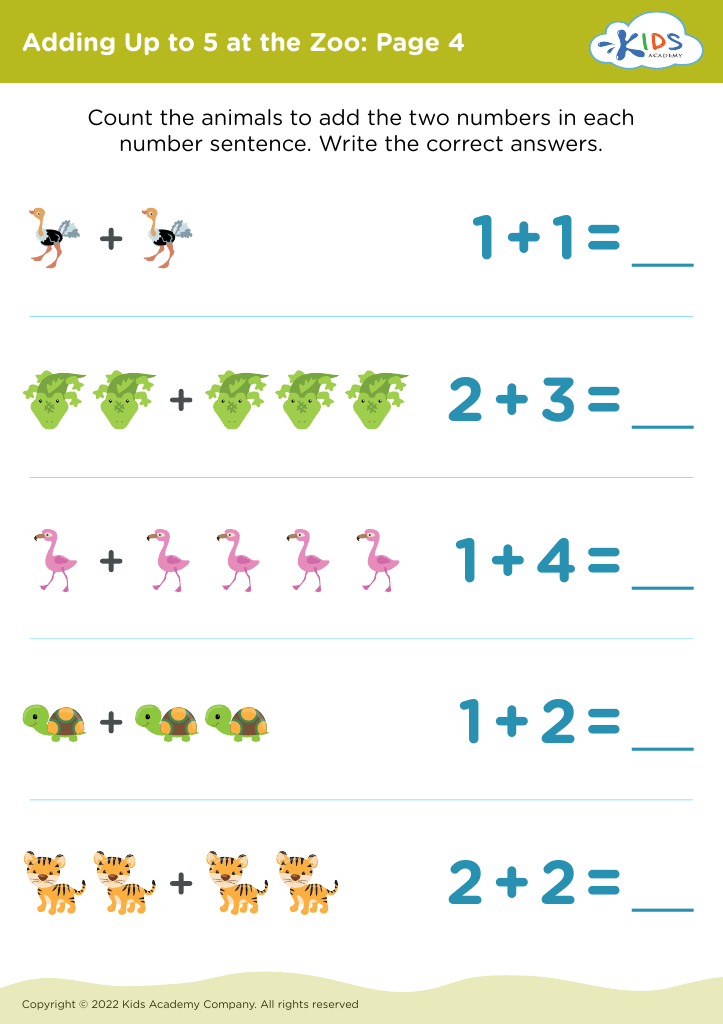
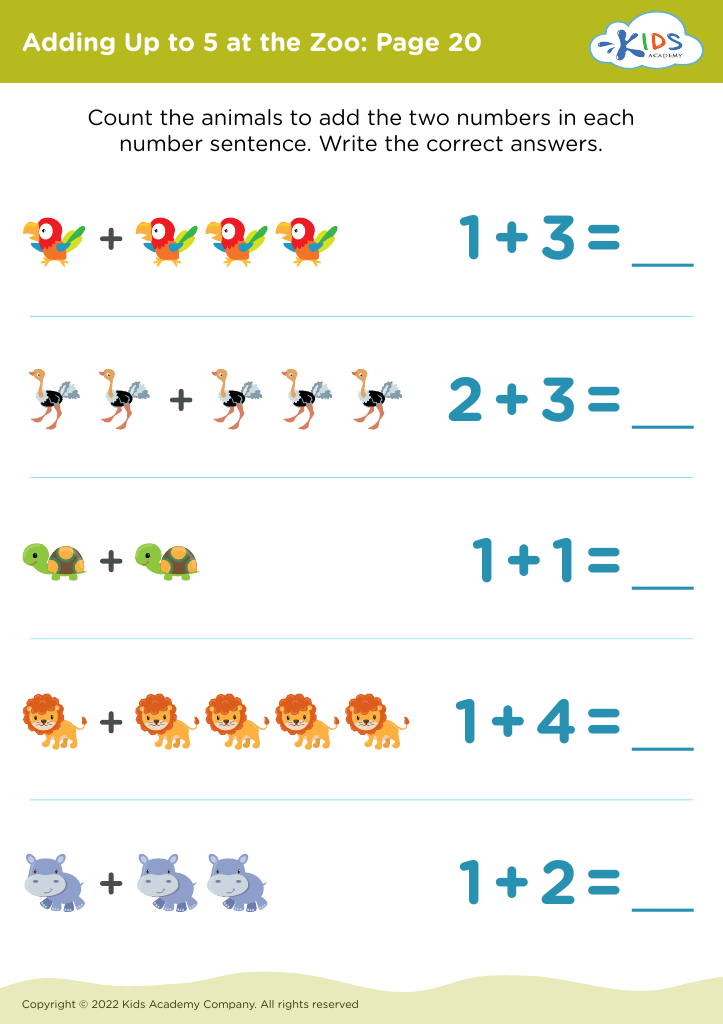
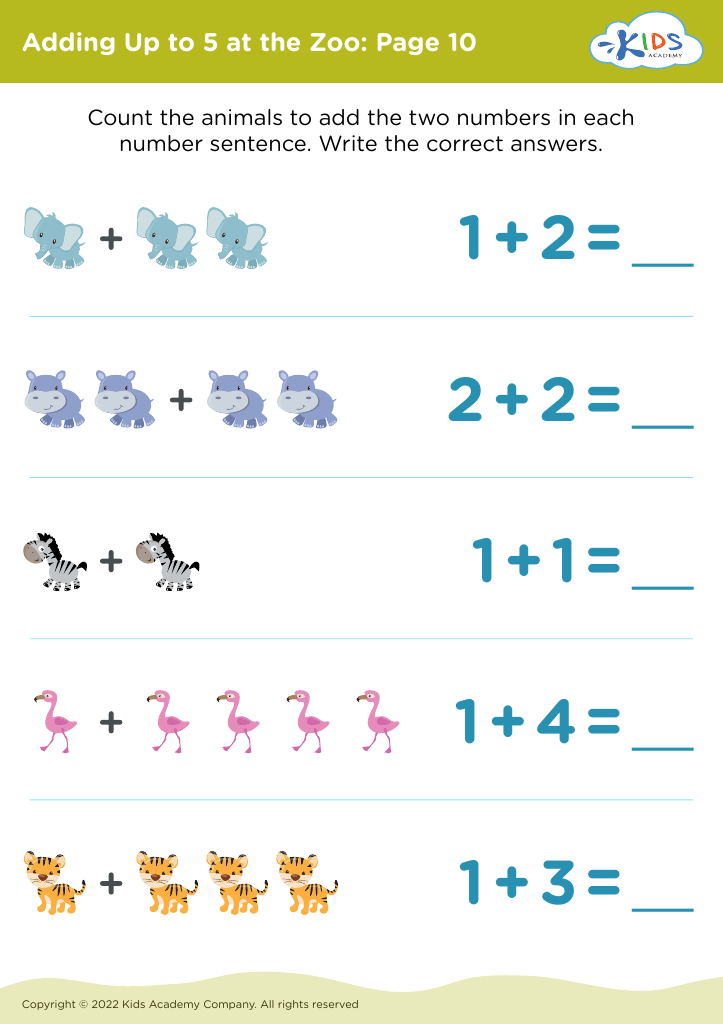
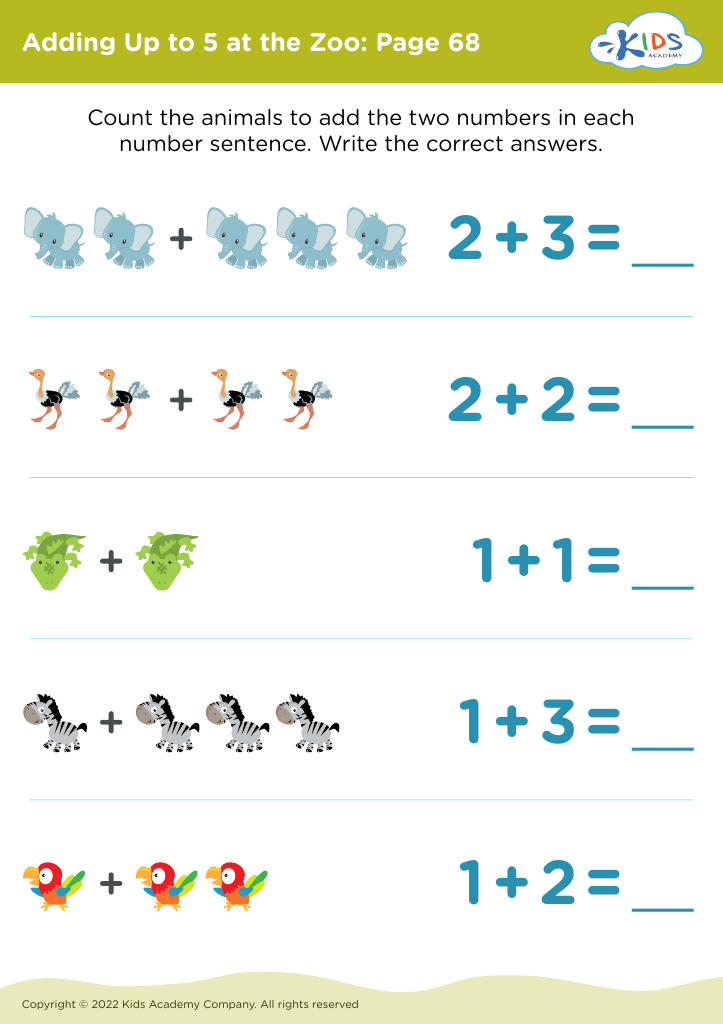



Problem-solving skills are fundamental for children's growth, particularly for ages 3-4, as they lay the foundation for critical thinking and cognitive development. Activities like "Problem-Solving Skills Adding at the Zoo" engage young learners in hands-on experiences that blend play with educational outcomes. This particular activity not only makes learning vibrant and enjoyable but also introduces early math concepts through a relatable theme.
For parents and teachers, fostering these skills is essential. Young children learn best through exploration and discovery, and problem-solving tasks encourage them to analyze situations, think creatively, and develop emotional resilience. By navigating challenges—such as determining how many animals to add to different enclosures or sharing resources—children learn to work collaboratively, negotiate ideas, and engage in effective communication.
Furthermore, these problem-solving activities promote a growth mindset, allowing children to view challenges as opportunities. This ultimately fosters confidence and independence. Investing time in nurturing problem-solving skills during the early years can significantly impact a child's academic and social journey, equipping them with the tools to tackle future challenges with confidence and resilience. As such, parents and teachers play a critical role in ensuring that children develop robust problem-solving abilities early on.