Filters

7 filtered results

Clear all filters
Favorites
With answer key
Interactive

7 filtered results

Difficulty Level

Grade


Enhance your child's math journey with our Problem-Solving Skills Addition Facts Worksheets for ages 3-4! Designed to promote early numeracy, these engaging worksheets provide fun activities that help preschoolers develop essential problem-solving techniques while mastering addition. Each worksheet is tailored to encourage critical thinking as children tackle simple addition problems through colorful illustrations and relatable scenarios. By integrating play with learning, your little ones will build confidence in their math abilities, setting a strong foundation for future success. Start your child's adventure in math today, and watch as they solve problems with curiosity and excitement! Perfect for home or classroom use.

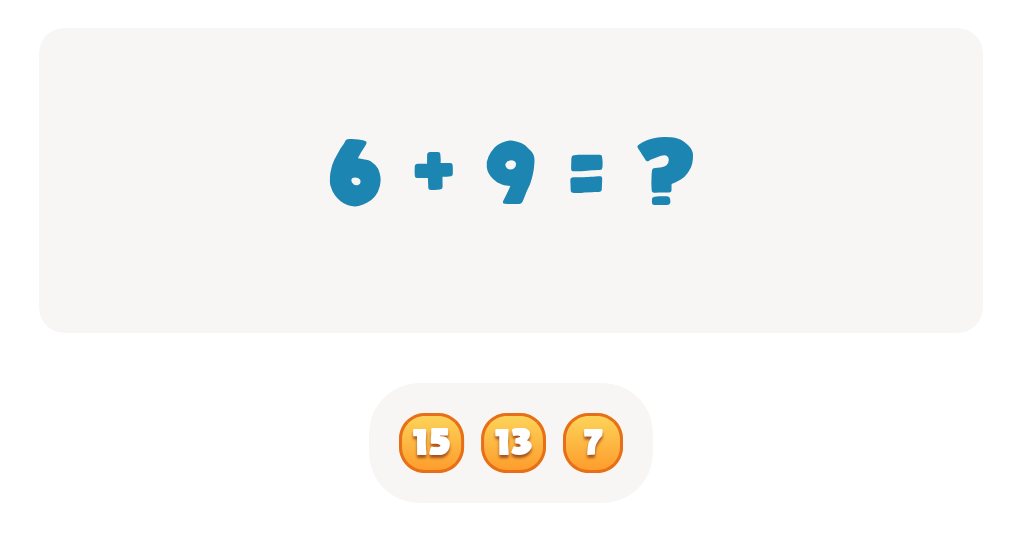
Check out this FREE Trial Lesson on Addition Facts for age 3-4!

More Word Problems

Favorites
With answer key
Interactive
  • 3-4
  • Problem-Solving Skills
  • Addition Facts
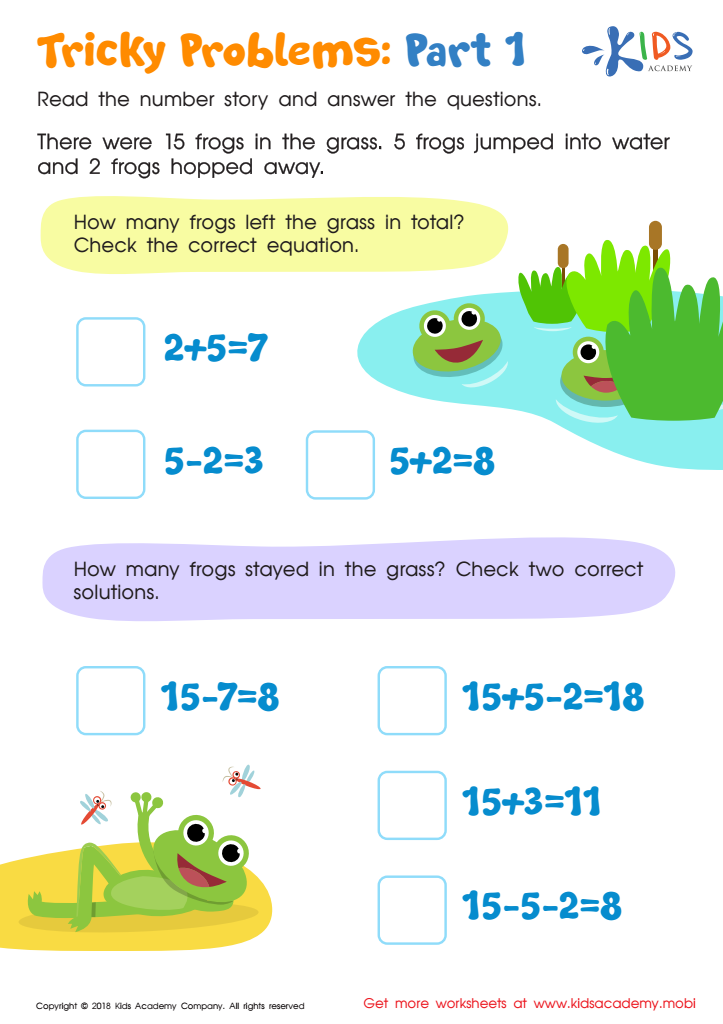
Tricky Problems Worksheet: Part 1

Tricky Problems Worksheet: Part 1

Visualizing word problems can help students solve them. This fun PDF worksheet encourages students to create mental images using math facts, then check boxes to match the equations for basic addition problems. It's a great way to build confidence in solving math.
Tricky Problems Worksheet: Part 1
Worksheet
7 Continents and 7 Seas Worksheet

7 Continents and 7 Seas Worksheet

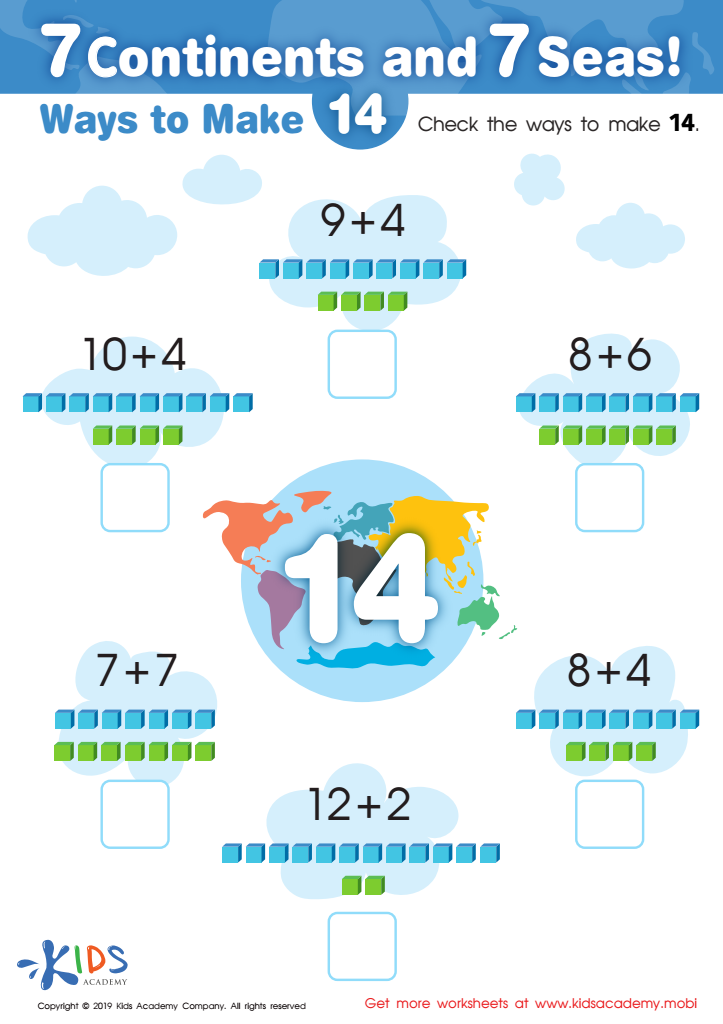
Remind kids of the continents and show them how different numbers can add up to the same figure. Give examples, like 2+2 =4, and 3+1 =4. Ask if they can provide other examples, then work through the simple additions in this worksheet with them. Ask them to circle all equations that make 14.
7 Continents and 7 Seas Worksheet
Worksheet
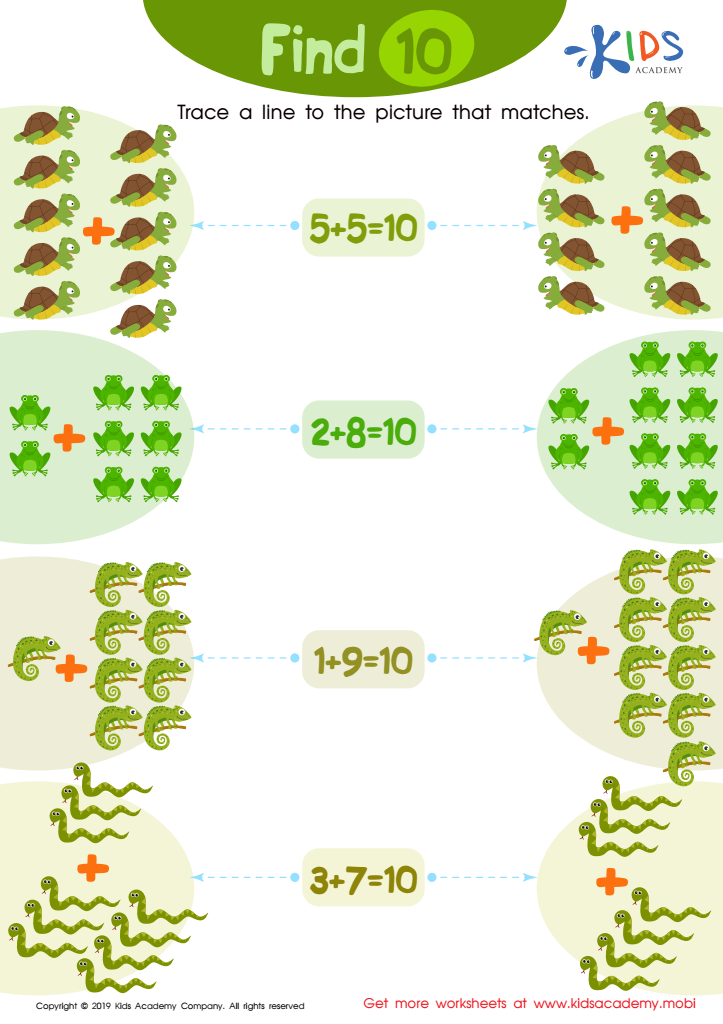
Find 10 Worksheet
Find 10 Worksheet

Find 10 Worksheet

Counting can be tricky, but your kids can master it with regular practice. Here's a fun activity to help: count the animals, then trace a line to the pictures that matches. With these tips, math will be an easy walk in the park.
Find 10 Worksheet
Worksheet
Equations Matching Word Problems Worksheet

Equations Matching Word Problems Worksheet

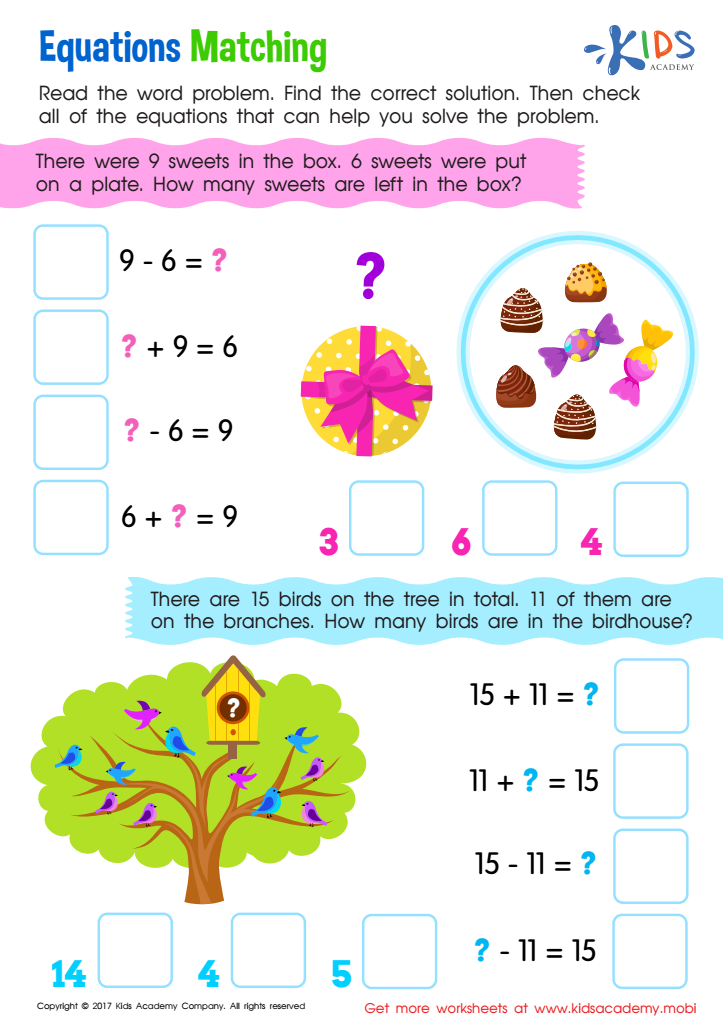
Download this worksheet and give your young mathematician practice in solving equations using matching numbers and number family facts. They'll solve word problems, develop critical thinking and algebraic reasoning, and gain success with addition and subtraction.
Equations Matching Word Problems Worksheet
Worksheet
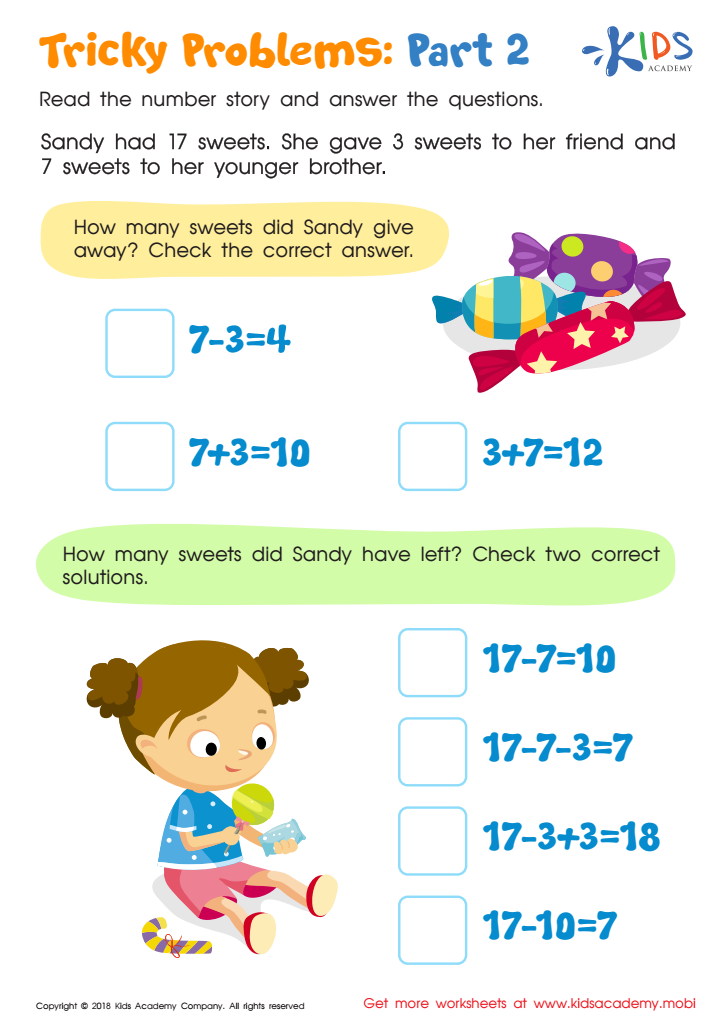
Tricky Problems Worksheet: Part 2

Tricky Problems Worksheet: Part 2

Help your little math learner visualize number stories with this engaging worksheet. They'll connect pictures to the story and use math facts to find the sums. After that, they'll be able to identify the correct number sentences to match. Let them practice and get better at problem solving!
Tricky Problems Worksheet: Part 2
Worksheet
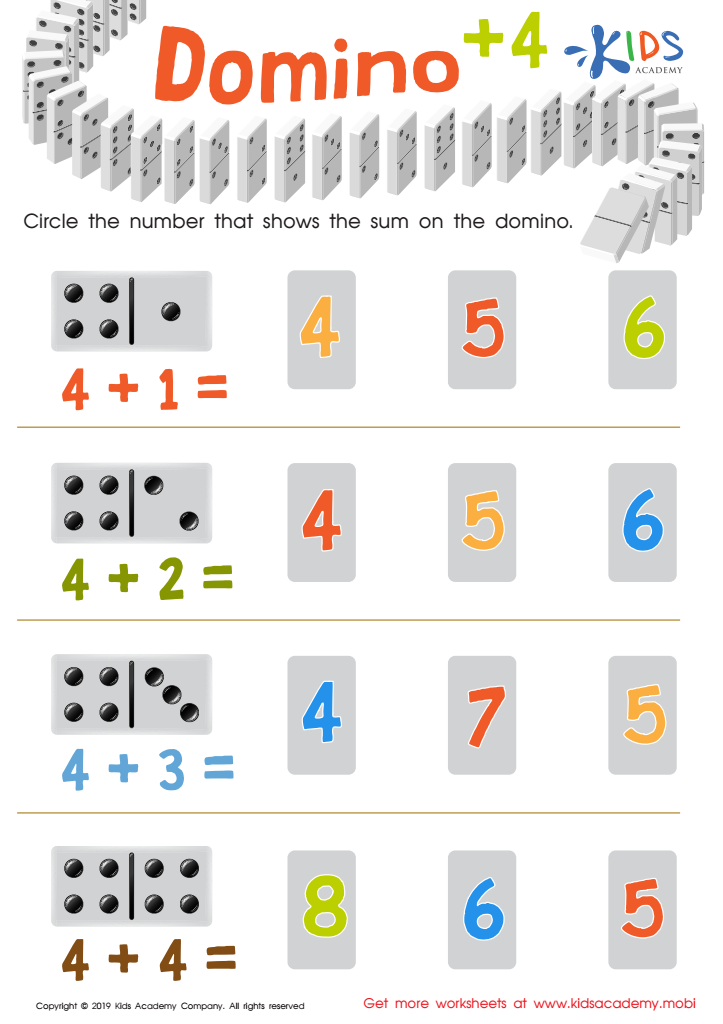
Domino +4 Worksheet
Domino +4 Worksheet

Domino +4 Worksheet

Ask your kids if they know what a domino is. Explain, then move on to solving the four simple equations on this printout, adding a number to 4. Help them find the sum and circle the number.
Domino +4 Worksheet
Worksheet
Flags and Fours Worksheet


Flags and Fours Worksheet

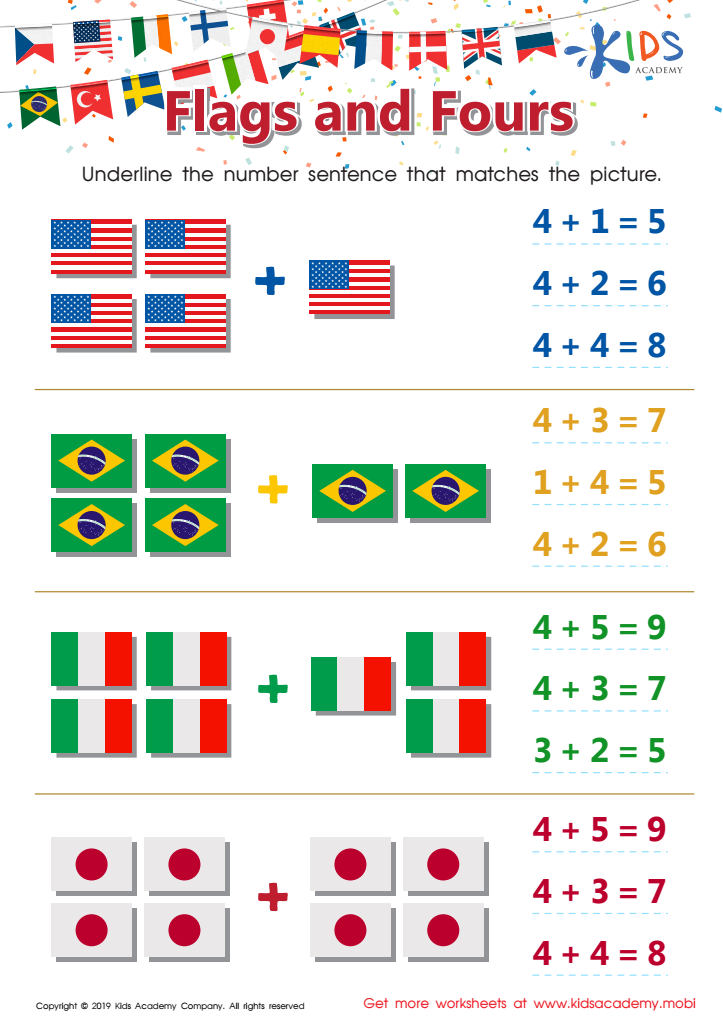
Have your kids identify country flags from this colorful printout. Then, ask them to underline the number sentence that goes with each flag. Combining math with national flag recognition strengthens kids' knowledge of both, promoting an understanding of identity and numbers.
Flags and Fours Worksheet
Worksheet


Problem-solving skills and addition facts form the foundation for early mathematical development in children ages 3-4, which is crucial for their overall cognitive growth. Parents and teachers should care about these skills for several reasons. Firstly, the ability to solve problems fosters critical thinking and logical reasoning. When children engage in basic addition through playful activities, they learn to recognize patterns, make connections, and develop reasoning abilities—all fundamental competencies they will carry into later grades.

Moreover, introducing addition facts at this young age in an enjoyable and interactive manner helps demystify numbers and shapes a positive attitude towards math. Children who are encouraged to explore mathematical concepts in engaging ways often develop greater confidence in their abilities, which can translate to higher levels of achievement as they progress in school.

Additionally, early exposure to addition facts helps lay the groundwork for more complex mathematical concepts in the future. It creates a robust framework for understanding number relationships and enhances their ability to follow multi-step instructions or solve everyday problems. Overall, promoting problem-solving and addition facts in preschoolers empowers them with essential skills needed not only in academia but in real-life situations, supporting a balanced approach to their early education.