Basic Math Skills Addition & Subtraction Worksheets for Ages 3-4 - Page 2
39 filtered results
-
From - To
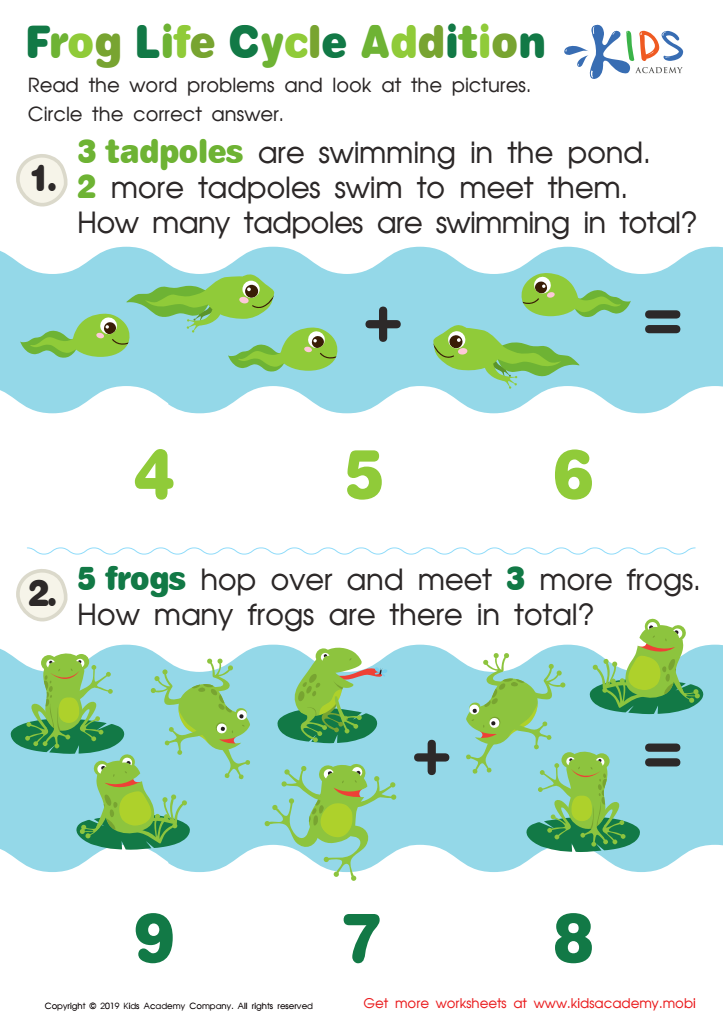
Frog Life Cycle Addition Worksheet
 Assign to My Students
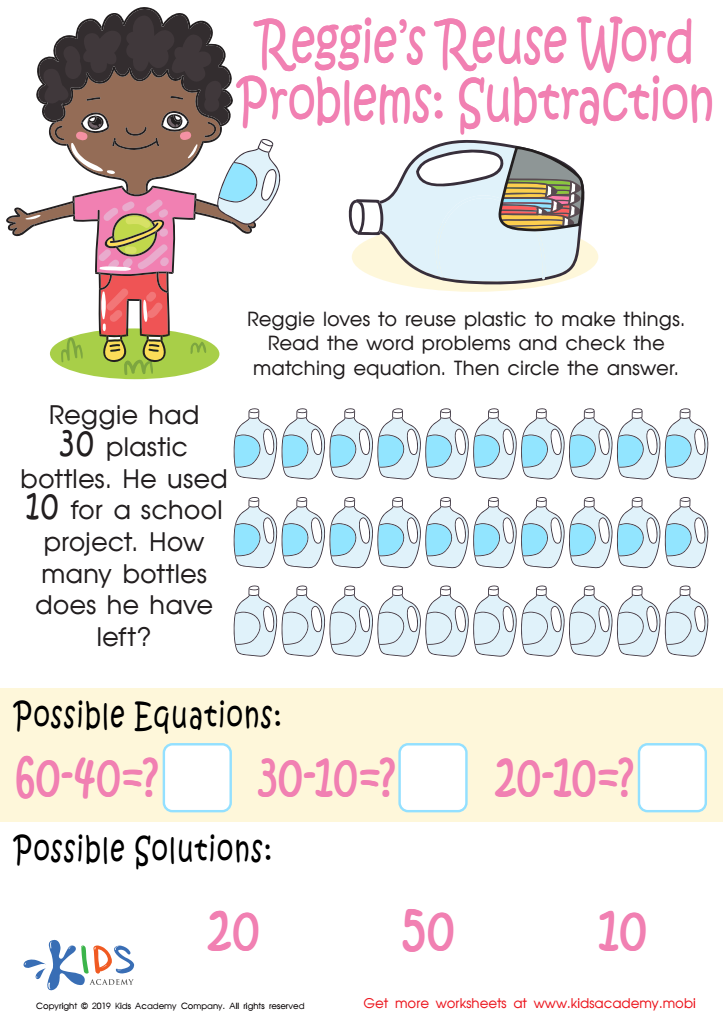
Reggie's Reuse Word Problems: Subtraction Worksheet
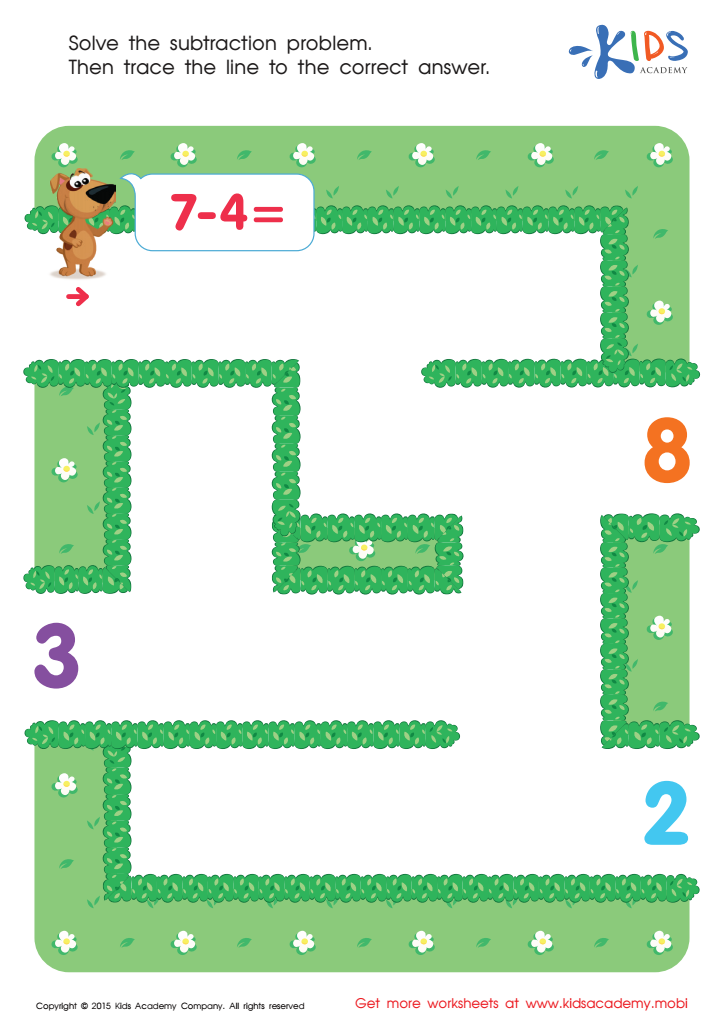
Subtraction Seven Minus Four Worksheet
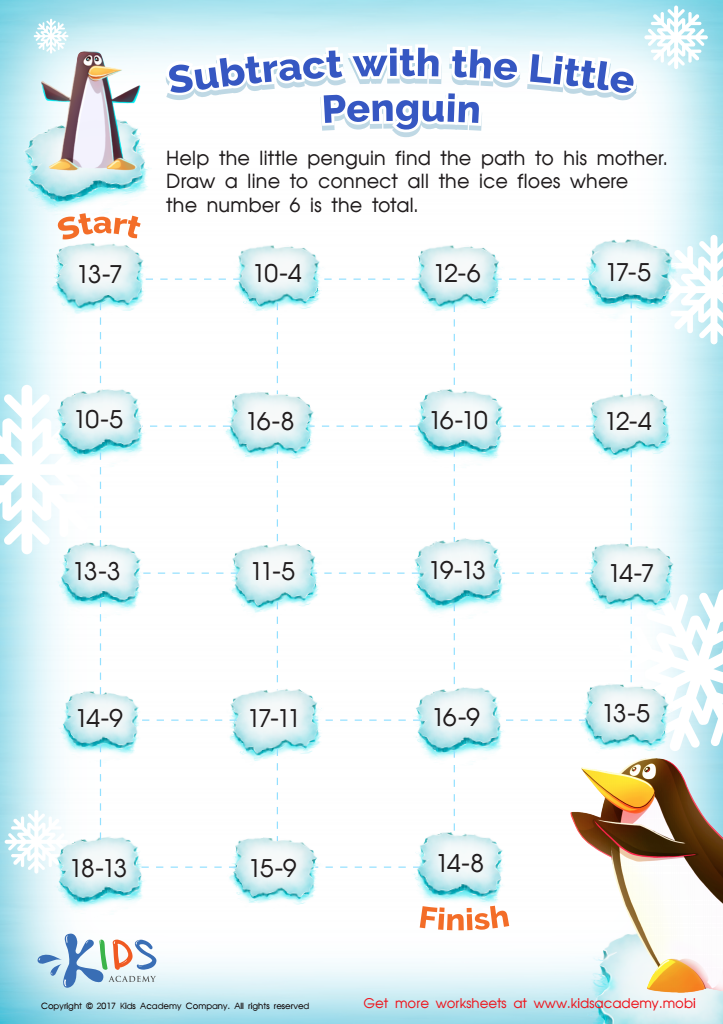
Subtract With The Little Penguin Substraction Worksheet
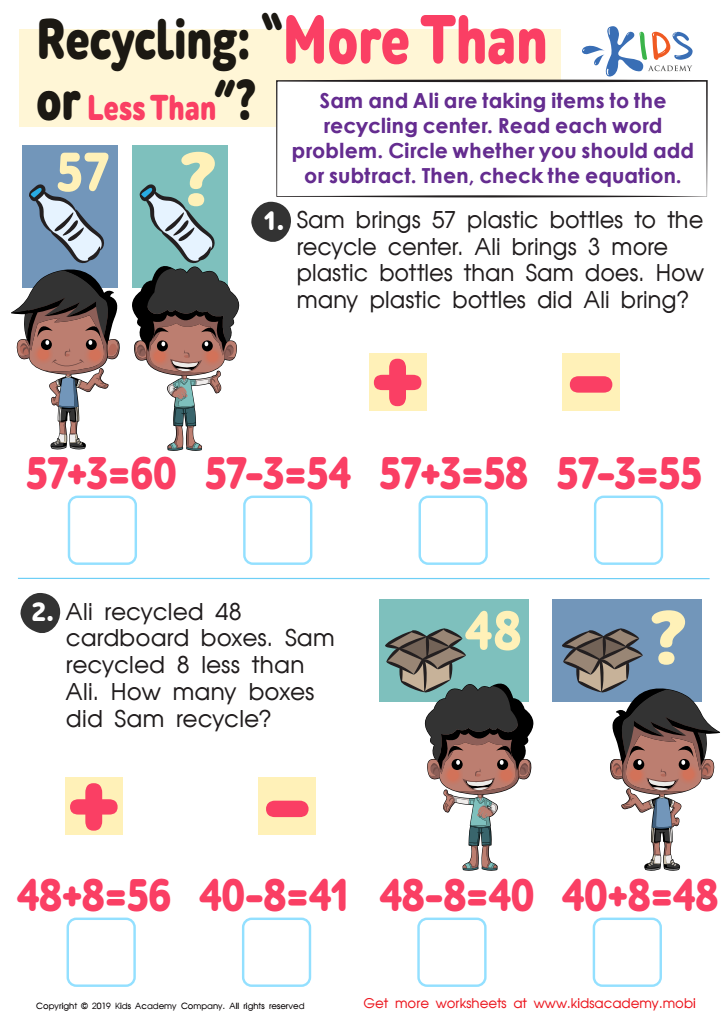
Recycling - More or Less Worksheet
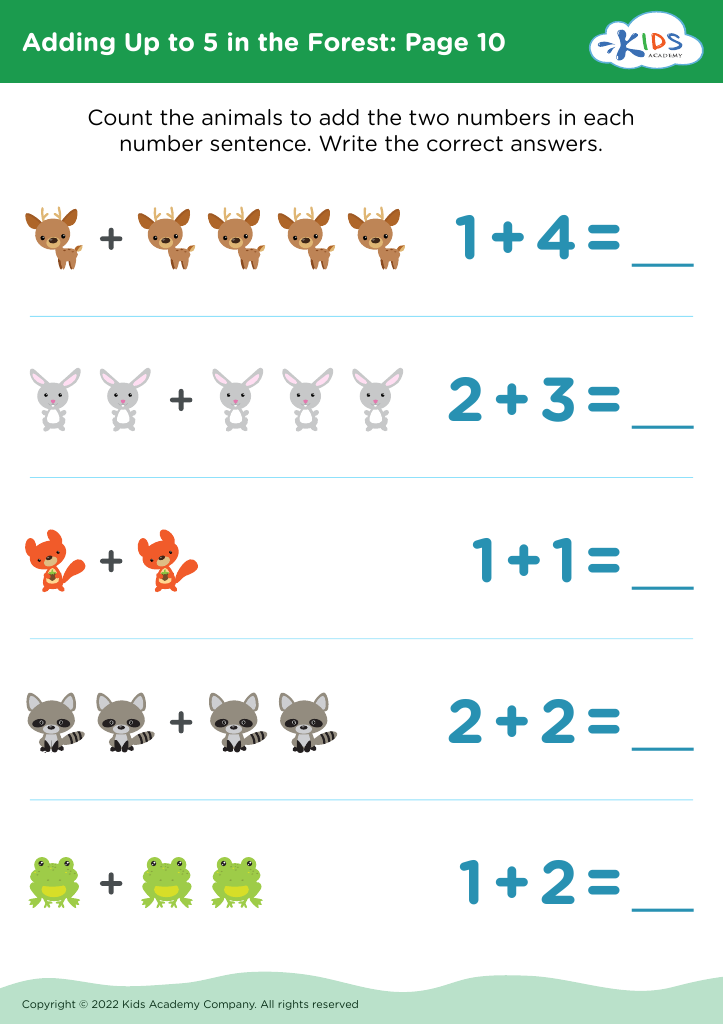
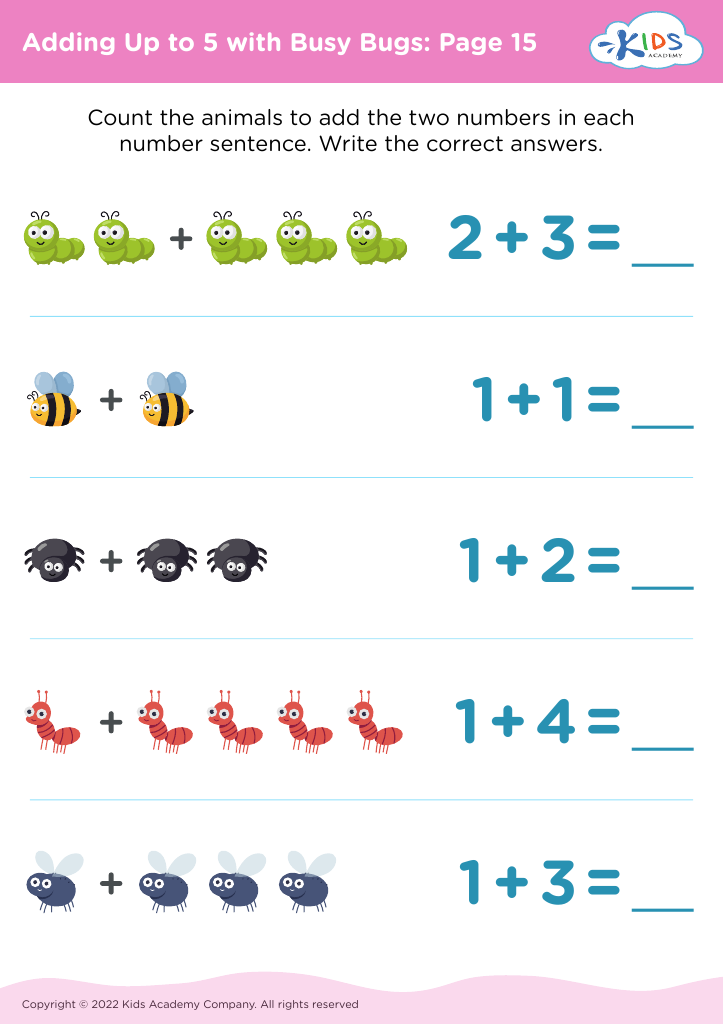








Parents and teachers should prioritize basic math skills like addition and subtraction for children aged 3-4 because these foundational skills are crucial for their overall cognitive development. At this age, math is not just about numbers; it shapes the way children perceive and interact with the world. Developing these skills early fosters critical thinking and problem-solving abilities, which are beneficial across all areas of life and learning.
Introducing concepts of addition and subtraction helps young children understand numerical relationships and quantities, setting the stage for more advanced mathematical thinking. Hands-on activities, such as using blocks or fingers to count and combine, make learning tangible and engaging. This playful approach to math builds confidence and helps dispel any fear or anxiety about the subject from a young age.
Moreover, early mastery of basic math skills helps children develop logical reasoning and improve their capacity to follow multi-step instructions. These skills are vital as they transition into more formal education settings, ensuring they are not left behind when more complex topics are introduced. Additionally, fostering an interest in math from a young age can enhance a child's curiosity and enthusiasm for learning in general, promoting lifelong educational success. Therefore, investing time in teaching these skills early on is both a stepping stone and a safeguard for their future academic journey.








