
Basic Math understanding Addition & Subtraction Worksheets for Ages 3-4
7 filtered results
Difficulty Level
Grade
Age
-
From - To
Subject
Activity
Standards
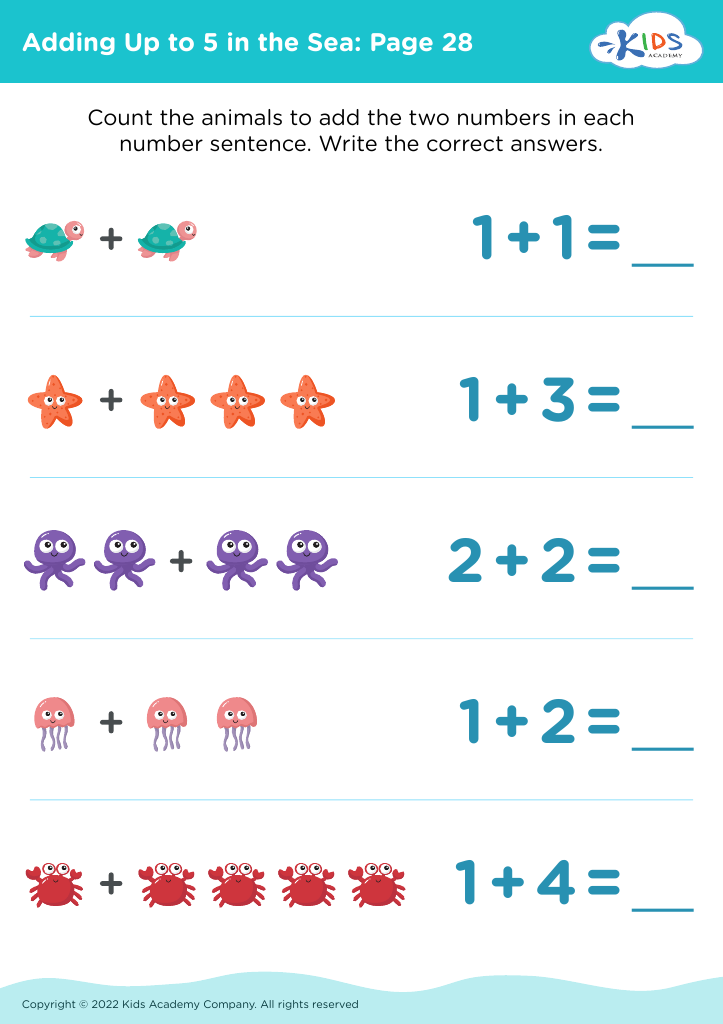
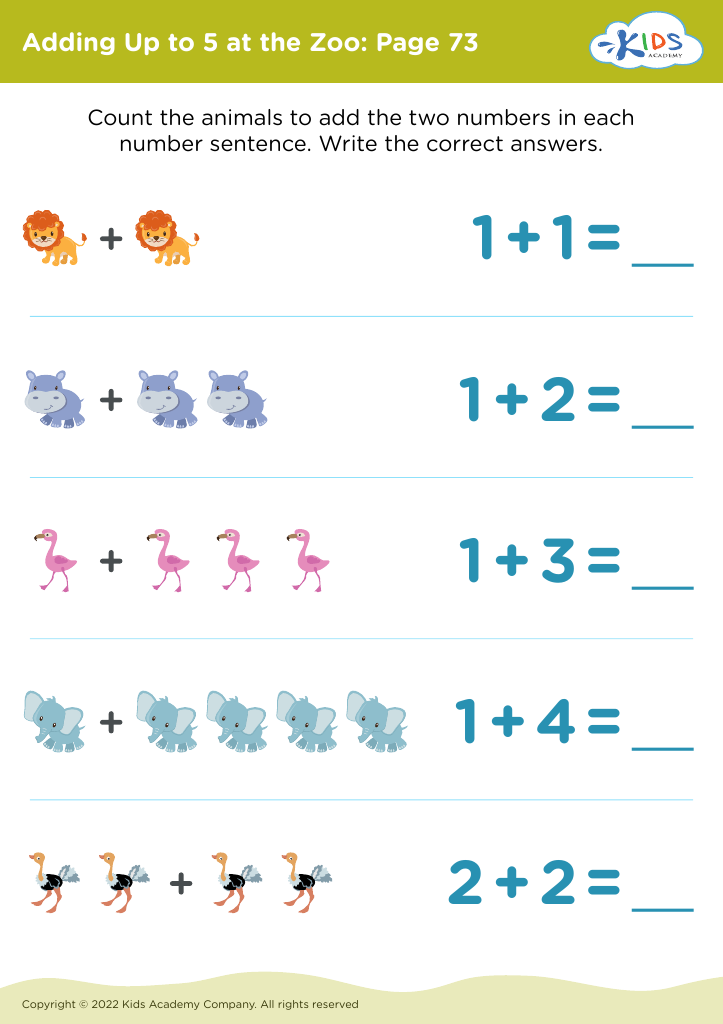
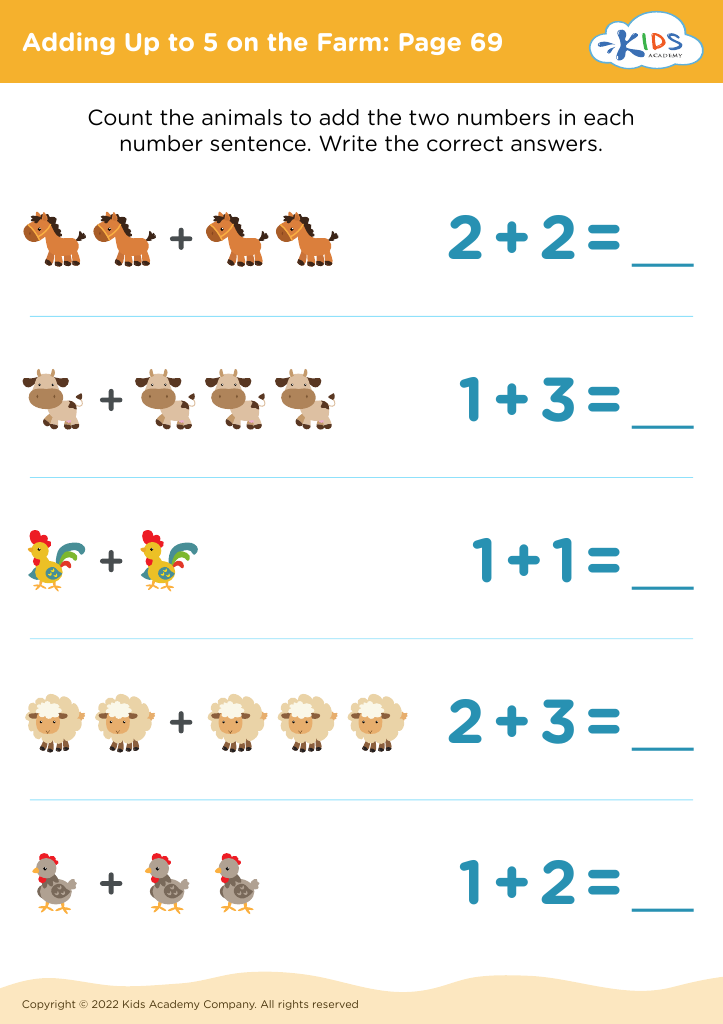
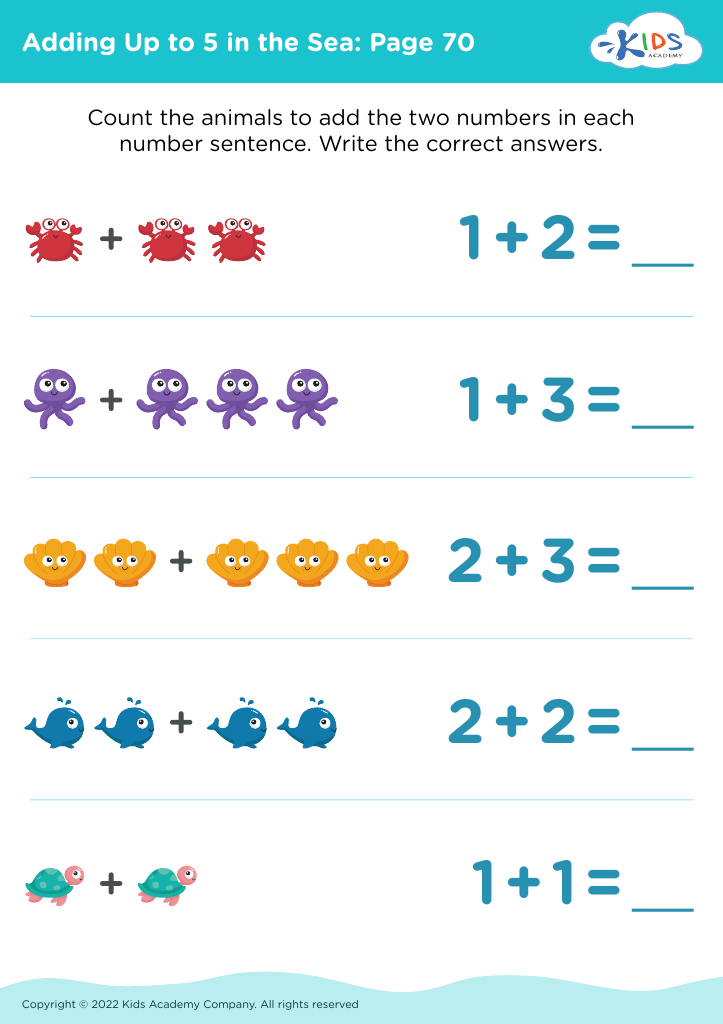
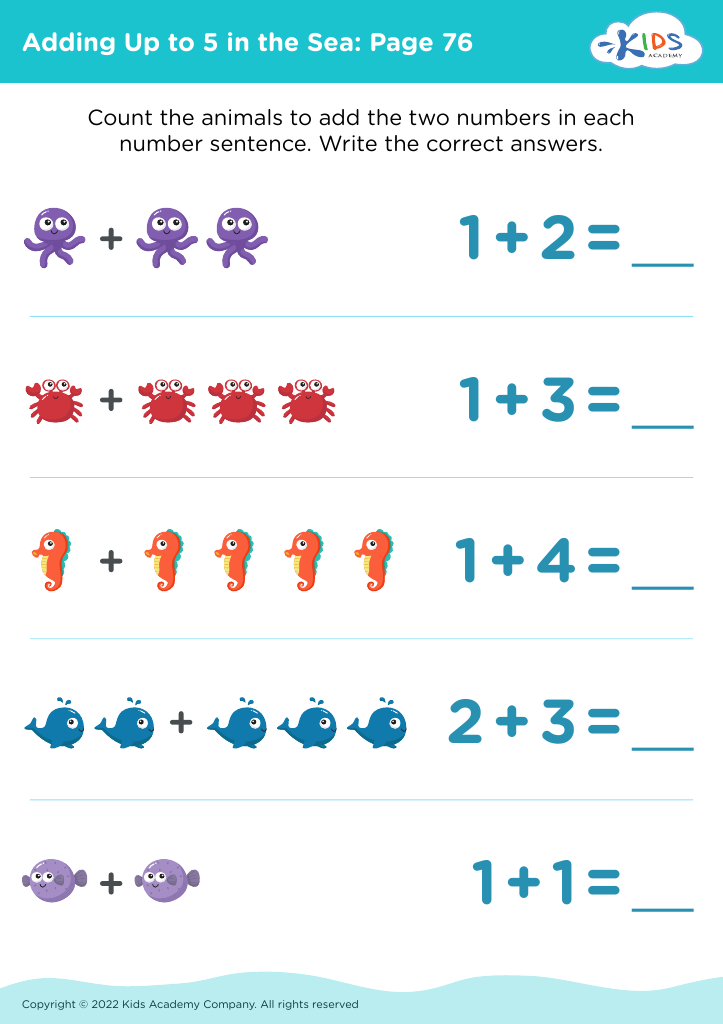
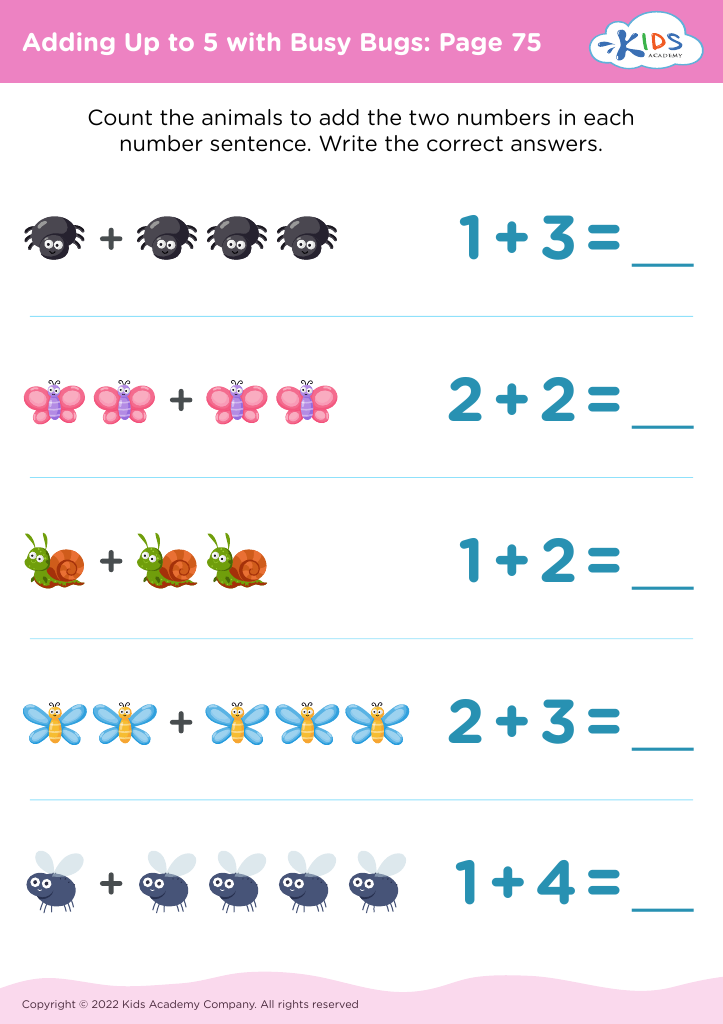
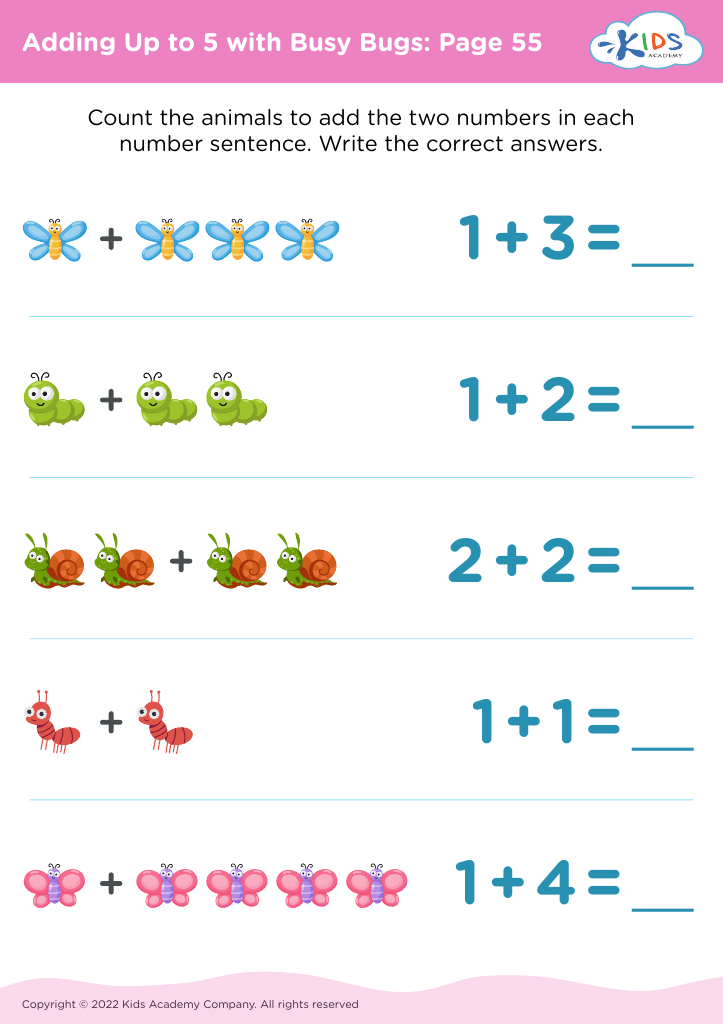
Nurture your child’s early math skills with our Basic Math Understanding Addition & Subtraction Worksheets for ages 3-4. Designed by experts, these fun and engaging worksheets help young learners grasp key concepts through playful exercises and colorful illustrations. Perfect for home use or preschool classrooms, our worksheets encourage hands-on learning and develop strong foundational skills in counting, addition, and subtraction. With easy-to-follow instructions, they are designed to build confidence and foster a love for learning from an early age. Explore our comprehensive collection today and set your child on the path to math success!
Favorites
With answer key
Interactive
Join Kids Academy for Free
Who is primarily going to use this learning content?








Understanding basic math concepts such as addition and subtraction at ages 3-4 is crucial for a child's development for several reasons. First, these foundational skills are essential building blocks for future mathematical learning. Early exposure helps children gain confidence and reduces anxiety around math as they progress in school. This confidence fosters a positive attitude towards learning.
Second, early math skills are linked to various cognitive benefits. Addition and subtraction teach problem-solving, logical thinking, and the ability to recognize patterns and relationships among numbers. These cognitive skills are transferable to other areas of learning, impacting overall academic performance.
Moreover, integrating math into everyday activities can make learning fun and meaningful for young children. Simple activities like counting toys, adding up objects during playtime, or subtracting food items during snack time make abstract concepts tangible and engaging.
Emotional development is also supported, as children experience a sense of accomplishment when they solve math problems successfully. This boosts their self-esteem and encourages a love for learning.
Lastly, parental and teacher involvement in teaching these skills provides children with a supportive learning environment. This collaboration ensures children receive consistent reinforcement of concepts and personalized attention, catering to individual learning paces and needs. Being proactive about early math skills sets a strong foundation for a child’s lifelong academic journey.








