Color Identification Addition & Subtraction Worksheets for Ages 3-4
4 filtered results
-
From - To
Introduce your little ones to the world of math with our Color Identification Addition & Subtraction Worksheets for Ages 3-4! These engaging worksheets make learning fun by combining essential math concepts with vibrant color recognition activities. Perfect for early learners, the worksheets encourage critical thinking as children solve simple addition and subtraction problems while identifying and coloring various objects. Each activity promotes fine motor skills and cognitive development, helping to lay a strong foundation in math. Download and print these stimulating worksheets today to spark your child's curiosity and create a joyful learning experience that blends color and numbers seamlessly!
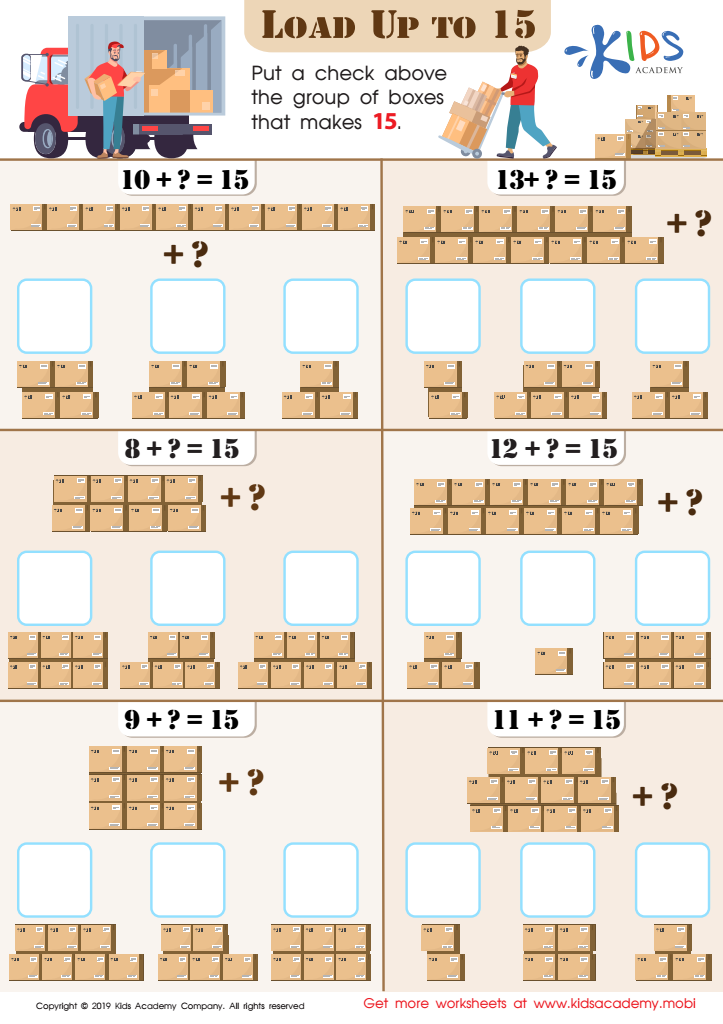
Load up to 15 Worksheet
 Assign to My Students
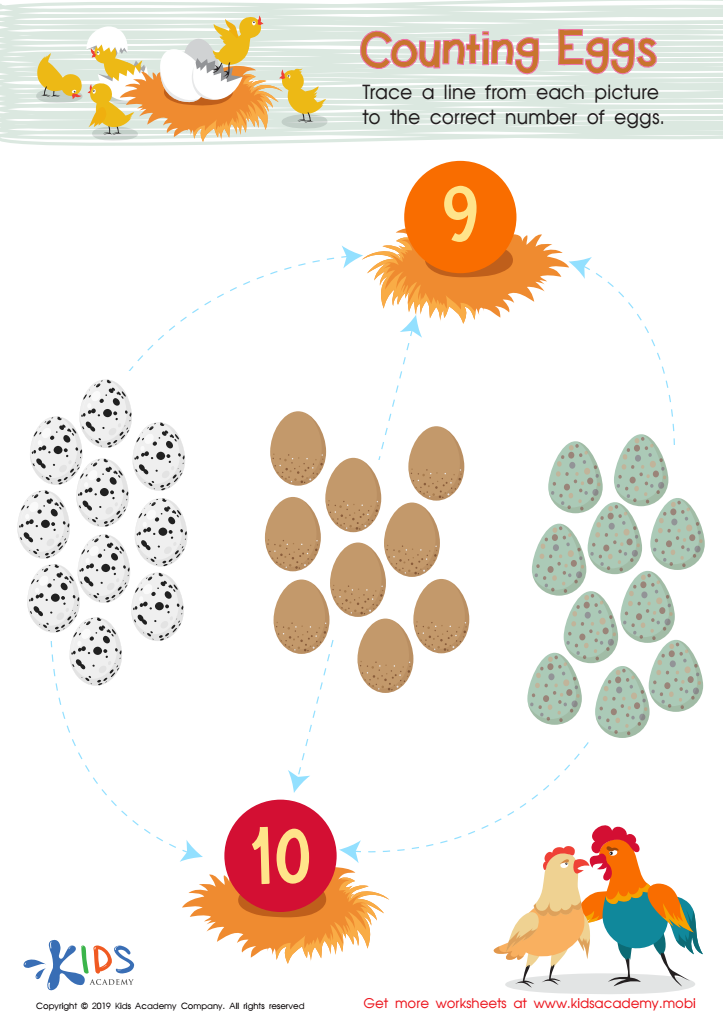
Counting Eggs Worksheet
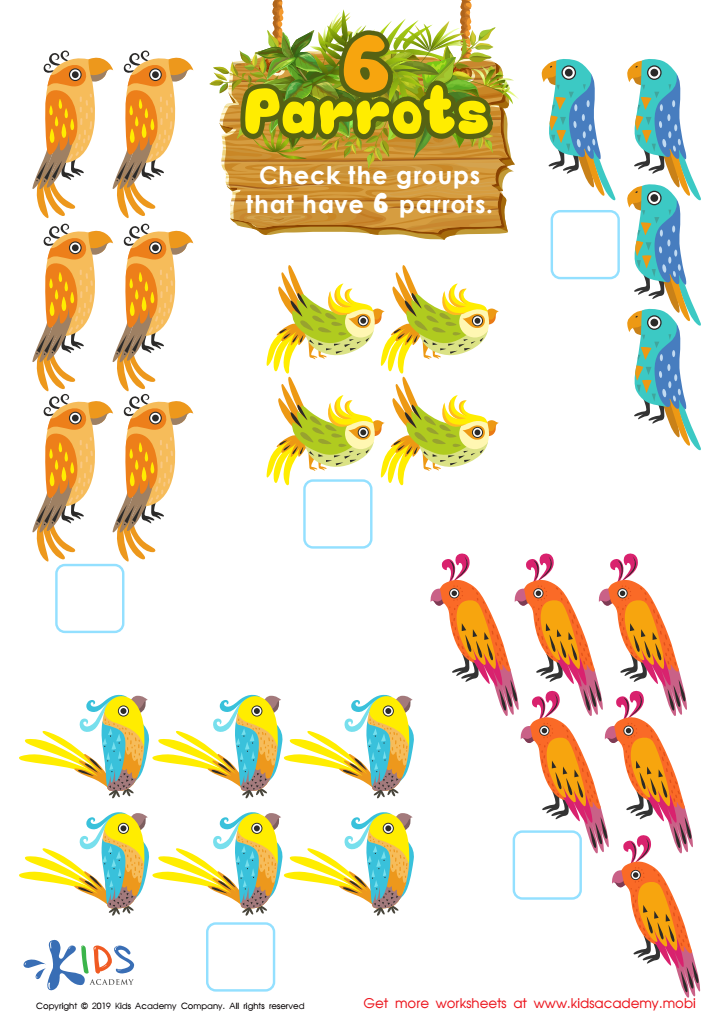
6 Parrots Worksheet
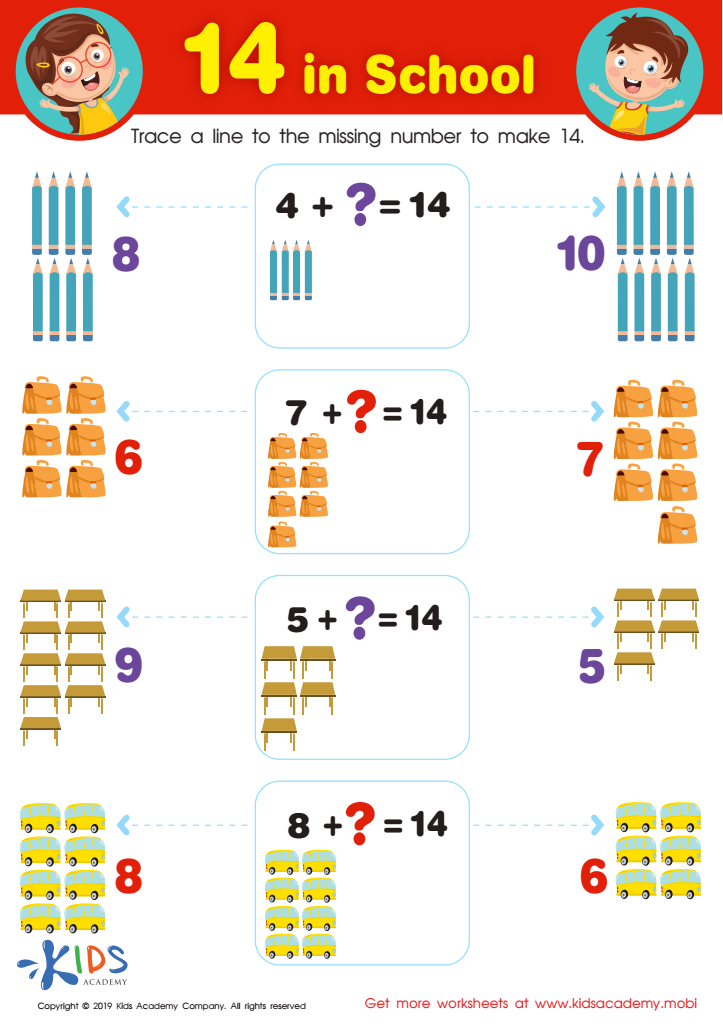
14 in School Worksheet








Color identification, alongside basic addition and subtraction for children aged 3-4, is crucial for early cognitive development. At this age, children are naturally curious and eager to learn, making it the perfect time to engage them in foundational concepts. By introducing color recognition, children enhance their visual perception skills, which are vital for identifying and distinguishing different objects in their environment.
Integrating color with addition and subtraction reinforces mathematical understanding in a fun, engaging way. For instance, teachers and parents can use colorful objects—like blocks or toys—to demonstrate simple math problems visually. This approach not only makes learning enjoyable but also helps children grasp abstract math concepts through tangible, relatable items.
Moreover, these activities foster critical thinking and problem-solving skills. As children learn to count and categorize by color, they develop the ability to make connections between different ideas, which is essential for more advanced learning later on. Ultimately, engaging children in color identification and basic math promotes holistic development—combining cognitive skills with creativity, all while laying a strong foundation in mathematics, which can lead to future academic success. Therefore, parents and teachers should prioritize these activities in their educational approach for this age group.








