Fine motor skills (drawing lines) Addition & Subtraction Worksheets for Ages 3-4
3 filtered results
-
From - To
Explore our engaging Fine Motor Skills Worksheets designed for children ages 3-4, focusing on drawing lines to enhance addition and subtraction skills. These worksheets uniquely combine foundational math concepts with fun drawing activities, fostering both numerical understanding and fine motor development. Kids will love tracing and creating lines, helping them improve their hand-eye coordination and pencil control. By integrating playful exercises with early math practice, our resources make learning enjoyable and effective. Perfect for home and classroom use, these worksheets are an excellent way to support your child's readiness for more advanced learning while building essential skills. Download and start learning today!
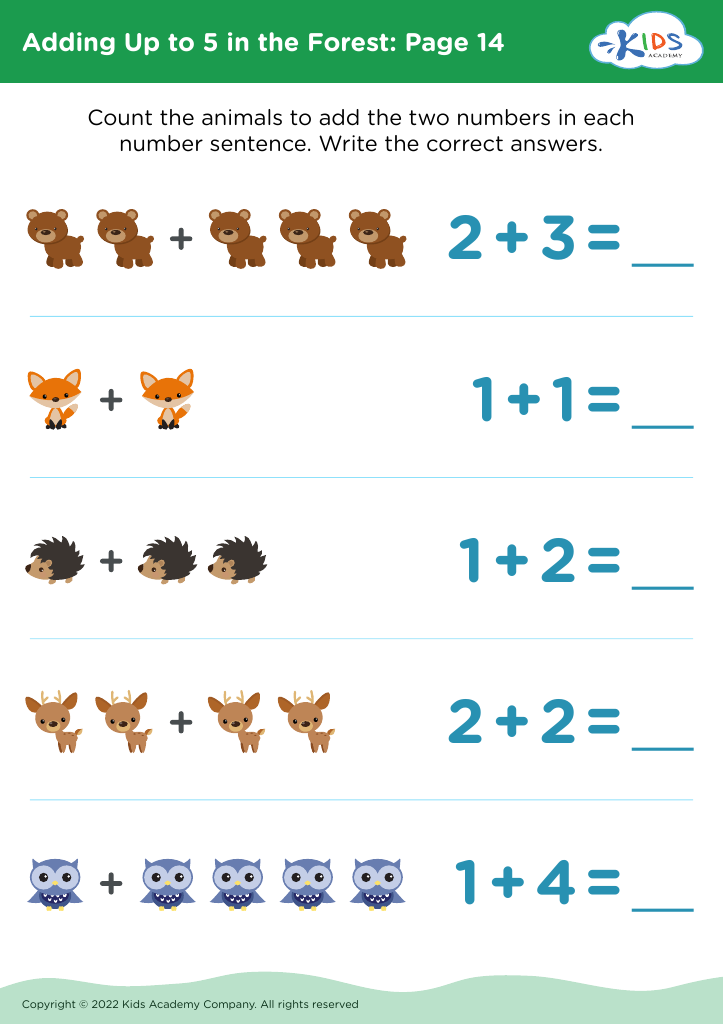
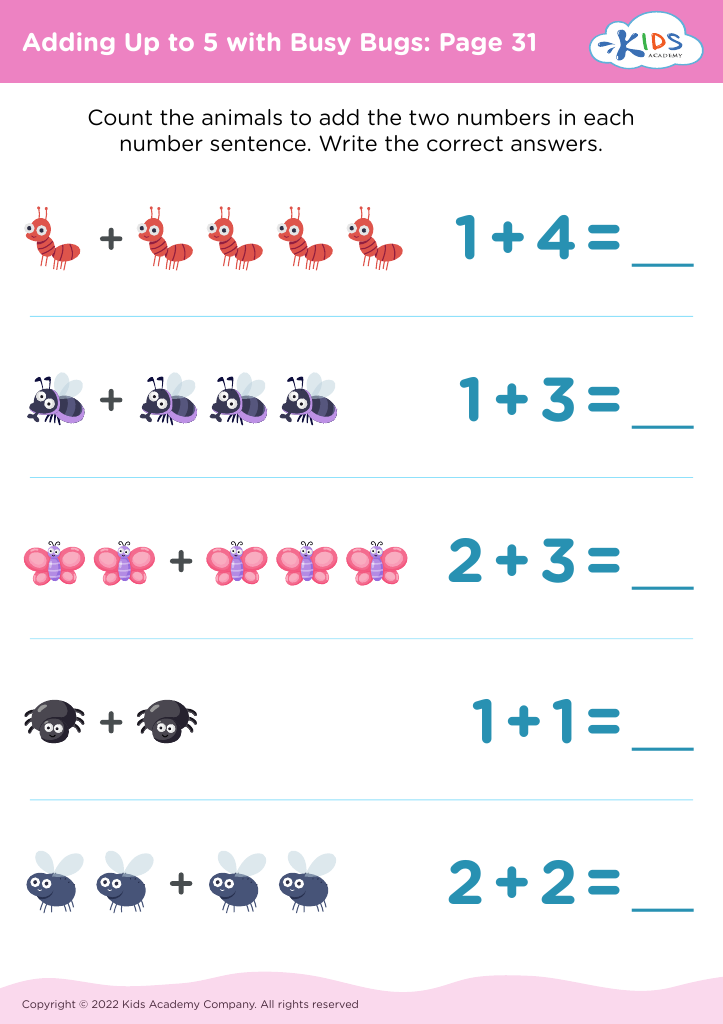
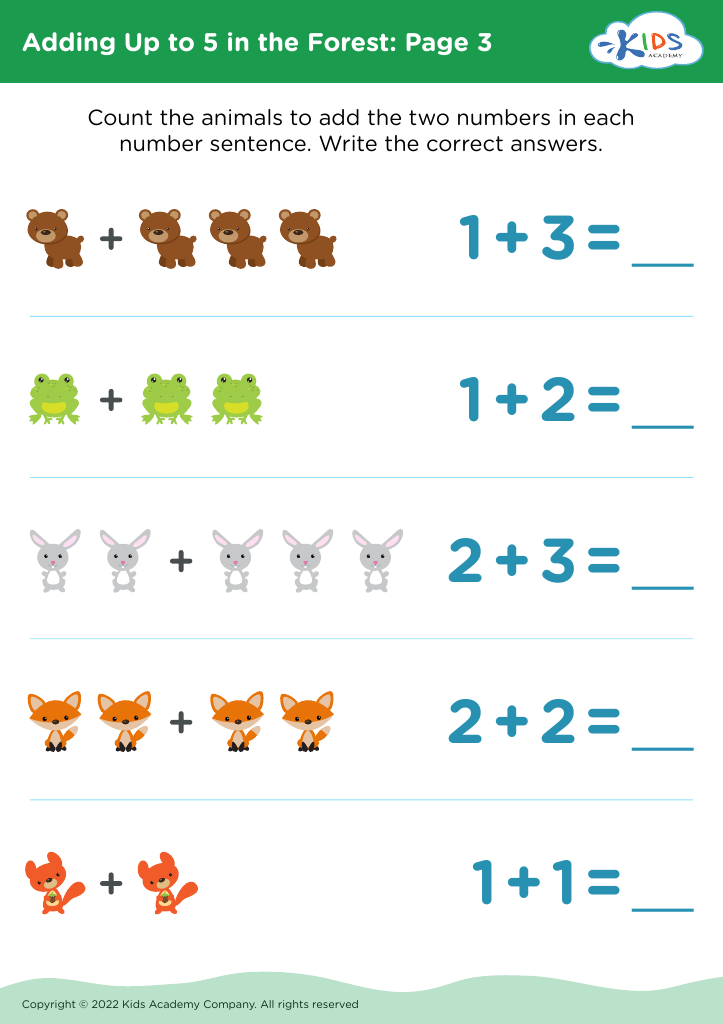








Fine motor skills, such as drawing lines, are crucial for children aged 3-4 as they form the foundation for future learning and development. These skills involve the coordinated use of small muscles in the hands and fingers, enabling kids to perform tasks like writing, grasping objects, and using tools. Fine motor activities, such as drawing lines, enhance hand-eye coordination, dexterity, and control, all of which are essential for later skills in math, arts, and everyday tasks.
Moreover, early exposure to basic addition and subtraction concepts helps children develop critical cognitive skills. Engaging with these mathematical ideas fosters numerical understanding and problem-solving abilities. By incorporating fine motor skills during math activities—like using crayons to draw lines to represent numbers—children simultaneously refine their dexterity while grasping essential arithmetic concepts.
When parents and teachers support the development of fine motor skills alongside early math, they ensure a well-rounded approach to learning. This combination not only enhances children's academic skills but also builds their confidence and independence. Ultimately, investing time and attention to these foundational abilities lays the groundwork for future success in both school and life.








