Understanding number values Addition & Subtraction Worksheets for Ages 3-4
3 filtered results
-
From - To
Welcome to our "Understanding Number Values: Addition & Subtraction Worksheets" for children ages 3-4! These engaging and interactive worksheets are designed to help little learners grasp foundational math concepts through colorful visuals and fun activities. Kids will explore number values, enhance their counting skills, and develop a strong base for addition and subtraction while enjoying play-based learning. Our worksheets promote critical thinking and problem-solving abilities, making math a delightful experience. Perfect for parents and educators, they can be easily integrated into home activities or classroom lessons, fostering a love for math from an early age. Let’s make math fun together!
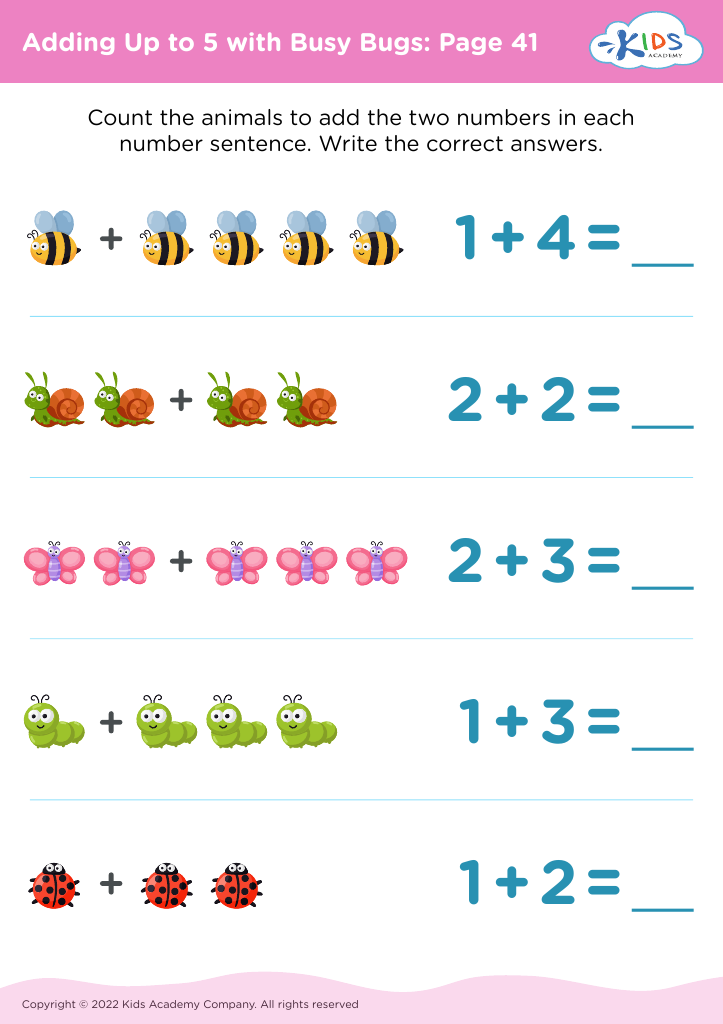
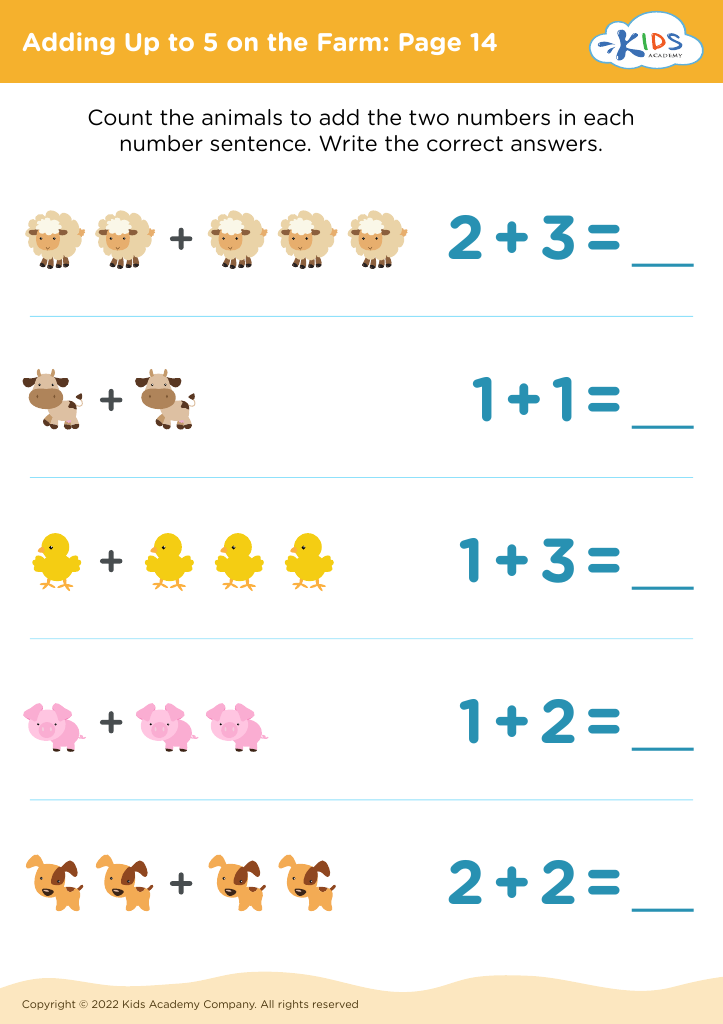
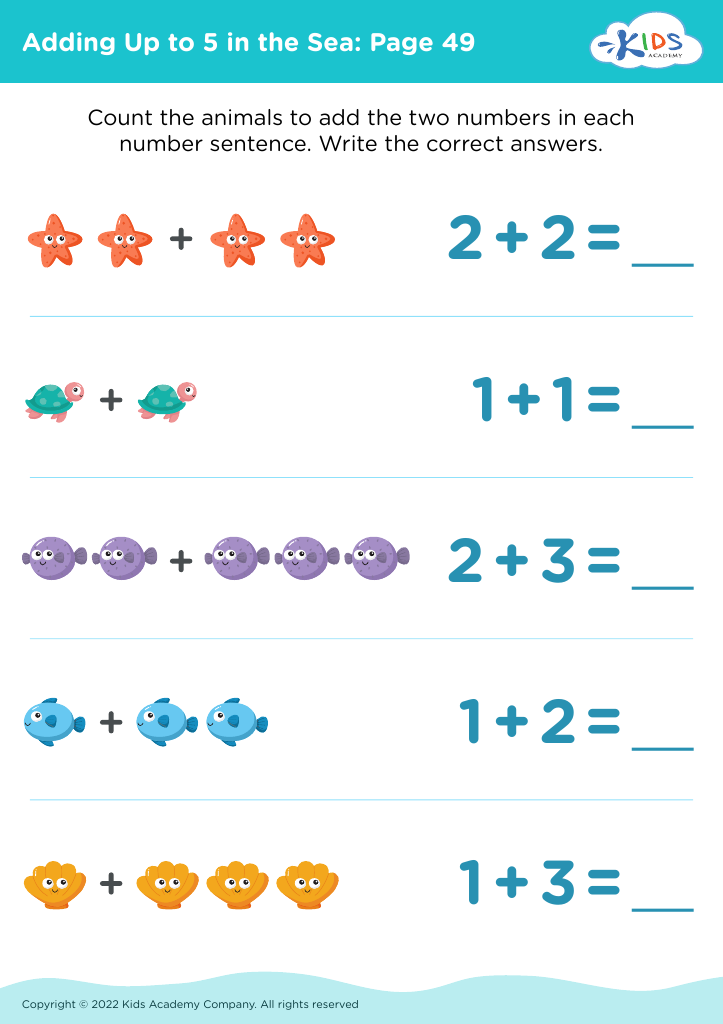








Understanding number values and mastering basic addition and subtraction are foundational skills for young learners aged 3-4. Parents and teachers should prioritize these concepts as they form the building blocks for future mathematical learning. At this age, children possess a remarkable capacity for absorbing new information, making it an ideal time to introduce number recognition and arithmetic.
First, gaining a grasp of number values enhances cognitive development by promoting critical thinking and problem-solving skills. When young children engage with addition and subtraction through tangible experiences—like counting toys, sharing snacks, or using visual aids—they develop a deeper understanding of these concepts.
Additionally, early exposure to math promotes confidence; children who are comfortable with number values and basic operations are more likely to enjoy math as they progress academically. Beyond merely academic success, these skills foster perseverance and resilience as children learn to approach challenges with a problem-solving mindset.
Lastly, establishing a solid numeric foundation nurtures future learning in STEM (Science, Technology, Engineering, and Mathematics) fields, essential in our increasingly tech-driven world. By supporting understanding of number values and basic arithmetic at this tender age, parents and teachers lay the groundwork for lifelong mathematical proficiency and overall learning success.








