Understanding Quantities Addition & Subtraction Worksheets for Ages 3-4 - Page 2
40 filtered results
-
From - To
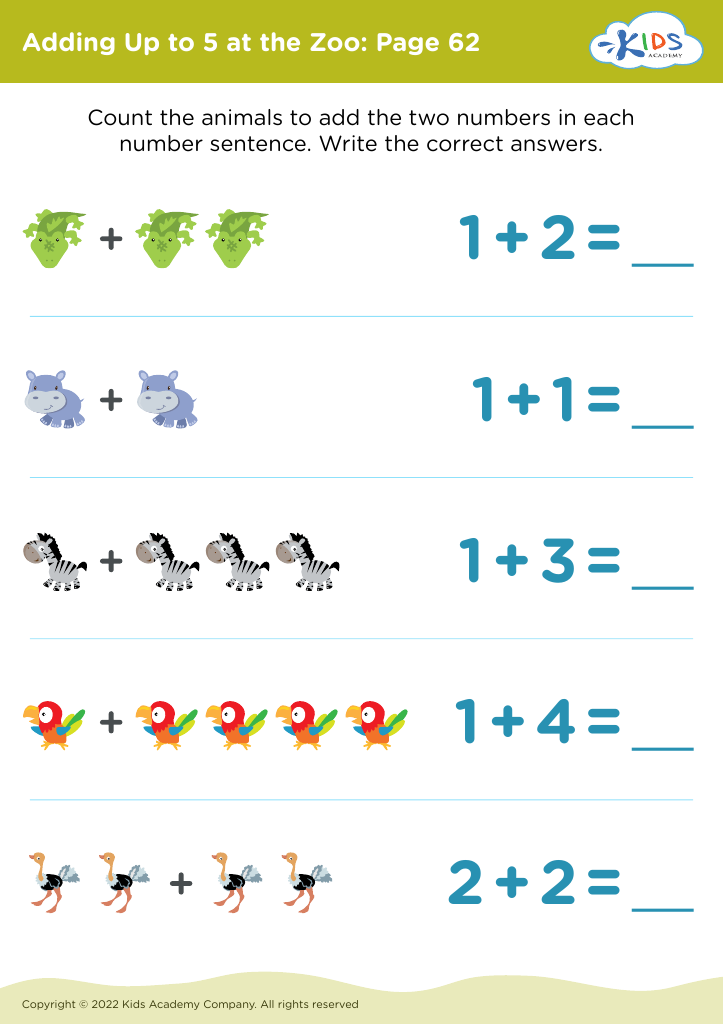
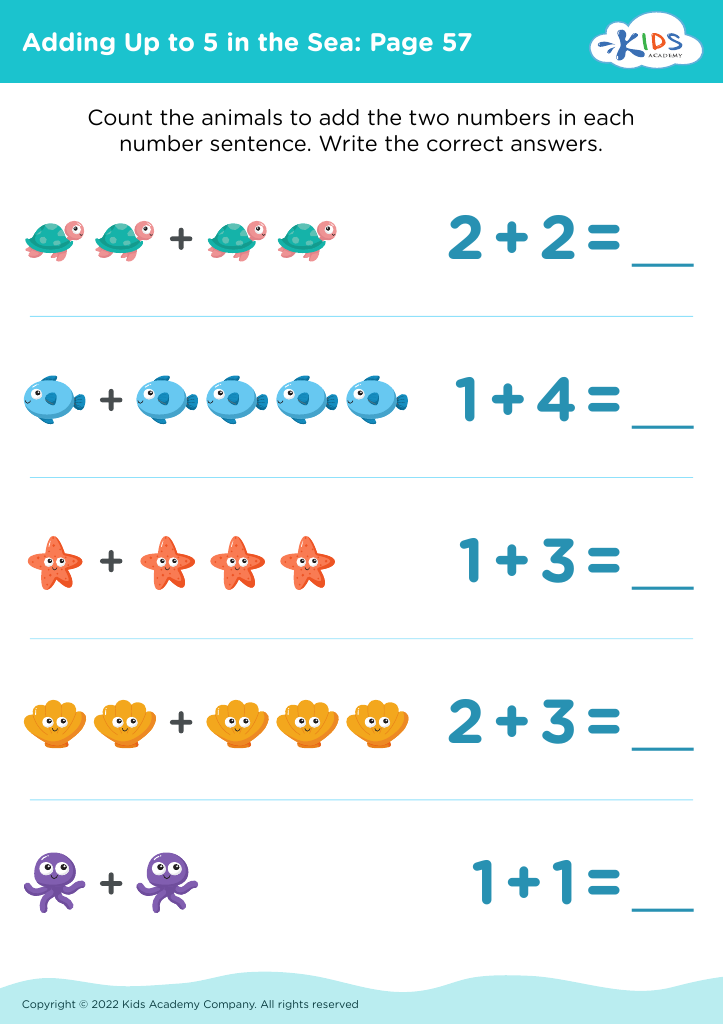
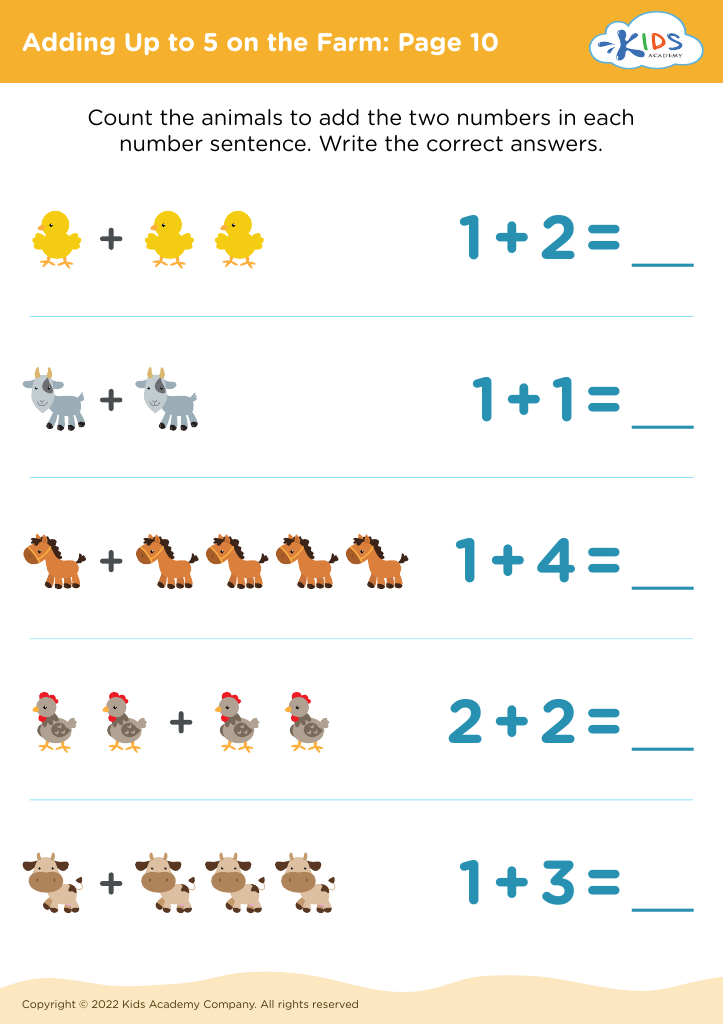
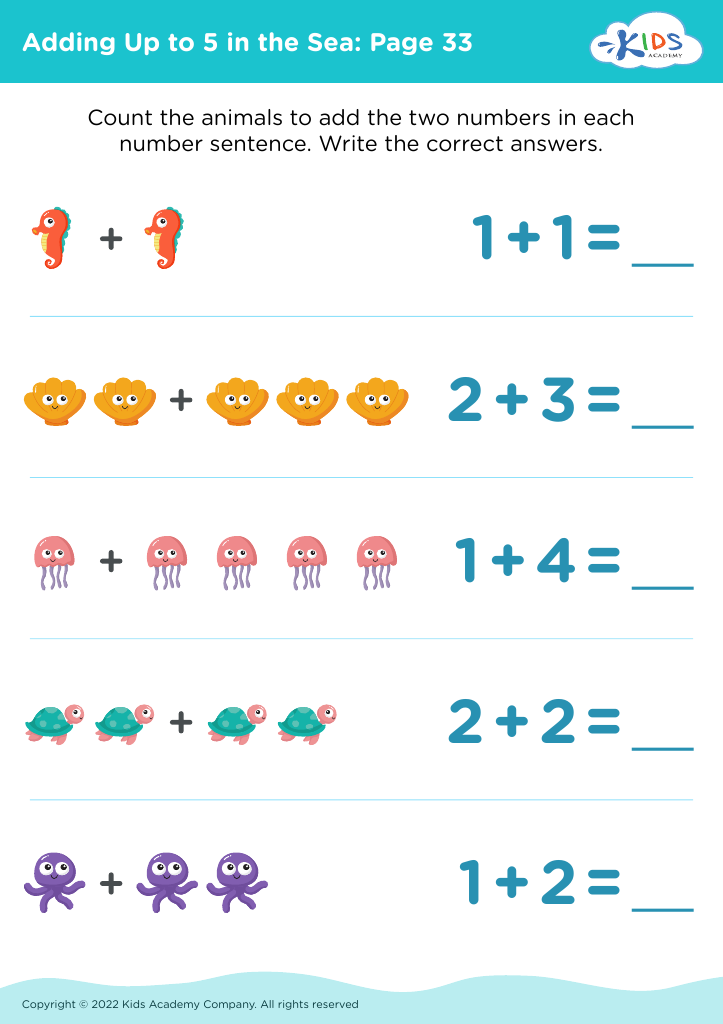
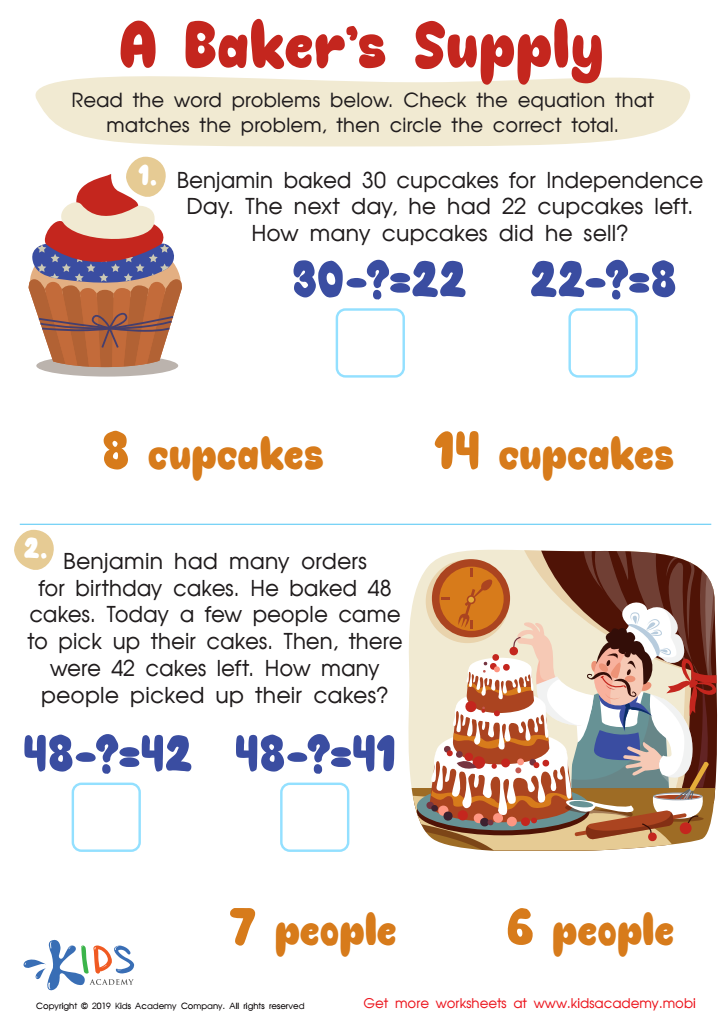
A Baker's Supply Worksheet
 Assign to My Students
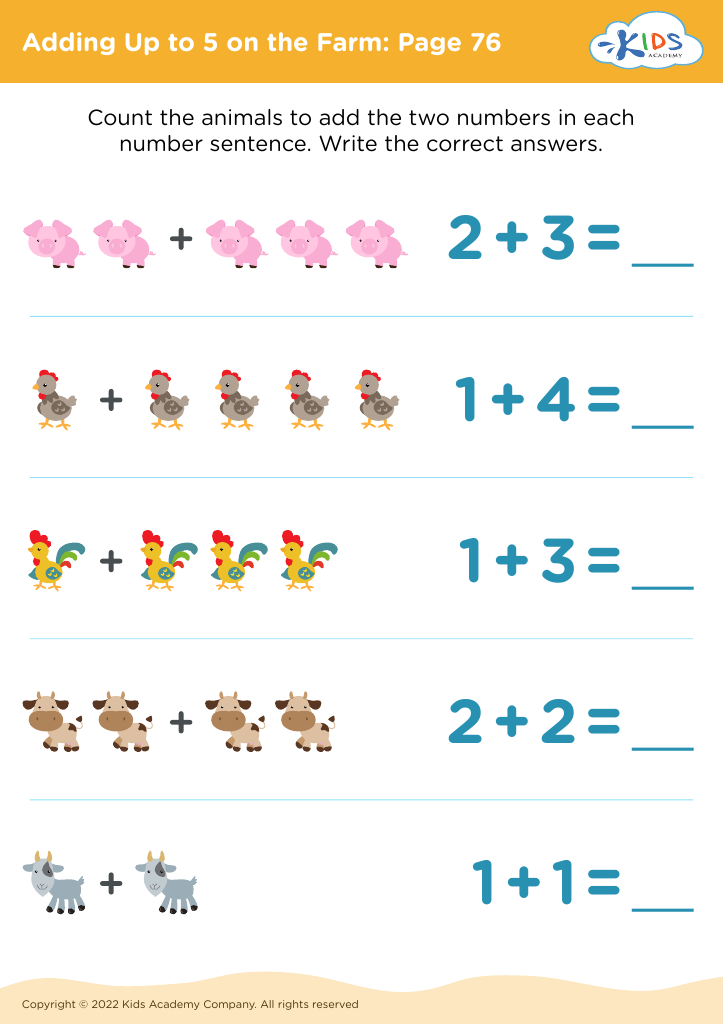
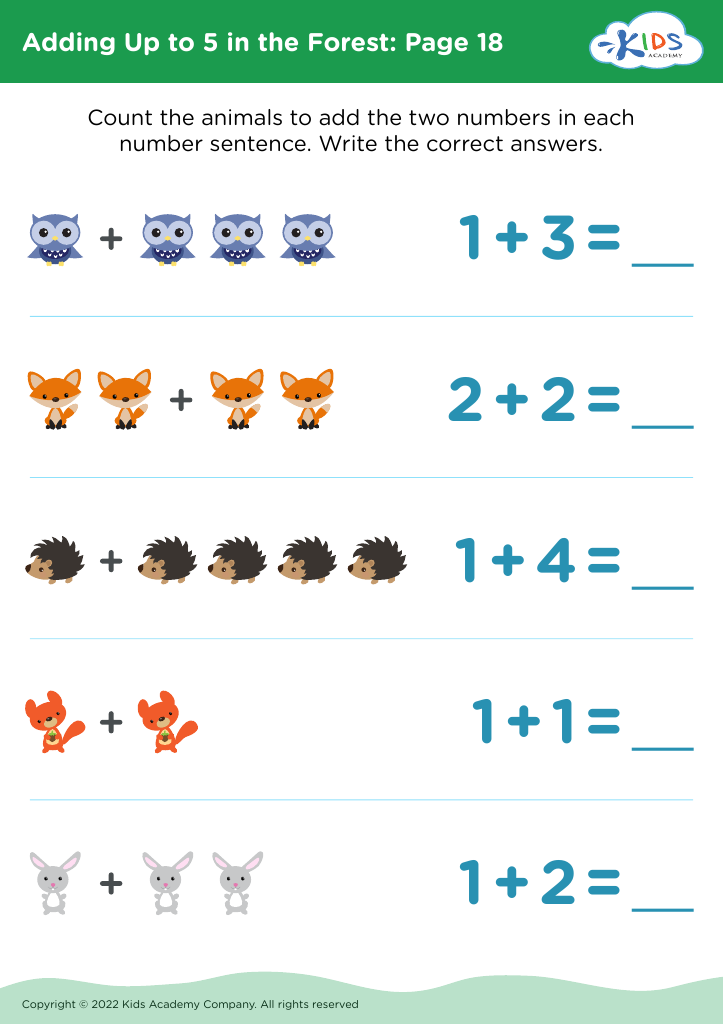
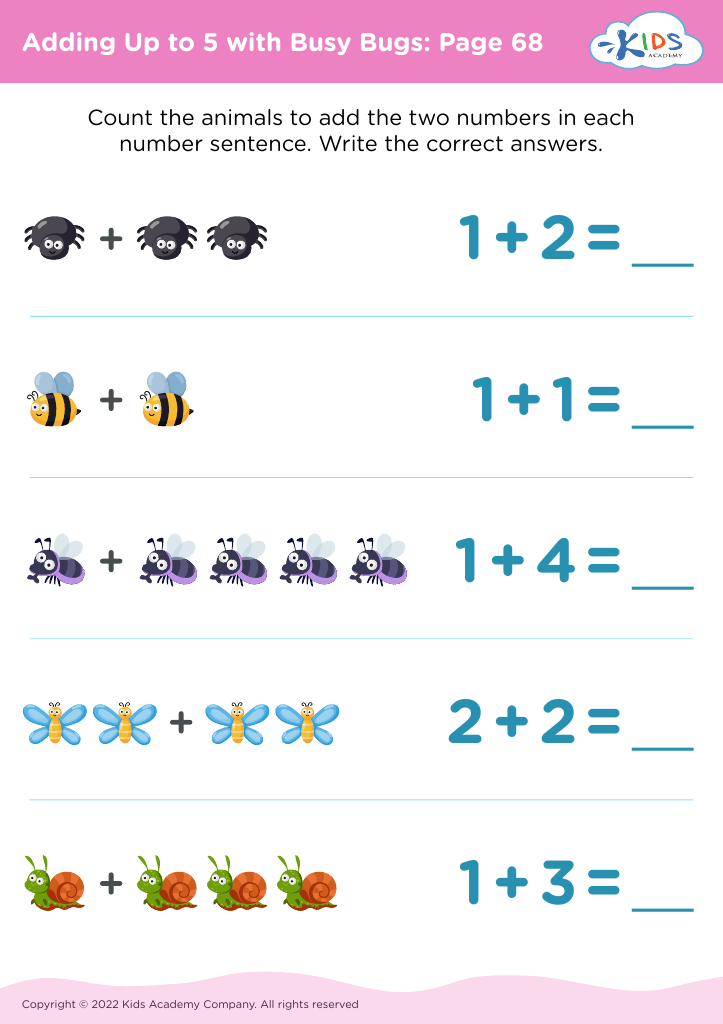
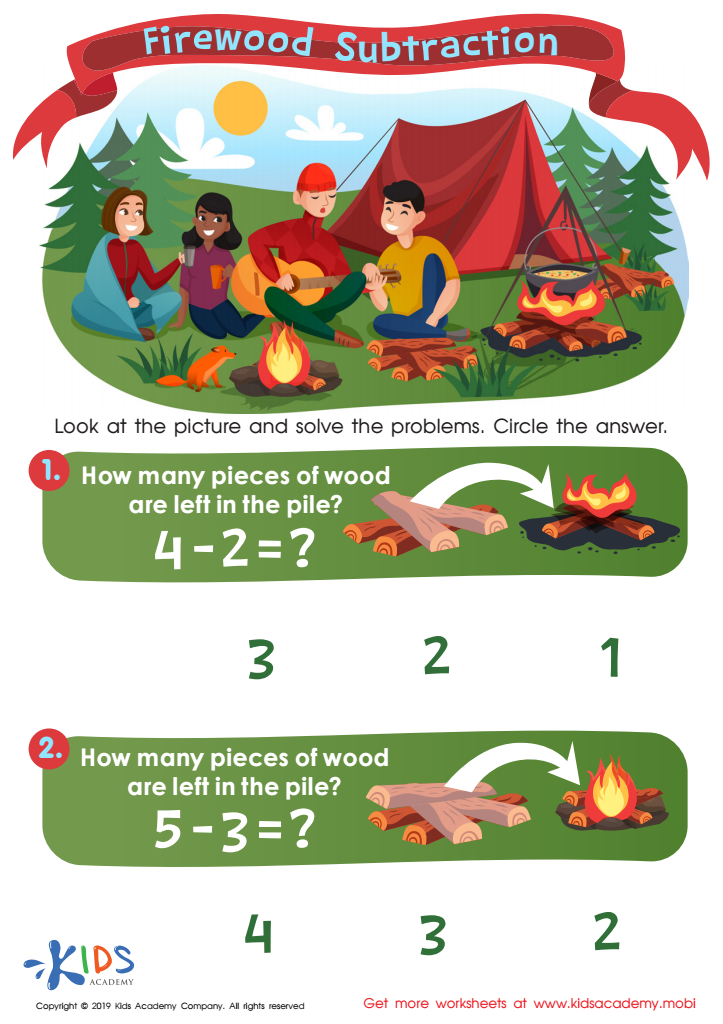
Firewood Subtraction Worksheet
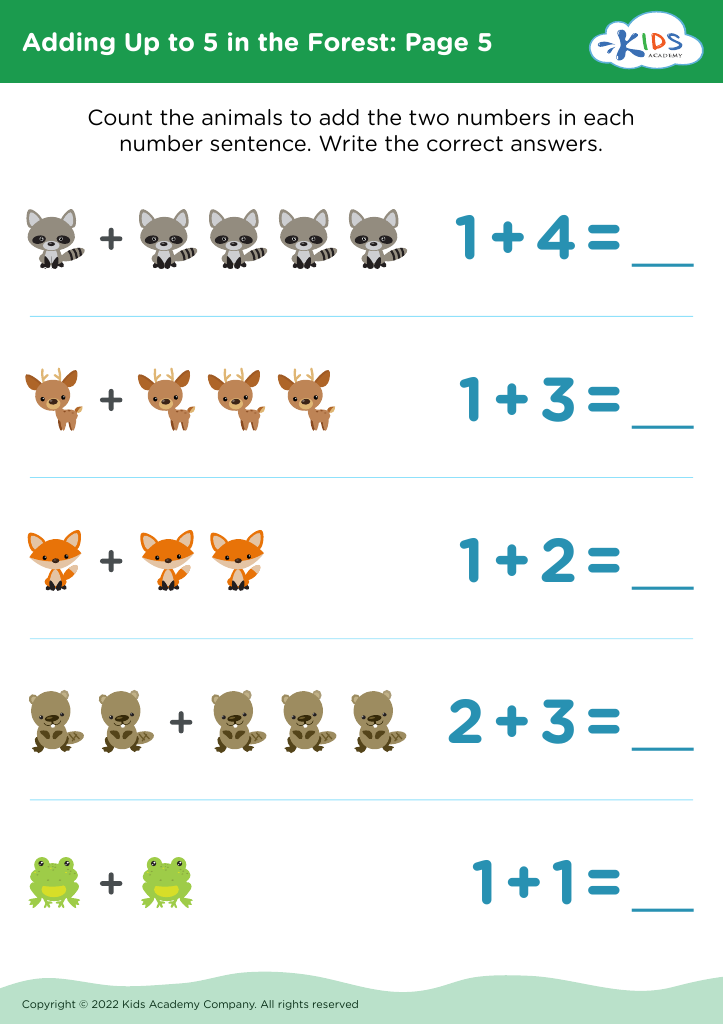
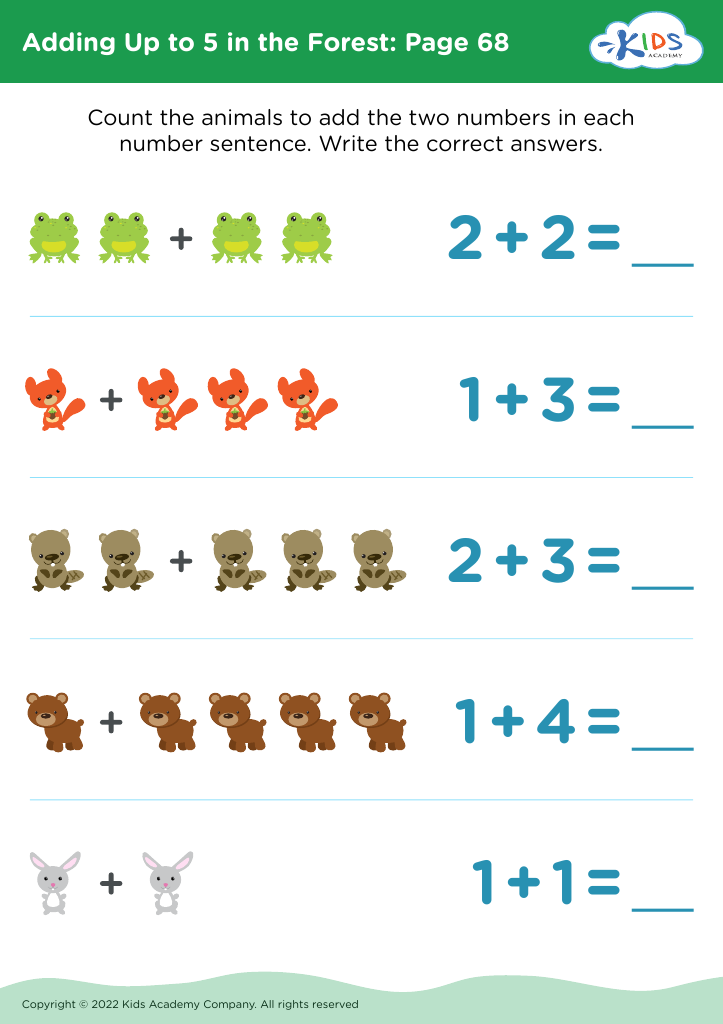
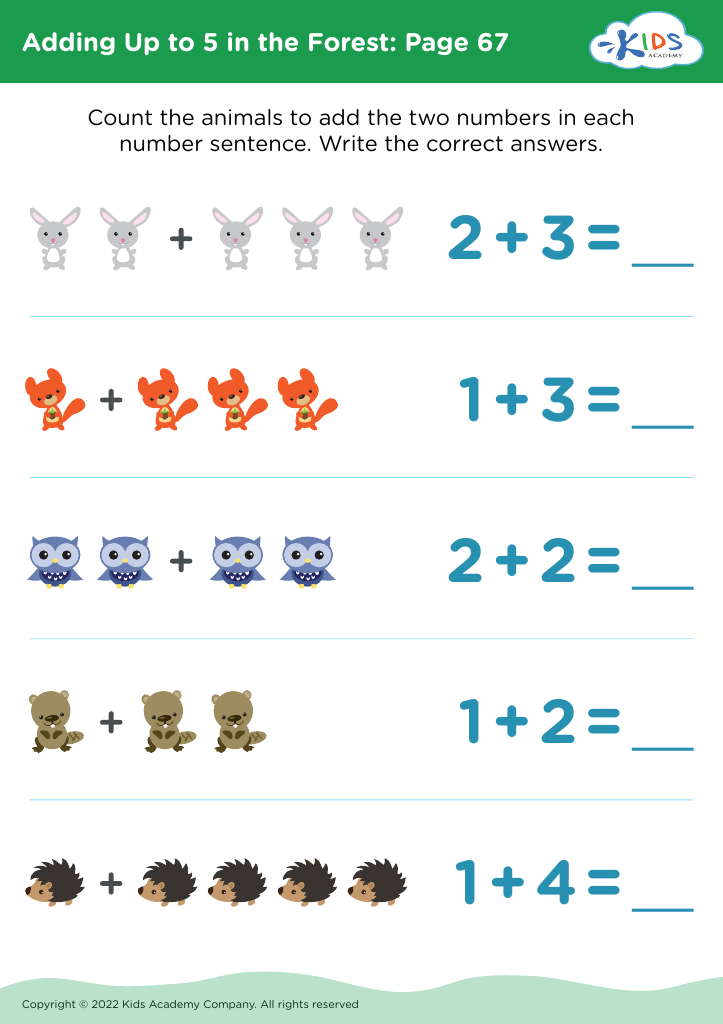
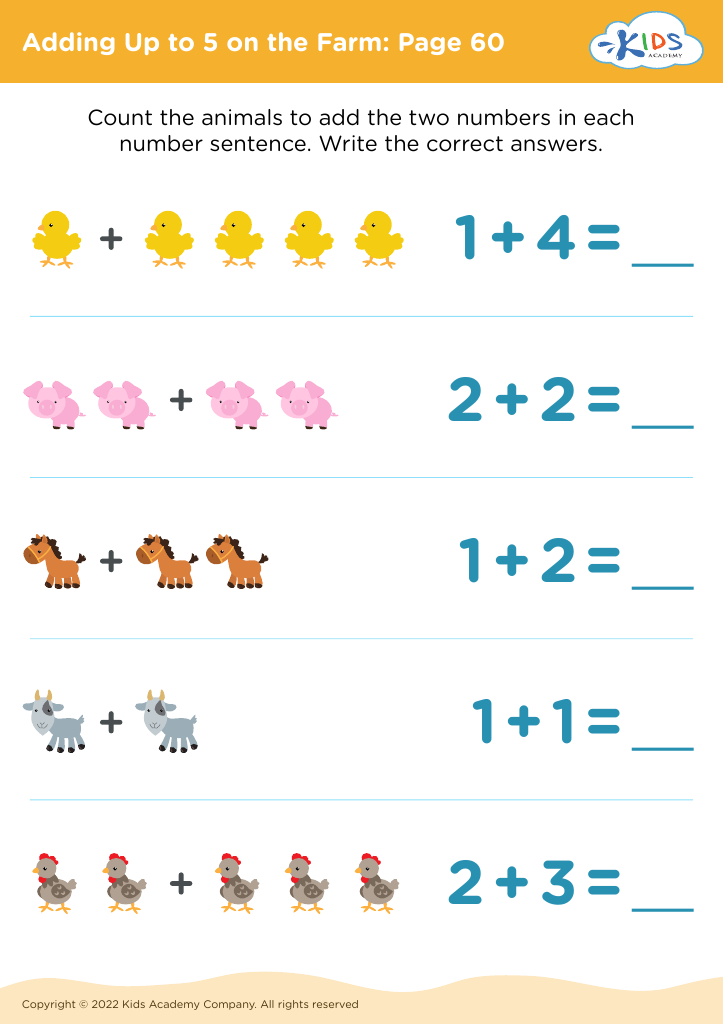







Understanding quantities, addition, and subtraction at ages 3-4 lays the foundation for a child's mathematical development and overall cognitive skills. During this critical stage, children begin to grasp the concept of numbers as they engage in playful learning. This foundational knowledge helps them recognize patterns, develop problem-solving skills, and enhance their logical reasoning.
When parents and teachers introduce the concepts of addition and subtraction through fun, interactive activities—such as counting objects, using visual aids, or playing simple games—children learn to associate numbers with real-world situations. This hands-on approach makes math relatable and enjoyable, reducing anxiety around the subject as they grow.
Moreover, early exposure to these concepts boosts children's confidence and prepares them for more complex math skills in later years. It also encourages language development as children learn to describe quantities and compare sizes, enhancing communication abilities.
Moreover, when parents or teachers engage in these activities with children, it fosters positive relationships and encourages a love for learning. This collaborative approach not only reinforces math skills but also promotes social and emotional development, making the learning process holistic and enriching.








