Visual learning reinforcement Addition & Subtraction Worksheets for Ages 3-4
6 filtered results
-
From - To
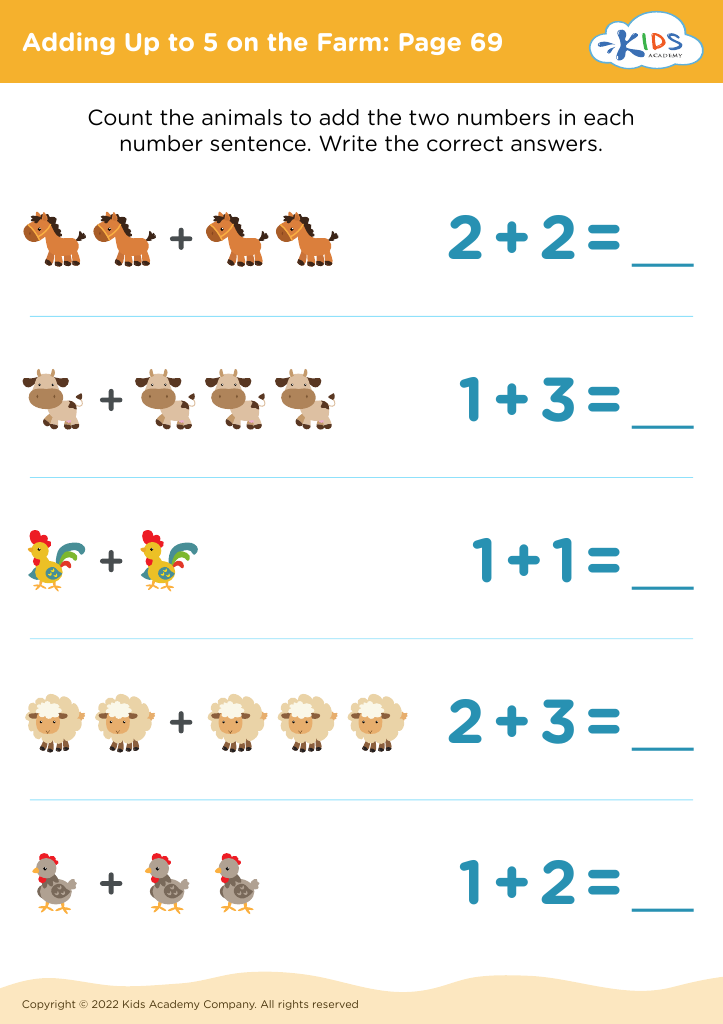
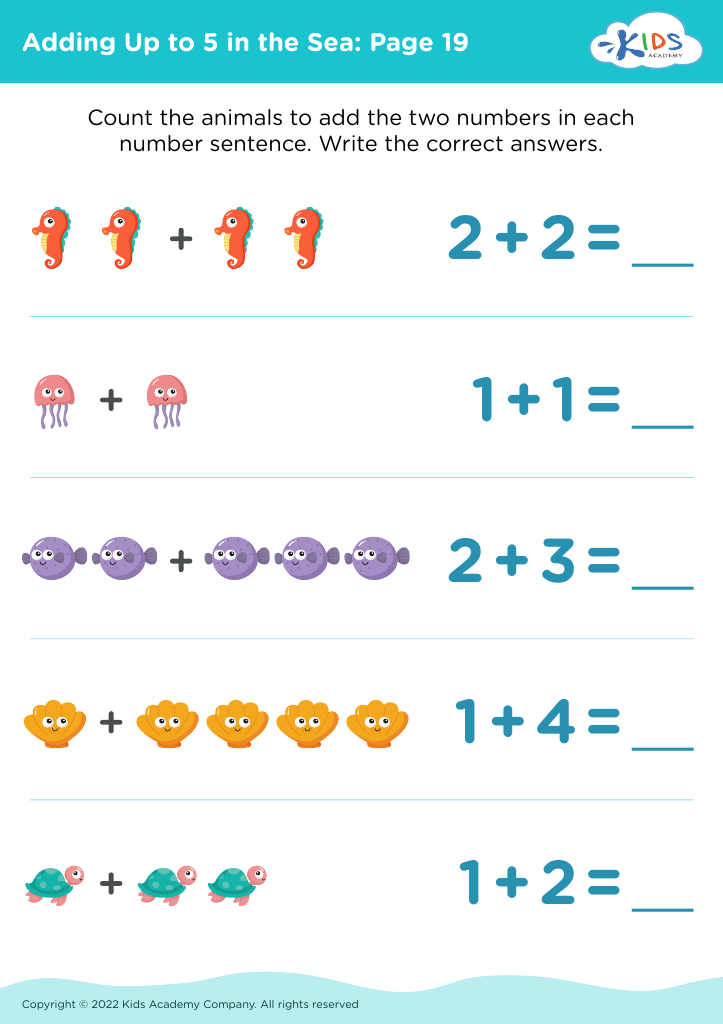
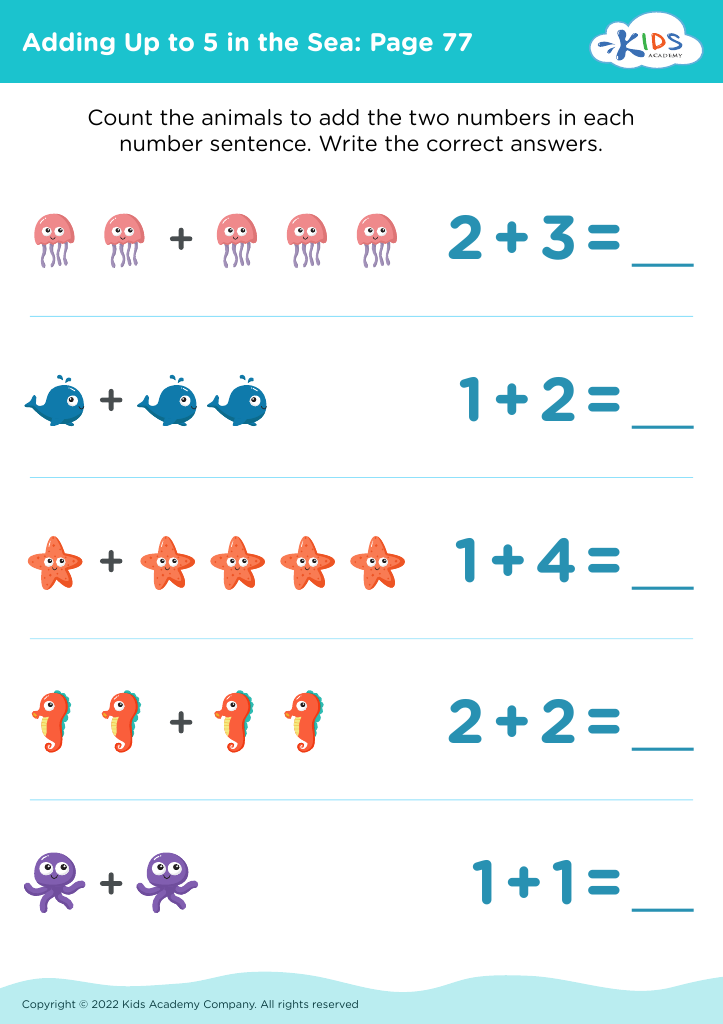
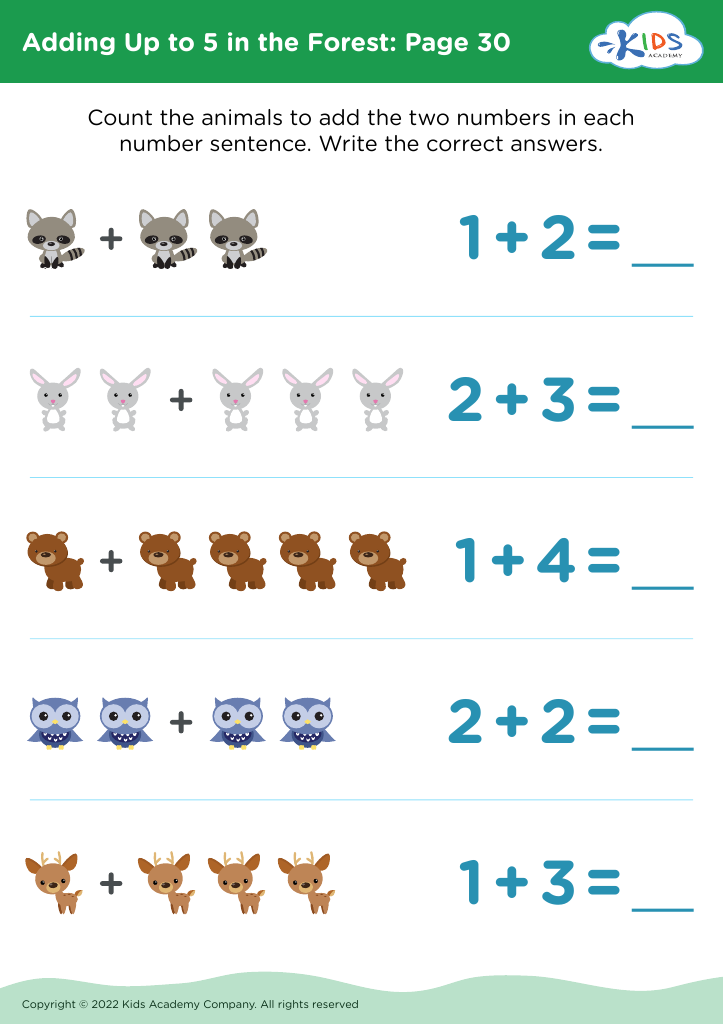
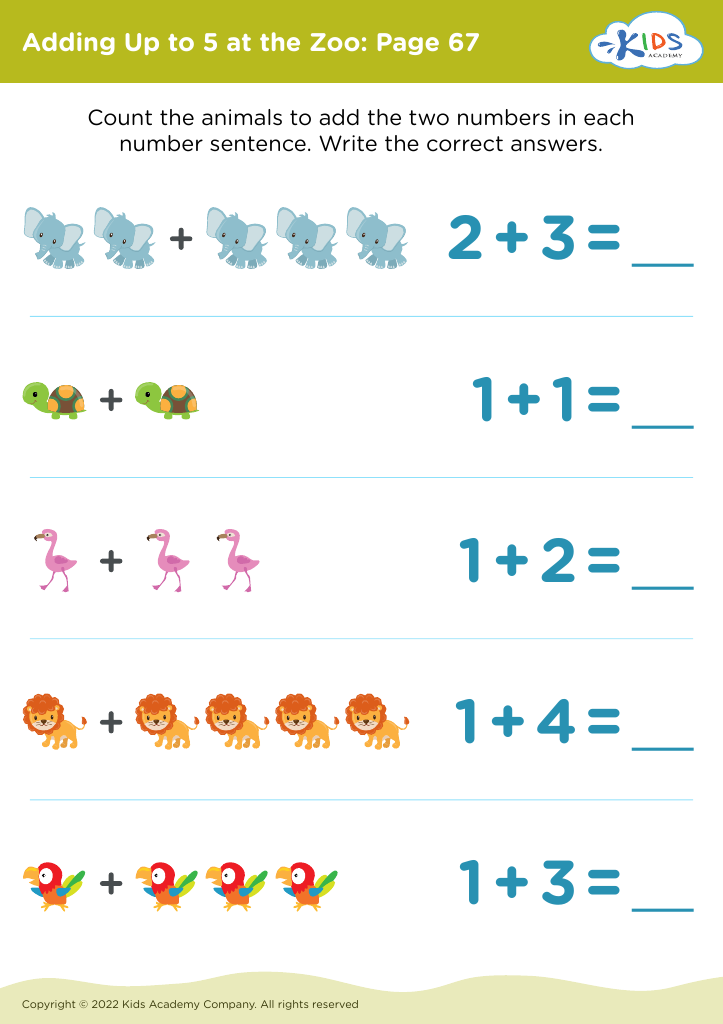
Looking for engaging ways to boost early math skills? Discover our Visual Learning Reinforcement Addition & Subtraction Worksheets for Ages 3-4. These expertly designed worksheets combine colorful visuals with practical exercises, making learning addition and subtraction fun for little ones. Tailored specifically for preschoolers, our worksheets help develop essential math skills through interactive, visually stimulating activities. Kids will love the vibrant images and parents will appreciate the thoughtfully crafted exercises that promote cognitive development. Visit us at Kids Academy to access a wealth of resources perfect for nurturing your child's foundational math skills right from the start.
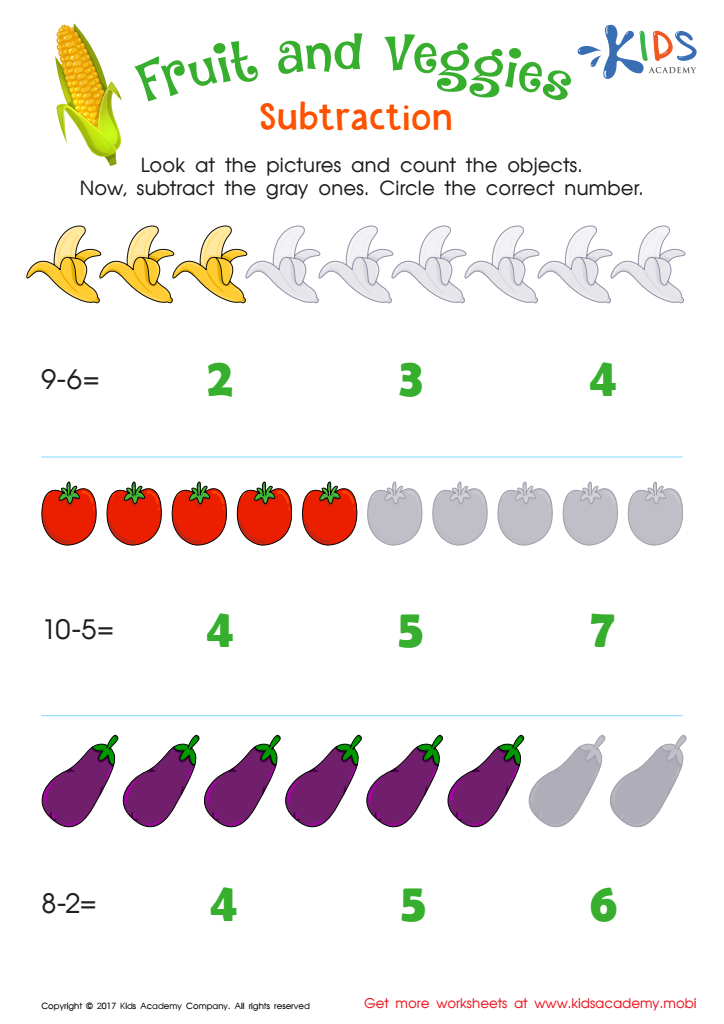
Fruit and Veggies Subtraction Worksheet
 Assign to My Students








Parents and teachers should prioritize visual learning reinforcement for teaching addition and subtraction to children aged 3-4 due to the compelling developmental benefits. At this young age, children are in a crucial phase of cognitive development where concrete visual stimuli greatly enhance comprehension and retention. Utilizing colorful pictures, tangible objects, and interactive visuals helps make abstract mathematical concepts accessible and relatable.
Visual tools engage young minds more effectively than purely verbal or written instruction. By associating numbers with physical objects like toys or pictures, children begin to understand the concept of quantity and the operations of adding and subtracting. Visual aids also cater to various learning styles, ensuring that even children who struggle with traditional methods can grasp foundational math skills.
Furthermore, visual reinforcement promotes enthusiasm and interest in learning. When children interact with engaging visuals, learning feels like play, which fosters a positive attitude towards mathematics at an early age. This early positive exposure can build confidence and reduce math anxiety, setting a solid foundation for future learning.
Ultimately, by incorporating visual learning techniques in teaching addition and subtraction, parents and teachers support the holistic development of cognitive, motor, and creative skills—essential elements in a child's overall educational journey.








