Basic Arithmetic Addition Worksheets for Ages 3-4 - Page 2
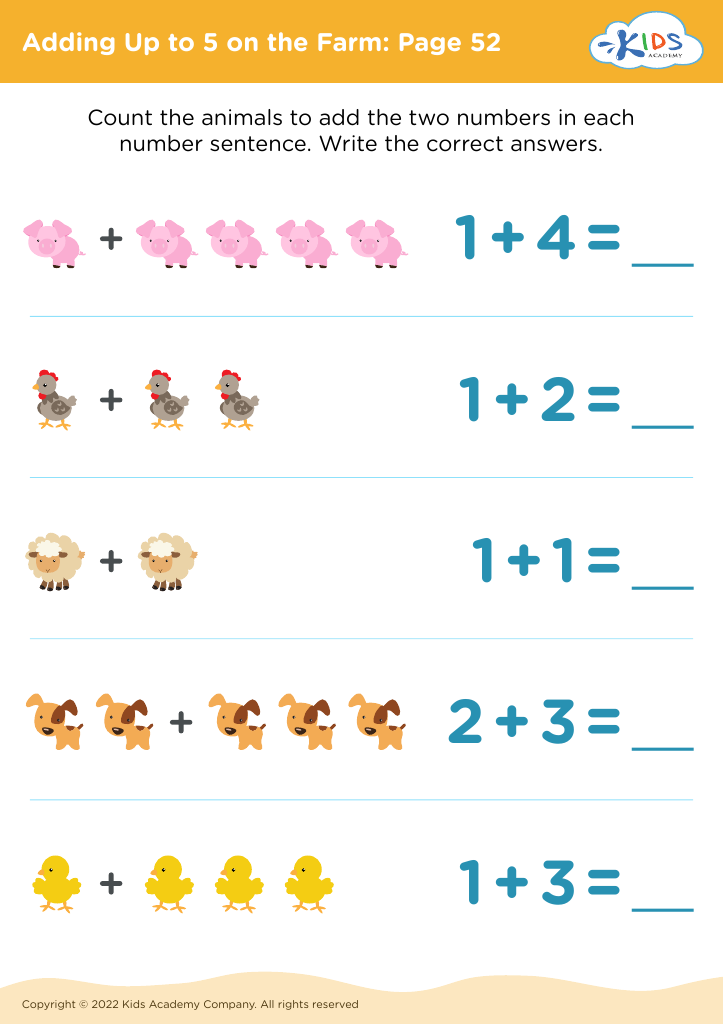
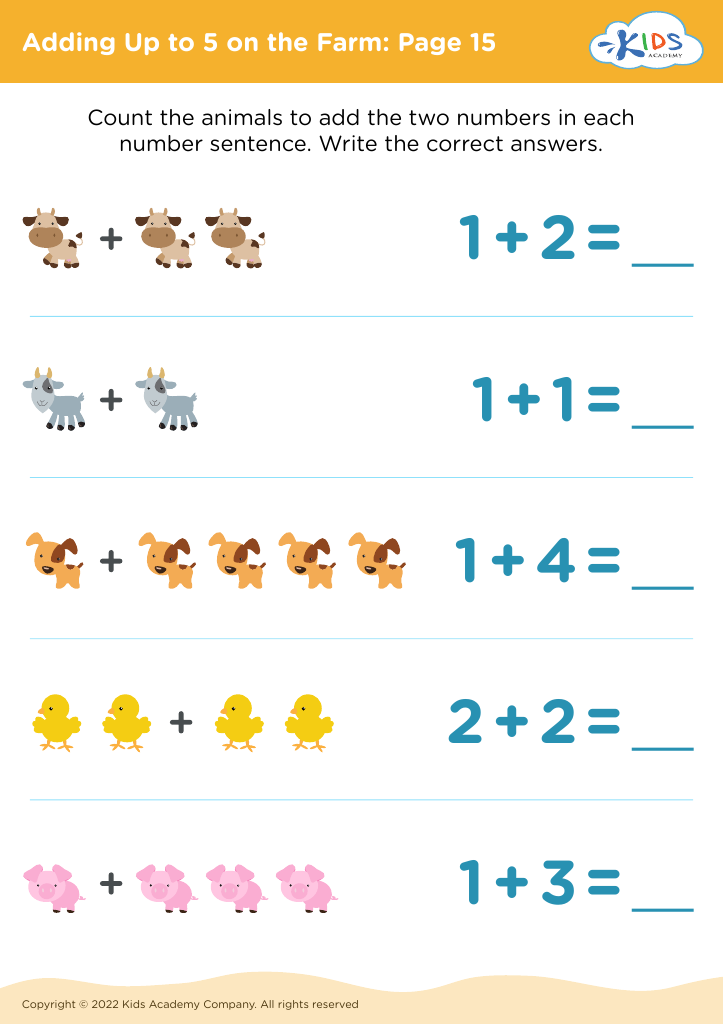
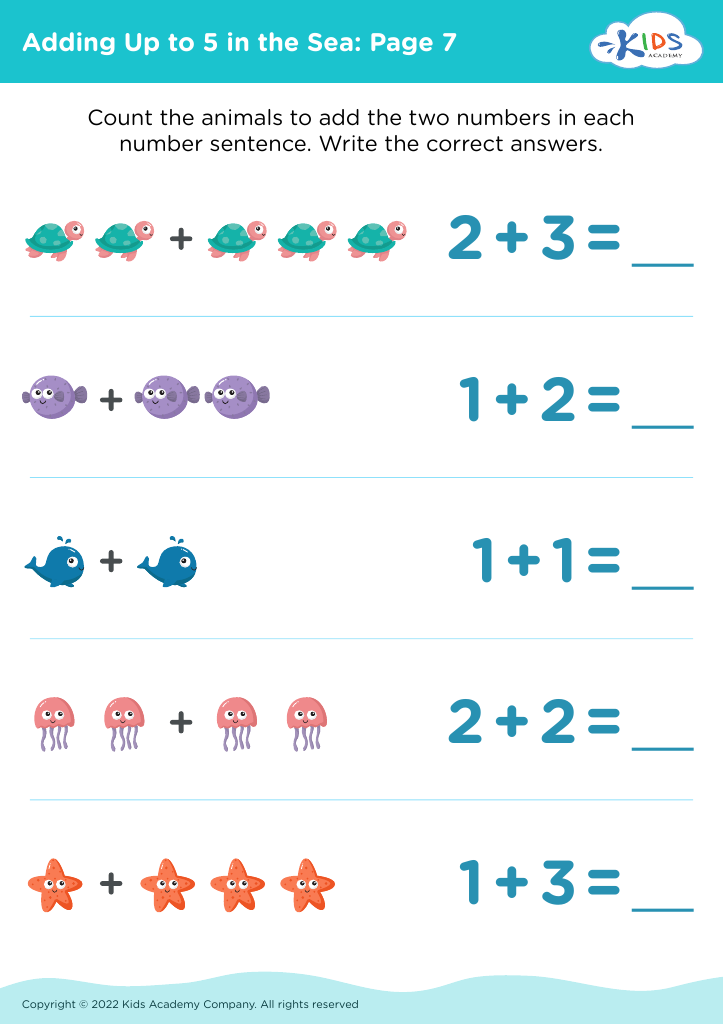
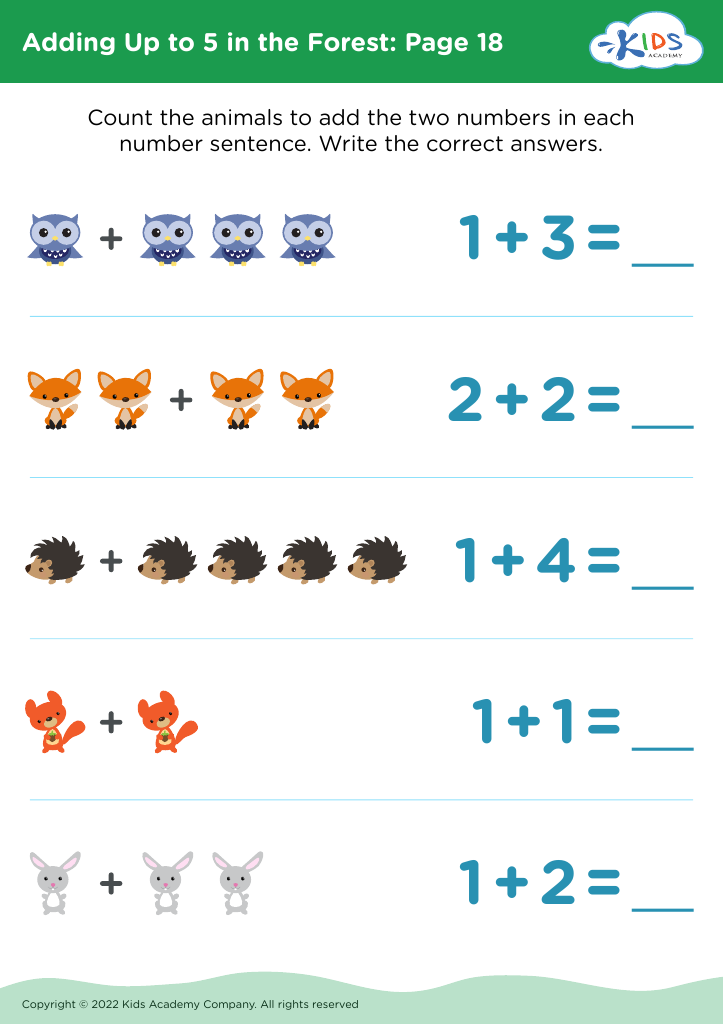
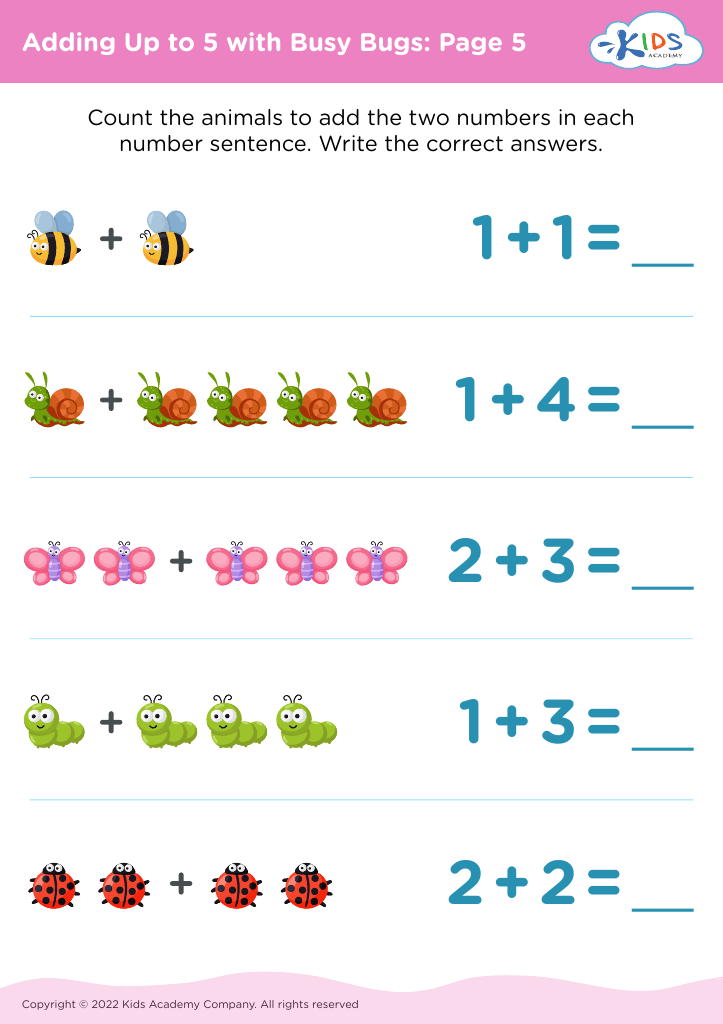
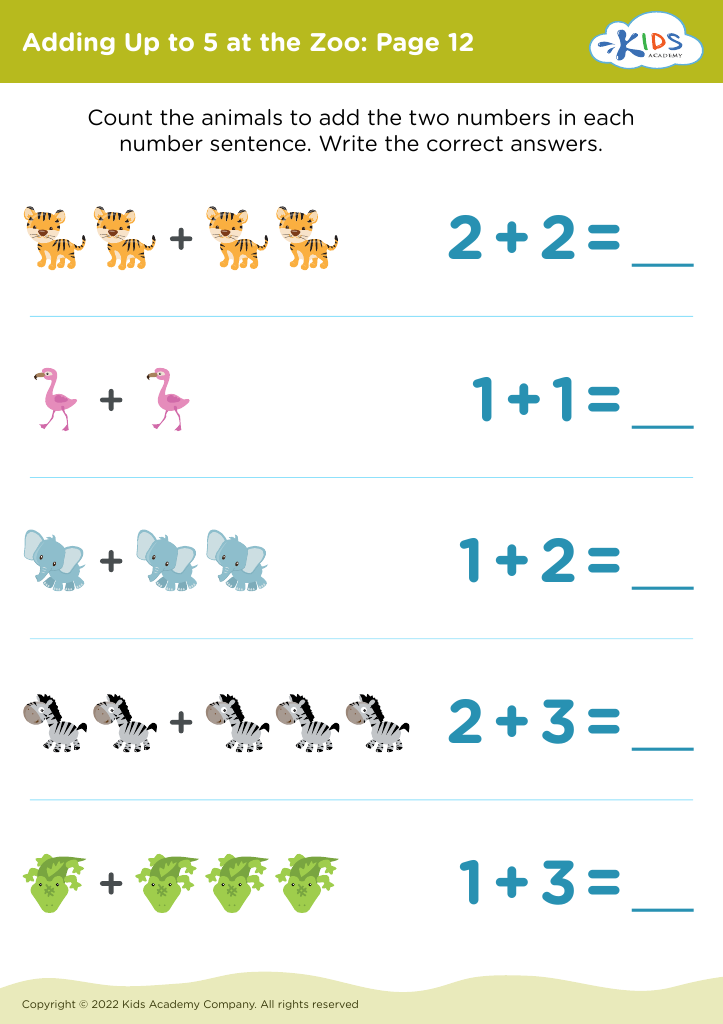
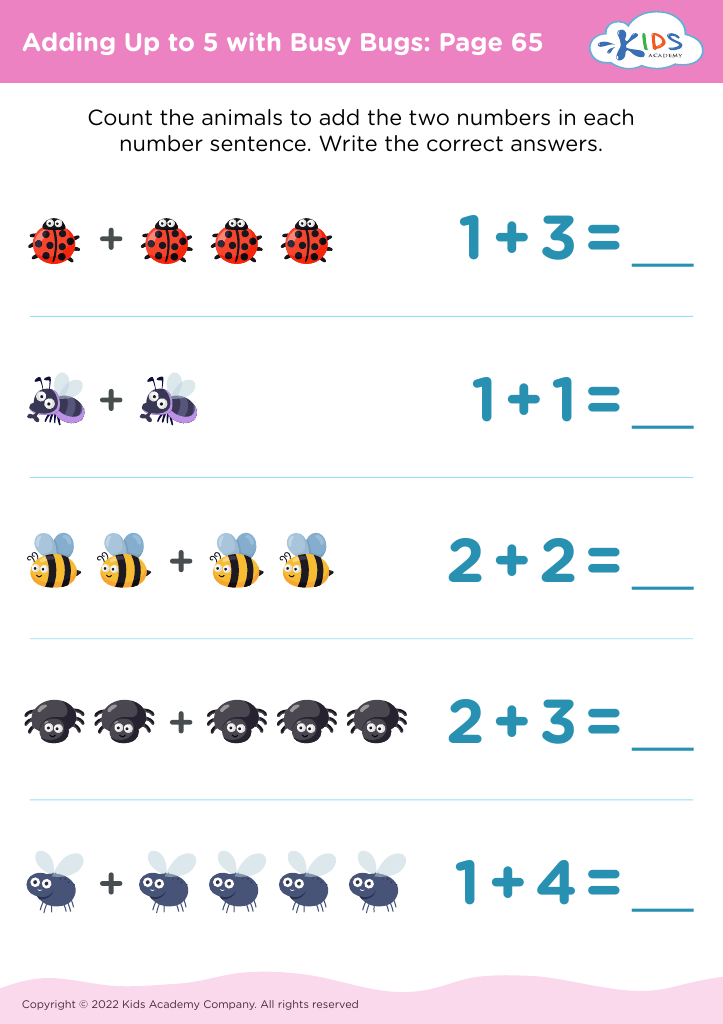
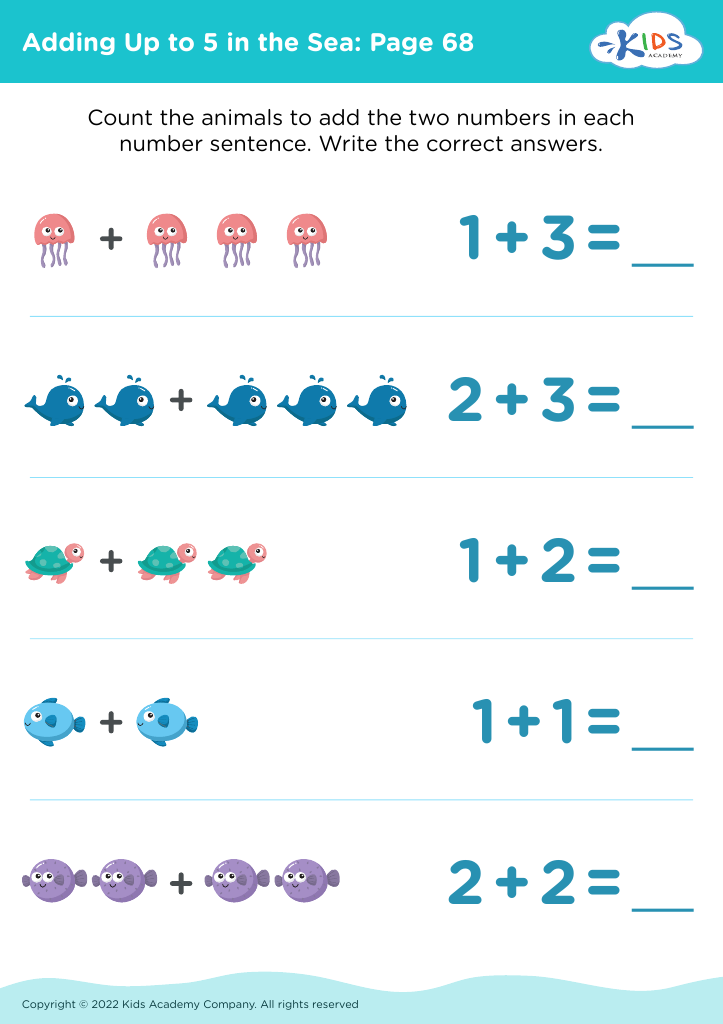
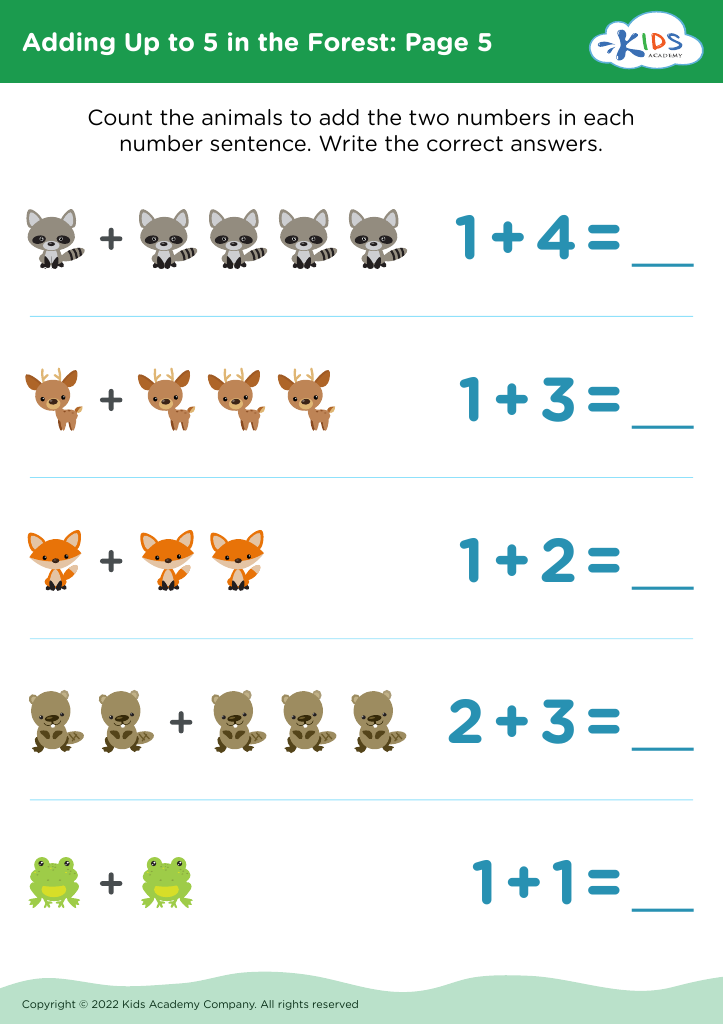
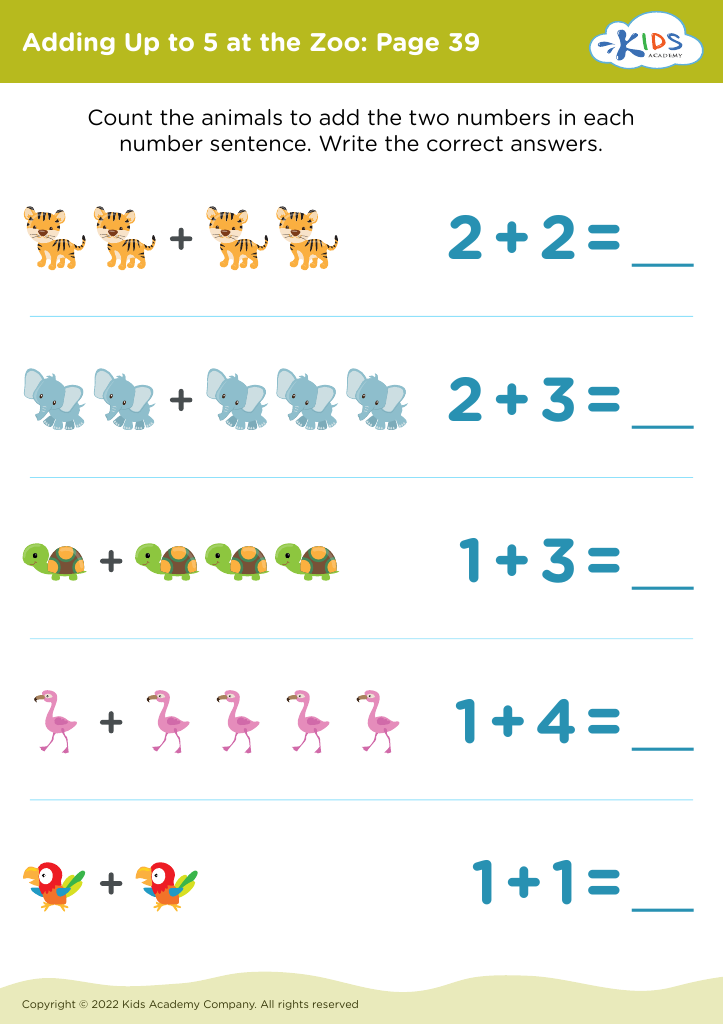
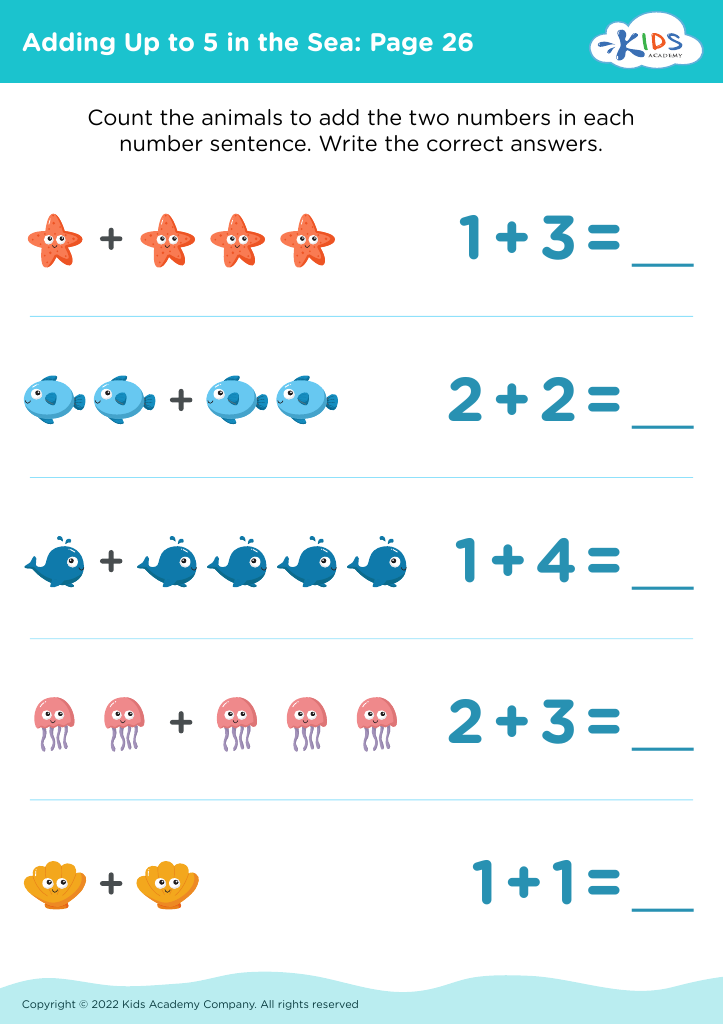
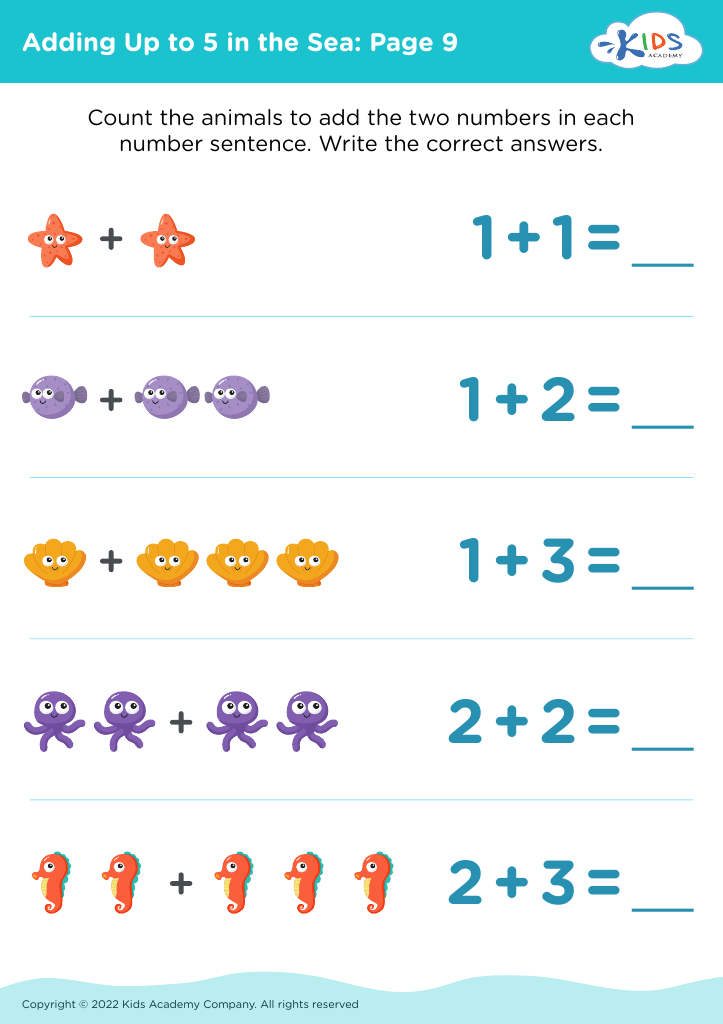








Understanding basic arithmetic addition is crucial for children aged 3-4, and both parents and teachers play vital roles in fostering this foundational skill. At this early age, children are naturally curious and eager to engage with numbers, making it an optimal time for them to start learning basic addition concepts. Introducing simple addition through playful activities can enhance their cognitive development and lay the groundwork for future math skills.
Basic arithmetic addition helps children develop essential problem-solving and critical thinking abilities. By working with numbers, they learn to identify patterns and relationships, improving their overall math literacy. Furthermore, early exposure to addition fosters confidence in handling numbers, which can significantly influence their attitudes toward math in later years.
Parents and teachers can incorporate addition into everyday activities—such as counting snacks, toys, or pets—to make learning practical and enjoyable. This approach not only reinforces academic skills, but also creates bonding moments. Ultimately, cultivating addition skills helps children enhance their reasoning abilities, prepare for more advanced mathematical concepts, and supports their overall academic progress, setting them on a path to success in school and beyond. Therefore, recognizing the importance of early arithmetic education is key for caregivers and educators alike.








