Basic Arithmetic Numbers Worksheets for Ages 3-4
5 filtered results
-
From - To
Unlock your child's potential with our Basic Arithmetic Numbers Worksheets for ages 3-4! Designed specifically for preschoolers, these engaging worksheets focus on fundamental arithmetic skills - counting, addition, and subtraction - in a fun, interactive way. Colorful illustrations and simple exercises make learning enjoyable and effective, ensuring your child builds a strong mathematical foundation. Parents and teachers alike will love how easily kids grasp concepts and gain confidence in their abilities. Prepare your little one for academic success with our expertly crafted resources, perfect for hands-on learning at home or in the classroom. Start today and watch them thrive!
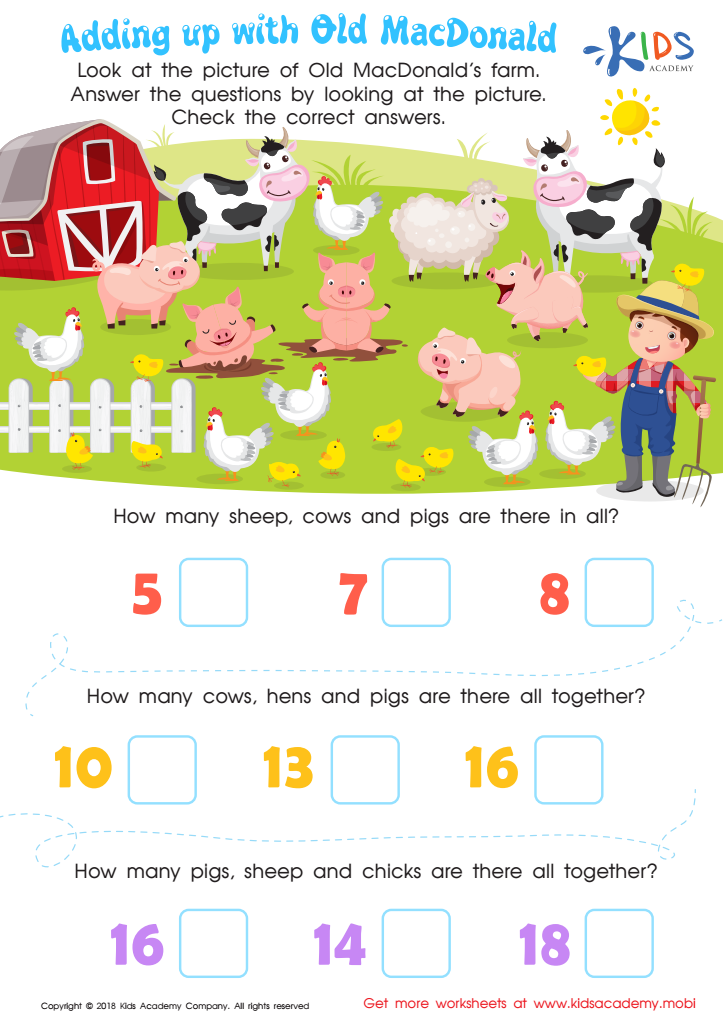
Adding Up with Old MacDonald Worksheet
 Assign to My Students
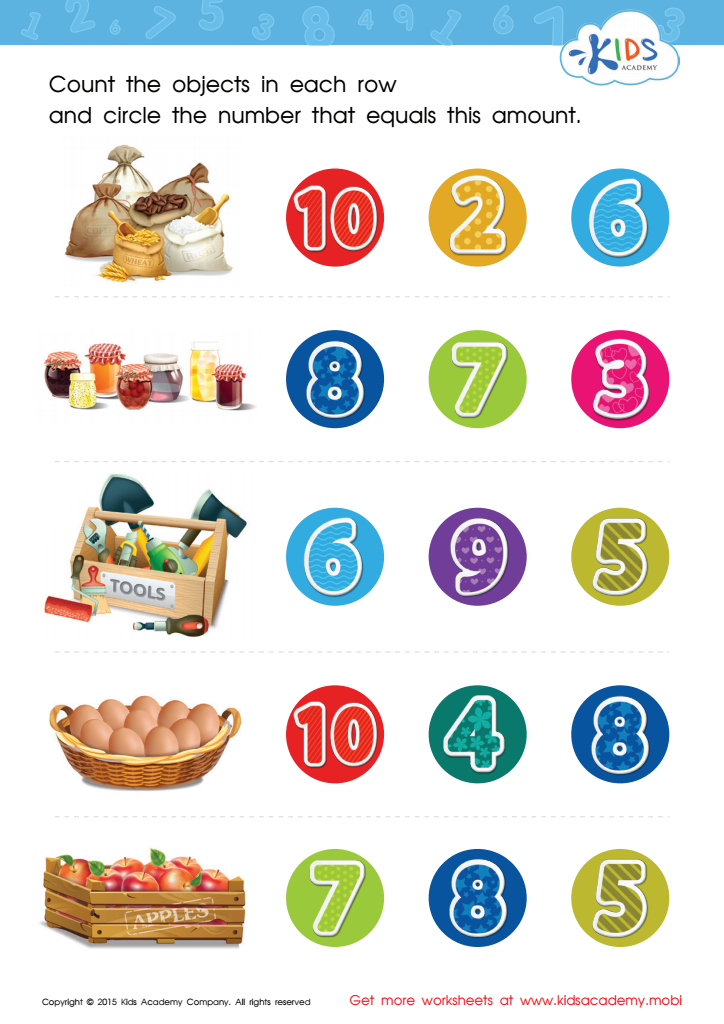
Count and Match 6 – 10 Math Worksheet
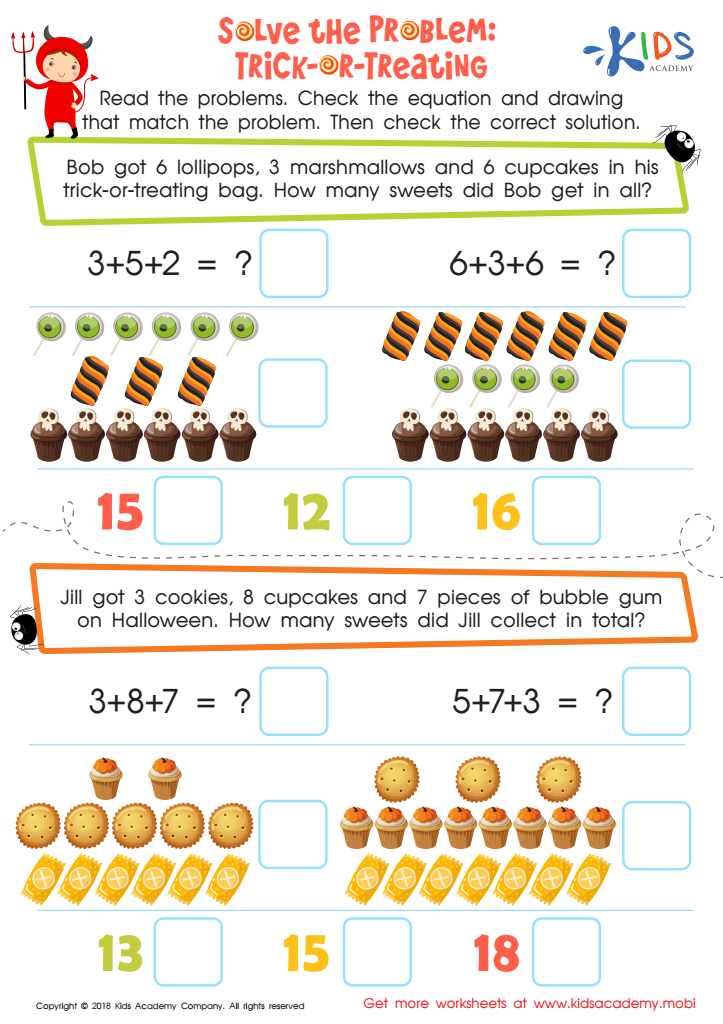
Solve the Problem: Trick–or–treating Worksheet
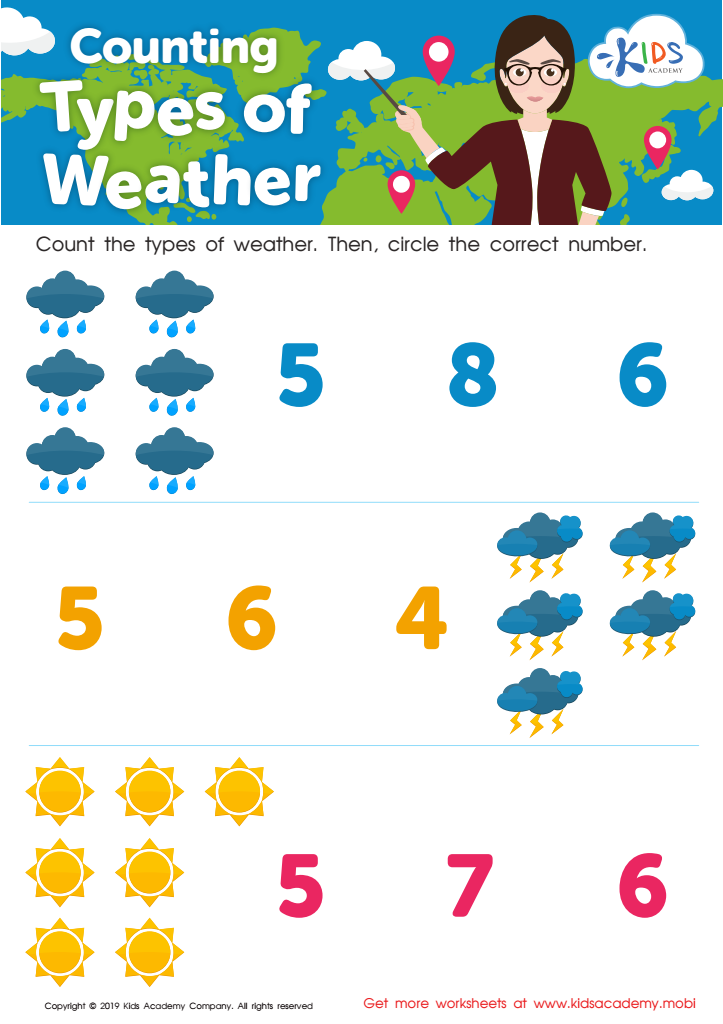
Counting Types of Weather Worksheet
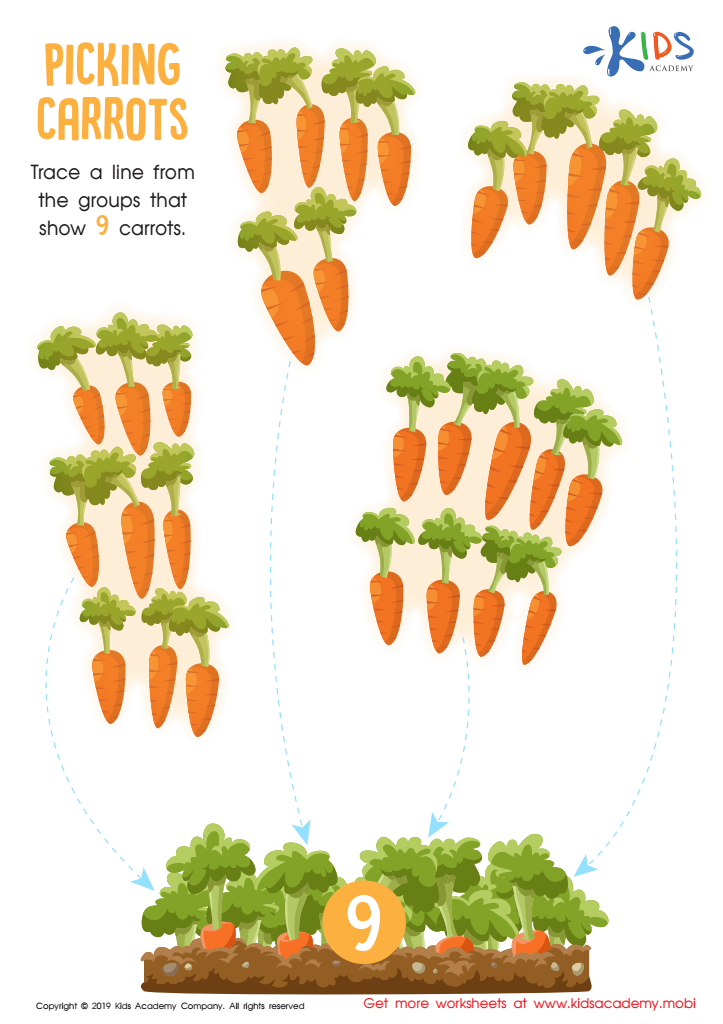
Picking Carrots Worksheet






.jpg)

Parents and teachers should prioritize basic arithmetic for children aged 3-4 to lay a strong foundation for their future learning. During these formative years, children's brains are highly receptive, making it an excellent time to introduce fundamental numerical concepts. Developing arithmetic skills early enhances cognitive abilities such as problem-solving, logical thinking, and pattern recognition, which are crucial across all subject areas.
Early exposure to numbers fosters confidence and enthusiasm towards mathematics, reducing anxiety and negative perceptions often associated with the subject at later stages. It also supports everyday life skills, such as understanding time, money, and measurements, promoting independence in daily tasks.
Moreover, involvement in numerical activities encourages parent-child bonding and offers opportunities for interactive, playful learning experiences, reinforcing positive associations with education. Teachers can employ engaging methods like games, songs, and hands-on manipulatives to make learning numbers fun and meaningful.
By concentrating on arithmetic at this early age, parents and teachers set children on a path of academic success, ensuring they are well-prepared for more advanced mathematical concepts in school. This investment in their early education promotes lifelong learning and adaptability, essential traits in an ever-evolving world.








