Basic Addition Math Worksheets for Ages 3-4 - Page 2
38 filtered results
-
From - To
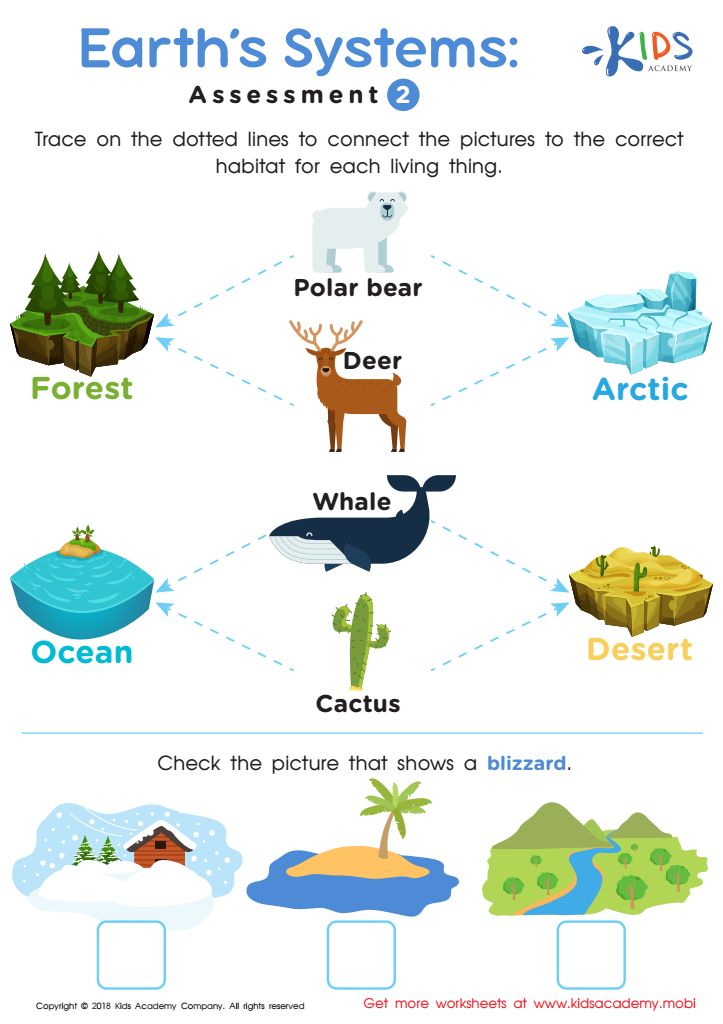
Earth's Systems: Assessment 2
 Assign to My Students
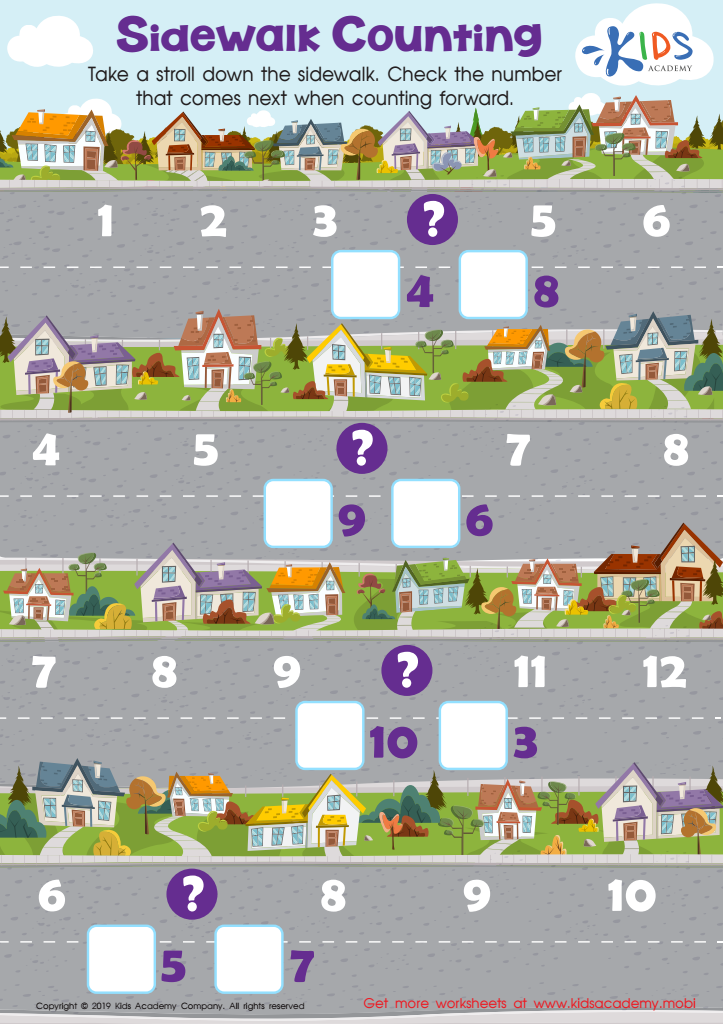
Sidewalk Counting Worksheet
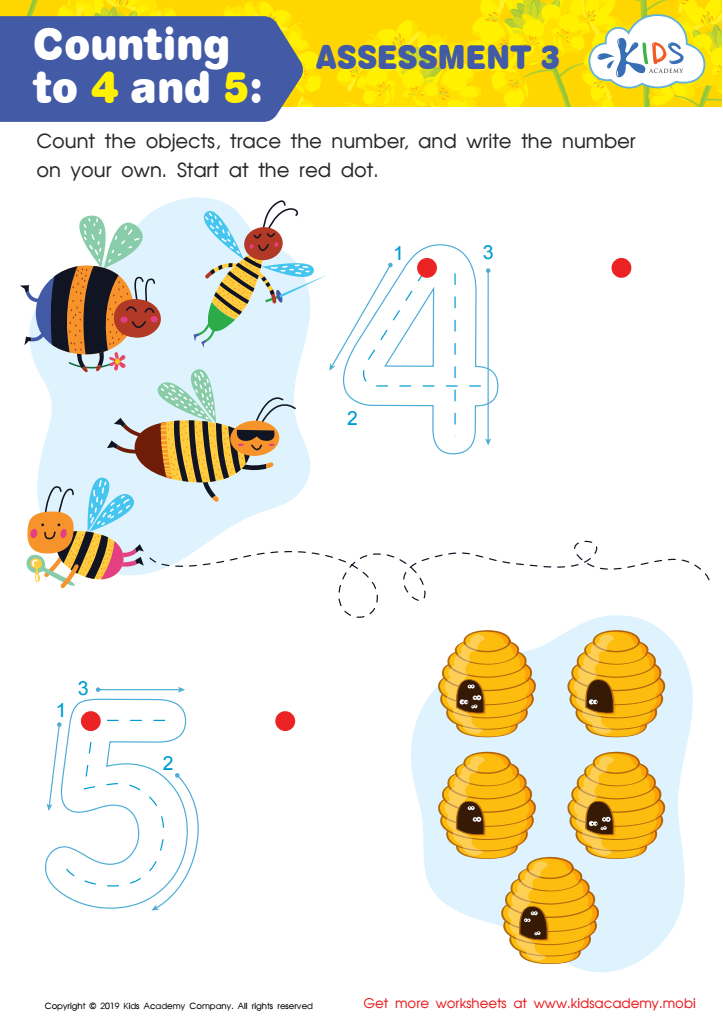
Counting to 4 and 5: Assessment 3 Worksheet
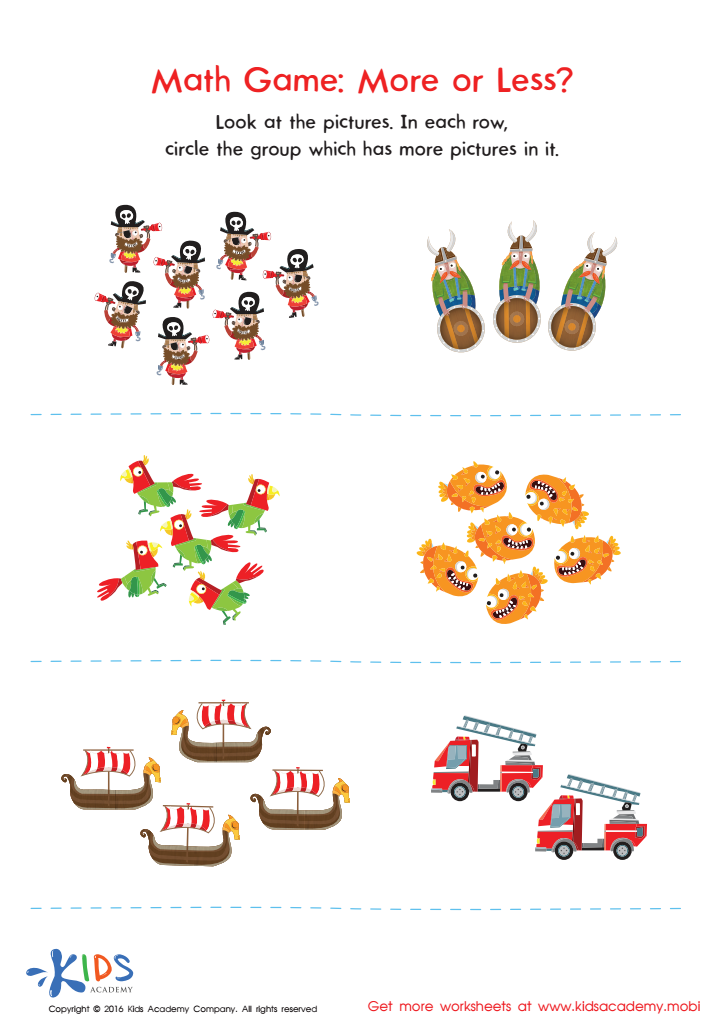
More or Less Worksheet
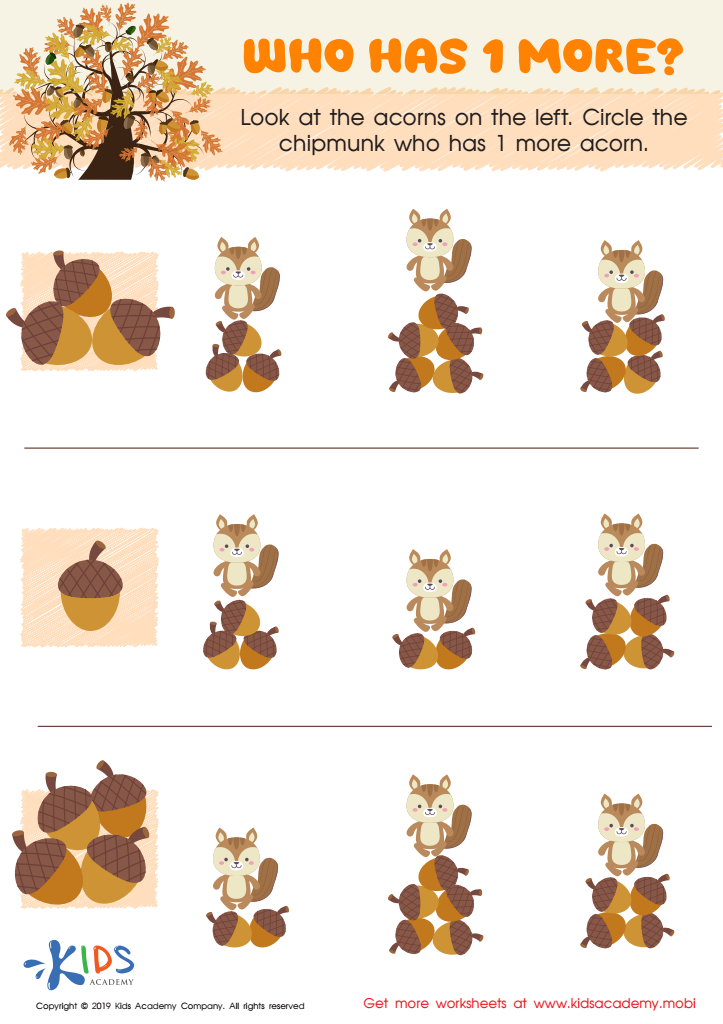
Who Has 1 More? Worksheet
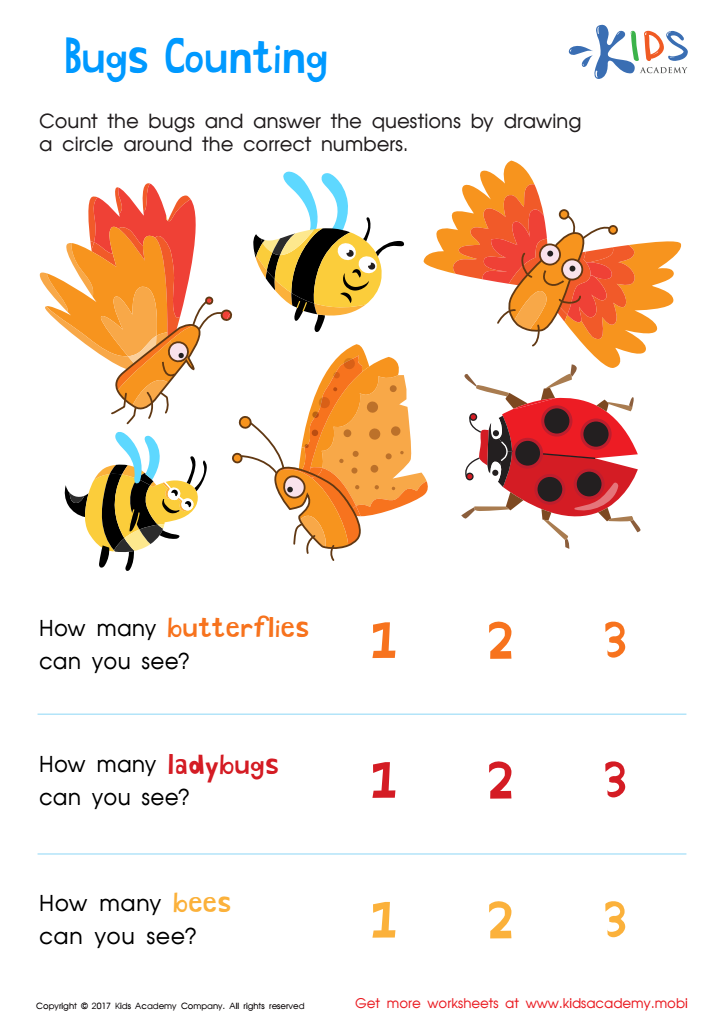
Bugs Counting Worksheet
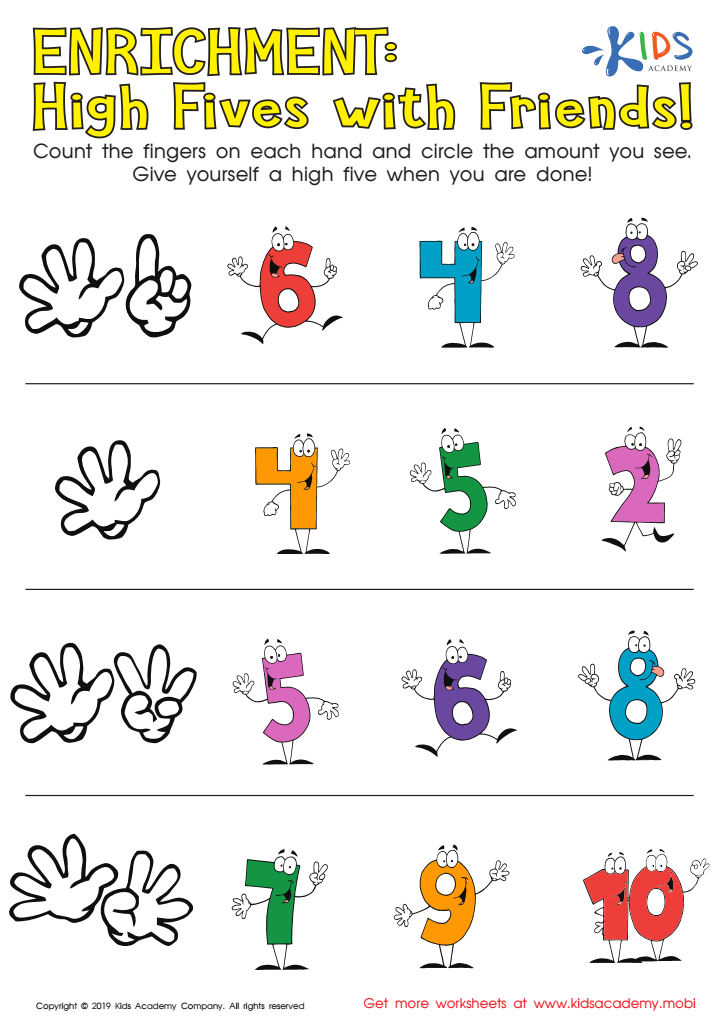
Enrichment: High Fives with Friends! Worksheet
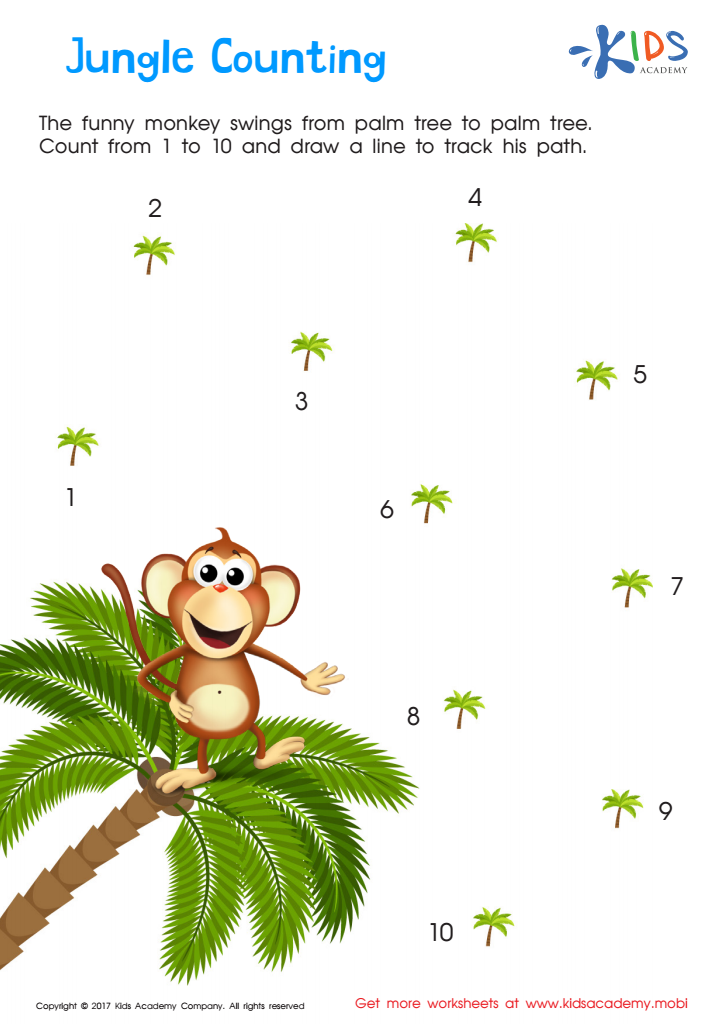
Jungle Counting Connect Dots Worksheet
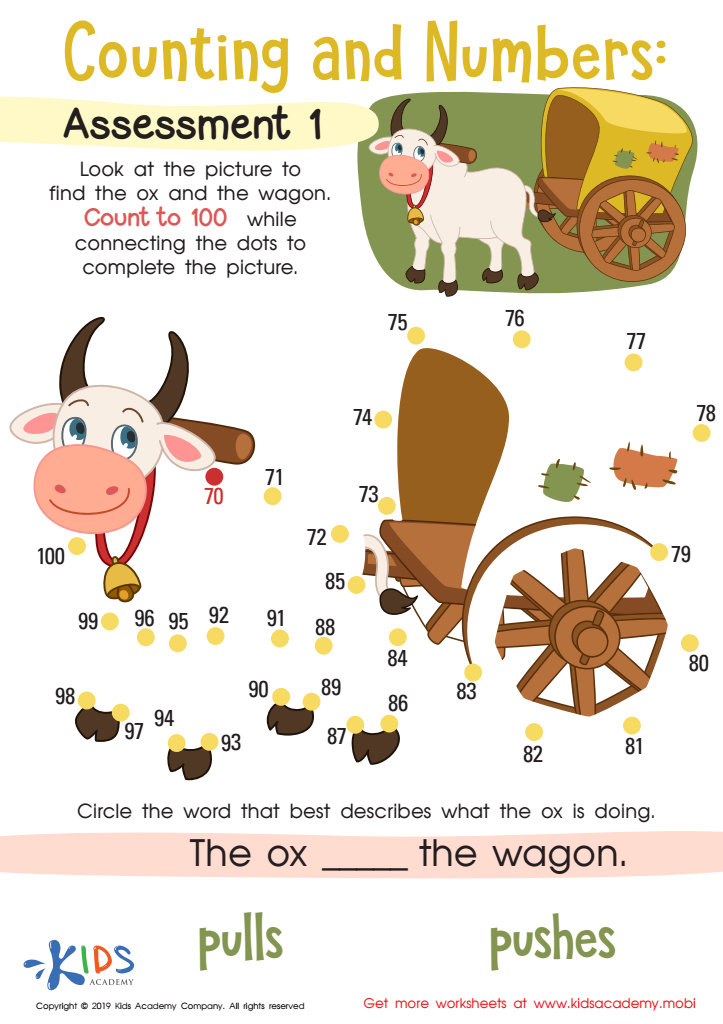
Counting and Numbers: Assessment 1 Worksheet
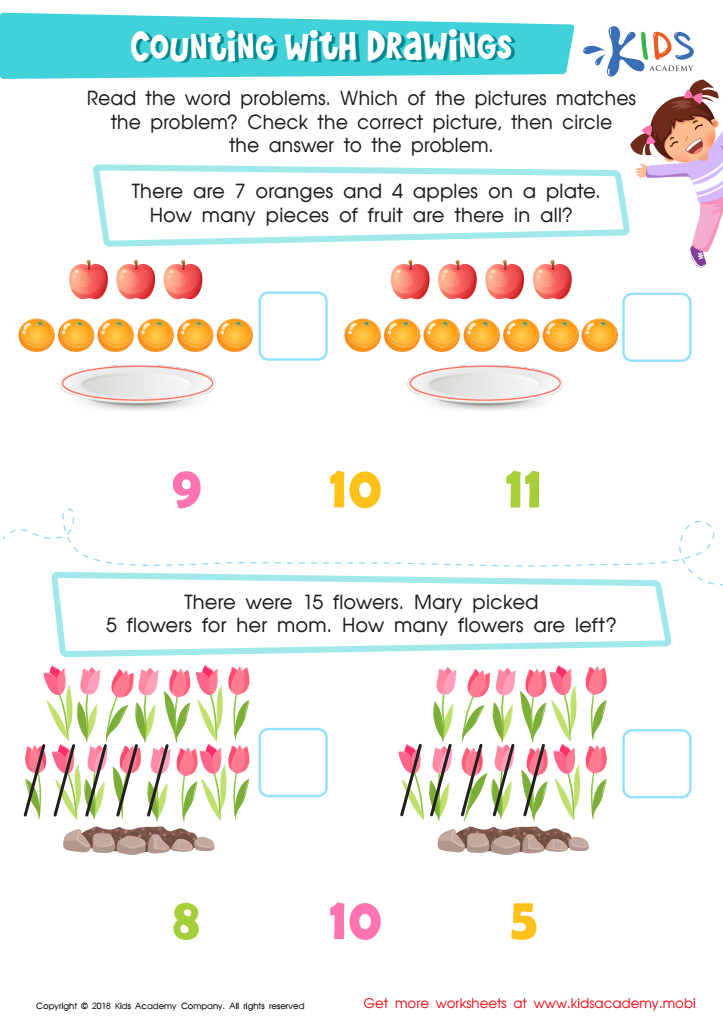
Counting with Drawings:Fruits & Flowers Worksheet
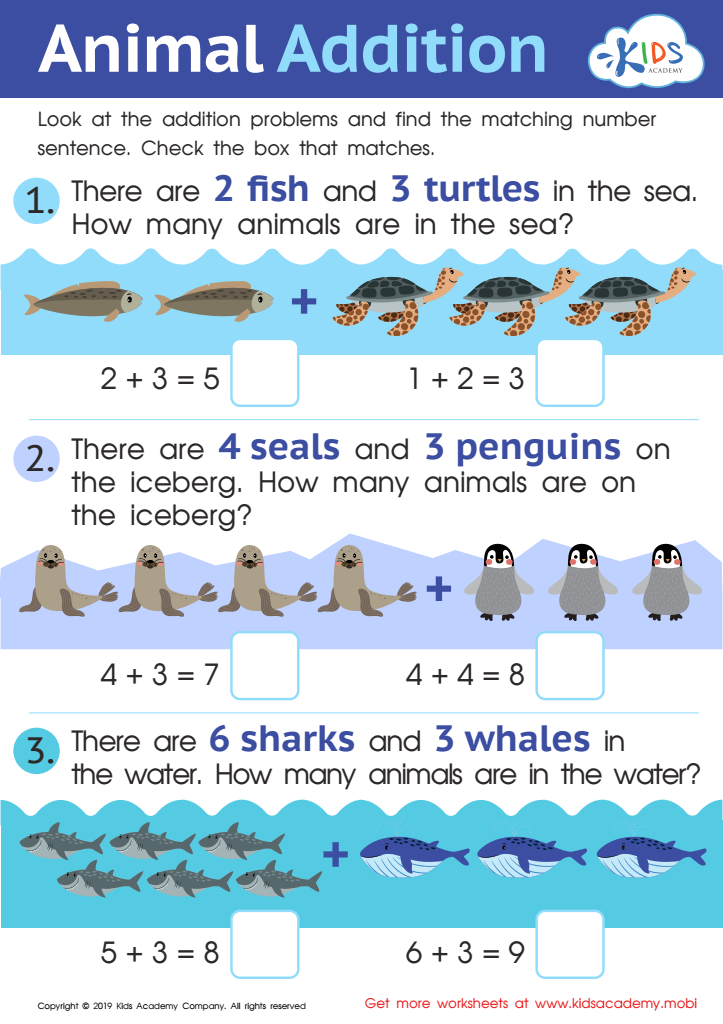
Animal Addition Worksheet
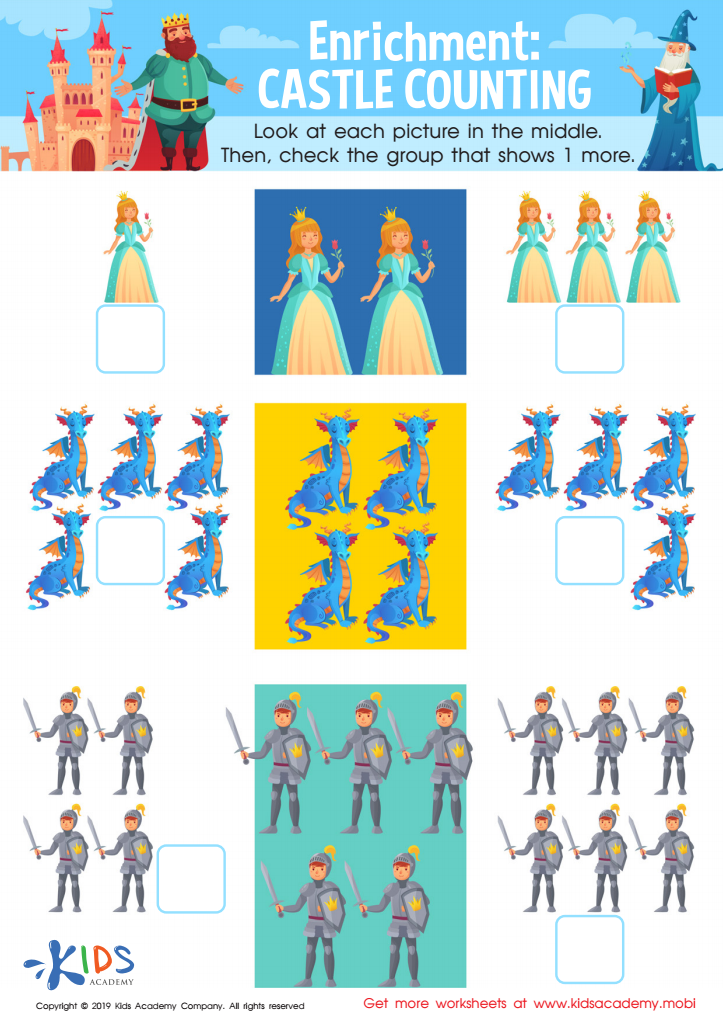
Enrichment: Castle Counting Worksheet
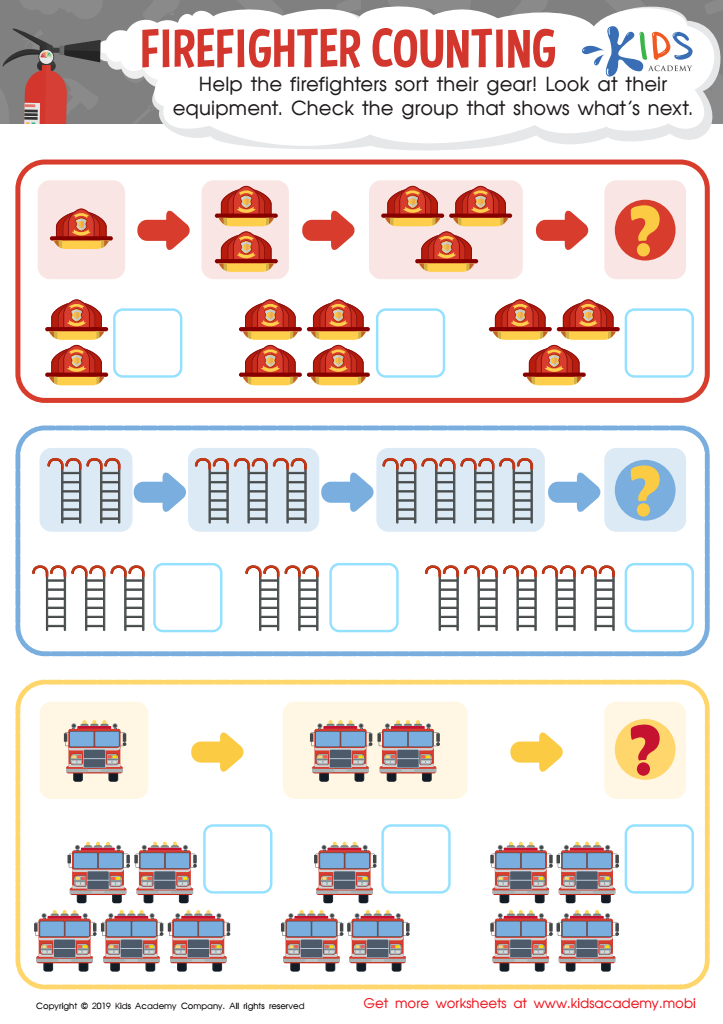
Firefighter Counting Worksheet
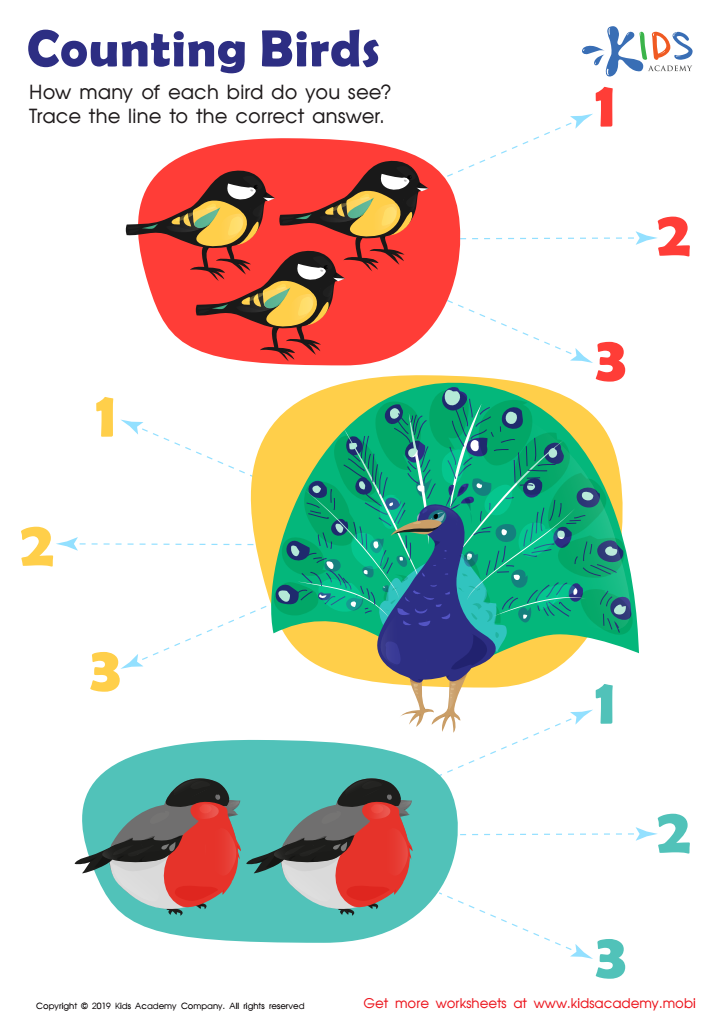
Counting Birds Worksheet



.jpg)



Basic addition is fundamental for young learners aged 3-4, laying the groundwork for future mathematical understanding and critical thinking skills. At this age, children are developing cognitive abilities and exploring patterns, which makes it an ideal time to introduce simple concepts in addition.
Investing time in these foundational skills helps children recognize numbers and understand the idea of combining quantities, fostering their ability to solve problems. Engaging with basic addition encourages children to think logically and enhance their concentration.
Moreover, learning basic addition through playful activities, such as counting toys or using visual aids like fingers, enriches their sensory experiences. This makes learning enjoyable and boosts a child's confidence in their mathematical abilities.
Parents and teachers play a crucial role by integrating basic addition into everyday activities, turning mundane tasks into exciting learning opportunities. Whether at home or in the classroom, these early experiences not only promote proficiency in math but also ignite a lifelong love for learning.
Overall, caring about basic addition math at this formative age supports children's overall development, paving the way for academic success and essential life skills in the future.








