Basic math practice Math Worksheets for Ages 3-4
6 filtered results
-
From - To
Discover engaging Basic Math Practice Worksheets designed for children aged 3-4! These worksheets provide a fun and interactive way for young learners to develop essential math skills. Each activity focuses on foundational concepts such as counting, number recognition, and simple addition and subtraction. With colorful visuals and age-appropriate challenges, children will enjoy practicing their math skills while building confidence. Perfect for parents and educators, these printable resources are easy to incorporate into daily learning routines or classroom activities. Start nurturing your child's numerical abilities today with our wonderful collection of math worksheets tailored specifically for early learners!
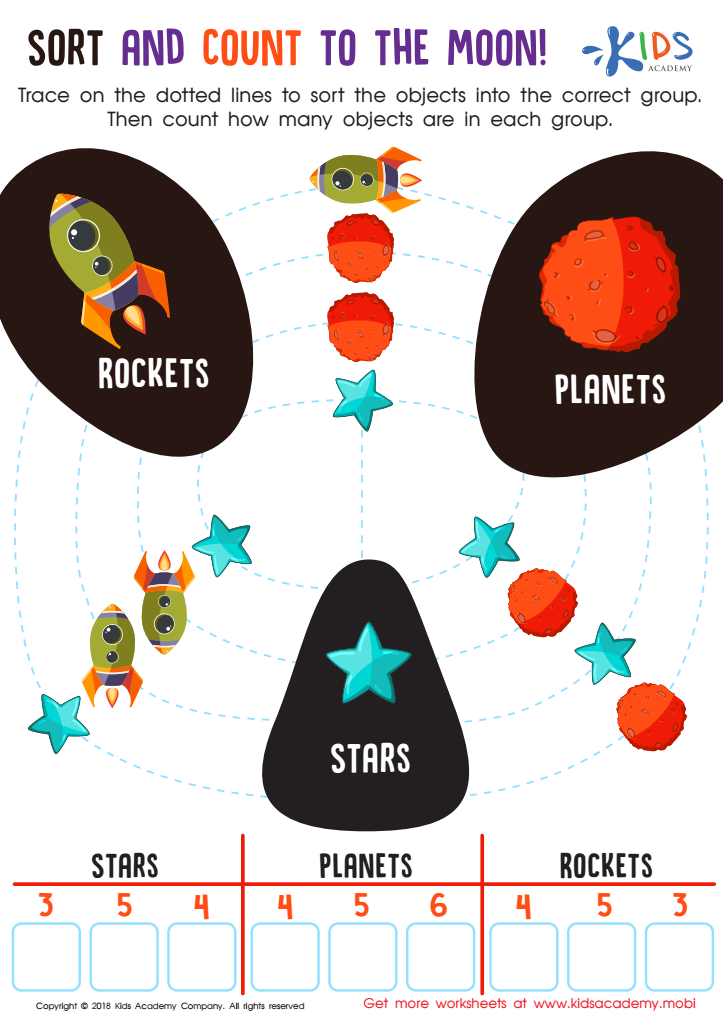
Sort and Count to the Moon Worksheet
 Assign to My Students
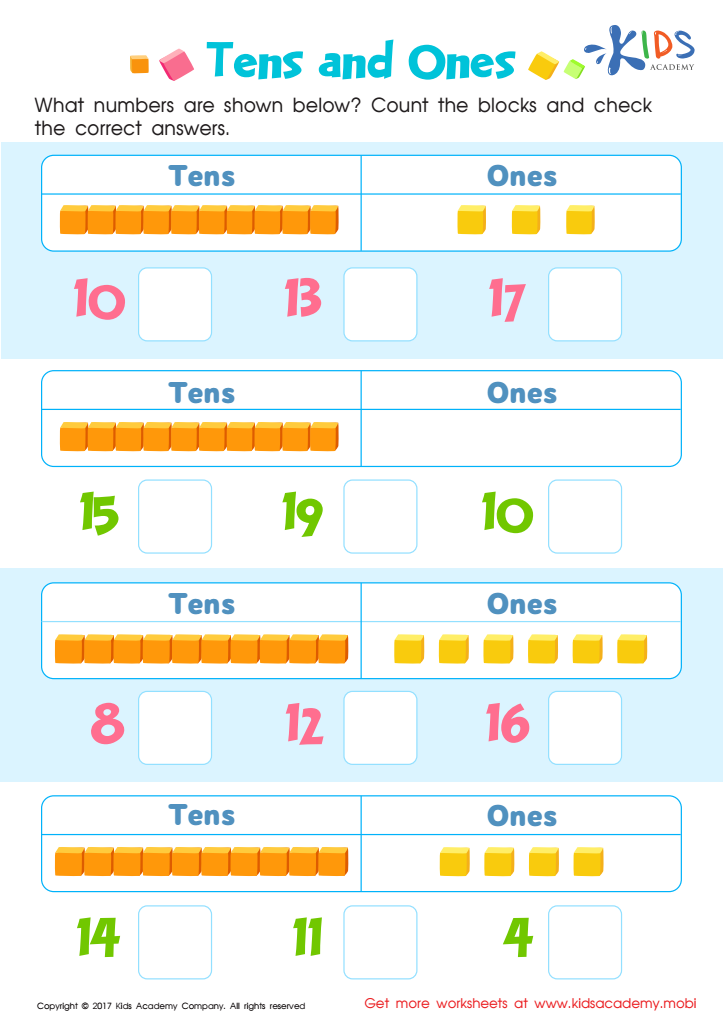
Tens and Ones Worksheet
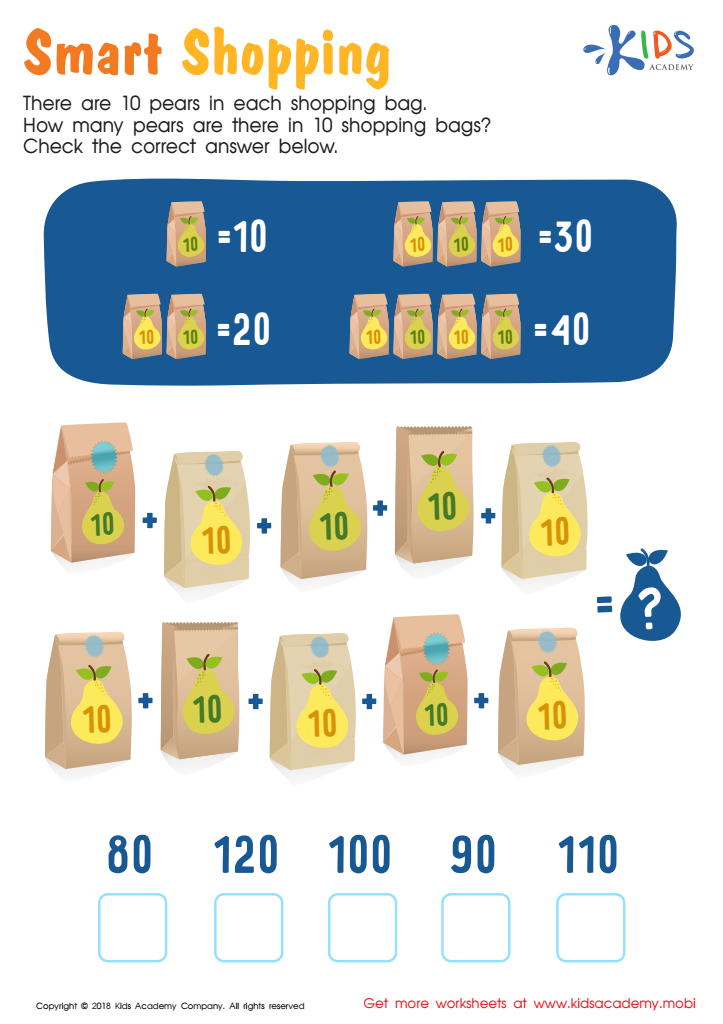
Smart Shopping: Trade Tens for a Hundred Worksheet
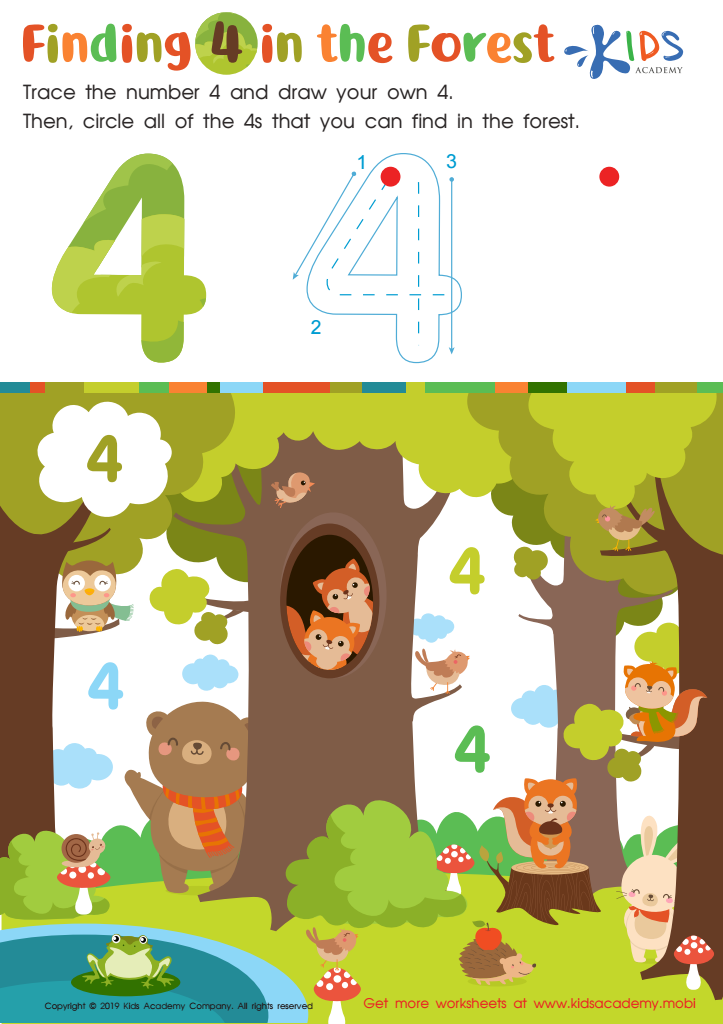
Finding 4 in the Forest Worksheet
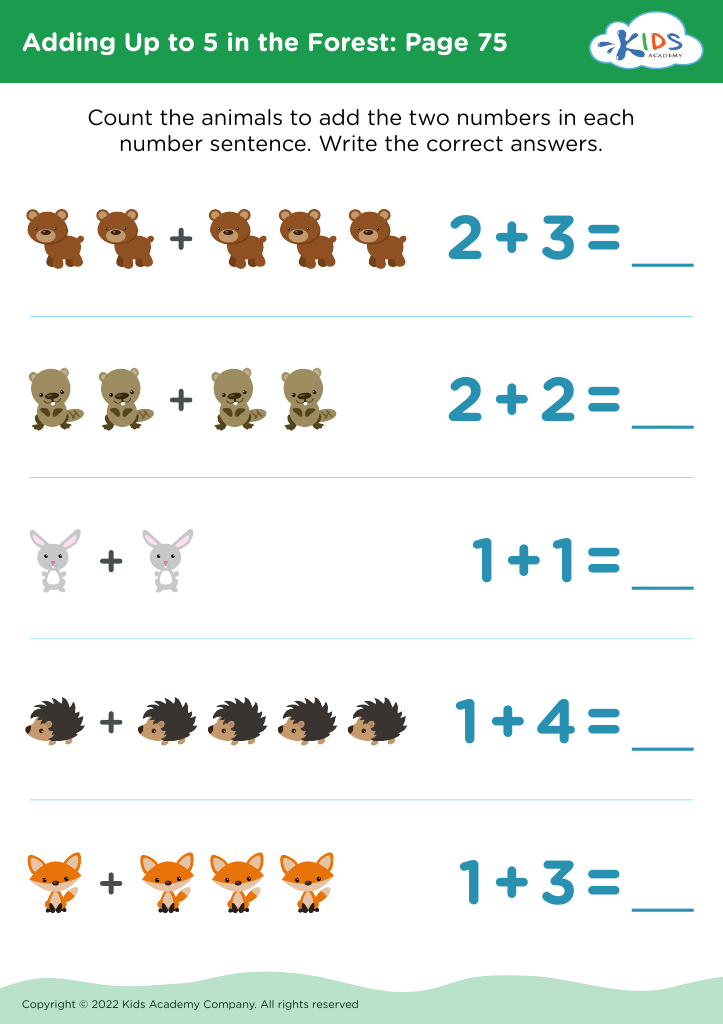
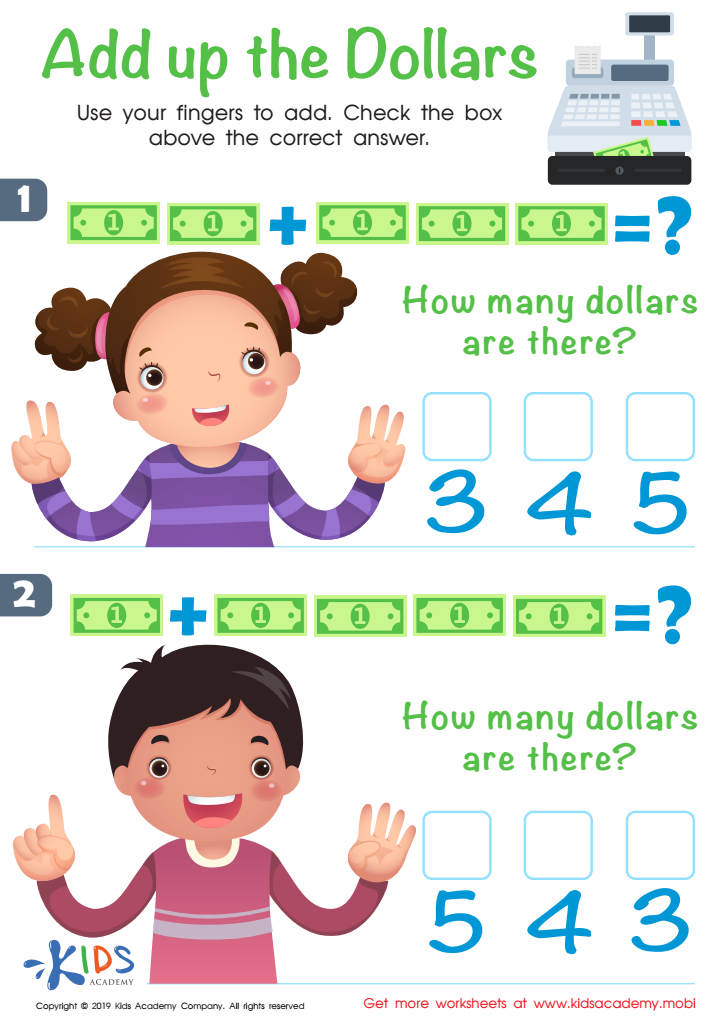
Add up the Dollars Worksheet




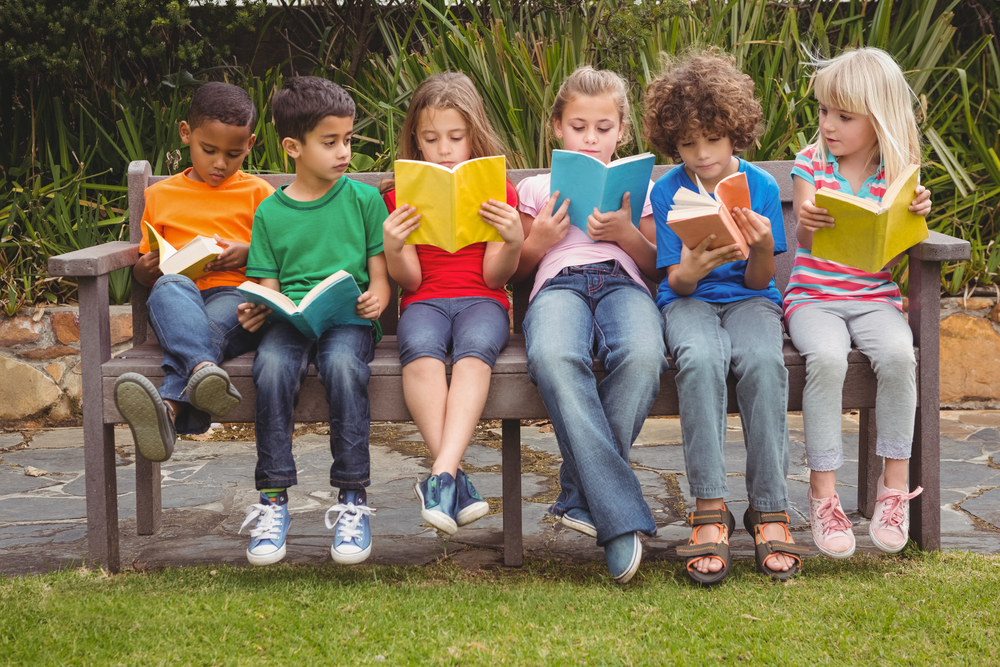



Basic math practice for ages 3-4 is essential for several reasons. At this developmental stage, children are naturally curious and eager to explore their environment. Engaging them in simple math concepts, such as counting, sorting, and recognizing shapes, lays the foundation for future learning. Early exposure to math helps children develop critical thinking skills, enhances problem-solving abilities, and promotes logical reasoning.
Moreover, math is intertwined with everyday life. When parents or teachers incorporate basic math activities into daily routines—like counting snacks, measuring ingredients for cooking, or identifying patterns in toys—they make learning relevant and fun. This interactive approach not only reinforces math concepts but also supports language development, as children learn to communicate and express their understanding.
Additionally, engaging children in math from an early age helps prevent math anxiety later on. By creating a positive learning environment and associating math with play and creativity, parents and teachers can foster a love for learning. Ultimately, laying a strong mathematical foundation during these formative years is crucial to the child's academic success and confidence in their abilities as they progress through their education.








