Observation skills Math Worksheets for Ages 3-4
3 filtered results
-
From - To
Boost your child's mathematical foundation and observation skills with our specially designed Math Worksheets for Ages 3-4. These engaging and colorful worksheets at Kids Academy help young learners enhance their attention to detail, pattern recognition, and critical thinking. Each worksheet offers fun activities like matching, sorting, and identifying differences, promoting both cognitive and motor skills development. Perfect for toddlers and preschoolers, these resources support early math comprehension in a playful and interactive manner. Download and print these observation skill worksheets to kick-start your child's math adventure and nurture a lifelong love for learning.
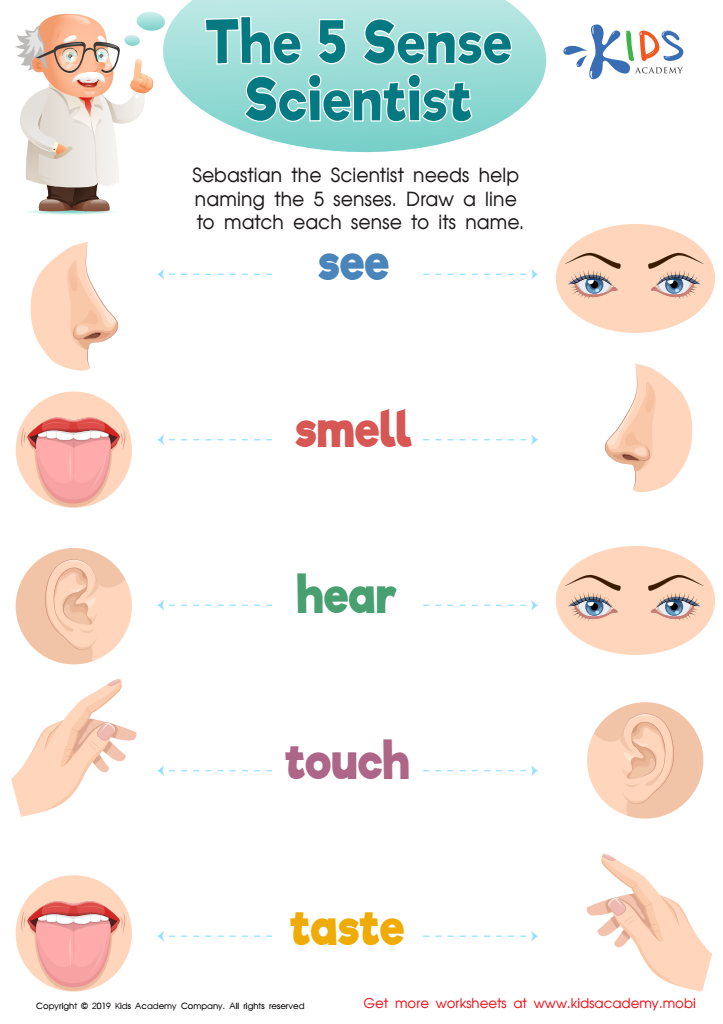
The 5 Sense Scientist Worksheet
 Assign to My Students
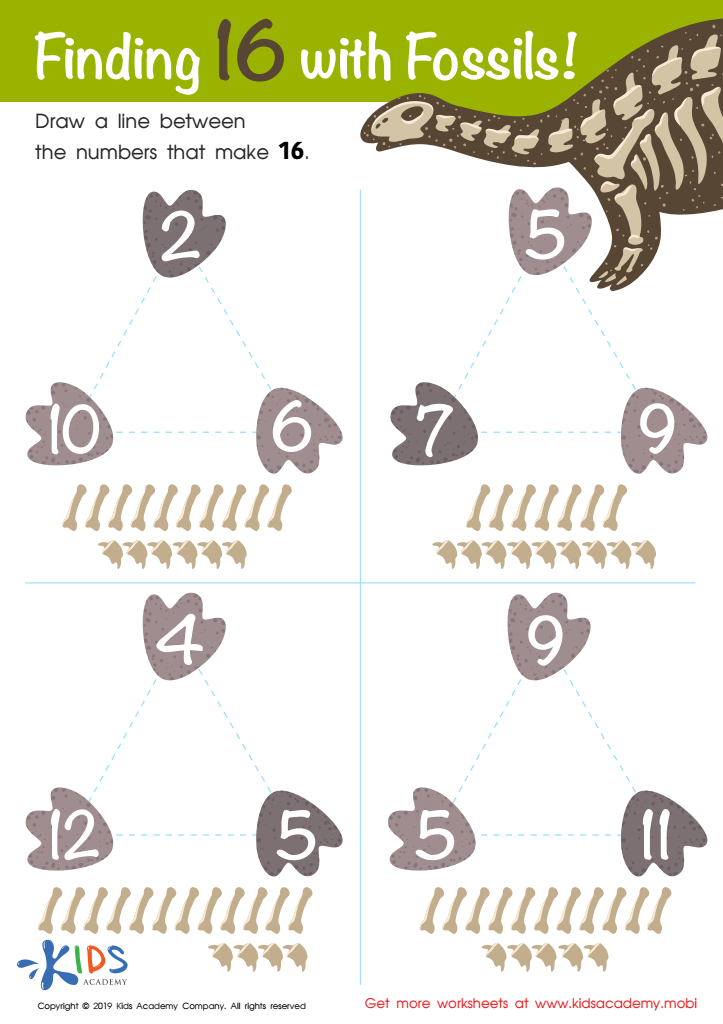
Finding 16 With Fossils Worksheet
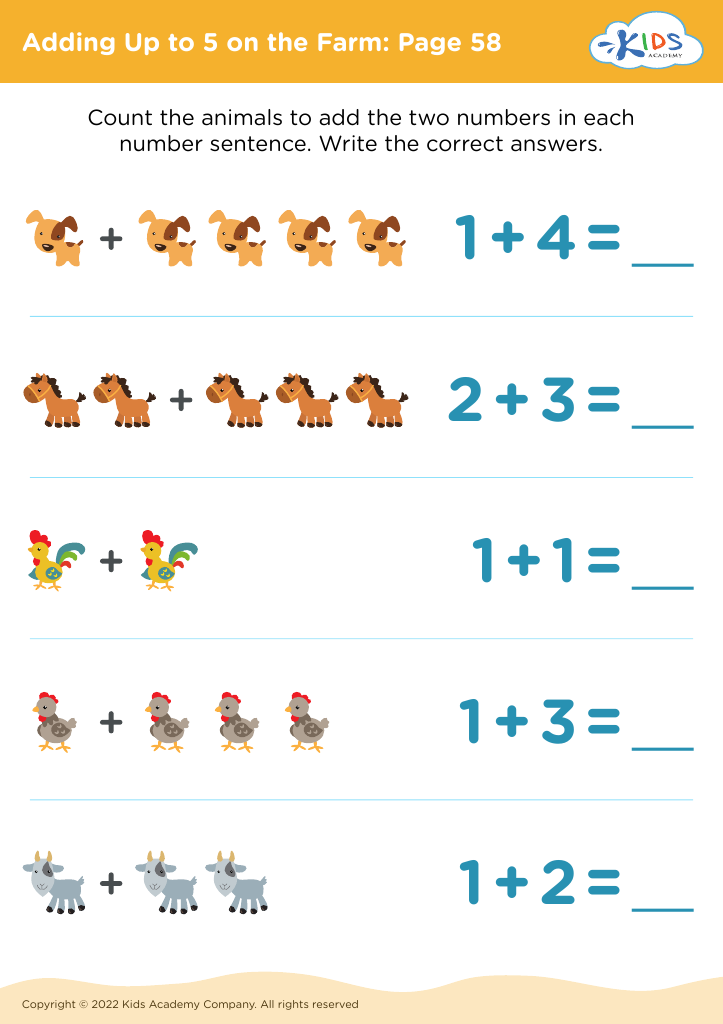



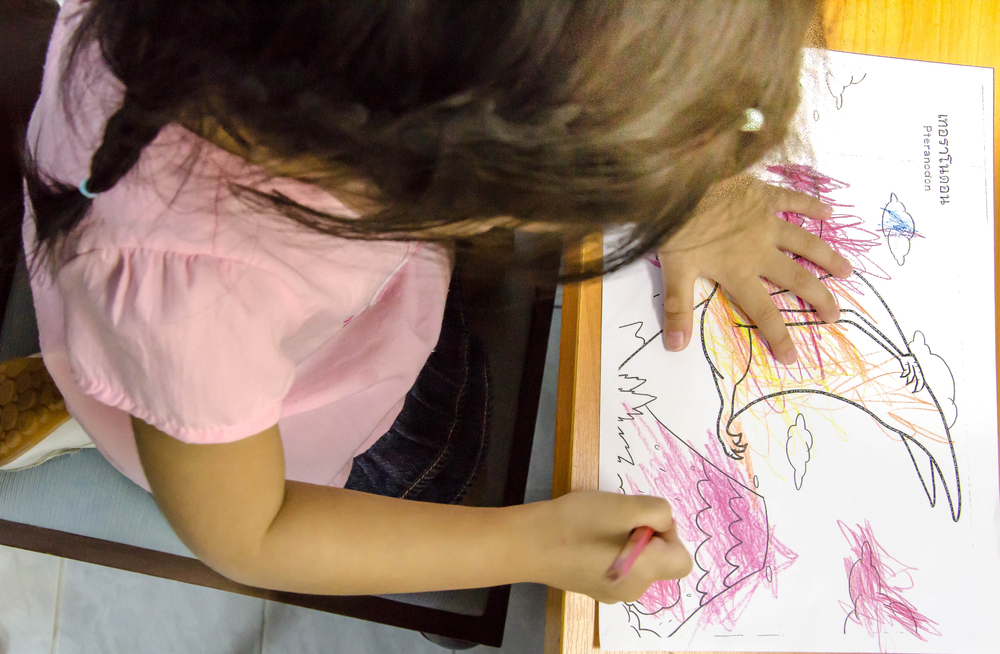




Observation skills in math for children aged 3-4 are fundamental in building a strong foundation for future mathematical understanding. At this tender age, kids are naturally curious and absorbent, making it the perfect time to cultivate their ability to notice and interpret patterns, shapes, quantities, and spatial relationships in their environment. These observation skills are the precursors to more complex math concepts they’ll encounter later in school.
Developing observation skills helps children to better recognize numbers and symbols, enabling them to grasp counting, sorting, and classifying objects. These activities are engaging and highly beneficial as they can transition easily into basic arithmetic. Observing and interacting with their surroundings allows children to see math as an integral part of daily life rather than an abstract subject.
For parents and teachers, fostering these skills doesn’t require formal lessons. Simple activities like playing with building blocks, sorting everyday items, counting car colors while traveling, or identifying shapes around the house can do wonders. By paying attention to these skills, parents and teachers help children build confidence and curiosity which are crucial for lifelong learning. Ultimately, strong observation skills in early math set the stage for academic success and nurture a positive attitude towards problem-solving and logical thinking.








