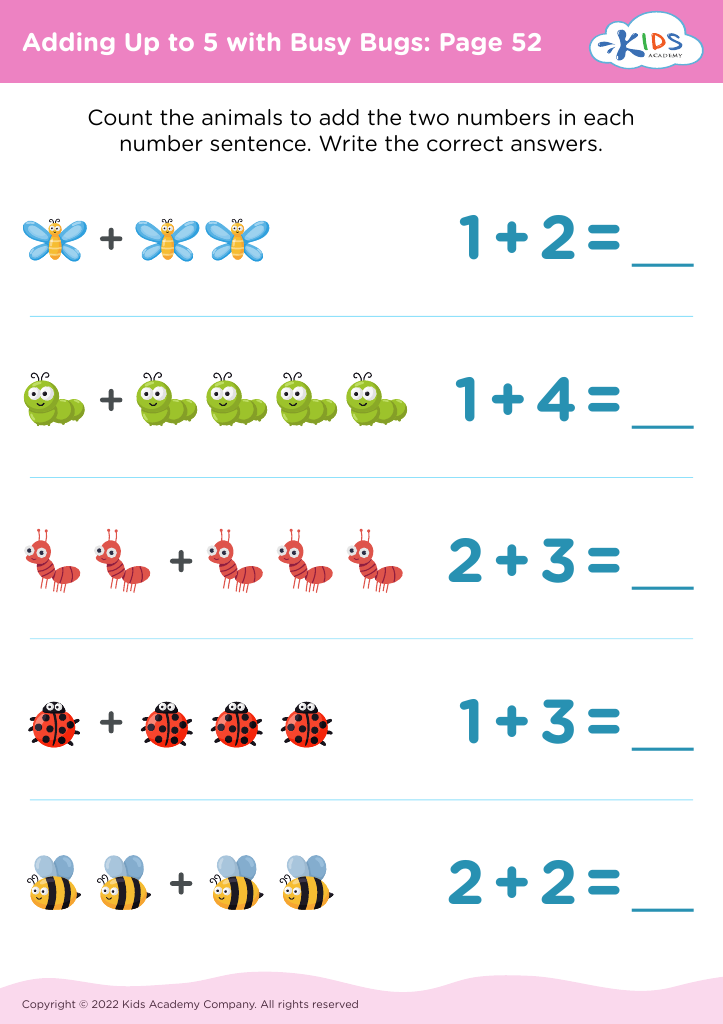








Parents and teachers should prioritize problem-solving skills in math for children aged 3-4 because these skills lay the foundation for critical thinking and cognitive development. During this age, children are naturally curious and eager to explore; engaging them in problem-solving activities helps to harness that curiosity and fosters a love for learning.
Developing problem-solving skills in young children enhances their ability to think logically, analyze situations, and find solutions. These skills not only benefit math but also translate to everyday challenges. For instance, when a child learns to count, measure, or recognize patterns, they are training their brain to approach problems with a systematic mindset.
Additionally, early exposure to math concepts promotes a stronger understanding as they progress through their education. Parents and teachers can use simple games, playful activities, and everyday situations to incorporate problem-solving into a child's routine, making learning enjoyable and relevant.
Finally, building confidence in problem-solving at this stage helps to reduce math anxiety in later years. By instilling a positive attitude towards math, educators and parents empower children to tackle challenges head-on, setting them up for lifelong success in academics and beyond.








