Real-life application Math Worksheets for Ages 3-4
3 filtered results
-
From - To
Discover our engaging Real-Life Application Math Worksheets for ages 3-4, designed to help young learners make meaningful connections between mathematics and their everyday experiences. Our worksheets encourage children to explore fundamental math concepts through fun, relatable scenarios, such as counting items during shopping or sorting toys at home. With vibrant illustrations and playful activities, these resources foster foundational skills like number recognition, basic addition and subtraction, and problem-solving. Ideal for both home and classroom use, our worksheets cultivate a love for learning while preparing kids for future math success. Dive into the world of practical math to bring numbers to life!
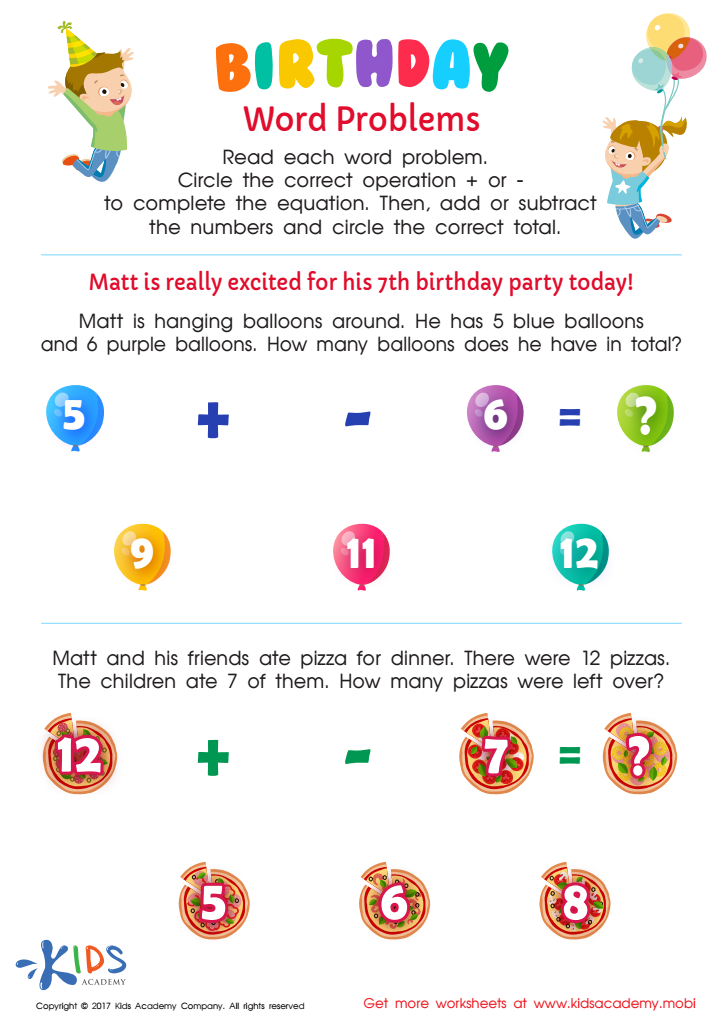
Birthday Word Problems Substraction Worksheet
 Assign to My Students
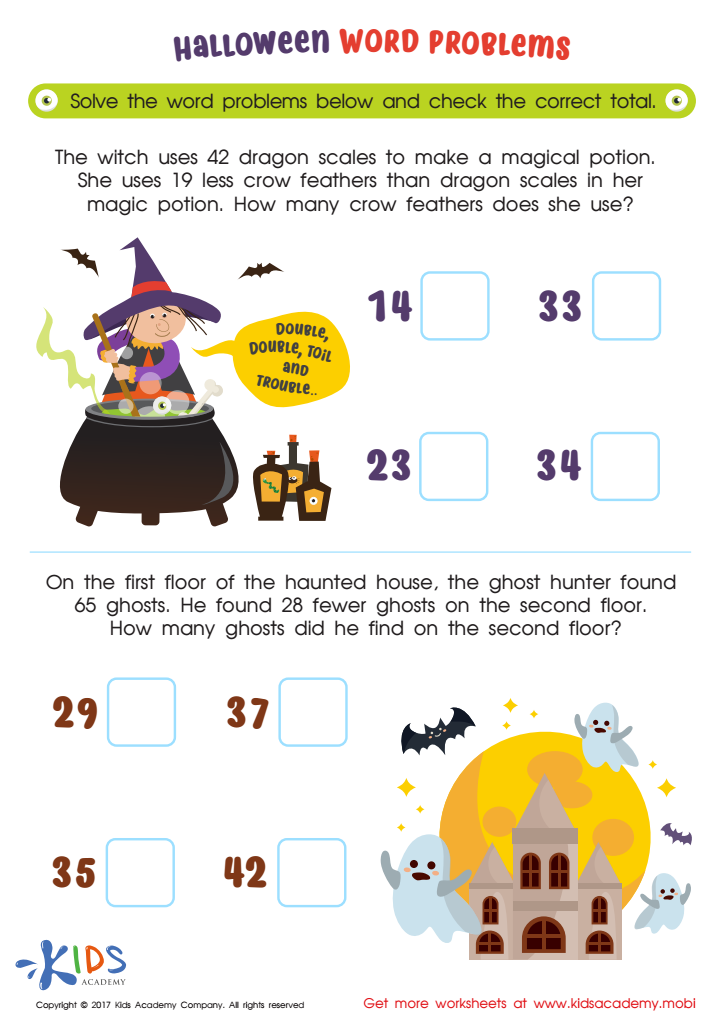
Halloween Word Problems Printable
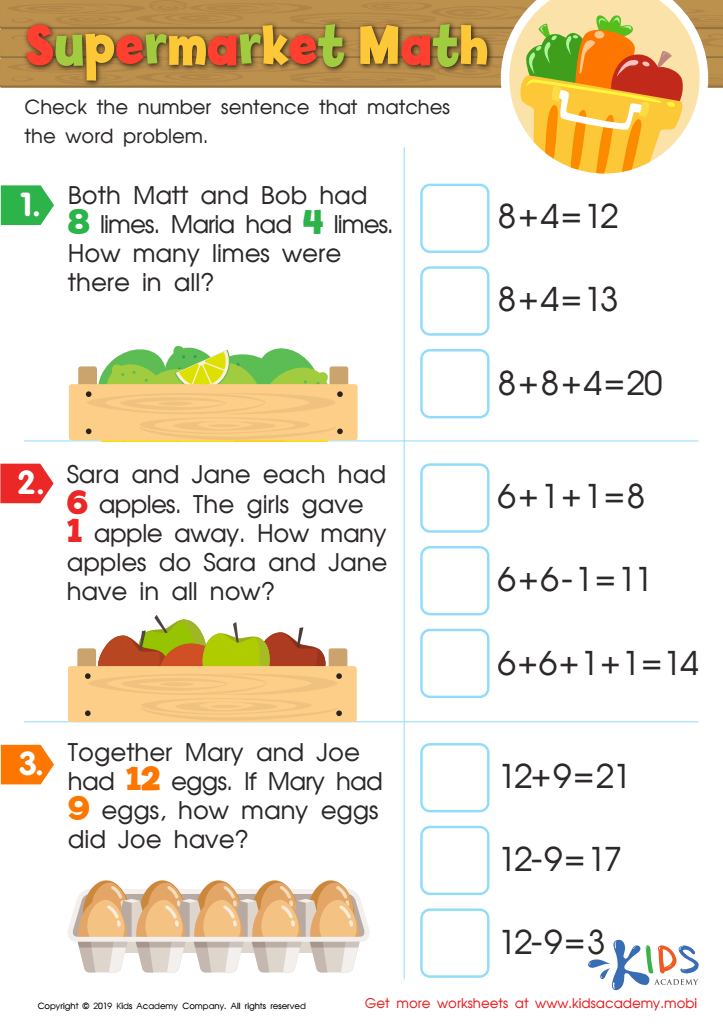
Supermarket Math Worksheet



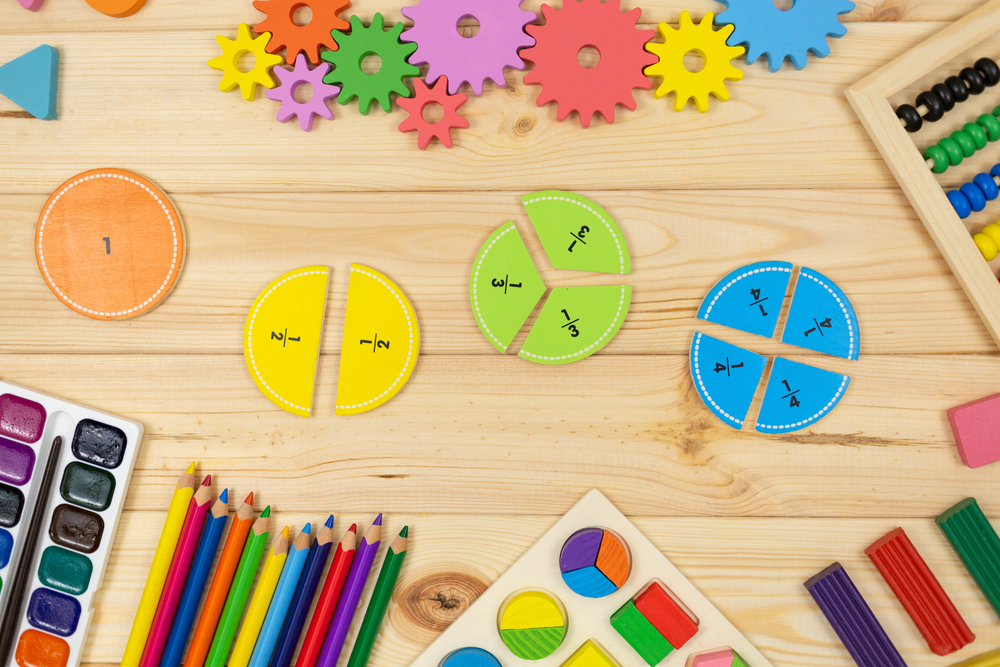


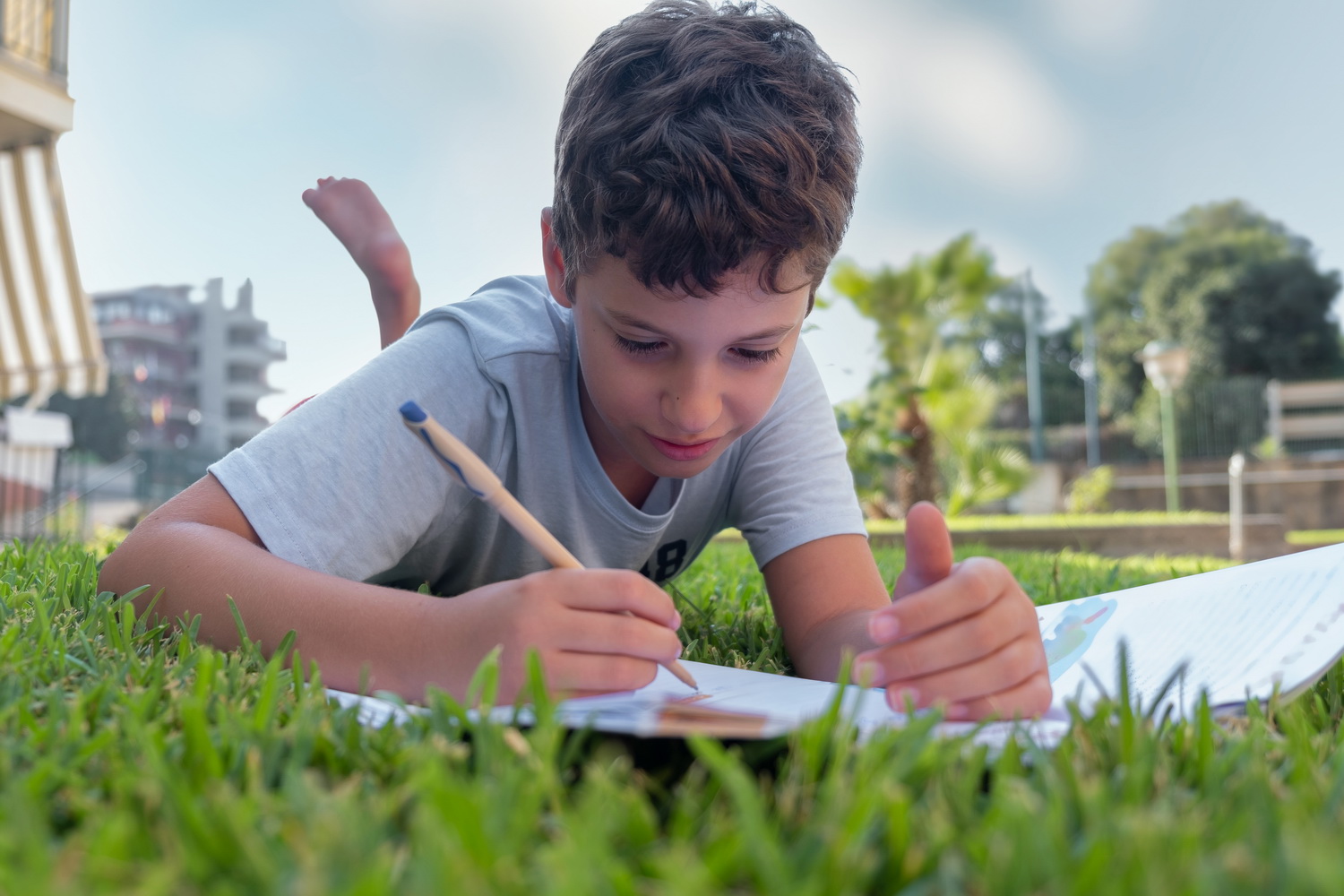

Real-life application math is crucial for preschoolers aged 3-4, as it lays the foundation for their future mathematical understanding and critical thinking skills. At this age, children are naturally curious and learn best through hands-on experiences. By incorporating math into daily routines and real-world scenarios, parents and teachers can make learning meaningful and engaging. This can be as simple as counting snacks at mealtime, measuring ingredients during cooking, or identifying shapes and patterns in their environment.
Understanding math in context helps children see its relevance, fostering a positive attitude towards the subject as they grow. Early exposure to concepts like counting, sorting, and basic measurement equips them with problem-solving skills essential for everyday tasks. Moreover, it supports cognitive development by encouraging children to ask questions, make connections, and develop logical thinking.
By focusing on real-life applications, parents and teachers can create a rich mathematical environment that encourages exploration and discovery. This approach not only promotes mathematical fluency but also builds confidence, setting the stage for future academic success. Ultimately, caring about real-life application math sends the message to children that math is not just a subject for the classroom but an invaluable tool for everyday life.








