Story comprehension Math Worksheets for Ages 3-4
3 filtered results
-
From - To
Discover engaging Story Comprehension Math Worksheets designed specifically for children ages 3-4! ThesePrintable worksheets combine storytelling with essential math skills, making learning fun and interactive. Perfect for young learners, our resources help develop early literacy and numeracy through colorful illustrations and relatable scenarios. Each worksheet encourages kids to read short stories and answer questions that integrate math concepts, fostering critical thinking and comprehension abilities. Ideal for classroom or home use, these activities will captivate young minds while building foundational skills in both reading and mathematics. Start your child's journey to success with our delightful story comprehension math worksheets today!
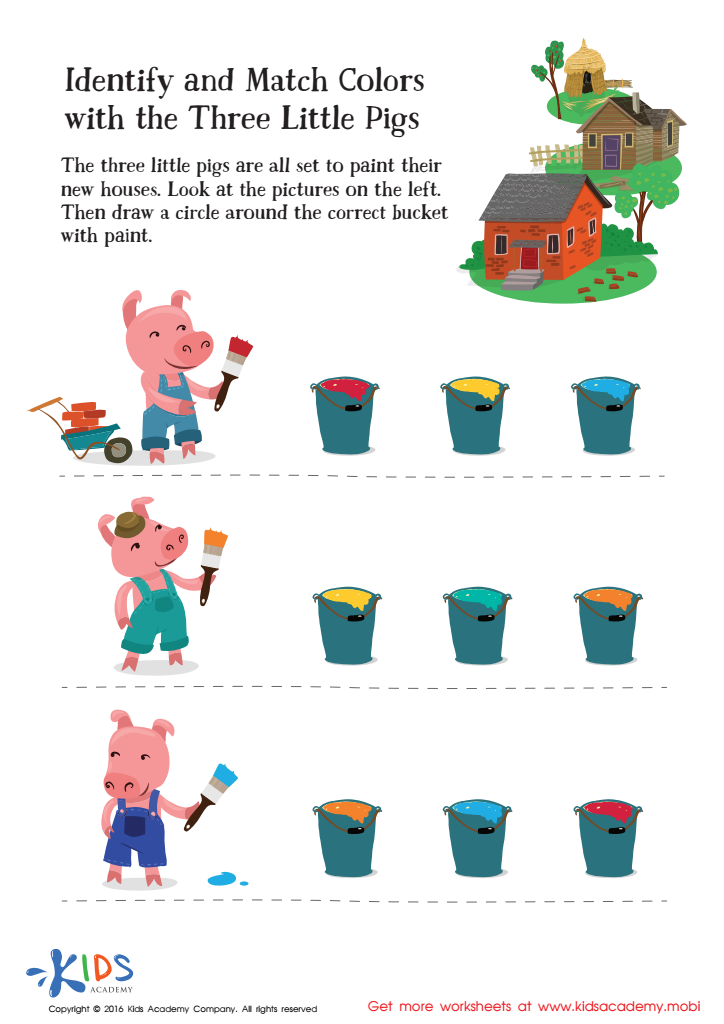
Fairy Tale Worksheet: Identify and Match Colors with Three Little Pigs
 Assign to My Students
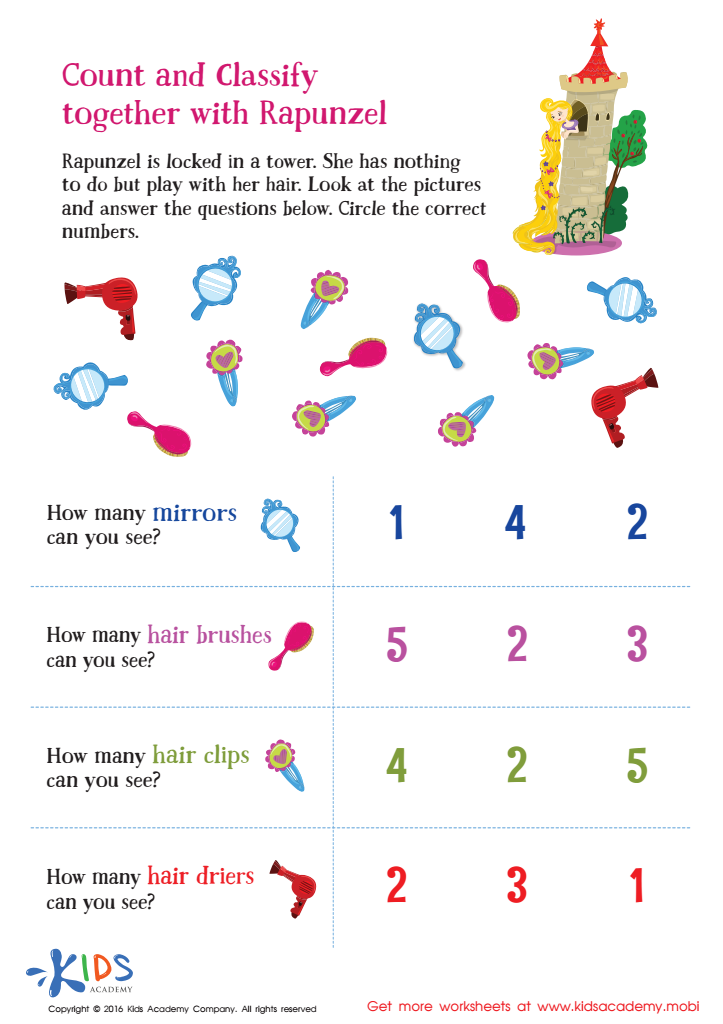
Fairy Tale Worksheet: Count and Classify with Rapunzel
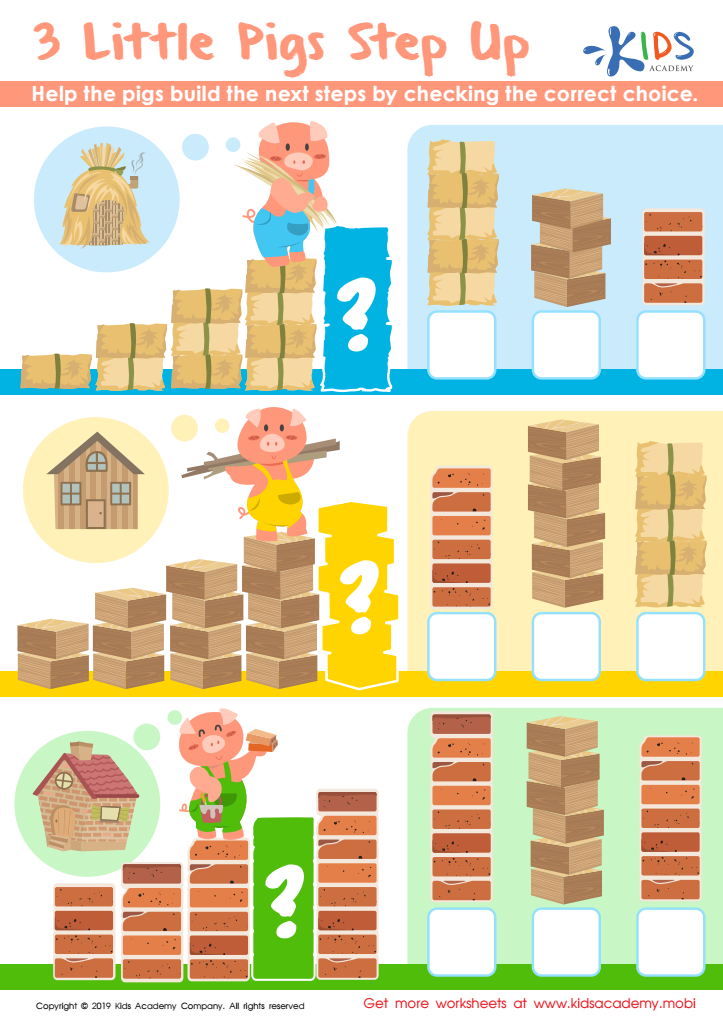
3 Little Pigs Step Up Worksheet








Parents and teachers should prioritize story comprehension in math for ages 3-4 due to its profound impact on young children's overall cognitive development. At this stage, children are naturally curious, and they learn best through storytelling, which makes math concepts more relatable and engaging. Understanding story comprehension in math enhances children’s ability to connect numerical concepts to real-life situations, fostering critical thinking skills and problem-solving abilities.
Moreover, integrating stories with math helps develop language skills as children learn to express their understanding of mathematical ideas. It encourages them to verbalize their thoughts, aiding not only in math but also in literacy development. This dual focus enhances their communication skills and confidence.
Additionally, focusing on storytelling in math promotes social learning. Children often engage in group discussions or partner activities, allowing them to learn from each other. This collaborative aspect encourages sharing of diverse perspectives.
Ultimately, story comprehension in math lays a strong foundation for later, more complex mathematical thinking. By nurturing these early skills, parents and teachers help cultivate a lifelong love for math and learning, as children begin to view math not as a series of abstract concepts but as a joyful part of storytelling and everyday life.








