Understanding number values Math Worksheets for Ages 3-4
3 filtered results
-
From - To
Our "Understanding Number Values Math Worksheets for Ages 3-4" are designed to help young learners grasp foundational math concepts. These engaging, age-appropriate worksheets focus on recognizing and understanding number values through fun activities and exercises. Children will enjoy a variety of interactive tasks, from counting and comparing numbers to connecting number symbols with their corresponding quantities. By incorporating visually appealing designs and hands-on practice, these worksheets promote early math skills development, setting a solid groundwork for future learning. Support your child's educational journey with these expertly crafted resources that make learning numbers an enjoyable adventure.
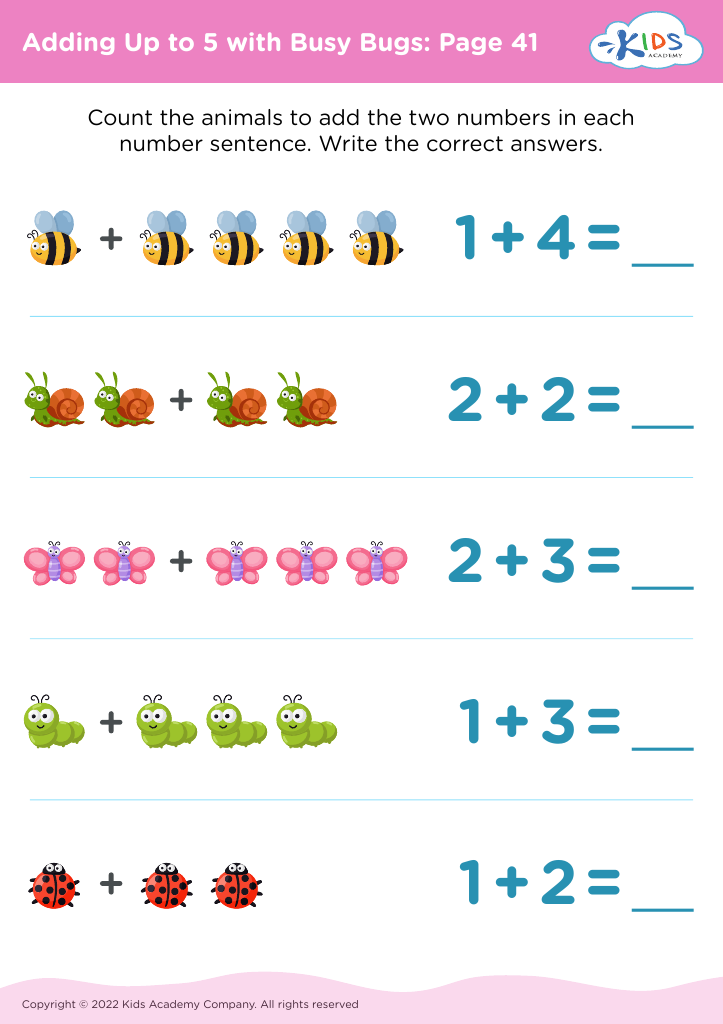
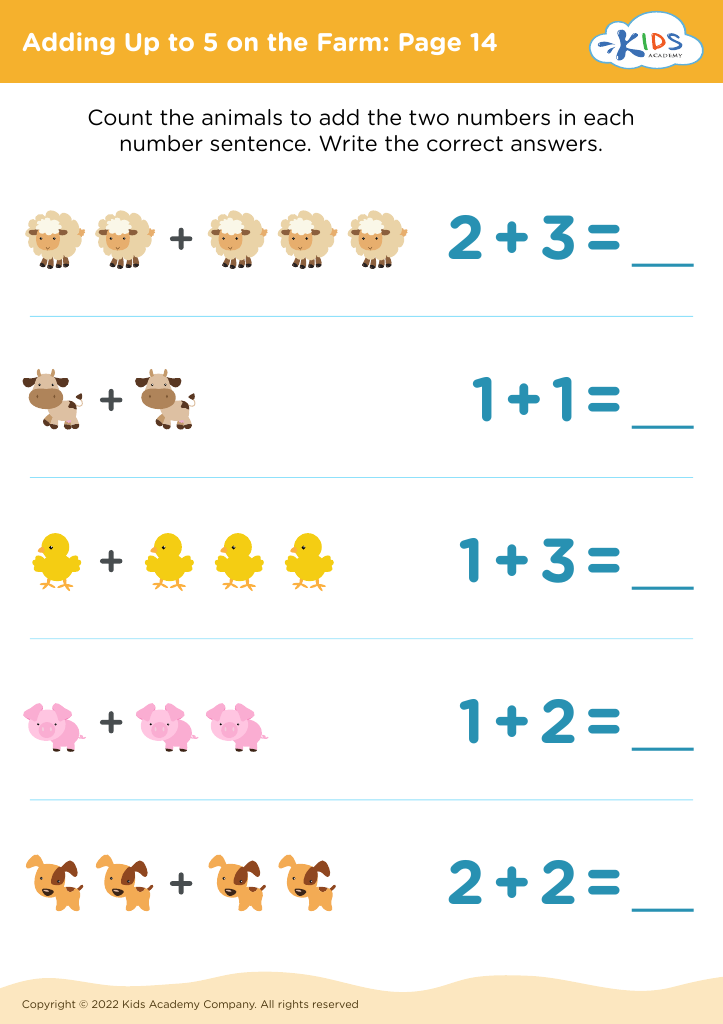
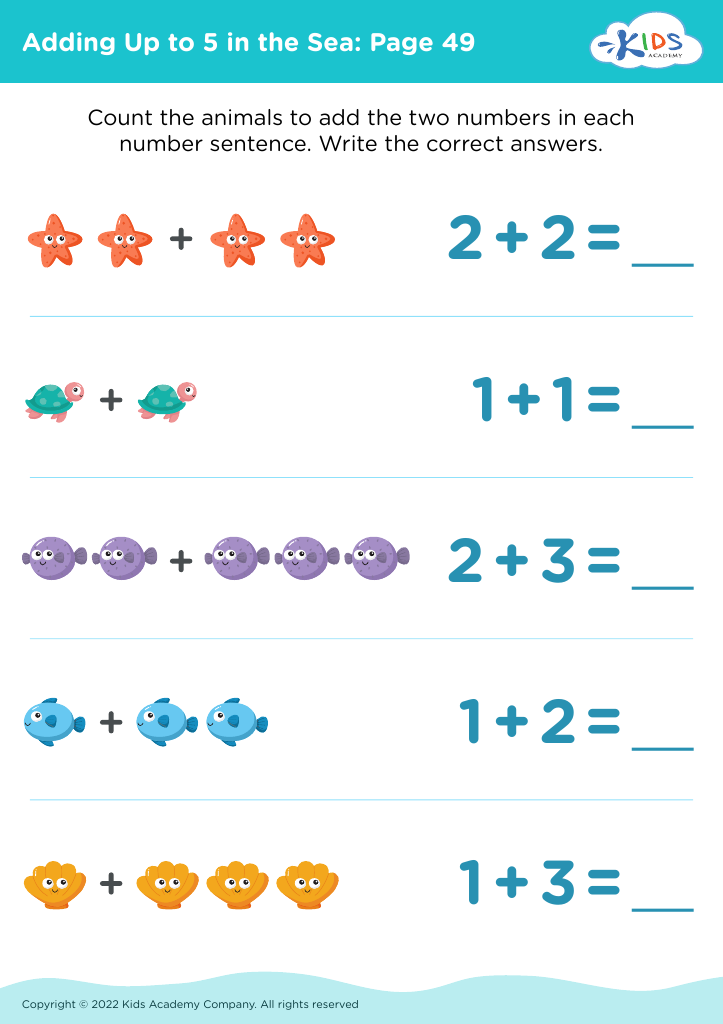



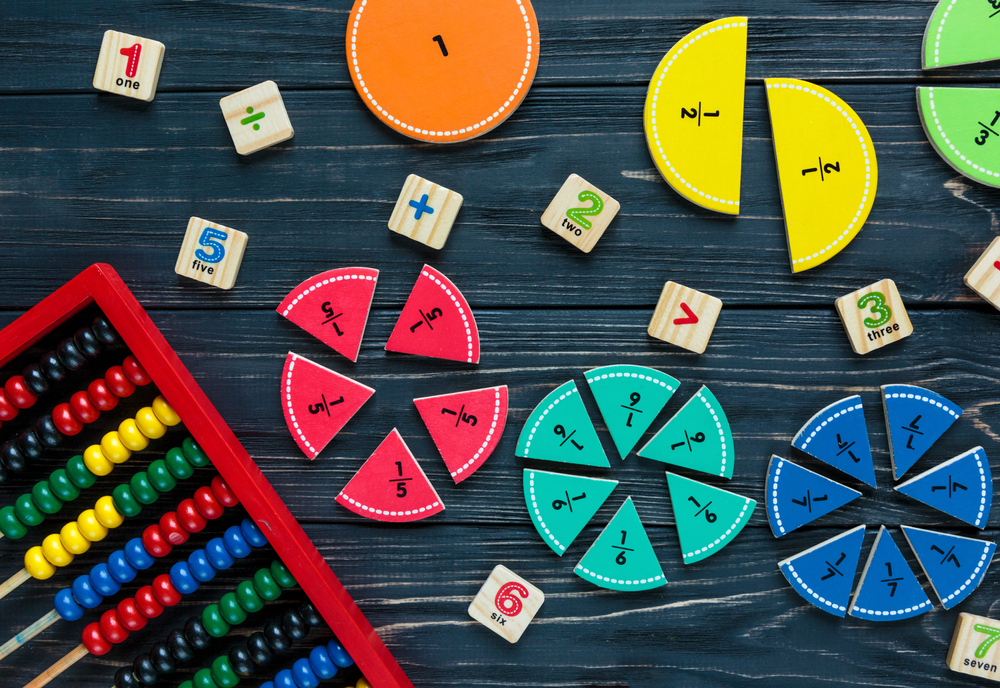




Understanding number values at an early age is crucial for a child's development, both academically and in daily life. For children ages 3-4, this foundational math skill helps build their numeracy and cognitive abilities. Grasping number values begins with recognizing numbers and gradually understanding what they represent, like quantities and order. This fundamental knowledge sets the stage for more complex mathematical concepts they will encounter in the future.
Parents and teachers should prioritize this area of early learning because it develops critical thinking and problem-solving skills. Recognizing and understanding numbers enable children to make sense of the world around them, from counting toys to recognizing numbers in their environment. Early mastery of these concepts also promotes confidence and encourages a positive attitude toward learning.
Moreover, early math skills are predictive of later success in school. Studies show that children who start with strong number foundations are more likely to excel in math and other subjects. Parents and teachers have the unique opportunity to spark an interest in numbers through engaging, playful activities such as counting games, number songs, and hands-on experiences with objects. These foundational math skills become building blocks for a lifetime of analytical thinking and academic success.








