Visualization skills Math Worksheets for Ages 3-4
3 filtered results
-
From - To
Enhance essential visualization skills with our engaging math worksheets designed specifically for children aged 3-4. These interactive activities promote critical thinking and spatial awareness, guiding young learners as they explore shapes, patterns, and spatial relationships. Our worksheets are crafted with colorful illustrations and relatable contexts to make learning fun and enjoyable. These resources help children develop their imagination and problem-solving skills, laying a strong foundation for future mathematical concepts. Perfect for at-home learning or classroom use, our visualization skills math worksheets are an invaluable tool for early education growth. Spark curiosity and instill a love for learning with our comprehensive materials!
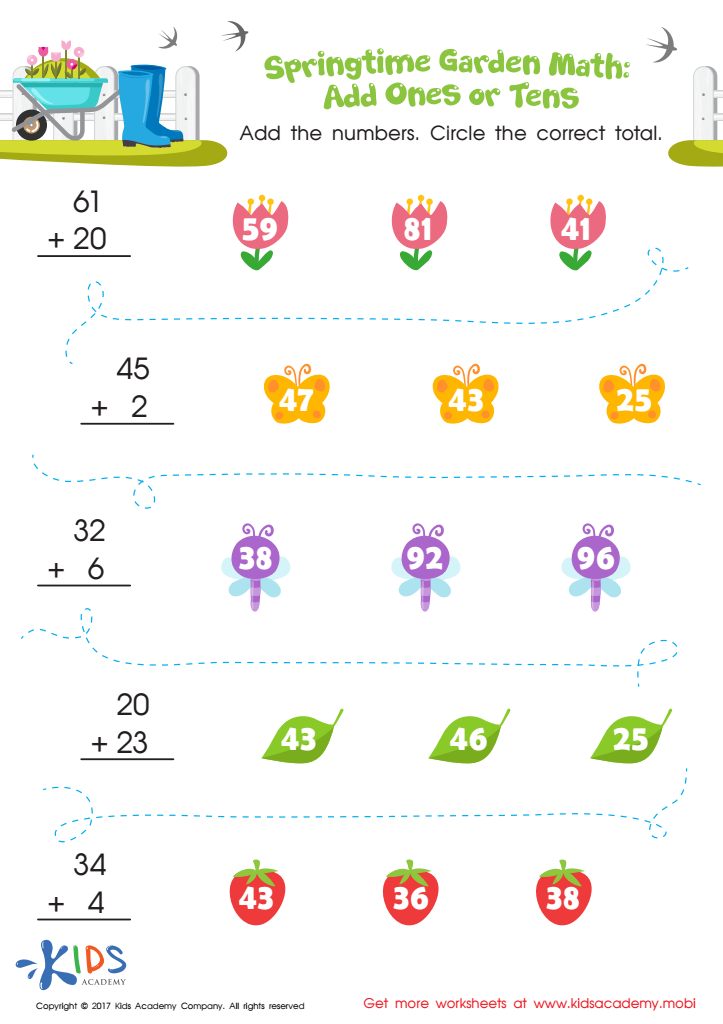
Springtime Garden Math Worksheet
 Assign to My Students






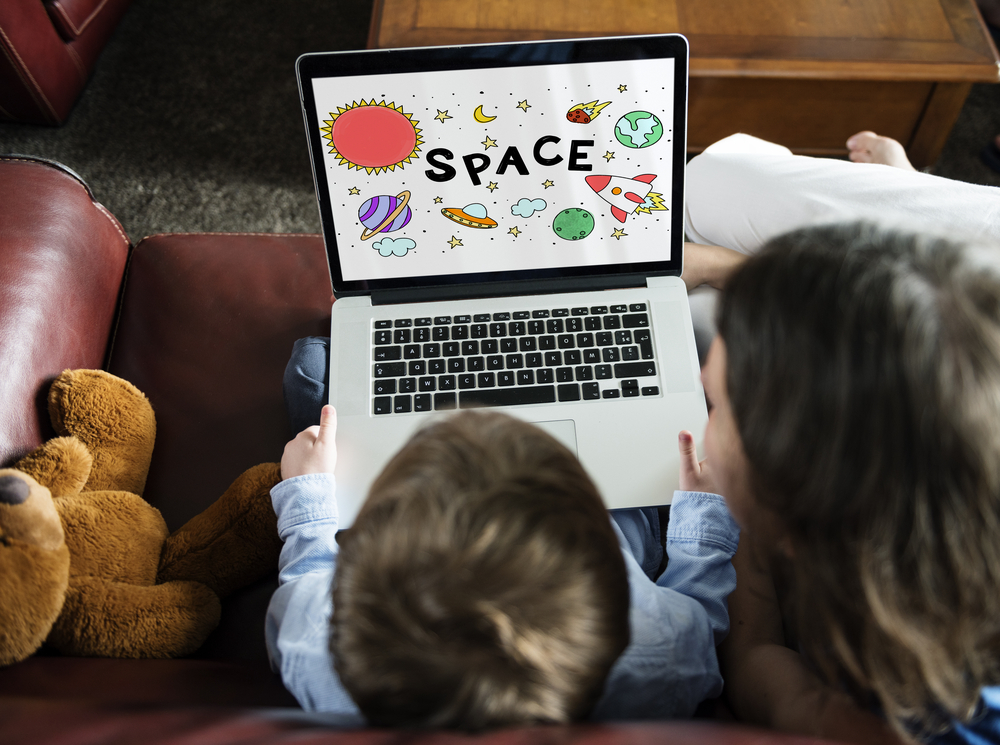

Parents and teachers should care about visualization skills in math for ages 3-4 because these skills lay the foundation for critical thinking and problem-solving. At this age, children are naturally curious and eager to explore the world around them, and fostering visualization helps them connect abstract mathematical concepts to concrete experiences. By visualizing numbers, shapes, and patterns, young learners develop a stronger understanding of mathematical relationships, which is crucial for future success in math.
Additionally, visualization encourages creativity and imagination, making learning enjoyable for young children. Engaging in activities like drawing, building with blocks, or using manipulatives allows them to manipulate objects and visualize math concepts in a hands-on way. This tactile approach not only enhances learning but also boosts cognitive development.
Furthermore, strong visualization skills boost a child’s confidence and independent thinking. As they visualize solutions, they learn to approach problems methodically, setting the stage for more complex math in later years. In sum, cultivating visualization skills in early childhood not only benefits math learning but also supports overall cognitive and emotional growth, nurturing a positive attitude towards learning that can last a lifetime. Investing in these skills ensures children develop a solid math foundation.








