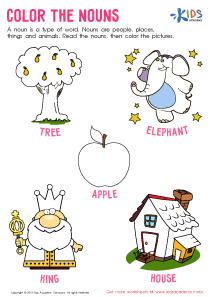
Color Identification Numbers 0–10 Worksheets for Ages 3-4
7 filtered results
-
From - To
Our Color Identification Numbers 0–10 Worksheets for Ages 3-4 are designed to make learning numbers and colors fun and engaging for young children. These printable activities combine number recognition and coloring, helping toddlers and preschoolers develop essential math skills alongside fine motor skills. Kids will enjoy identifying and coloring numbers 0 to 10, making early education interactive and enjoyable. Perfect for parents and teachers, these worksheets support early childhood development and provide a strong foundation for future learning. Visit our website to download these captivating and educational resources today!
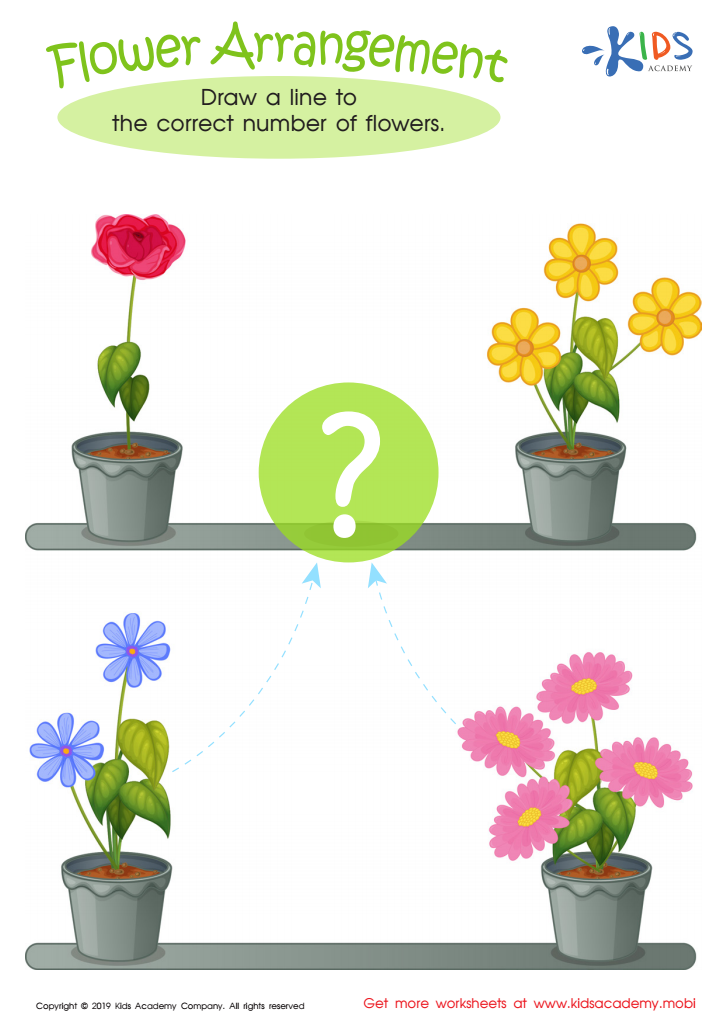
Flower Arrangement Worksheet
 Assign to My Students
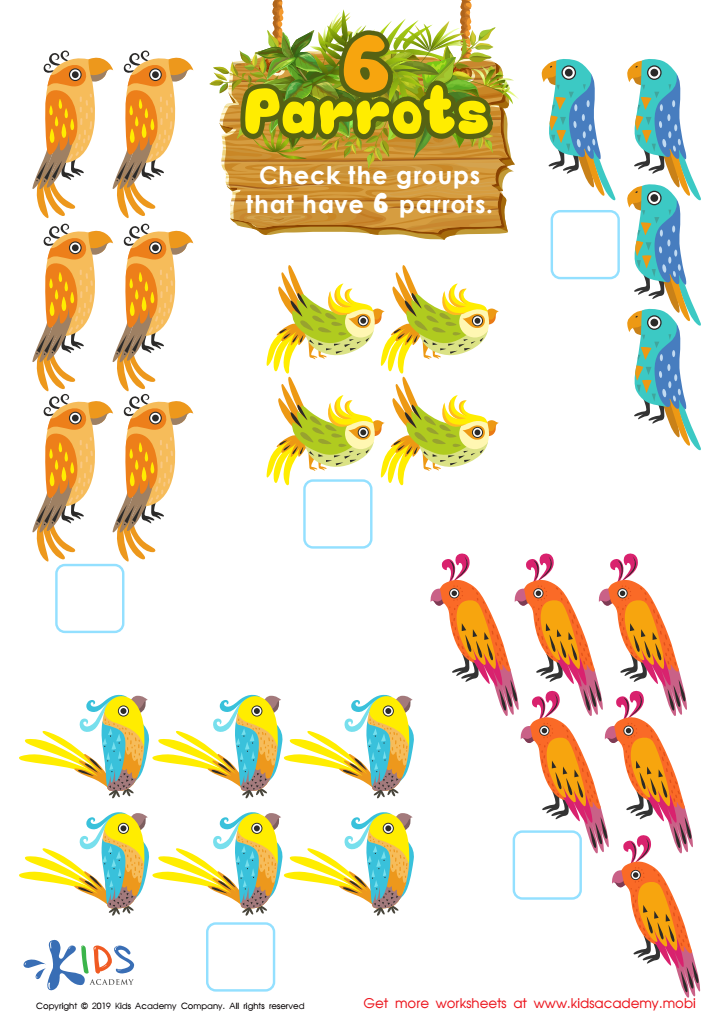
6 Parrots Worksheet
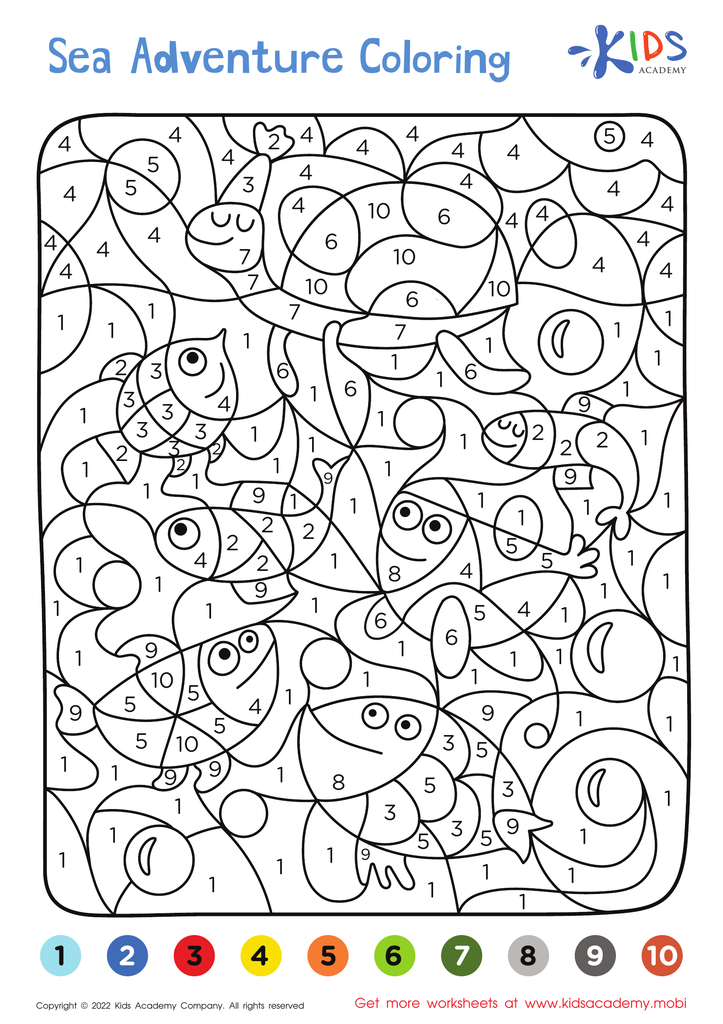
Sea Adventure – Coloring by Numbers
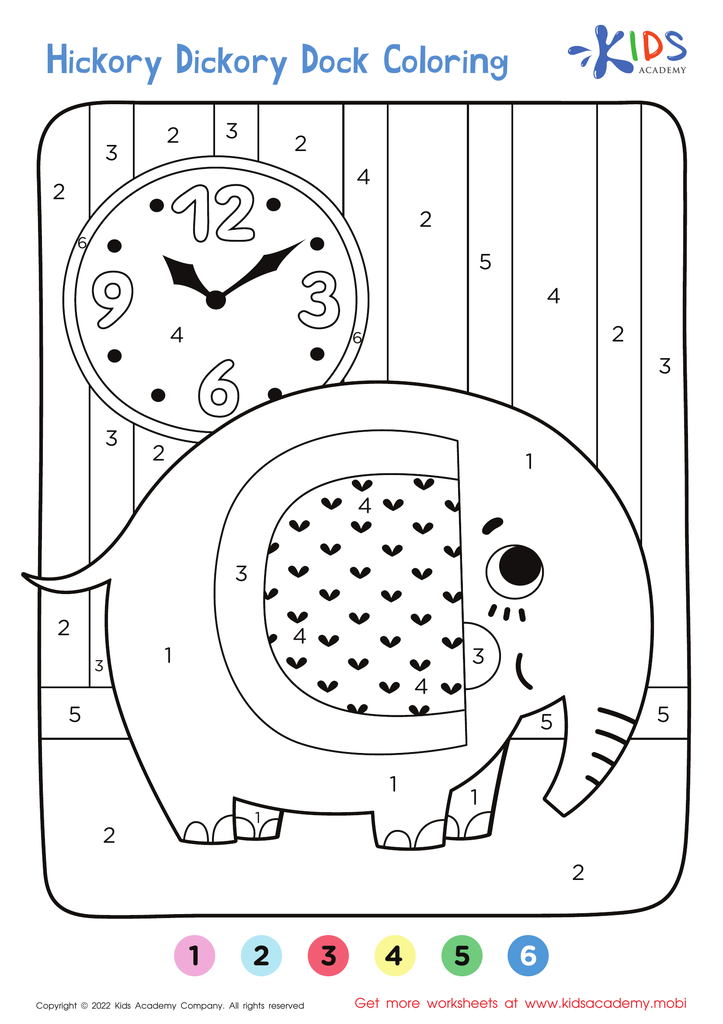
Hickory Dickory Dock – Coloring by Numbers
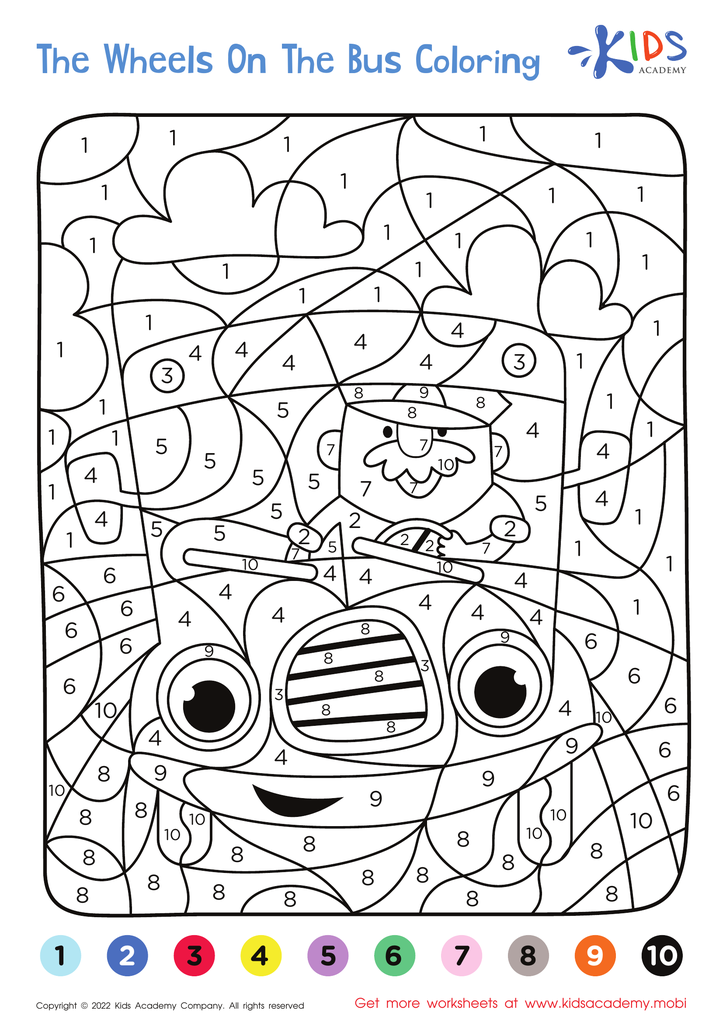
Wheels on the Bus – Coloring by Numbers
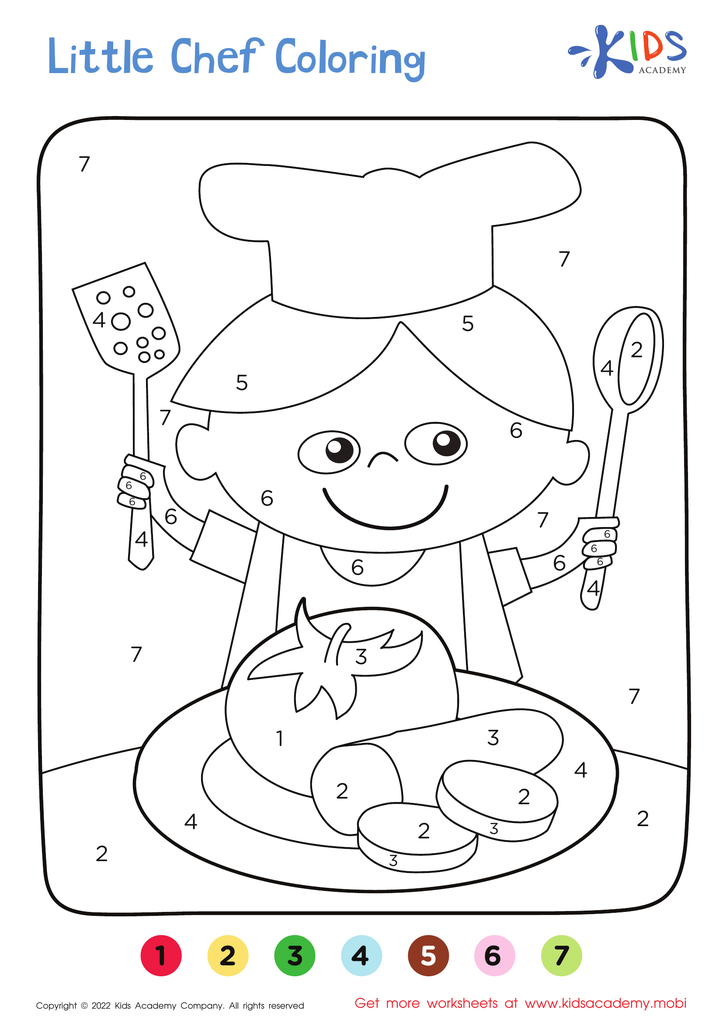
Little Chef – Coloring by Numbers
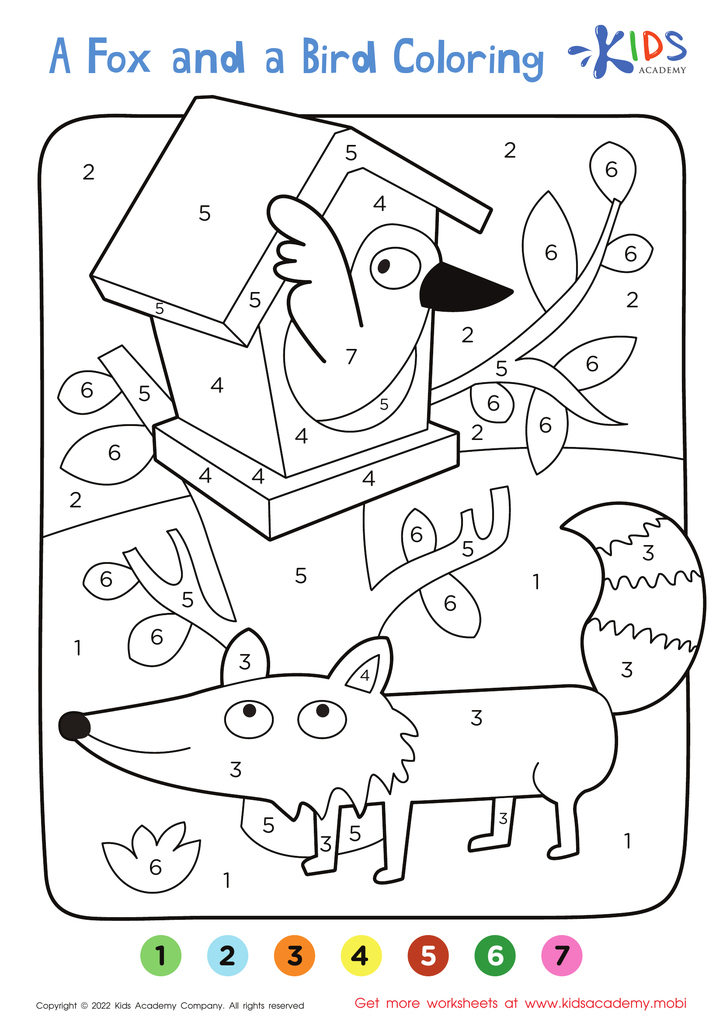
A Fox and a Bird – Coloring by Numbers








Understanding color identification numbers (0-10) is crucial for children ages 3-4 as it lays the foundation for their academic and social development. At this age, children are in a critical period for cognitive and language development. By connecting colors with numbers, parents and teachers facilitate a multi-sensory learning experience that enhances memory and understanding. For instance, associating the number 3 with three red apples helps cement both the numerical concept and color recognition.
Incorporating color identification numbers into daily activities promotes critical thinking and problem-solving skills. For example, simple tasks like grouping toys by color or counting colored blocks stimulate the brain, aiding in the development of logical reasoning and early math abilities. This foundational knowledge is essential as children progress to more complex topics in subsequent years.
Moreover, teaching color identification fosters creativity and self-expression. Young learners often use colors to express their emotions and describe the world around them, enabling them to communicate more effectively. Understanding numbers also encourages independence and confidence as children begin to understand and interpret their surroundings in quantifiable terms.
In conclusion, integrating color identification numbers into early education is vital for cognitive growth, effective communication, and academic preparedness, setting the stage for lifelong learning and intellectual development.