Understanding sequencing Numbers 0–10 Worksheets for Ages 3-4
4 filtered results
-
From - To
Introduce your child to the basics of number sequencing with our engaging "Understanding Sequencing Numbers 0–10 Worksheets" for ages 3-4. These carefully designed printable worksheets help preschoolers grasp the concept of ordering numbers through fun and interactive activities. By identifying and arranging numbers, children develop essential math skills that form the foundation for future learning. Each worksheet offers a variety of exercises, including matching, tracing, and filling in missing numbers, providing a comprehensive learning experience. Ideal for using at home or in the classroom, these worksheets make learning numbers an enjoyable adventure for young minds.
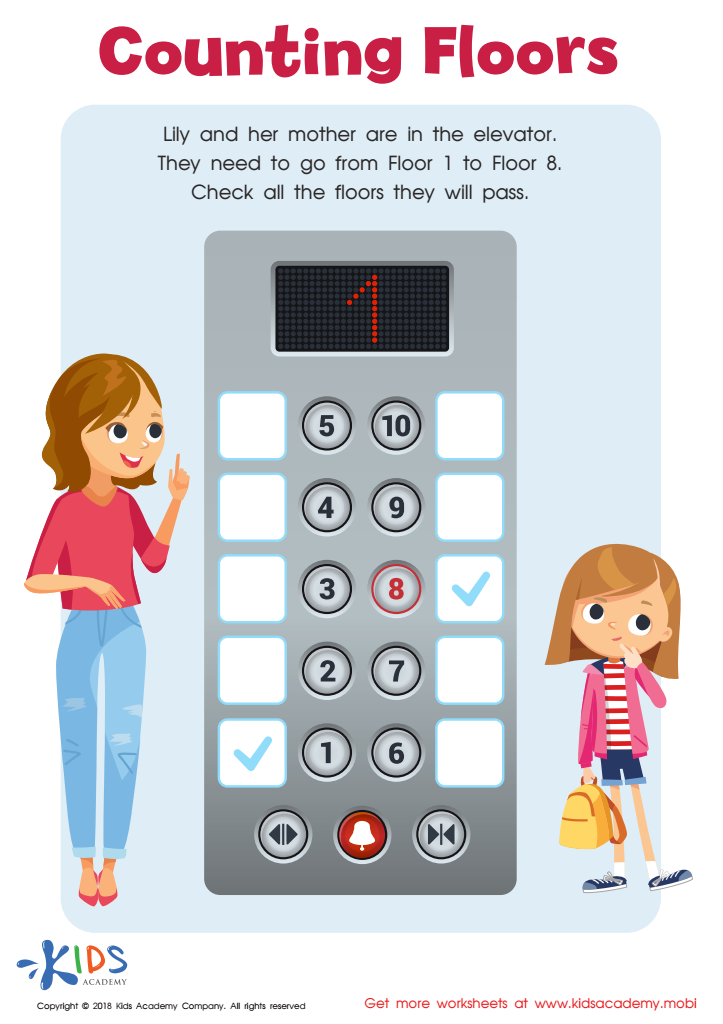
Counting Floors Worksheet
 Assign to My Students
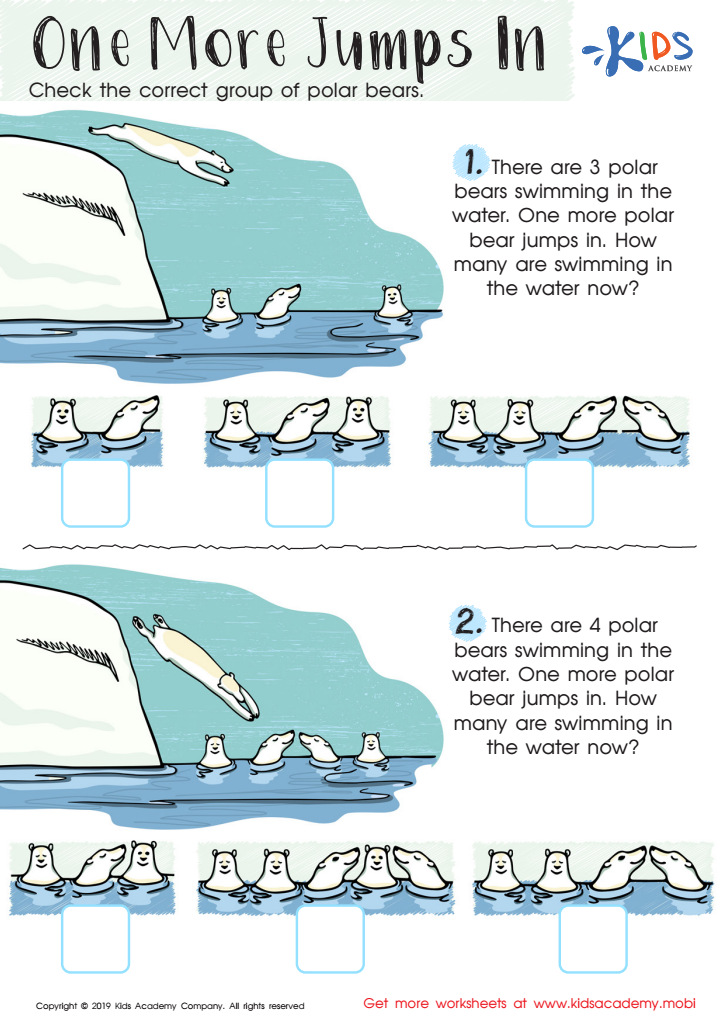
One More Jumps In Worksheet
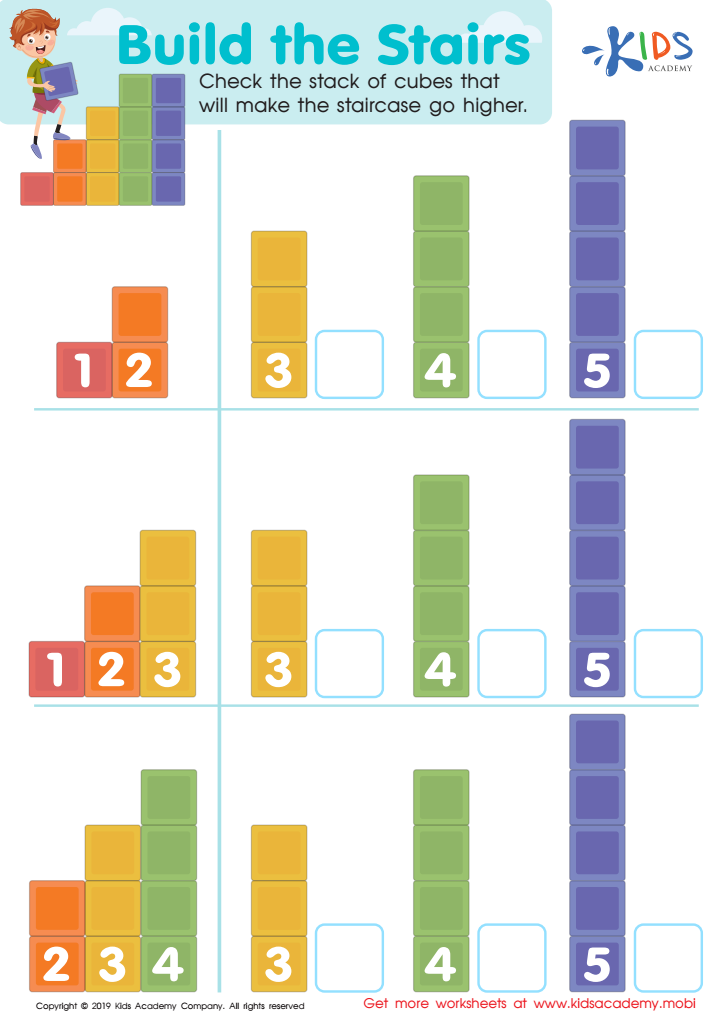
Build the Stairs Worksheet
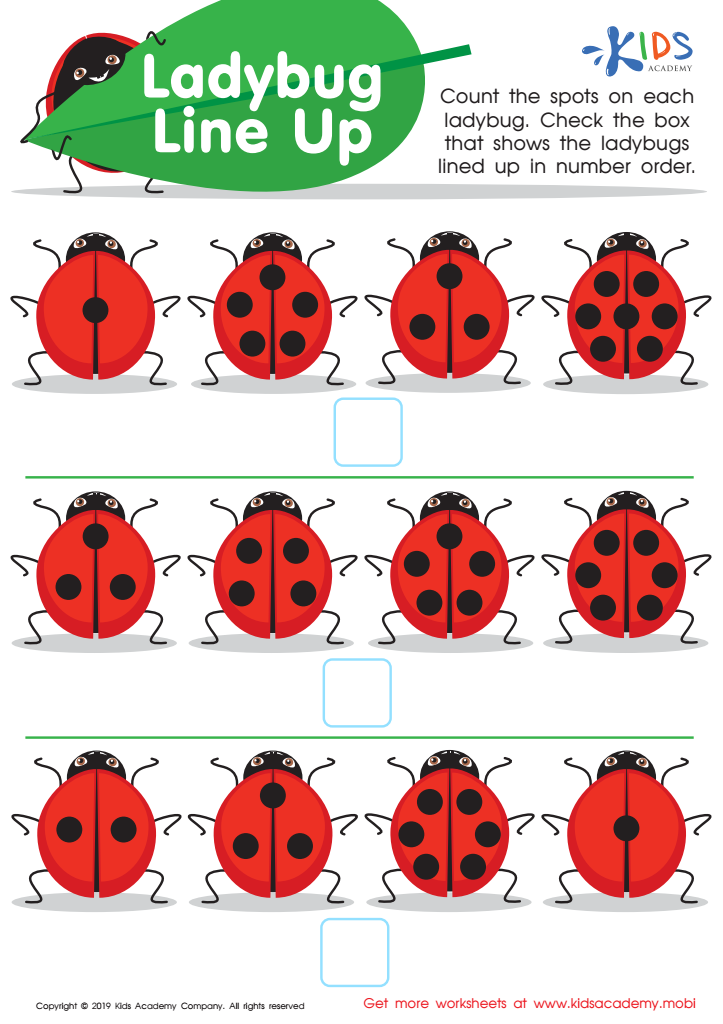
Ladybug Line Up Worksheet







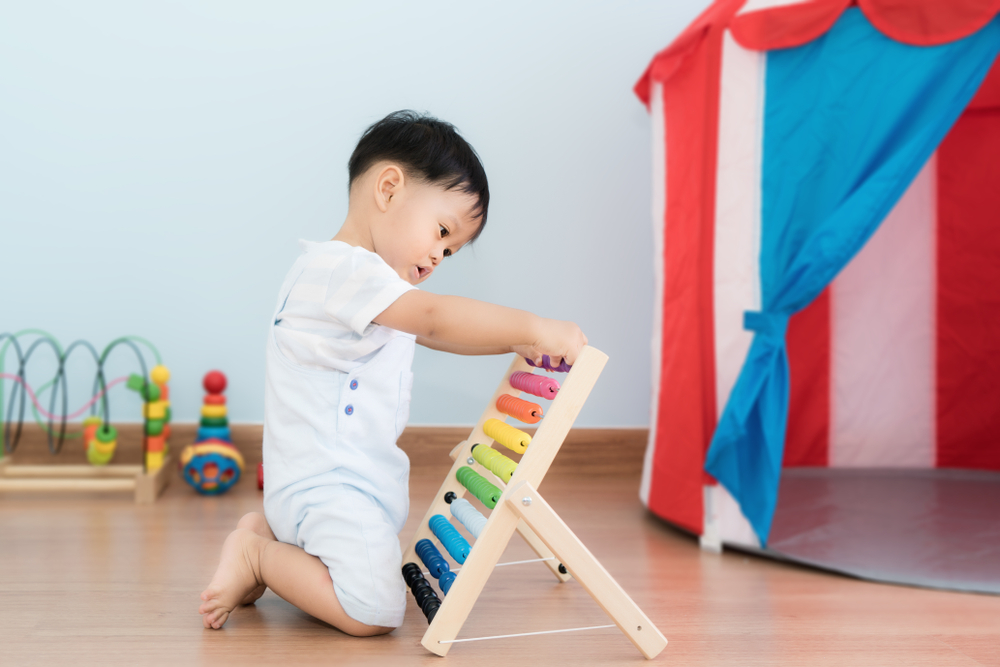
Understanding sequencing numbers from 0 to 10 is fundamental for young children aged 3-4 as it lays the groundwork for their mathematical development. For one, it helps cultivate their number sense, enabling them to comprehend the concept of order and the relationships between numbers. Recognizing that numbers follow a particular sequence helps children grasp more complex arithmetic principles later on, such as addition and subtraction.
Furthermore, sequencing supports cognitive development, strengthening logical thinking and problem-solving skills. When children learn to sequence numbers, they also develop pattern recognition abilities, which are essential for learning more about mathematical concepts like arrays and multiplication. Practicing sequencing in hands-on activities aids in fine motor skill development as well, offering children the synergy of physical coordination and intellectual growth.
Socially, mastering early number sequencing can boost a child's confidence and willingness to engage in group learning activities, fostering better cooperation and communication skills. Understanding and participating in both structured and spontaneous play incorporating sequencing can make these experiences enjoyable and educational, laying a solid foundation for future academic success and a lifelong love of learning. Hence, parents and teachers should prioritize these early mathematical concepts to give children a robust head start in their educational journey.