Basic Addition Skills Building Vocabulary Worksheets for Ages 3-4
4 filtered results
-
From - To
Introduce your little learners to the world of numbers with our "Basic Addition Skills Building Vocabulary Worksheets for Ages 3-4." These fun and engaging printable worksheets combine early math and vocabulary skills, making it ideal for preschoolers. Each activity boosts foundational addition comprehension while expanding young minds with essential words and phrases. Designed to capture and maintain your child's interest, our worksheets will transform learning into an exciting adventure. Perfectly tailored for kids aged 3 to 4, these activities help shape budding mathematicians and confident communicators. Spark their love for learning today with our expertly crafted worksheets!
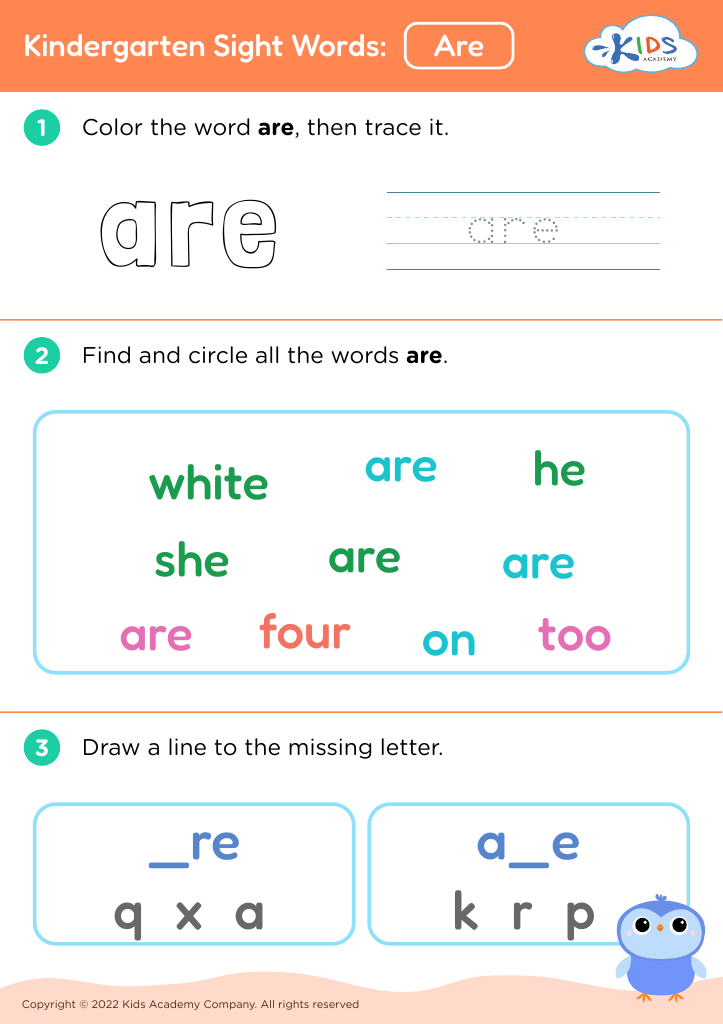











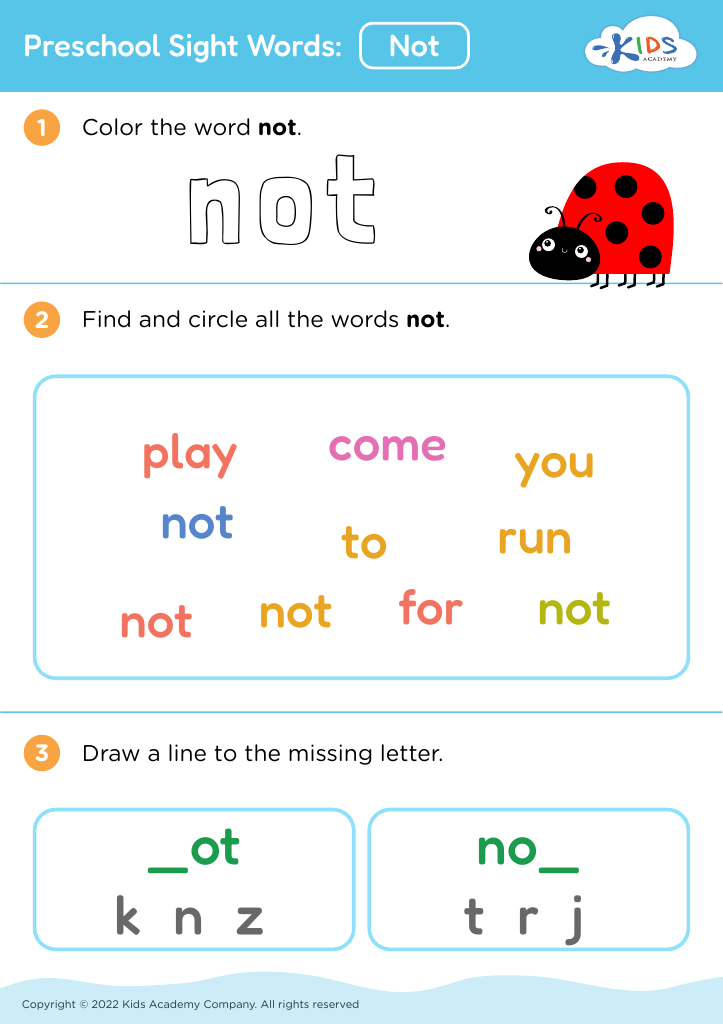
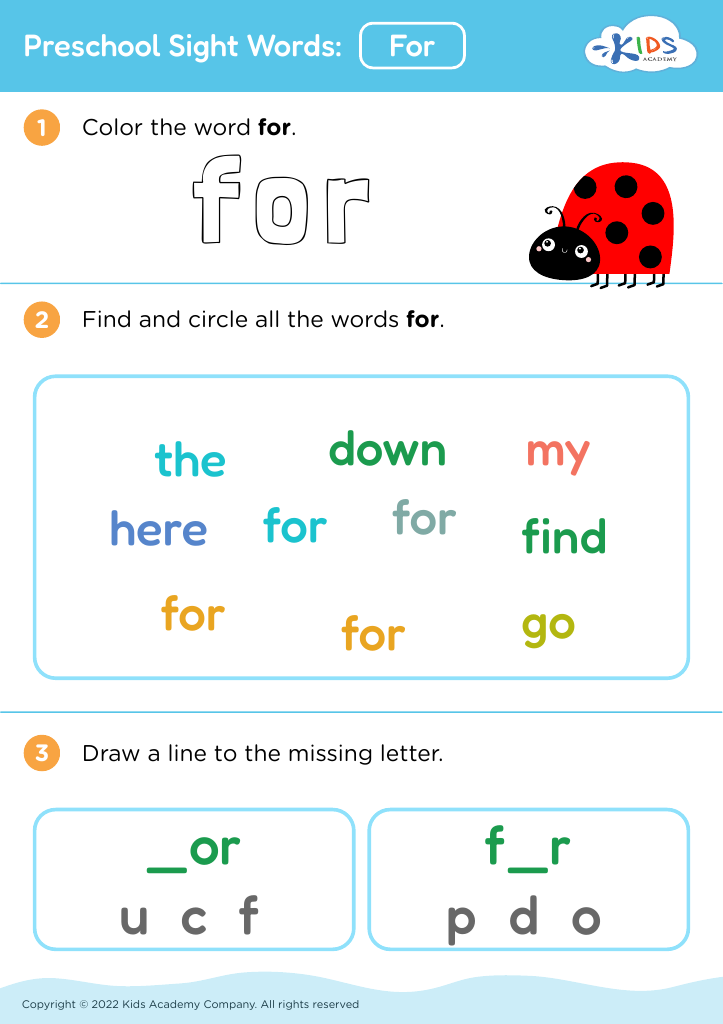
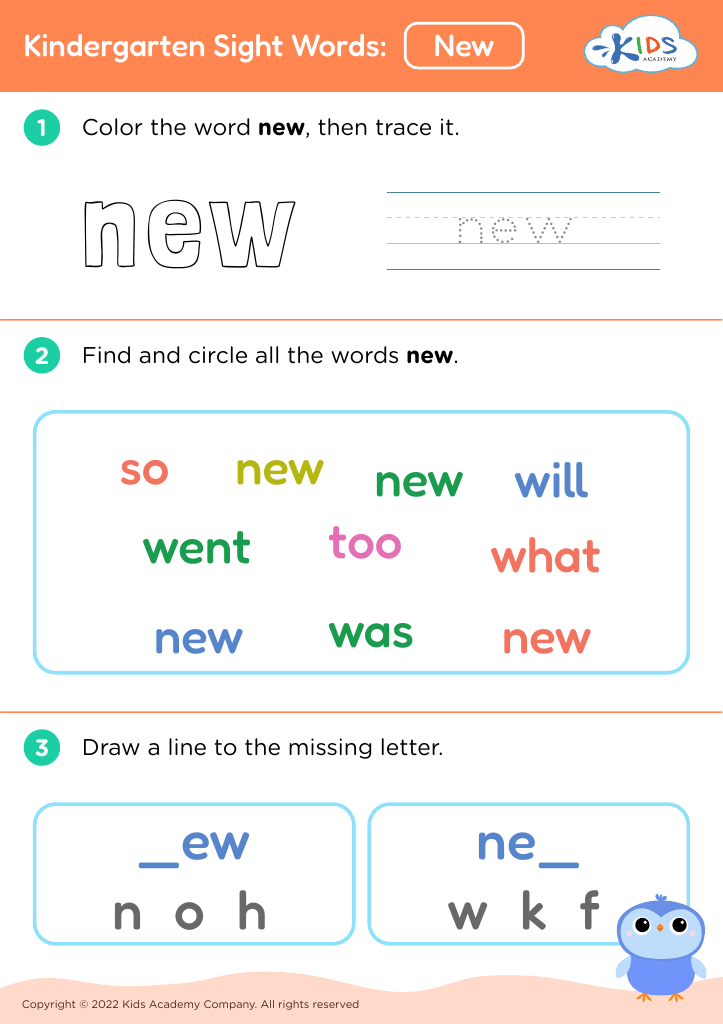








Ensuring children aged 3-4 develop basic addition skills and appropriate vocabulary forms the bedrock of future mathematical learning and overall cognitive development. At this critical age, kids are rapidly expanding their ability to think logically and understand abstract concepts. Introducing basic addition aids in comprehending the fundamental principle of combining quantities, which transcends mathematics and enhances problem-solving and reasoning abilities in day-to-day situations.
Moreover, integrating vocabulary like "add," "sum," "plus," and "equals" alongside quantities clarifies the concepts being learned. Familiarizing young learners with this language not only aids in their immediate grasp of addition but also smoothens their transition into more complex mathematical ideas later on. Language skills and mathematical skills are deeply intertwined; a robust math vocabulary enables children to articulate their thinking, ask relevant questions, and effectively follow instructions, fostering better communication with both peers and educators.
Involving parents and teachers in the child's early interactive learning experiences, like counting toys or snacks, counts prominently toward a supportive learning environment. Early mastery in basic addition fosters confidence, instills a positive attitude towards mathematics, and lays a strong foundation for continued academic success. Both teachers and parents play an invaluable role as guides, making learning dynamic, engaging, and comprehensively supportive.








