Comparing Fractions Building Vocabulary Worksheets for Ages 3-4
12 filtered results
-
From - To
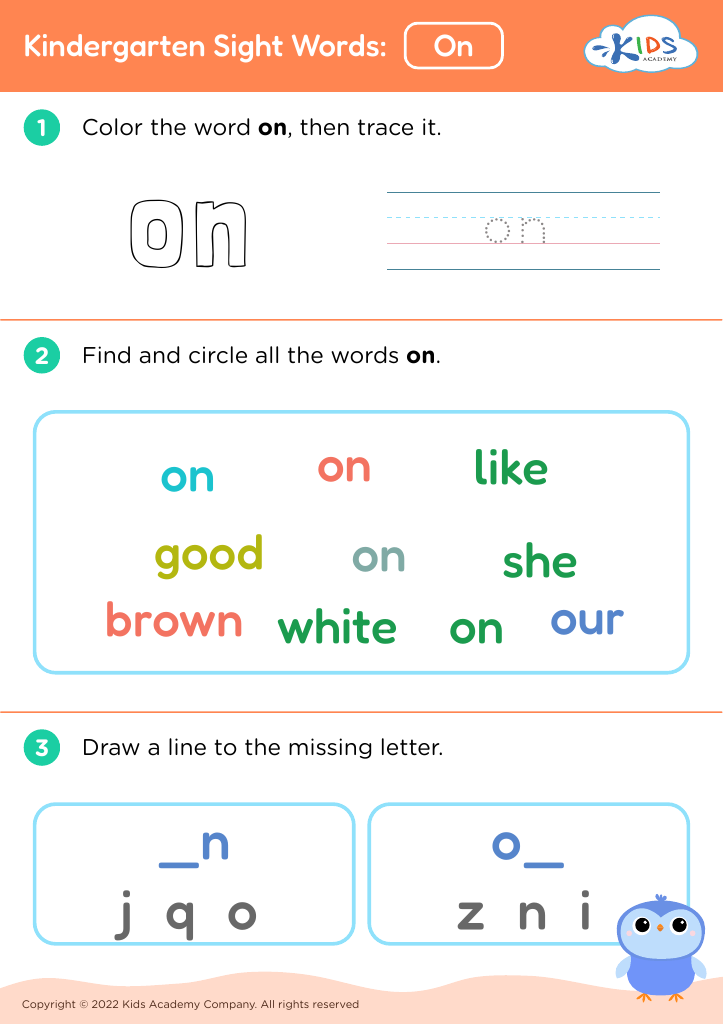
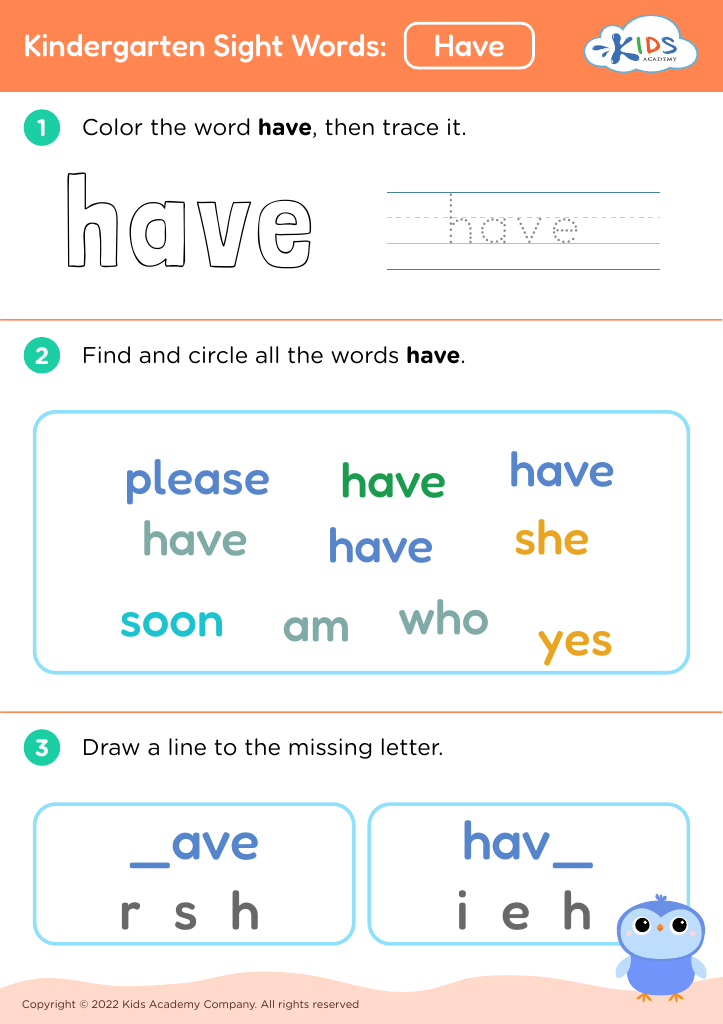
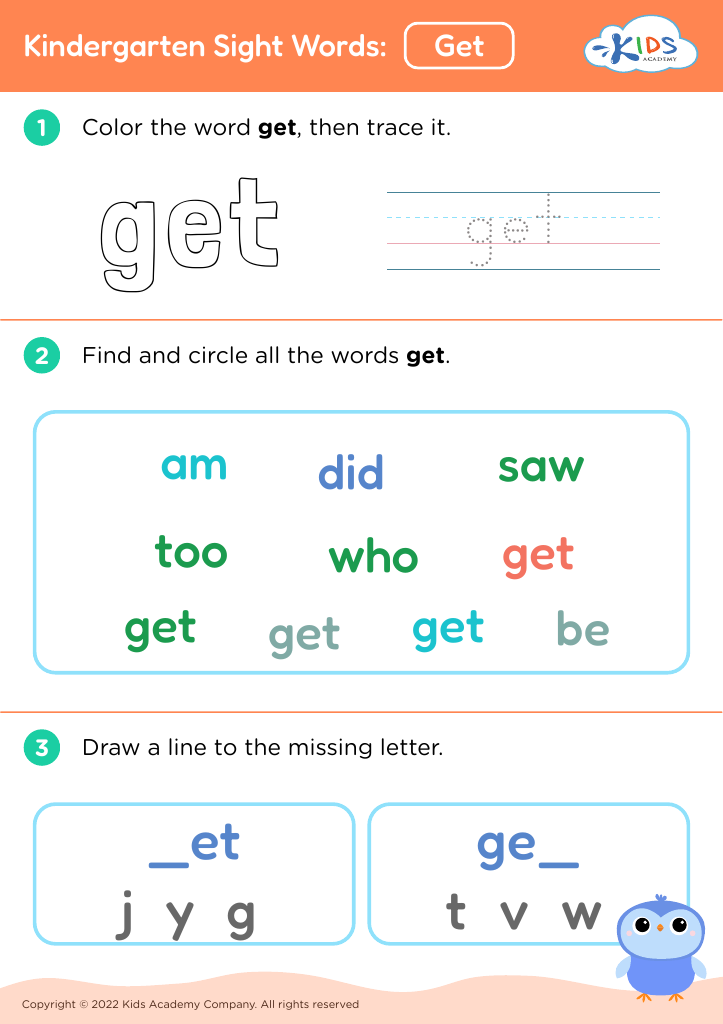
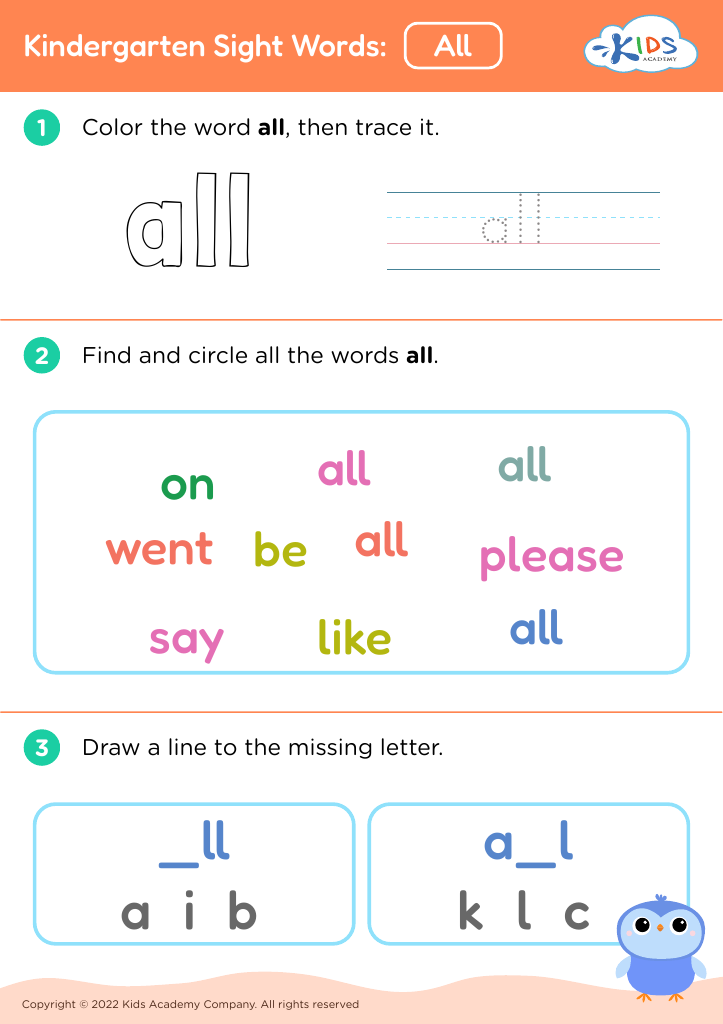
Introduce young learners to the world of fractions with our "Comparing Fractions Building Vocabulary Worksheets" designed for ages 3-4. These engaging, age-appropriate printables help children grasp early math concepts by visually comparing fractions. Each worksheet incorporates vibrant illustrations and simple vocabulary to foster comprehension and retention. By working through hands-on activities, toddlers and preschoolers build foundational math skills in a fun, interactive way. Ideal for home or classroom use, these worksheets blend learning with play, encouraging a love for numbers and problem-solving at an early age. Streamline your child's learning journey with our expertly crafted resources.

















.jpg)

Understanding and comparing fractions is a foundational skill in early mathematics education, laying the groundwork for more advanced concepts. Introducing basic fraction vocabulary to children ages 3-4 is crucial for several reasons. First, building a vivid vocabulary around fractions at an early age enhances their mathematical literacy. When children become familiar with terms like "whole," "half," and "quarter,” they can more easily understand and communicate about portions and divisions in everyday contexts, such as sharing snacks or toys.
Second, early exposure to fraction concepts can foster a positive attitude towards math. Young learners often find math daunting if introduced suddenly and formally, but incorporating fraction vocabulary through playful activities can make learning enjoyable and less intimidating. It's during everyday activities like cutting fruit or sorting shapes where these vocabularies can come alive.
Finally, equipping children with the language of fractions supports their cognitive development. Engaging with these concepts allows them to practice critical thinking and problem-solving skills. A strong early foundation in math can significantly benefit children's academic trajectories, making future topics like multiplication, division, and algebra more accessible and less abstract. By fostering early competency with fractions, parents and teachers can support holistic development and set the stage for lifelong mathematical engagement.








