Explore our "Understanding Fractions Building Vocabulary Worksheets" designed specifically for ages 3-4! These engaging worksheets introduce young learners to the concept of fractions through colorful illustrations and relatable contexts. Each activity is crafted to boost children's language skills while helping them grasp the basics of fractions in a fun, interactive way. With simple language and visual aids, kids will enhance their vocabulary, improve comprehension, and develop essential math skills. Perfect for preschoolers, these worksheets transform learning into a playful experience, paving the way for a solid mathematical foundation. Start your child's learning journey today with our vibrant fraction worksheets!

Check out this FREE Trial Lesson on Building Vocabulary for age 3-4!

T

Favorites
With answer key
Interactive
  • 3-4
  • Understanding fractions
  • Building Vocabulary
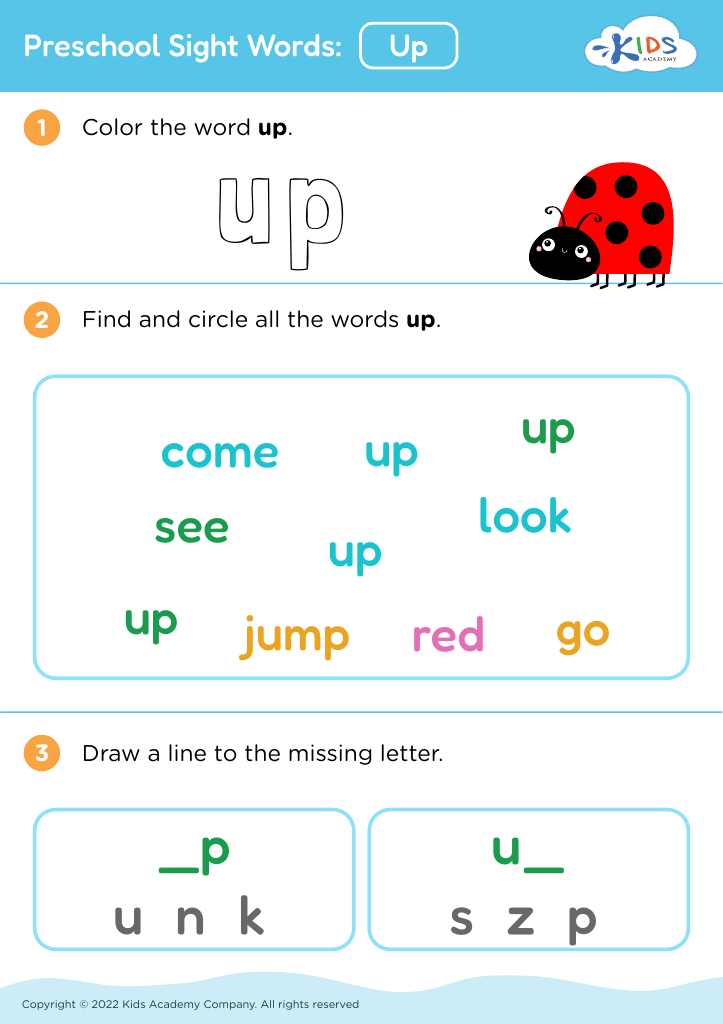
Preschool Sight Words: Up

Preschool Sight Words: Up

Preschool Sight Words: Up
Worksheet
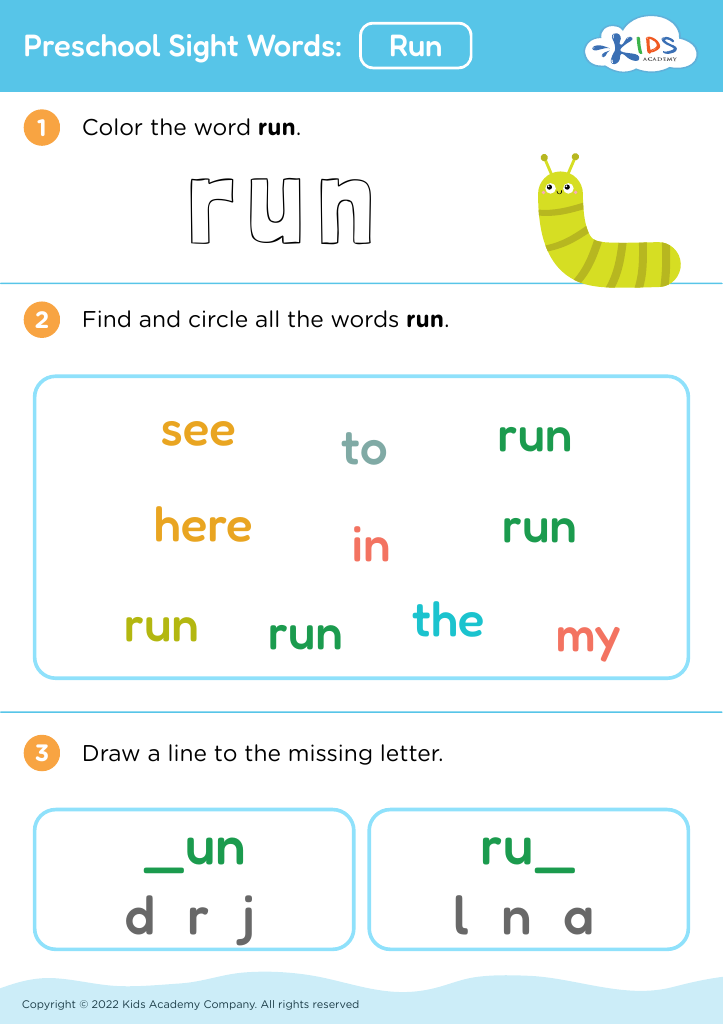
Preschool Sight Words: Run

Preschool Sight Words: Run

Preschool Sight Words: Run
Worksheet
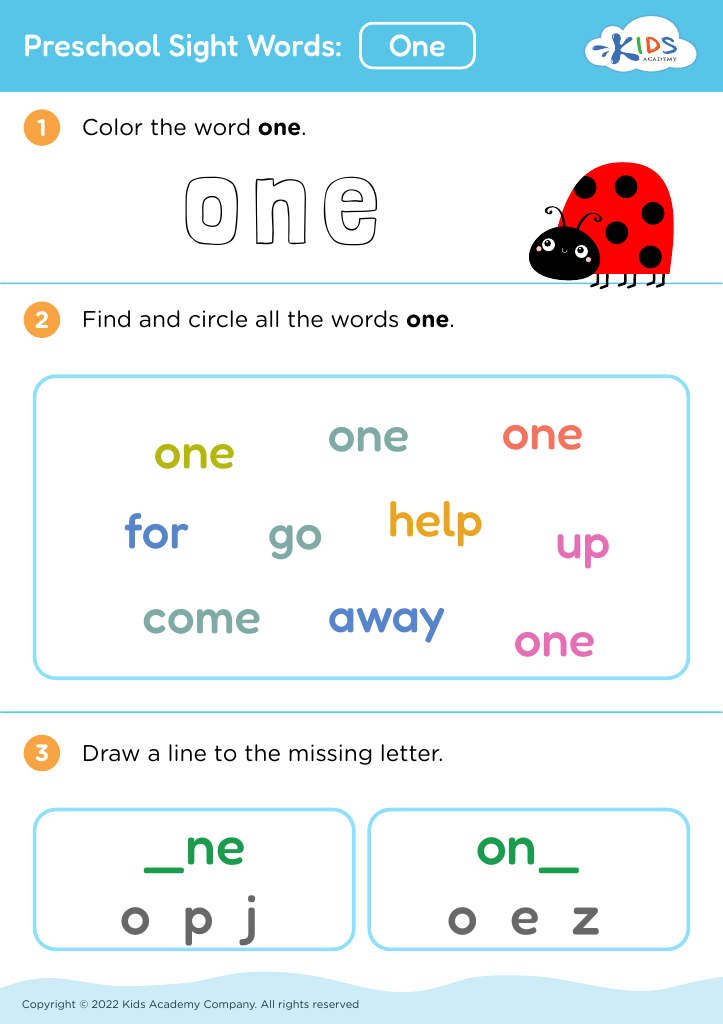
Preschool Sight Words: One

Preschool Sight Words: One

Preschool Sight Words: One
Worksheet
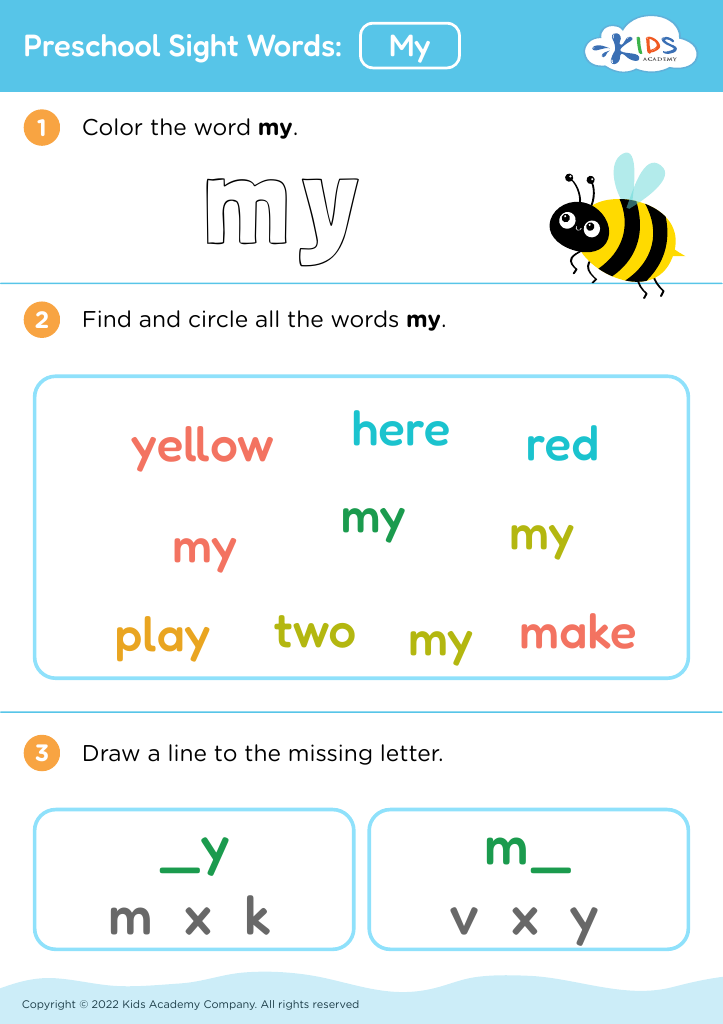
Preschool Sight Words: My

Preschool Sight Words: My

Preschool Sight Words: My
Worksheet
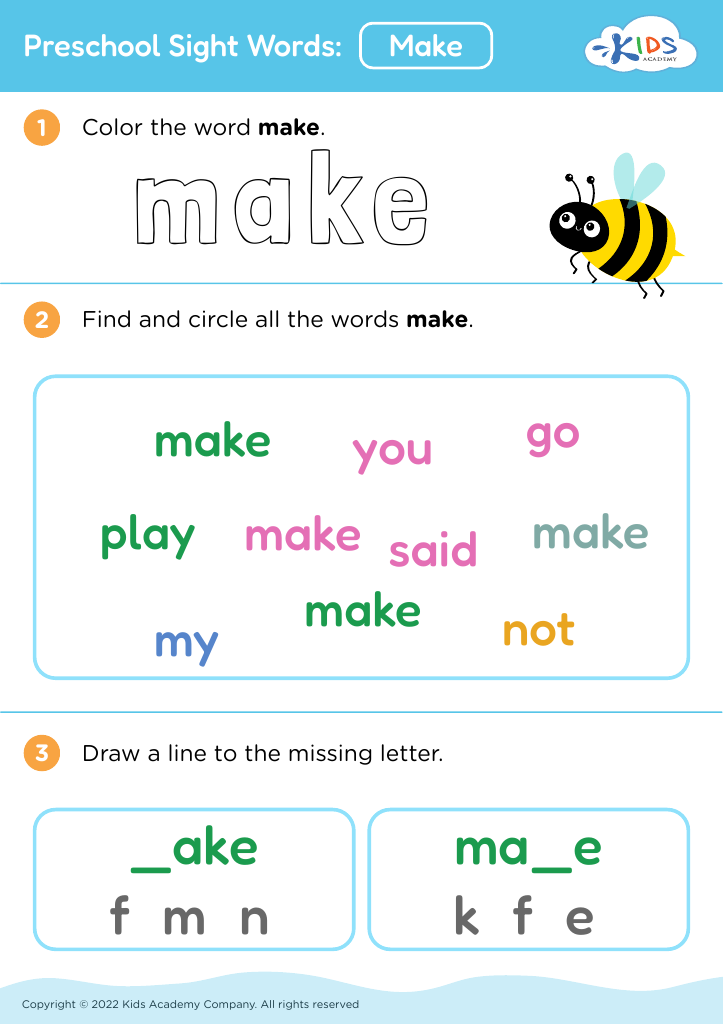
Preschool Sight Words: Make

Preschool Sight Words: Make

Preschool Sight Words: Make
Worksheet
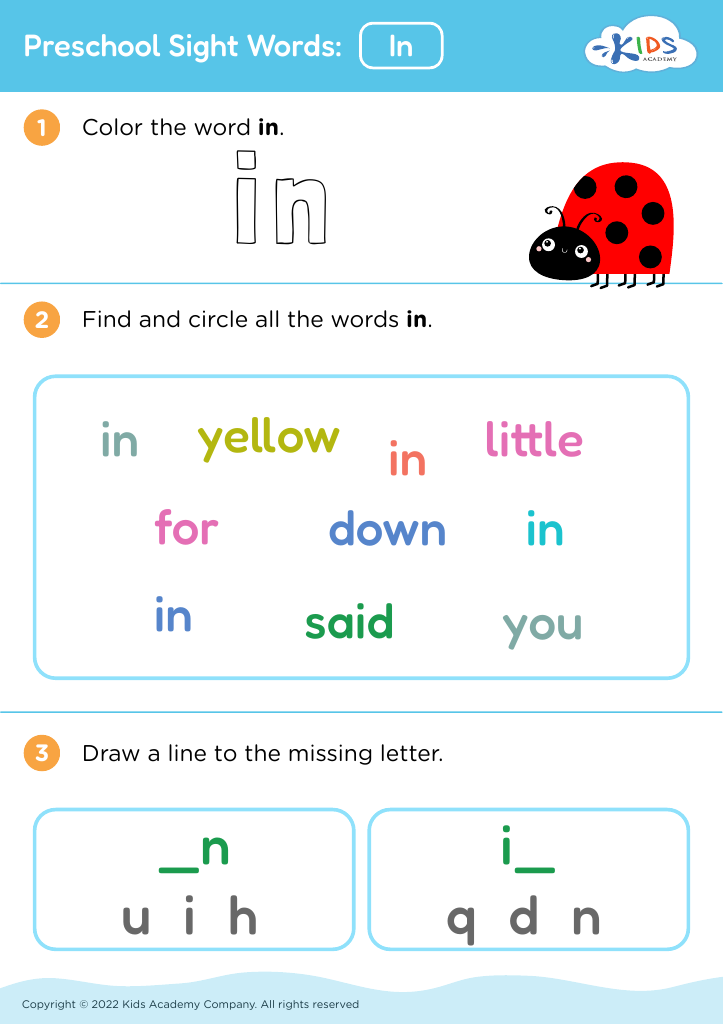
Preschool Sight Words: In

Preschool Sight Words: In

Preschool Sight Words: In
Worksheet
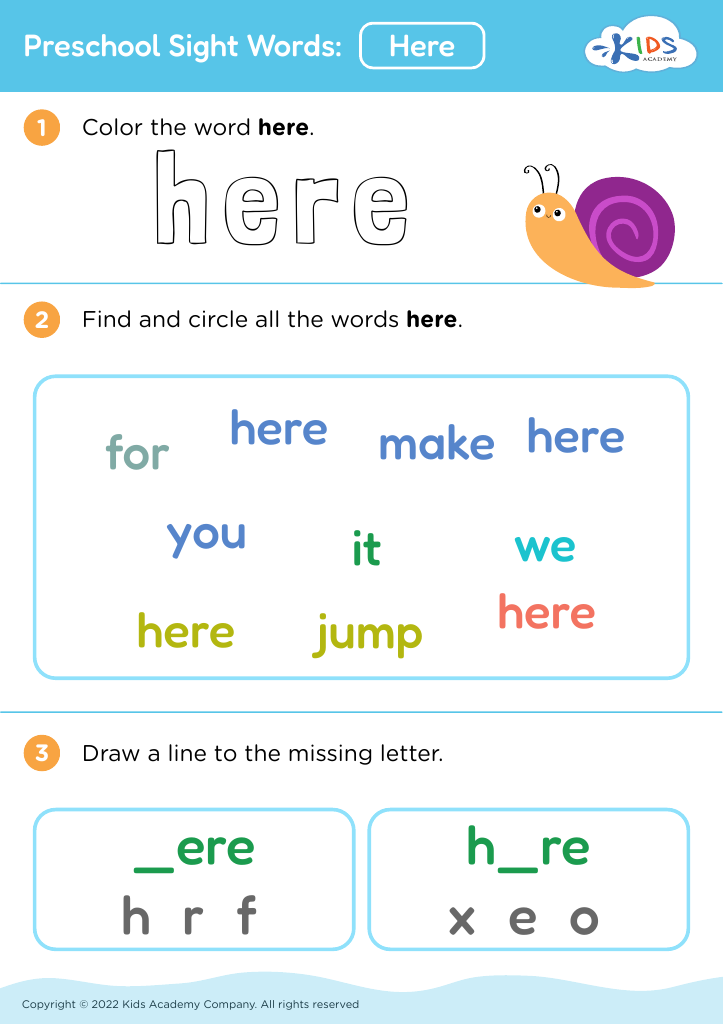
Preschool Sight Words: Here

Preschool Sight Words: Here

Preschool Sight Words: Here
Worksheet
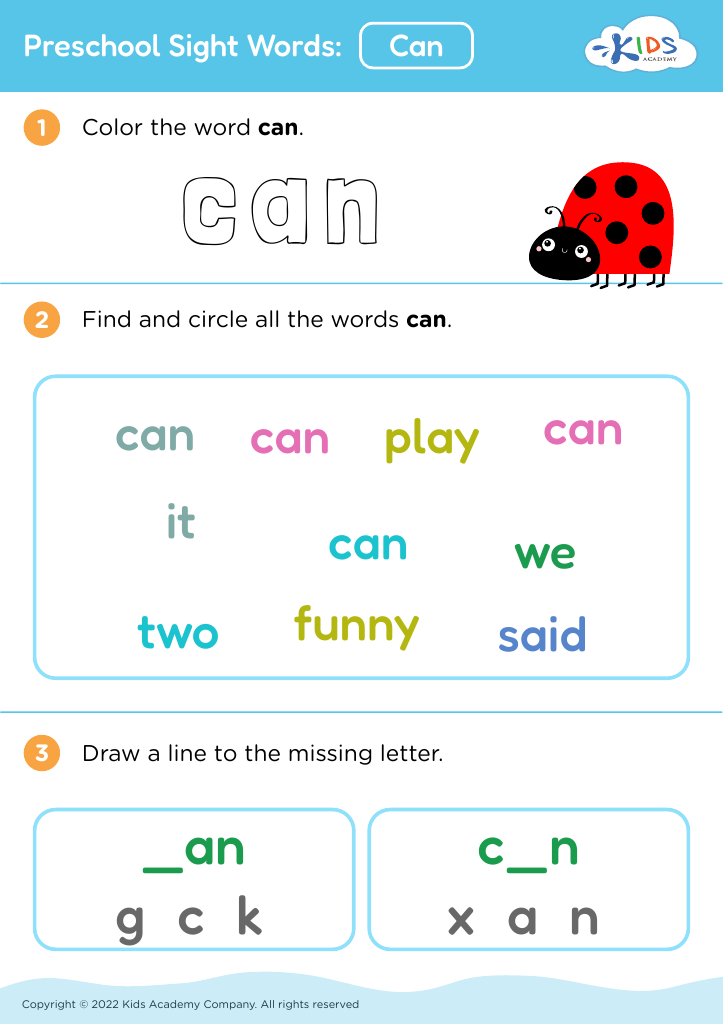
Preschool Sight Words: Can

Preschool Sight Words: Can

Preschool Sight Words: Can
Worksheet
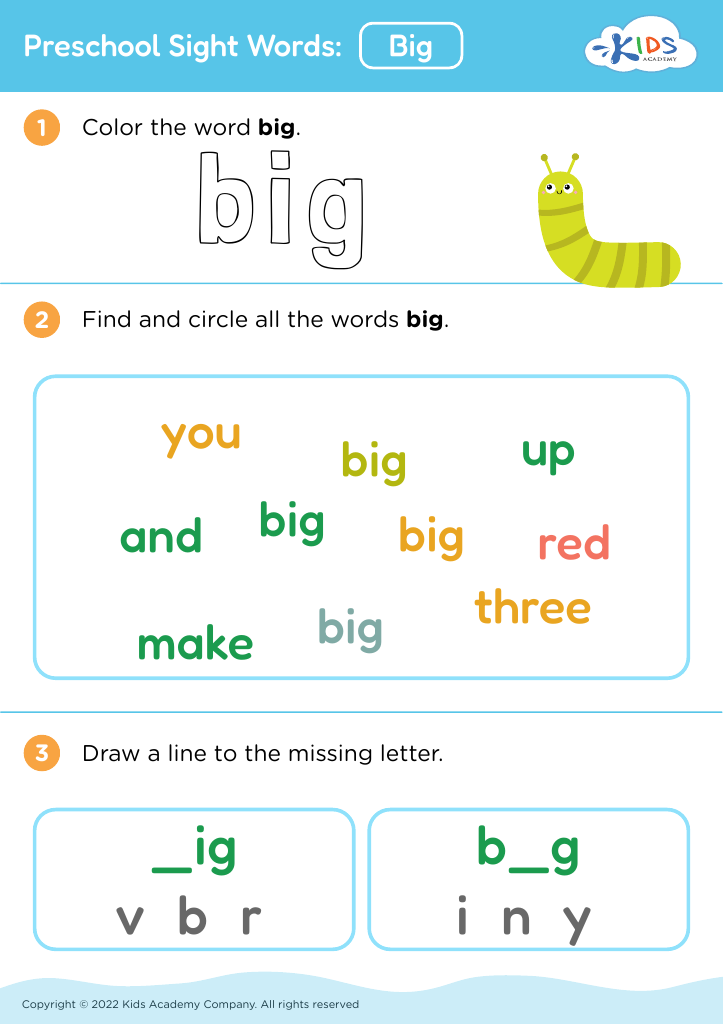
Preschool Sight Words: Big

Preschool Sight Words: Big

Preschool Sight Words: Big
Worksheet
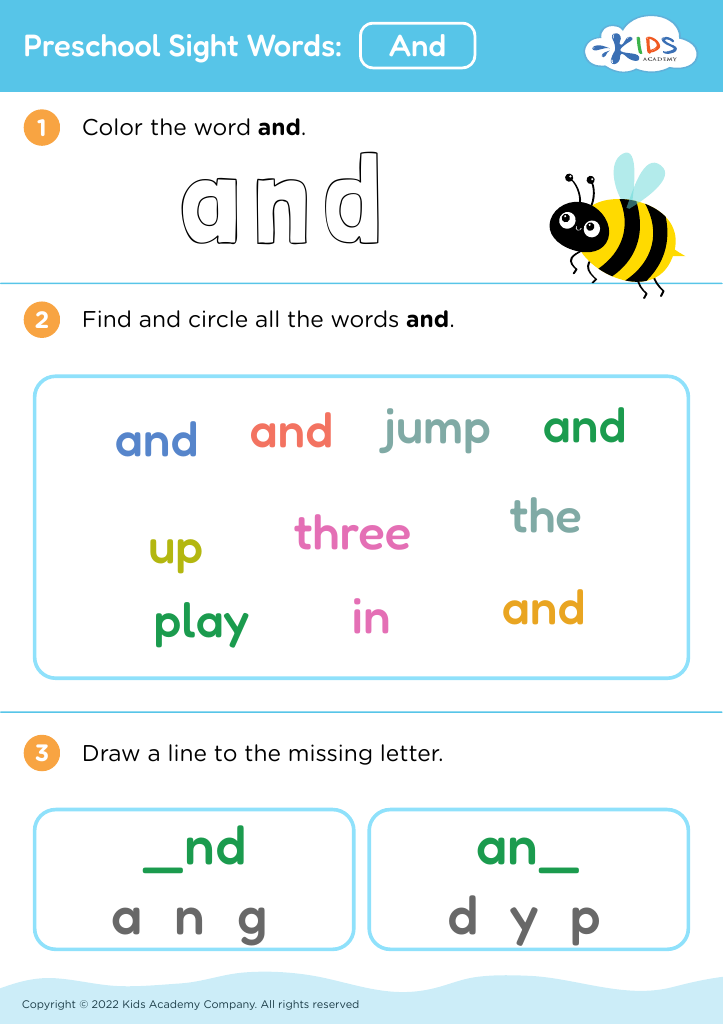
Preschool Sight Words: And

Preschool Sight Words: And

Preschool Sight Words: And
Worksheet
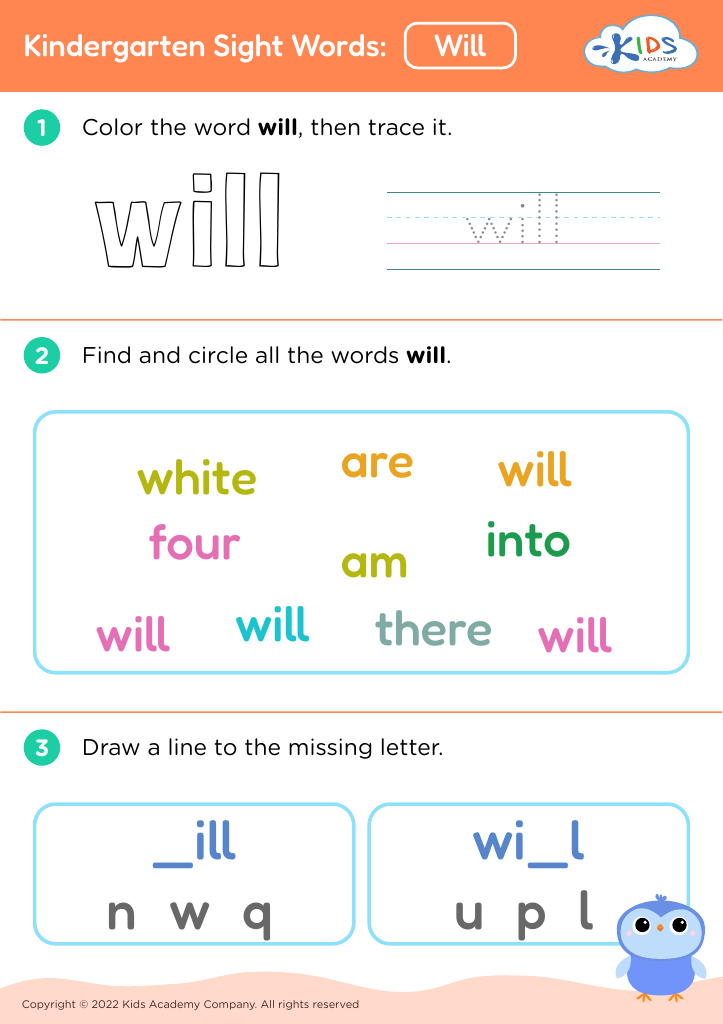
Kindergarten Sight Words: Will

Kindergarten Sight Words: Will

Kindergarten Sight Words: Will
Worksheet
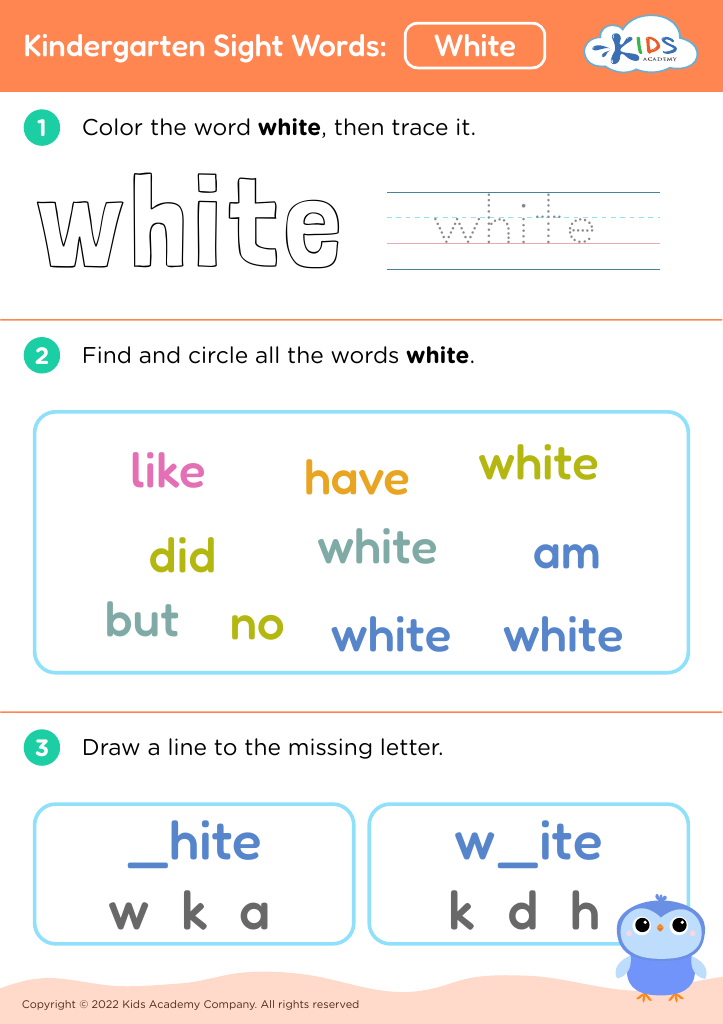
Kindergarten Sight Words: White

Kindergarten Sight Words: White

Kindergarten Sight Words: White
Worksheet
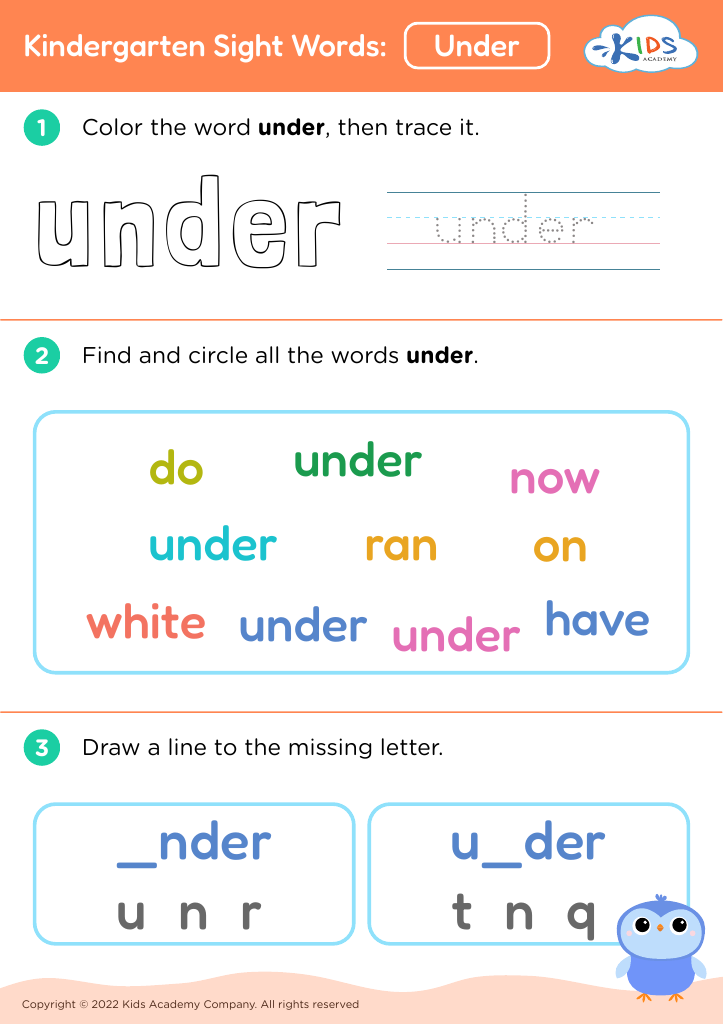
Kindergarten Sight Words: Under

Kindergarten Sight Words: Under

Kindergarten Sight Words: Under
Worksheet
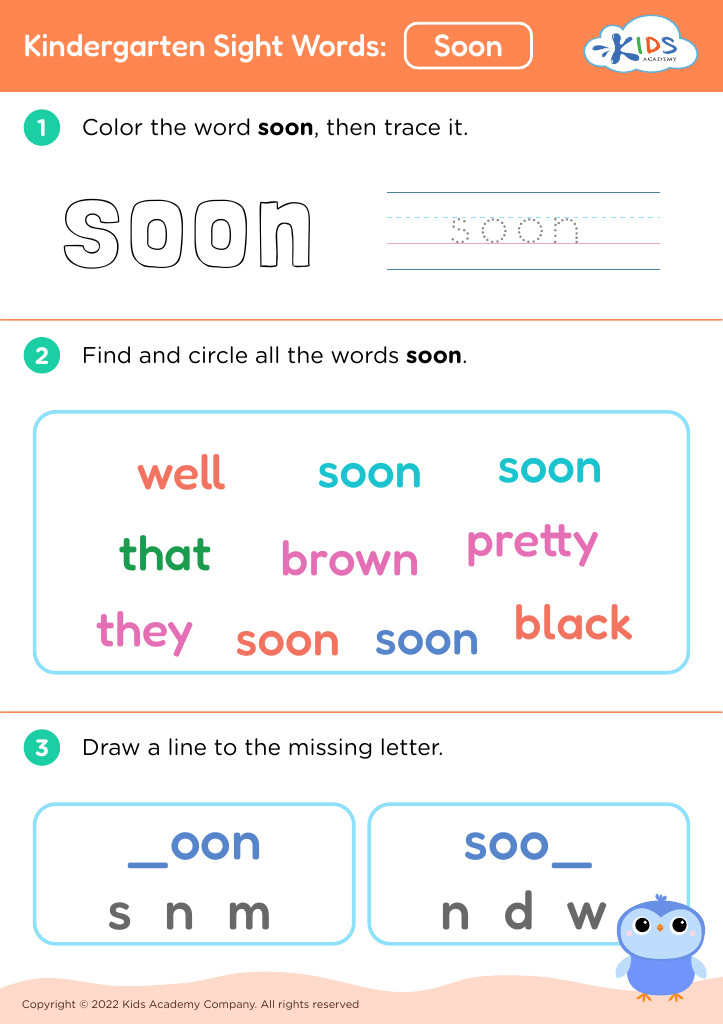
Kindergarten Sight Words: Soon

Kindergarten Sight Words: Soon

Kindergarten Sight Words: Soon
Worksheet
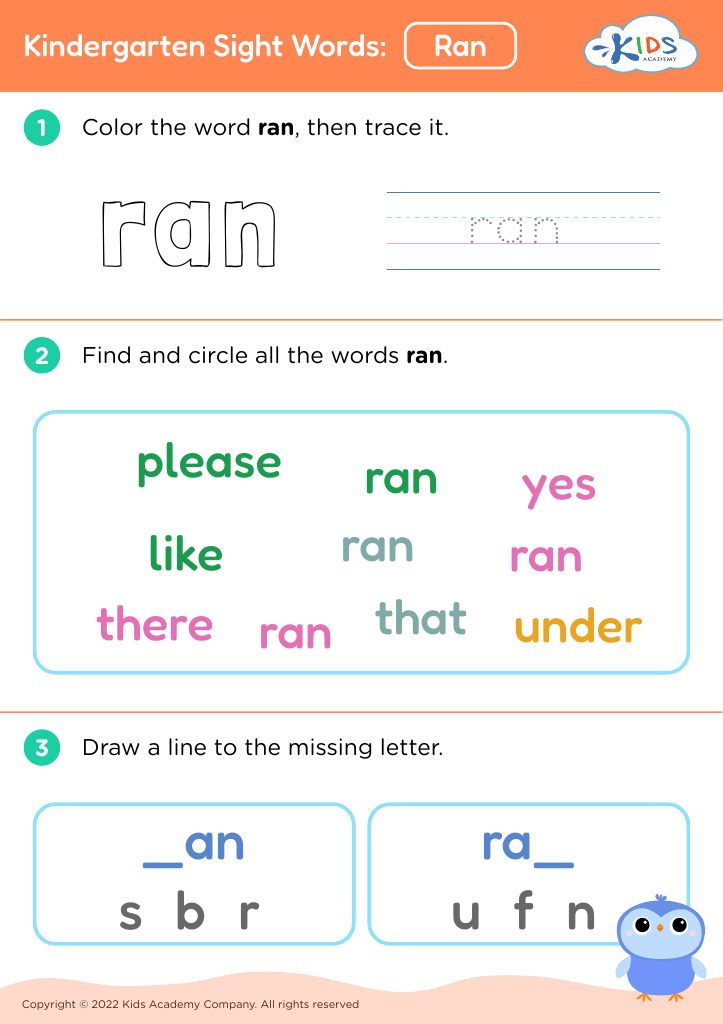
Kindergarten Sight Words: Ran

Kindergarten Sight Words: Ran

Kindergarten Sight Words: Ran
Worksheet
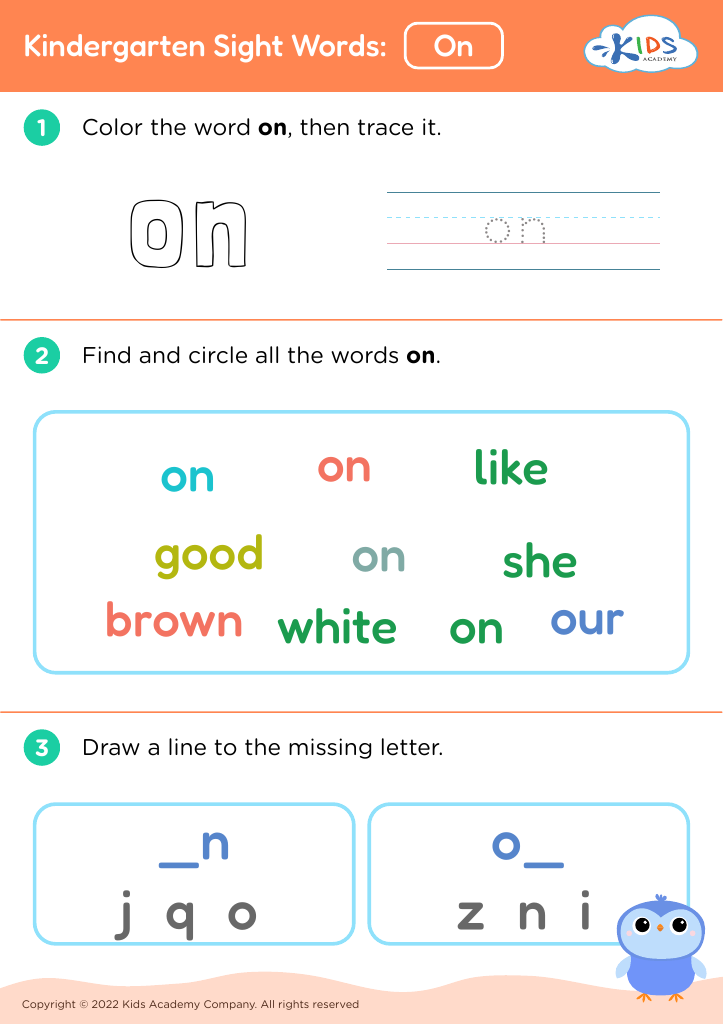
Kindergarten Sight Words: On

Kindergarten Sight Words: On

Kindergarten Sight Words: On
Worksheet
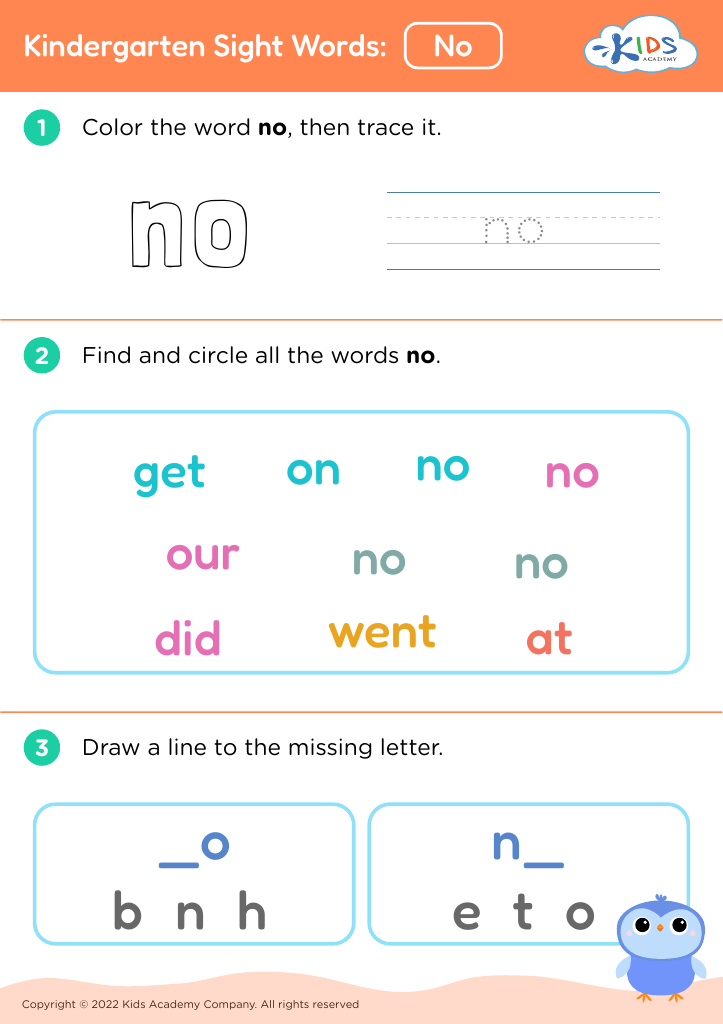
Kindergarten Sight Words: No

Kindergarten Sight Words: No

Kindergarten Sight Words: No
Worksheet
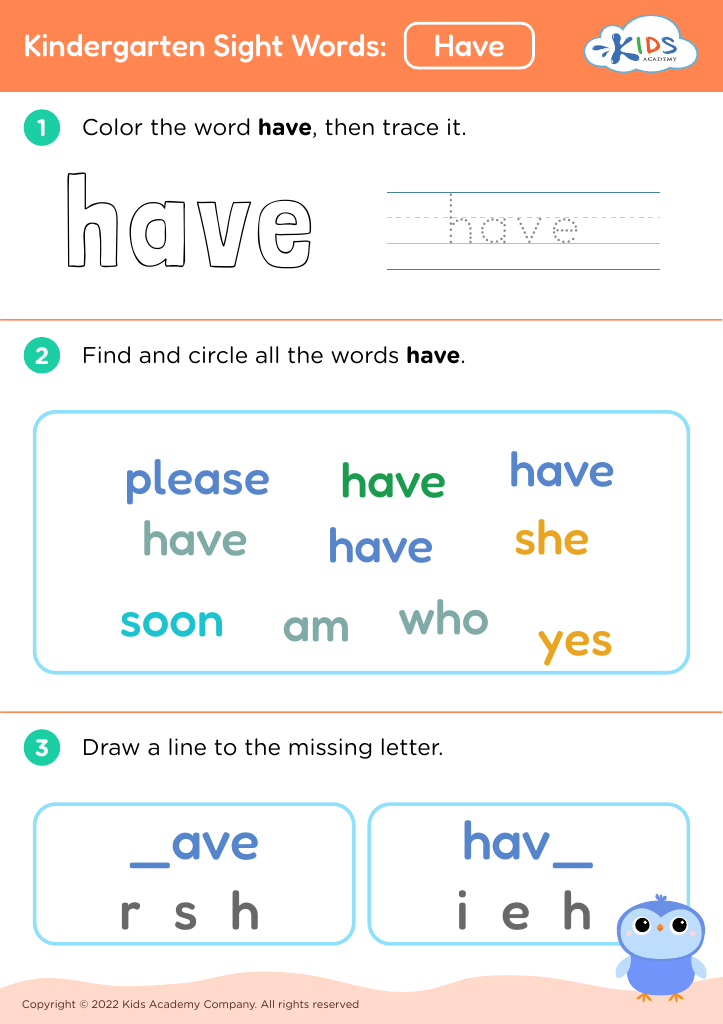
Kindergarten Sight Words: Have

Kindergarten Sight Words: Have

Kindergarten Sight Words: Have
Worksheet
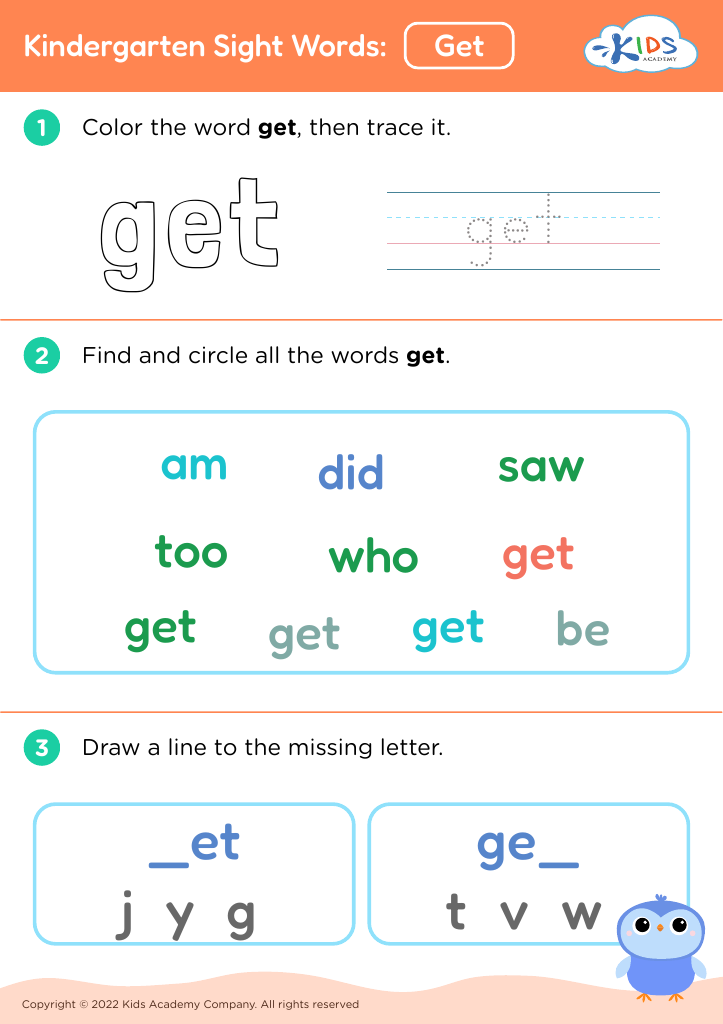
Kindergarten Sight Words: Get

Kindergarten Sight Words: Get

Kindergarten Sight Words: Get
Worksheet
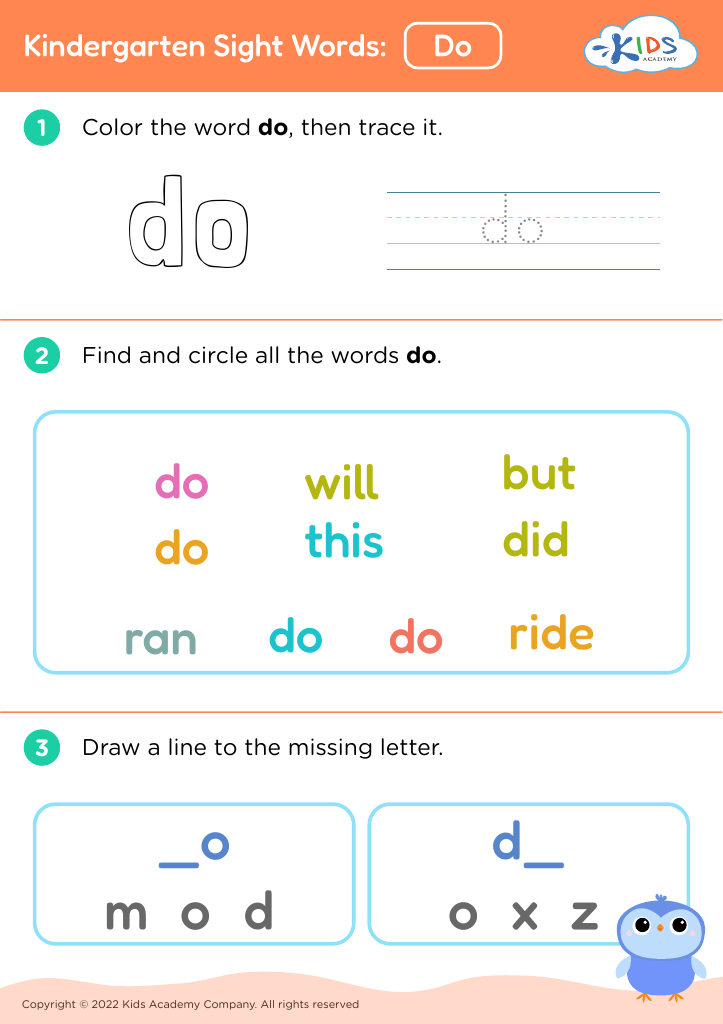
Kindergarten Sight Words: Do

Kindergarten Sight Words: Do

Kindergarten Sight Words: Do
Worksheet
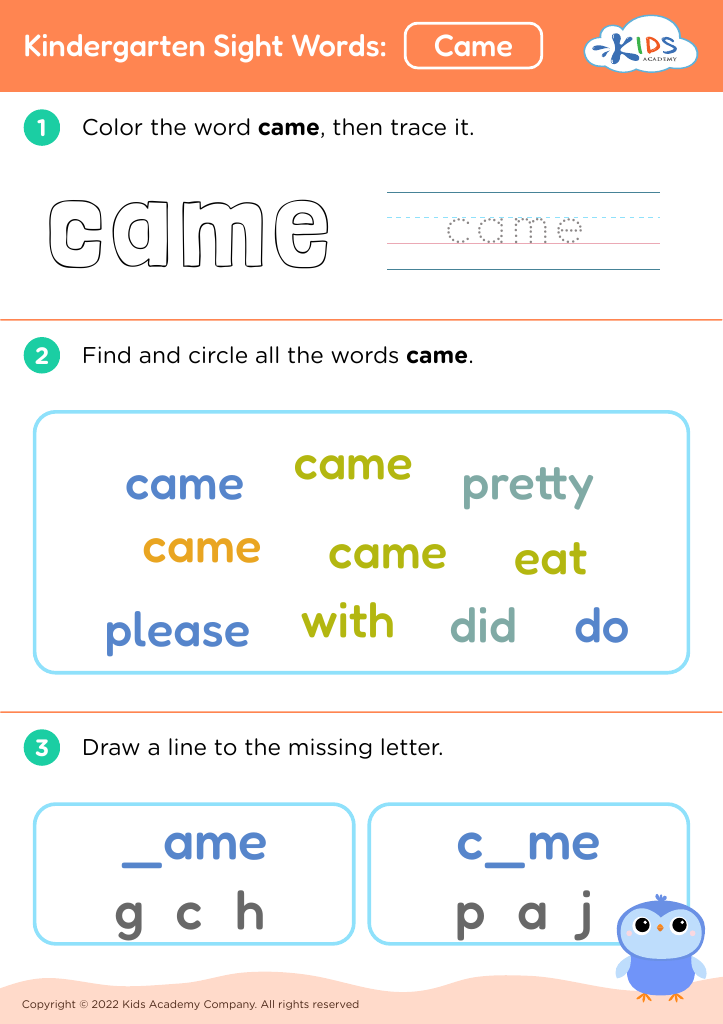
Kindergarten Sight Words: Came

Kindergarten Sight Words: Came

Kindergarten Sight Words: Came
Worksheet
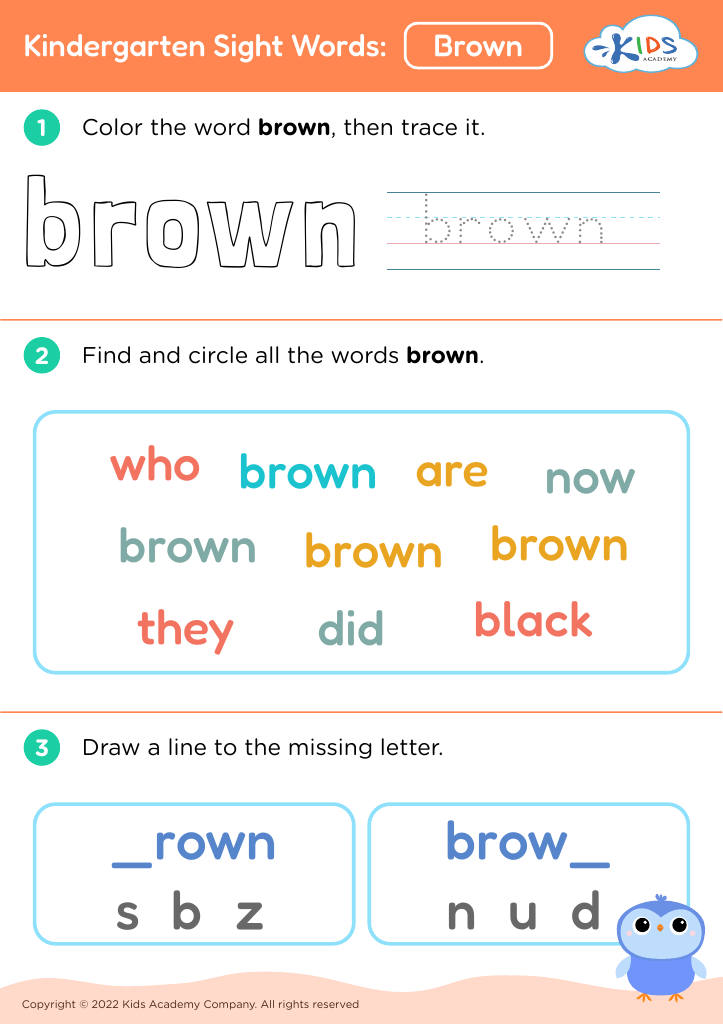
Kindergarten Sight Words: Brown

Kindergarten Sight Words: Brown

Kindergarten Sight Words: Brown
Worksheet
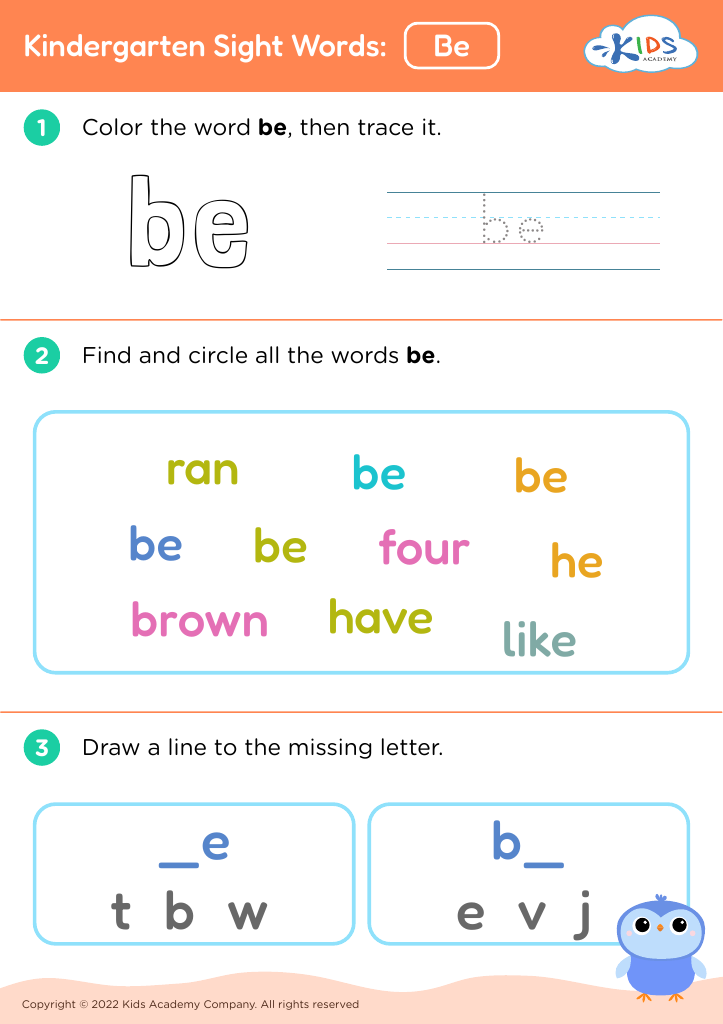
Kindergarten Sight Words: Be

Kindergarten Sight Words: Be

Kindergarten Sight Words: Be
Worksheet
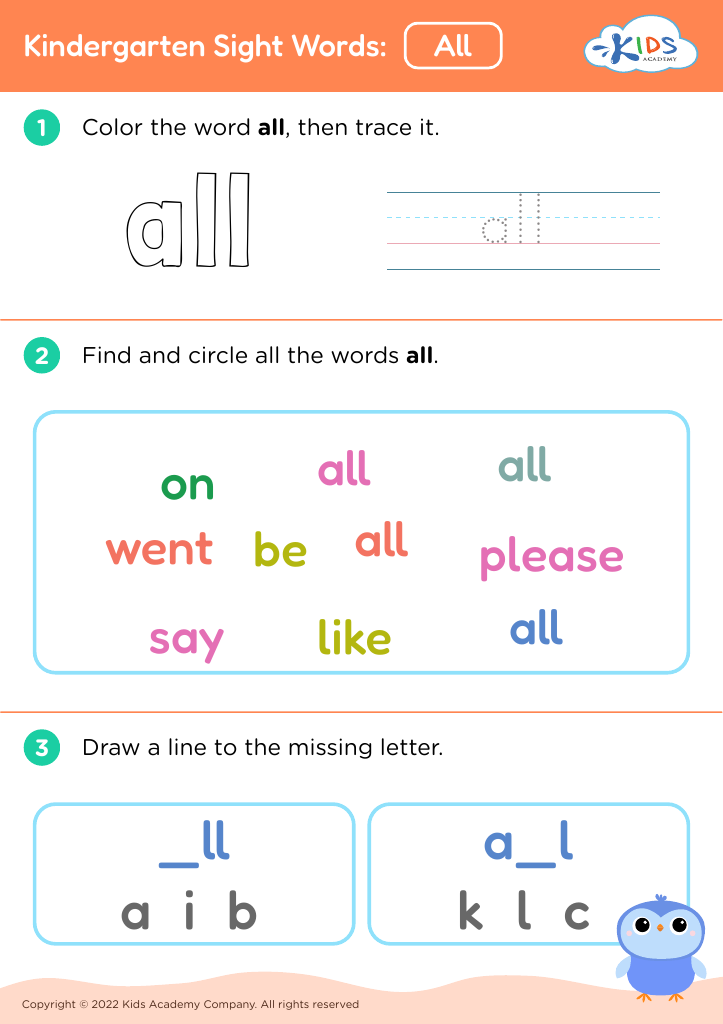
Kindergarten Sight Words: All

Kindergarten Sight Words: All

Kindergarten Sight Words: All
Worksheet


Understanding fractions at an early age lays a vital foundation for future mathematical skills. For children aged 3-4, grasping the concept of fractions, even on a basic level, helps them develop critical thinking and problem-solving abilities. This understanding is not limited to numbers; it can manifest in real-life experiences, such as sharing a pizza or dividing toys, fostering a sense of fairness and cooperation.

Additionally, building vocabulary surrounding fractions enhances communication skills. When parents and teachers introduce terms like "half," "quarter," and "whole," they are enriching children’s language skills, enabling them to articulate their thoughts and understand instructions better. This vocabulary expansion encourages curiosity and engagement during learning moments.

Moreover, integrating fraction concepts into daily life helps children connect mathematical ideas with everyday experiences. Songs, stories, and play activities can make learning fun while solidifying these concepts. Thus, by emphasizing the importance of fractions and enhancing vocabulary from an early age, parents and teachers empower children with essential mathematical skills that can support their academic growth and instill a positive attitude towards learning, setting them up for success in a broader range of subjects.