Cognitive Development Reading Fiction Worksheets for Ages 3-4
3 filtered results
-
From - To
Unlock your child's imagination with our engaging Cognitive Development Reading Fiction Worksheets, designed specifically for ages 3-4! This collection encourages early reading skills through interactive and age-appropriate storylines that stimulate cognitive growth. Each worksheet guides young learners in identifying characters, understanding narratives, and expressing their thoughts, enhancing critical thinking and comprehension abilities. Perfect for home or classroom use, our worksheets offer a blend of fun and learning, helping children develop essential language skills while exploring fictional worlds. Foster a love for reading and support your child's cognitive development with these delightful, hands-on resources that make learning a joyful experience!
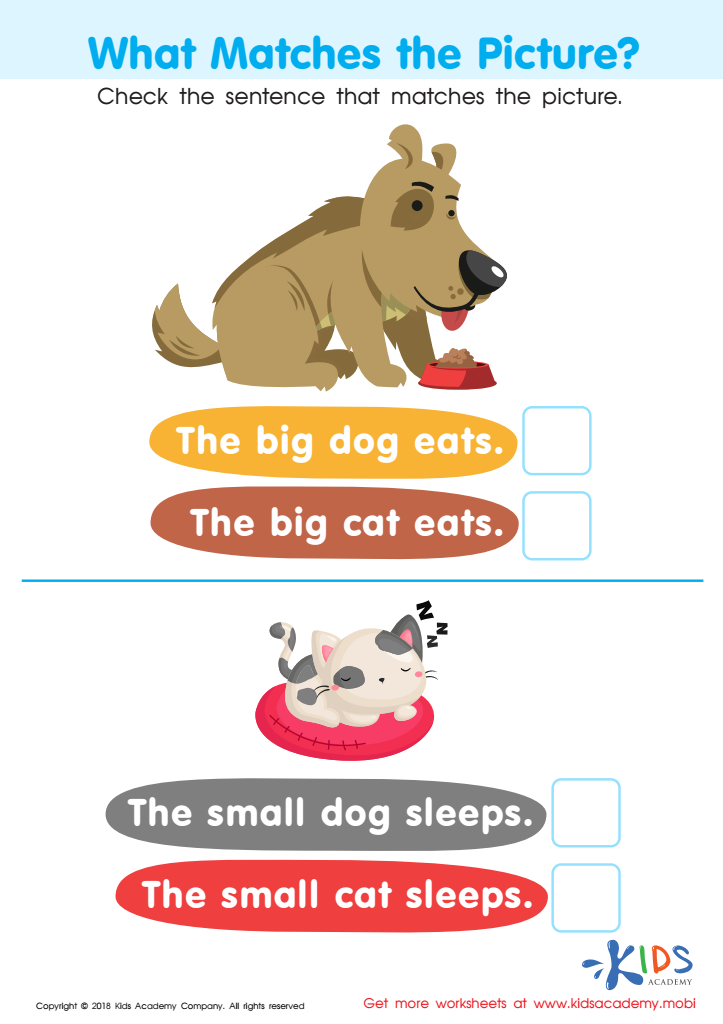
What Matches the Picture? Worksheet
 Assign to My Students
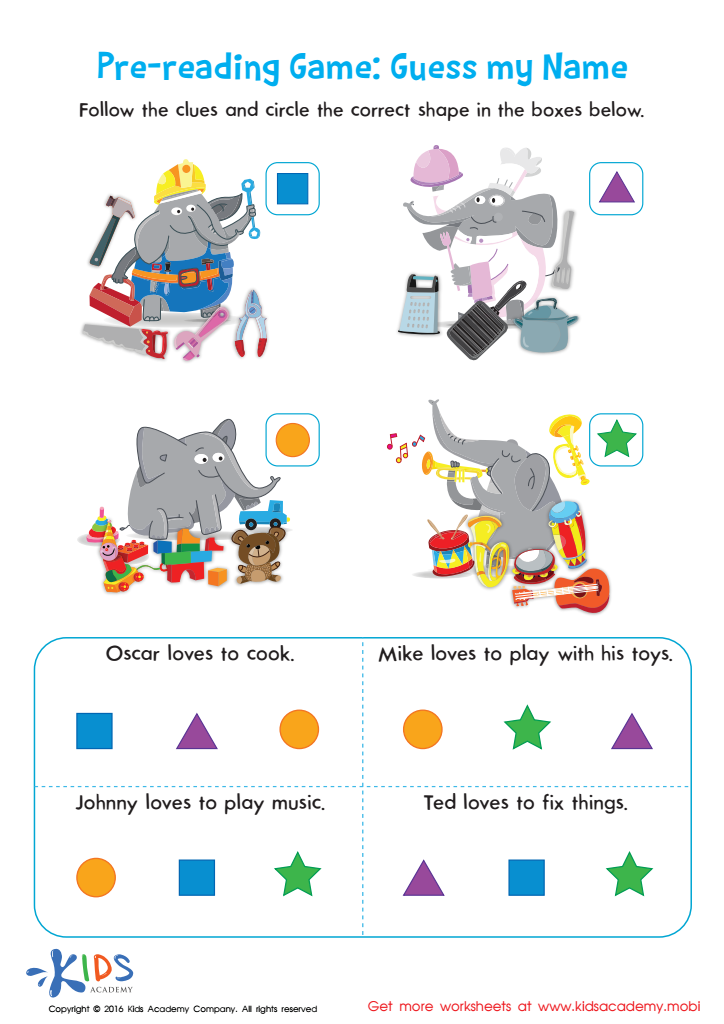
Pre Reading Worksheet Guess My Name
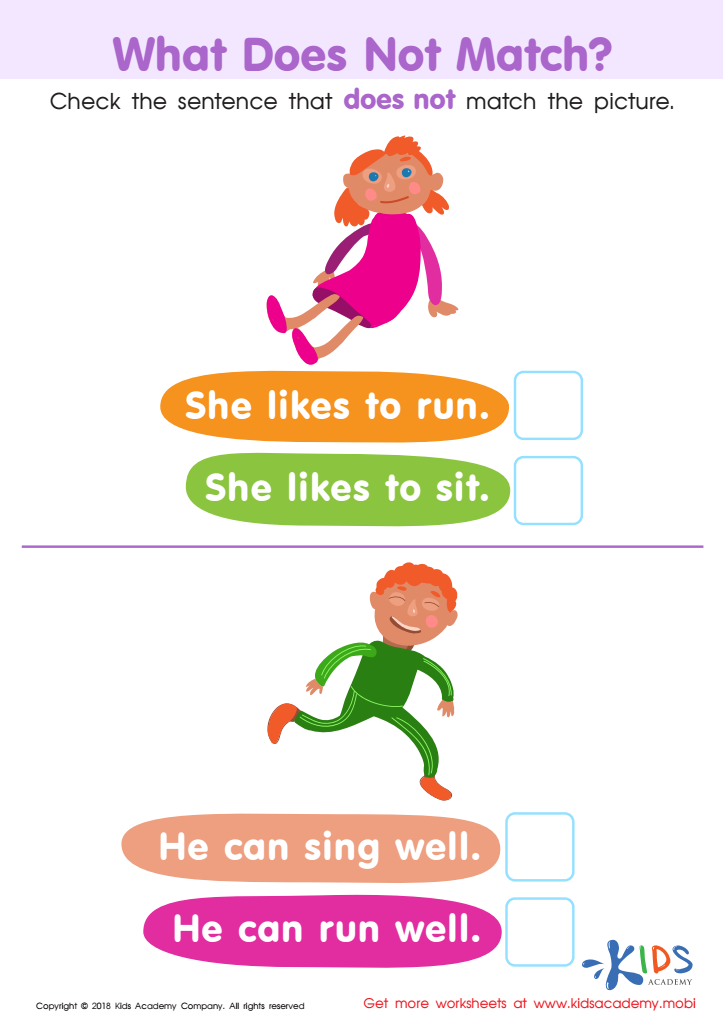
What Does Not Match? Worksheet








Cognitive development during early childhood, particularly through reading fiction, is crucial for children aged 3-4. Reading fiction introduces young learners to a world of imagination that stimulates their cognitive processes. As children engage with stories, they enhance their vocabulary, comprehension, and critical thinking skills. The mental images evoked by narratives promote memory retention as they visualize characters and settings, thus improving recall abilities.
Moreover, fiction often presents complex emotions and social situations, fostering empathy and emotional intelligence. When children understand a character's feelings or motivations, they practice perspective-taking, which is vital for interpersonal relationships. Stories also encourage problem-solving skills; as children encounter conflicts within a narrative, they speculate on solutions and outcomes, honing their analytical abilities.
Additionally, reading together supports language development, as it introduces rhythms, patterns, and phonetics. This can create an early love for reading, establishing a strong foundation for future literacy.
Ultimately, by prioritizing fiction in early literacy experiences, parents and teachers cultivate a mindset for learning, creativity, and emotional growth, equipping children not just for academic success but for life. Hence, fostering a rich reading environment is essential during these formative years.








