Reading Skills Reading Fiction Worksheets for Ages 3-4
5 filtered results
-
From - To
Enhance your child's reading skills with our engaging Reading Fiction Worksheets designed specifically for ages 3-4. These colorful and interactive worksheets introduce little learners to essential literacy concepts through fun activities that promote comprehension and vocabulary development. Featuring delightful illustrations and simple narratives, our materials encourage creativity while fostering a love for reading. Each worksheet is designed to stimulate imagination and critical thinking, making learning enjoyable for young children. Whether at home or in the classroom, our Reading Skills worksheets provide a solid foundation for future literacy success. Encourage your child's journey into the world of stories today!
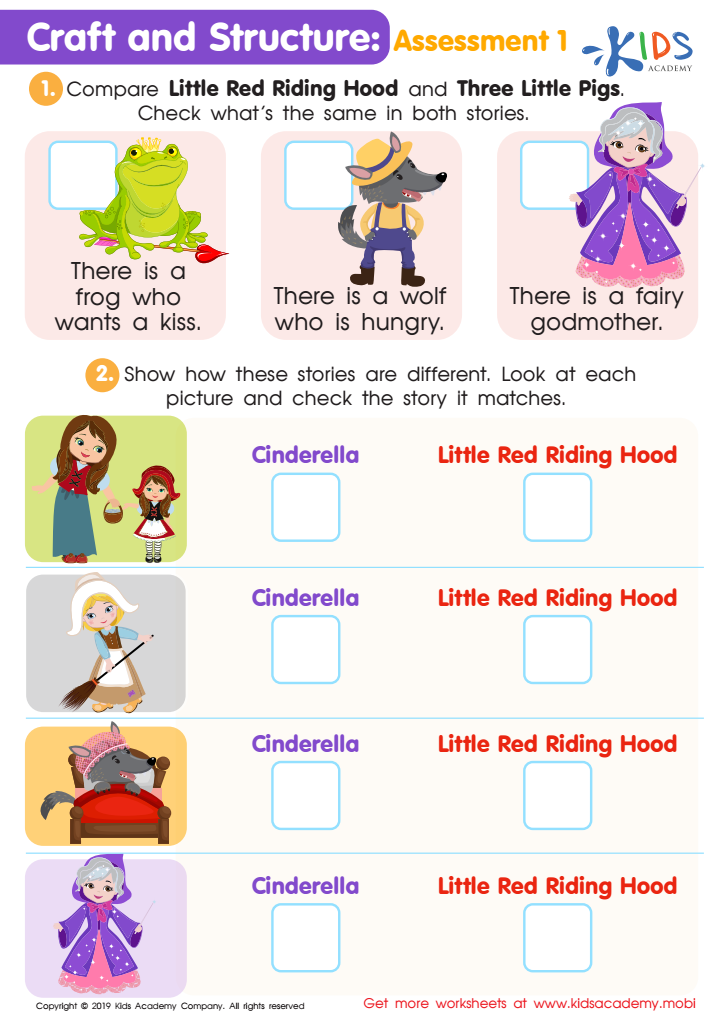
Craft and Structure: Assessment 1 Worksheet
 Assign to My Students
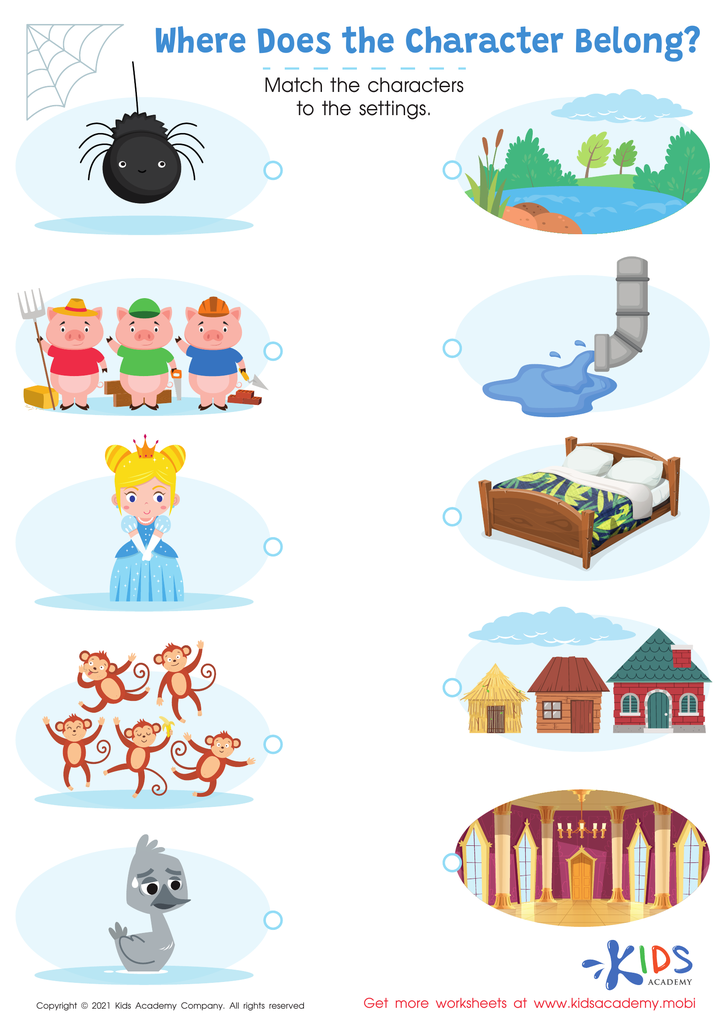
Where Does the Character Belong? Worksheet
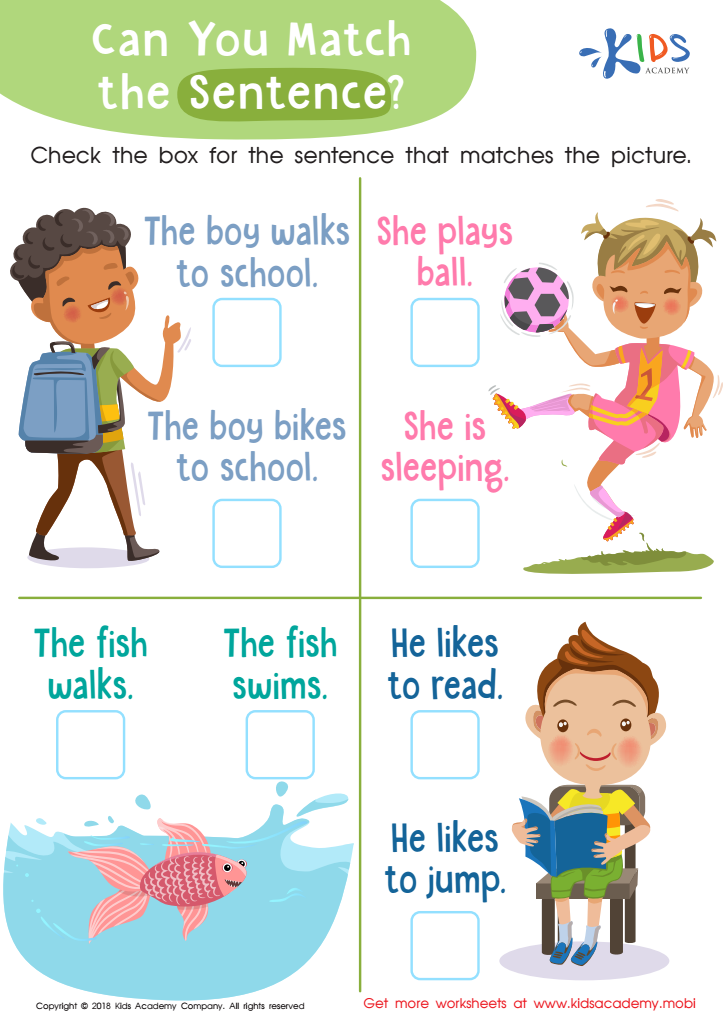
Can You Match the Sentence? Worksheet
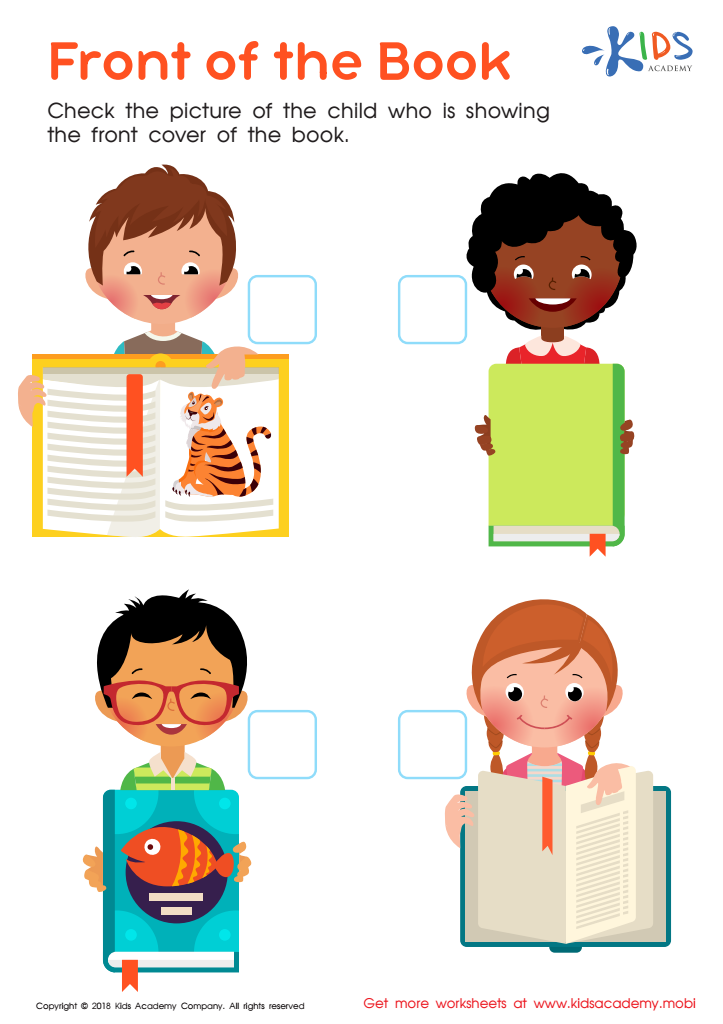
Front of the Book Worksheet
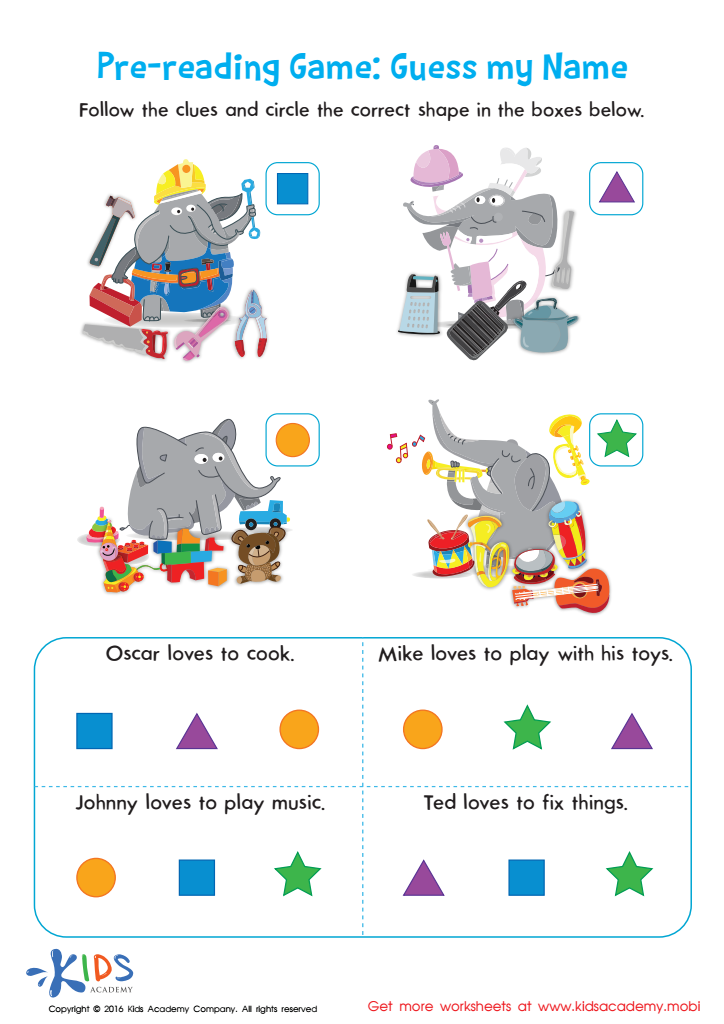
Pre Reading Worksheet Guess My Name








Reading skills, especially in fiction, are vital for children aged 3-4, and parents and teachers play a crucial role in this developmental stage. At this age, children's brains are rapidly growing, making exposure to stories essential for language development. Fictional narratives introduce diverse vocabulary, grammatical structures, and story elements, enhancing language skills long before children can read independently.
Furthermore, engaging with fiction sparks imagination and creativity, which are foundational for cognitive exploration. Through stories, young children learn to recognize emotions, understand social situations, and develop empathy as they relate to characters and their experiences. This emotional intelligence is invaluable for their overall development.
Storytime also fosters bonding between parents or teachers and children, enhancing a child’s sense of security and encouraging a love of reading. The shared experience of watching narratives unfold not only creates memorable moments but also instills a lifelong appreciation for literature.
In sum, prioritizing reading fiction with children ages 3-4 contributes significantly to their emotional, cognitive, and linguistic growth, equipping them with skills that will aid their learning and social interactions throughout life. Prioritizing these early reading experiences lays a solid foundation for future academic success and personal development.








