Sequencing Skills Reading Fiction Worksheets for Ages 3-4
5 filtered results
-
From - To
Our "Sequencing Skills Reading Fiction Worksheets for Ages 3-4" offer engaging and educational activities that help young learners develop essential sequencing skills. These age-appropriate worksheets guide children in identifying the beginning, middle, and end of a story, enhancing their ability to understand narrative structure. Through colorful illustrations and simple text, kids practice putting events in order, boosting comprehension and memory. Perfect for early readers, these resources support cognitive development and storytelling abilities, laying a strong foundation for future reading success. Discover how our fun and interactive sequencing worksheets bring stories to life for your little ones!
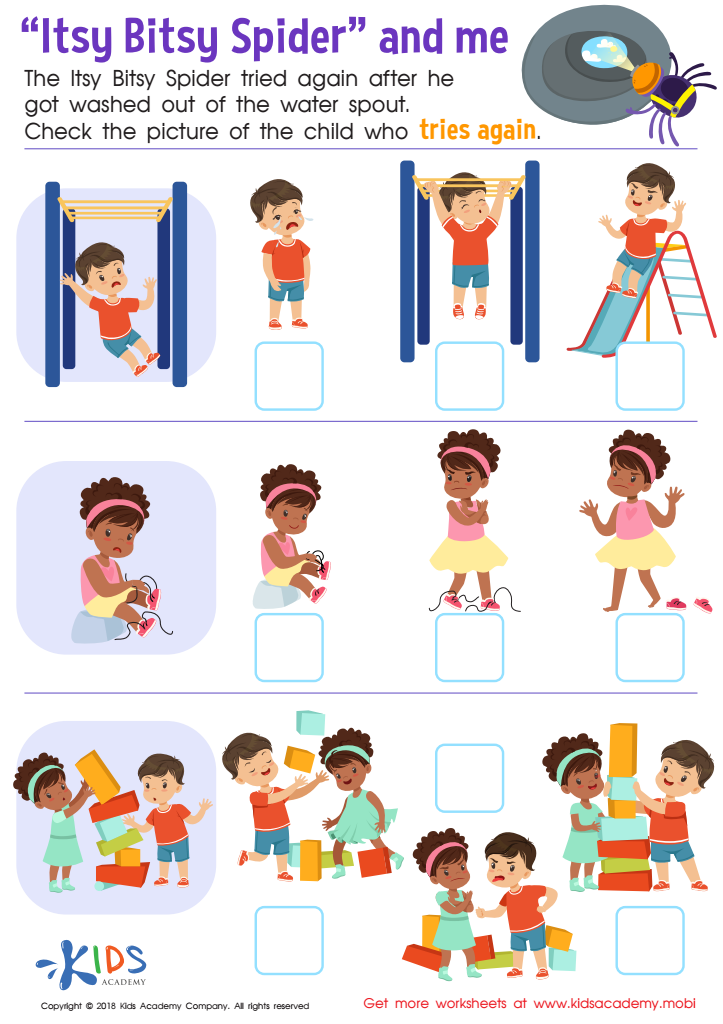
Itsy Bitsy Spider and Me Worksheet
 Assign to My Students
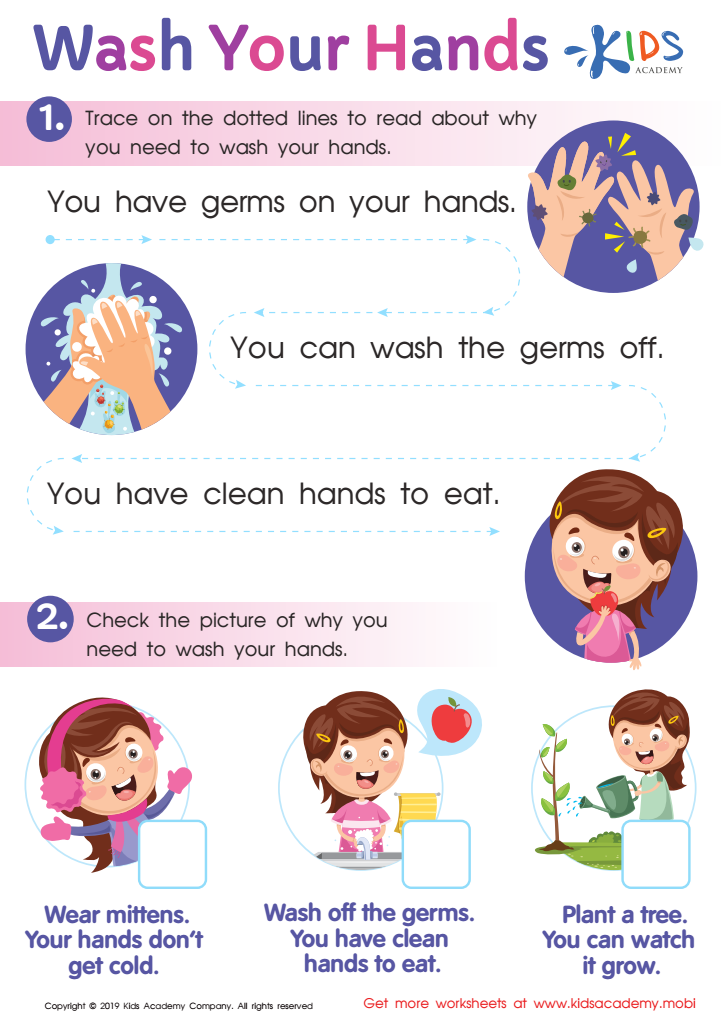
Wash Your Hands Worksheet
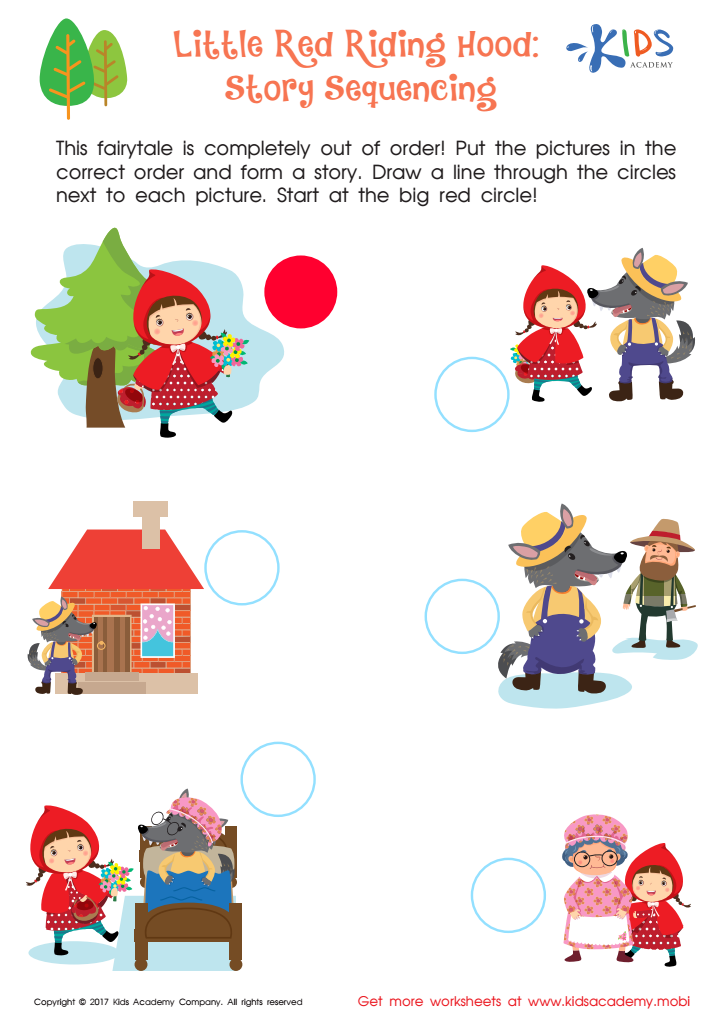
Story Sequencing Printable
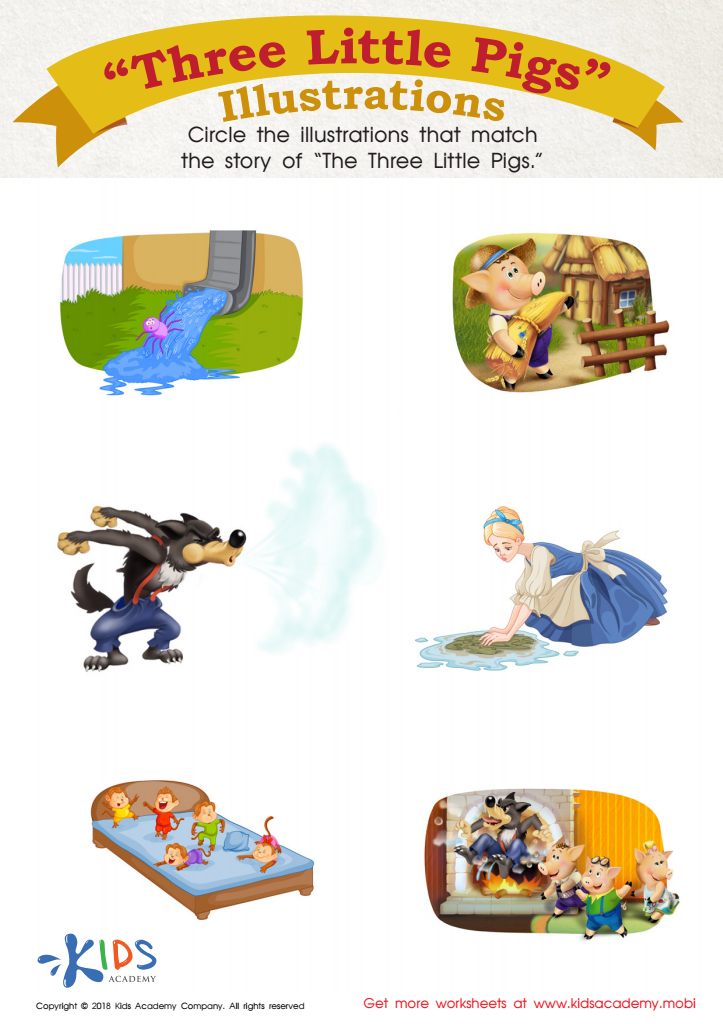
Three Little Pigs: Illustrations Worksheet
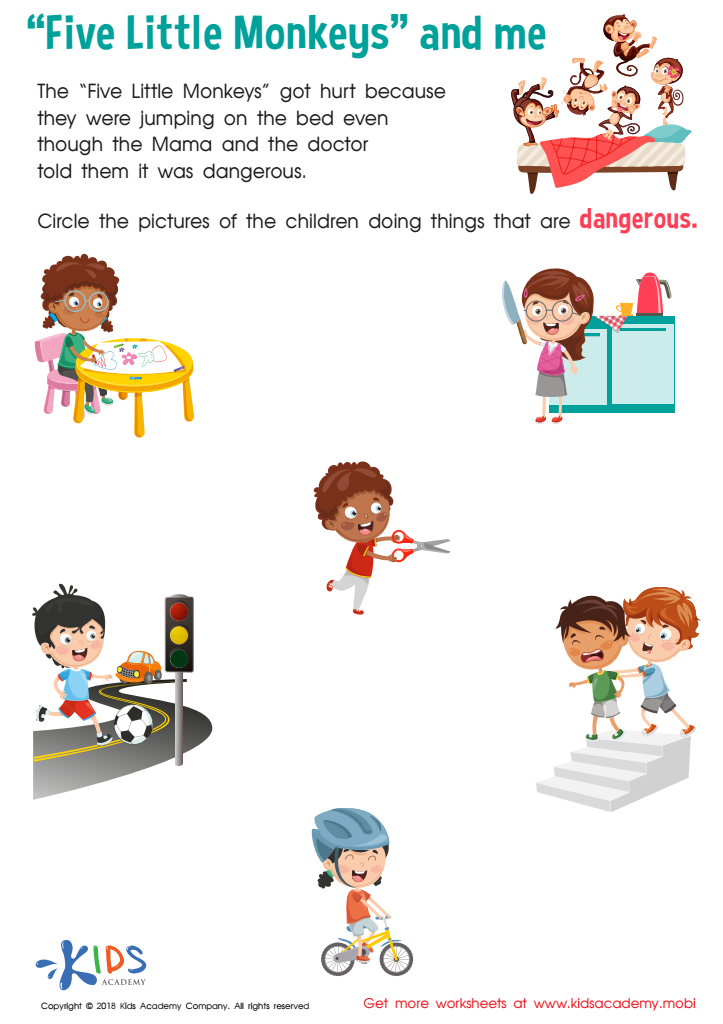
Five Little Monkeys and Me Worksheet


.jpg)




Sequencing skills in reading fiction are crucial for children aged 3-4, as they form the foundation for future literacy and cognitive development. Understanding the order of events in stories helps young children grasp the basic structure of narratives, which is essential for reading comprehension. Early mastery of sequencing also supports logical thinking and organizational skills, benefitting their overall learning across multiple subjects.
For parents and teachers, emphasizing sequencing in storytelling can make reading sessions interactive and engaging. Asking children to predict what happens next or recall the sequence of events enhances their active listening skills, memory, and attention span. Moreover, it encourages them to participate in discussions, fostering their communication and social skills. Managing the pieces of a story canonically directs them to connect cause and effect, enriching their problem-solving abilities.
Incorporating various activities like picture sequencing cards, retelling stories with prompts, or using visual aids supports playful learning and keeps the young minds motivated. Nurturing these skills early can significantly contribute to a child's successful academic journey, laying the groundwork for more complex literacy tasks they will encounter as they grow. Ensuring strong sequencing skills at this formative stage promotes a lifelong love for reading and learning.








