Fine Motor Skills Sight Words Worksheets for Ages 3-4
4 filtered results
Difficulty Level
Grade
Age
-
From - To
Subject
Activity
Standards
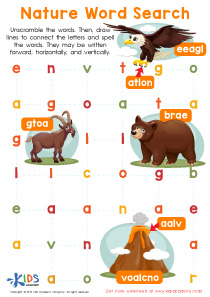
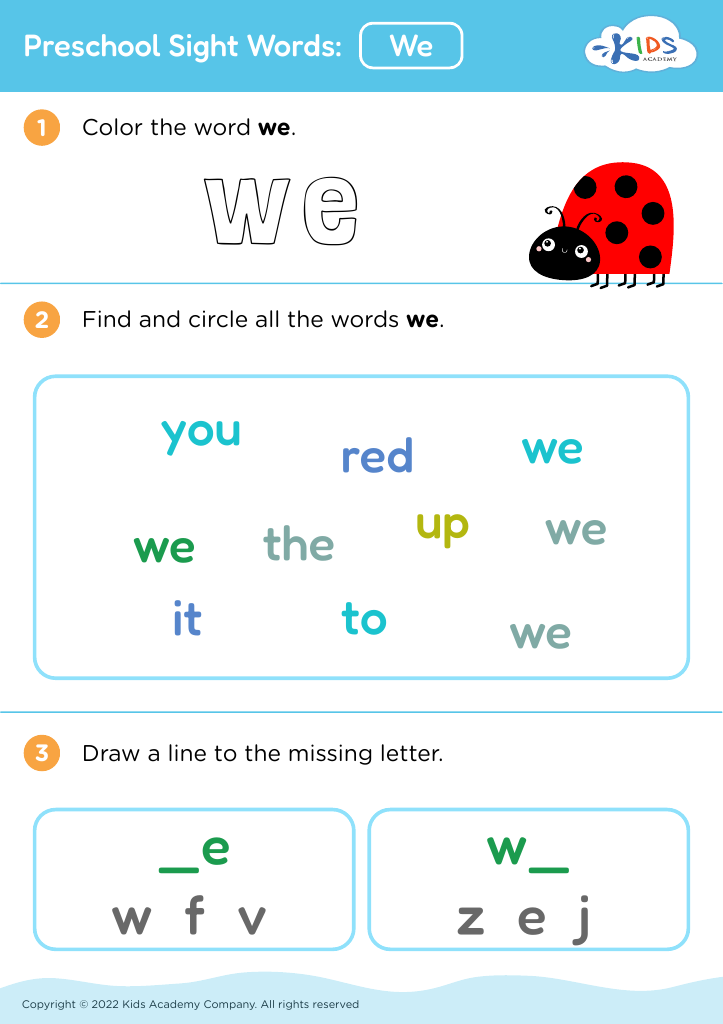
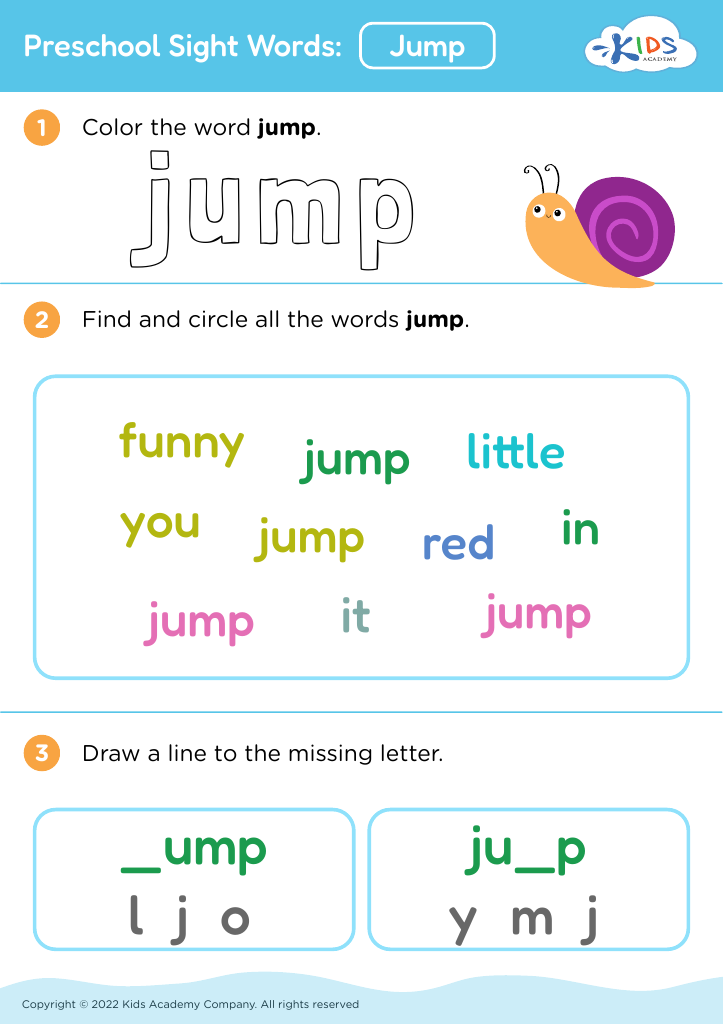
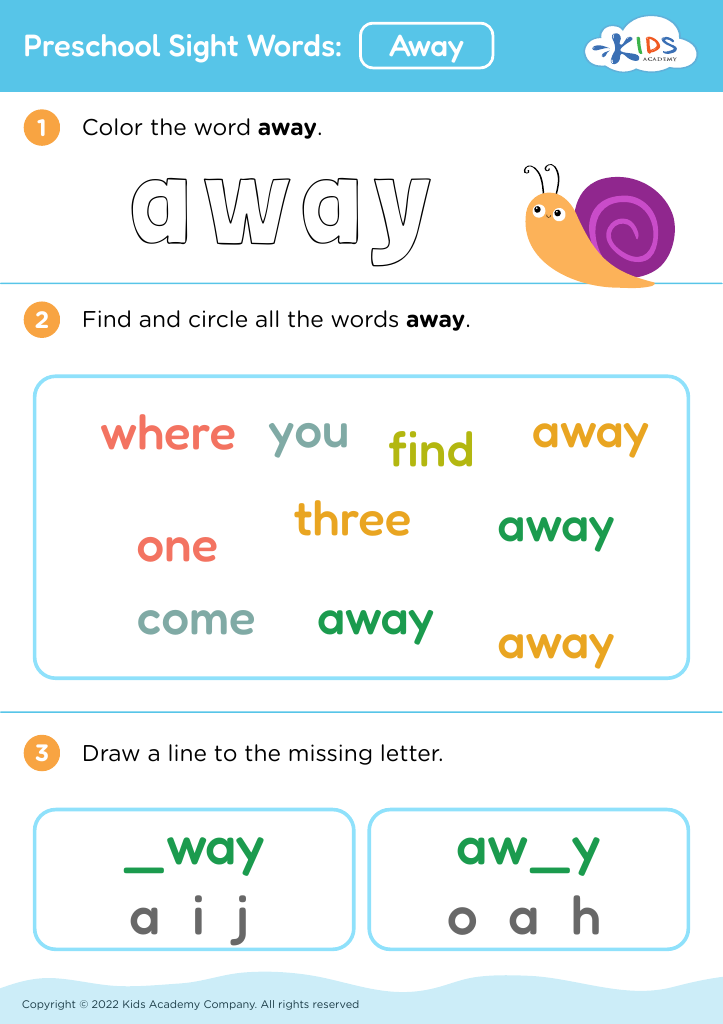
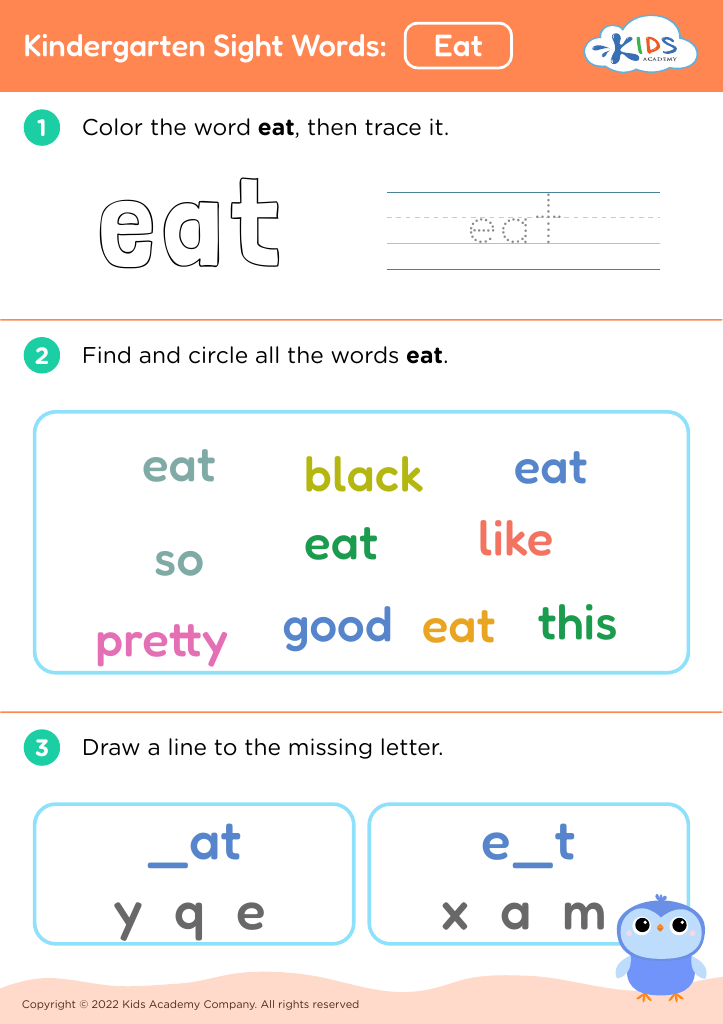
Improve your child's reading and writing foundations with our Fine Motor Skills Sight Words Worksheets tailored for ages 3-4. These engaging and interactive worksheets combine essential sight word recognition with fine motor skills development, making learning both effective and fun. Carefully designed activities, such as tracing and coloring, help young learners enhance their hand-eye coordination and pencil grip while familiarizing themselves with high-frequency words. Perfect for kindergarten prep, these worksheets align with early learning standards and create a strong literacy base. Give your child a head start in reading success with our comprehensive and playful resources.
Favorites
With answer key
Interactive







Join Kids Academy for Free
Who is primarily going to use this learning content?








Fine motor skills and sight words are critical elements in early childhood education, particularly for children aged 3-4. Parents and teachers should focus on these areas to lay a strong foundation for future learning and development.
Fine motor skills involve the coordination of small muscles in the hands and fingers, important for various everyday tasks like writing, buttoning clothes, and using utensils. Developing these skills early enhances a child's ability to perform self-care tasks independently and helps them explore their environment more effectively. Activities such as coloring, cutting with scissors, and playing with building blocks not only improve fine motor skills but also enhance hand-eye coordination and concentration.
Sight words, on the other hand, are commonly occurring words that children should recognize without having to sound them out. Mastering sight words helps young children become more fluent readers. By memorizing these words, children can read more smoothly and with comprehension, which boosts their confidence and fosters a love for reading.
Together, well-developed fine motor skills and a robust sight word vocabulary prepare children for the academic demands of kindergarten and beyond. When parents and teachers emphasize these areas, they support cognitive development, improve literacy skills, and build a foundation for lifelong learning.