Fraction comparison Sight Words Worksheets for Ages 3-4
7 filtered results
-
From - To
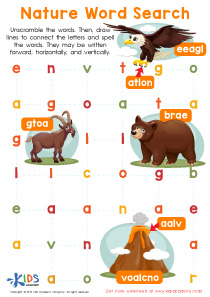
Introduce young learners to the exciting world of fractions with our "Fraction Comparison Sight Words Worksheets for Ages 3-4." Designed to blend foundational math skills with early reading practice, these engaging worksheets help children compare simple fractions while familiarizing themselves with essential sight words. Through colorful visuals and interactive activities, kids will develop their fraction sense, hone their language skills, and build confidence in both subjects. Perfect for home or classroom use, these worksheets make learning fun and accessible. Enhance your child’s early education journey with our expertly crafted resources tailored specifically for preschoolers. Download now and watch young minds thrive!
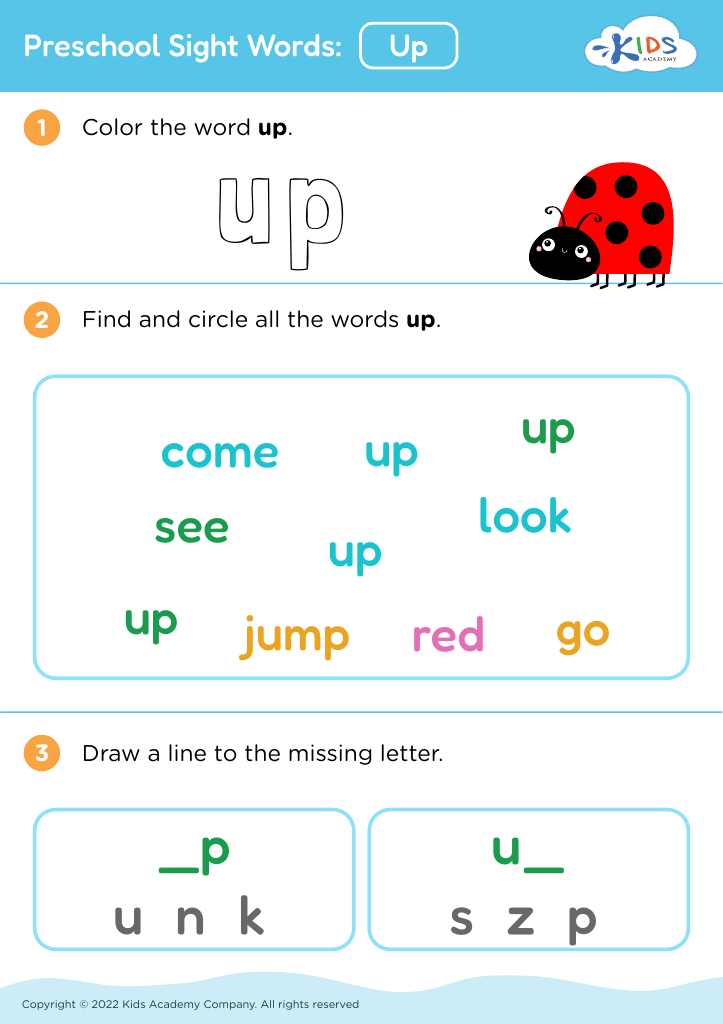

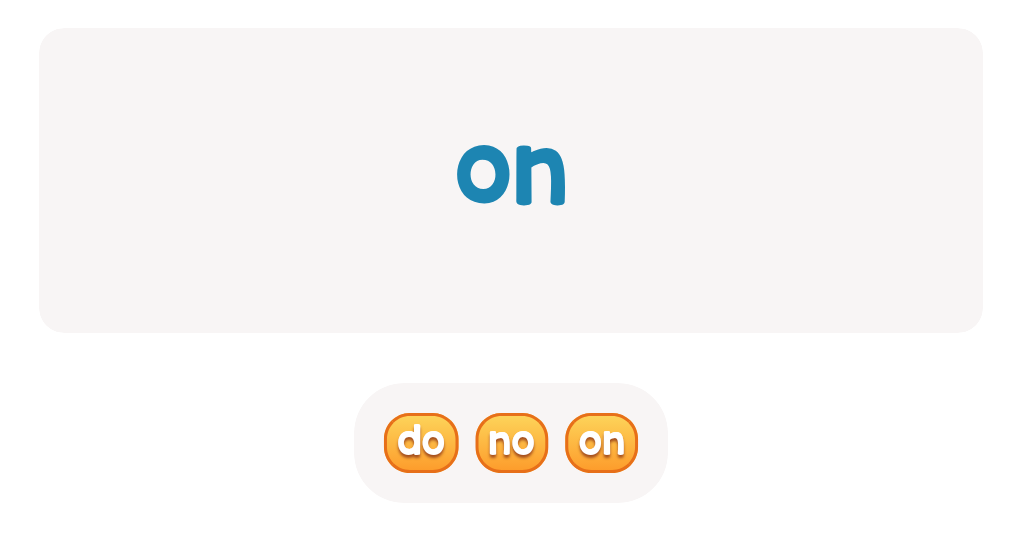
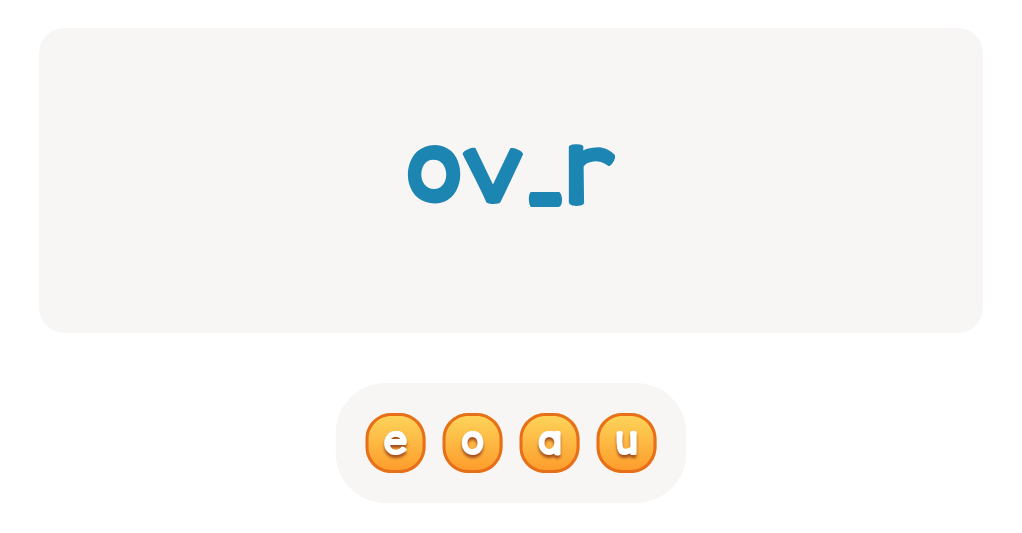
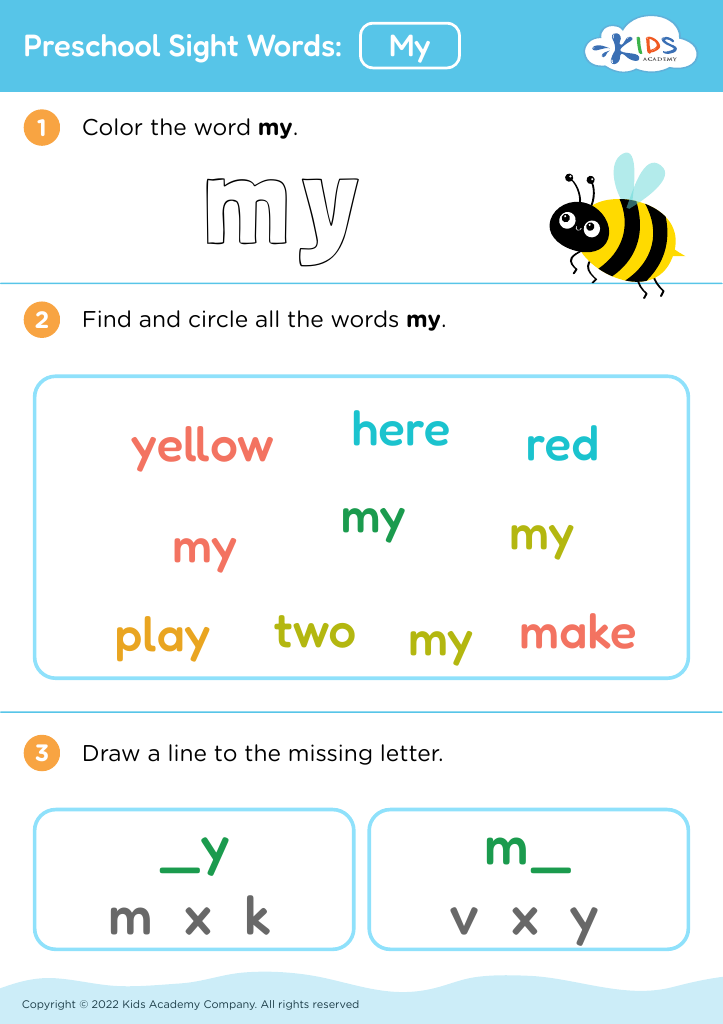
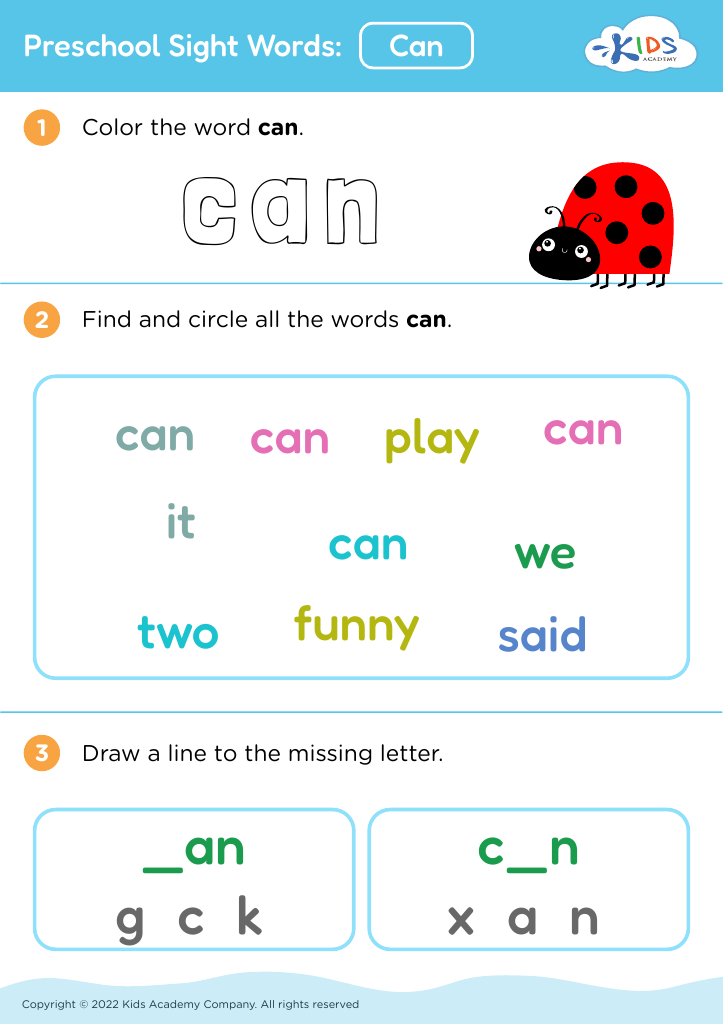
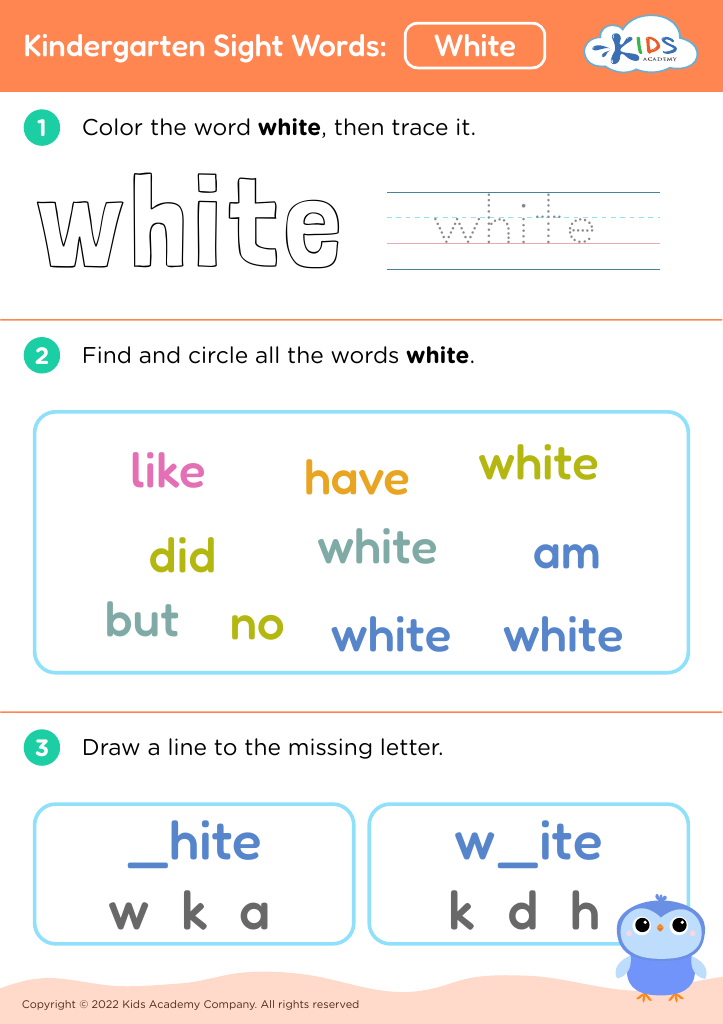
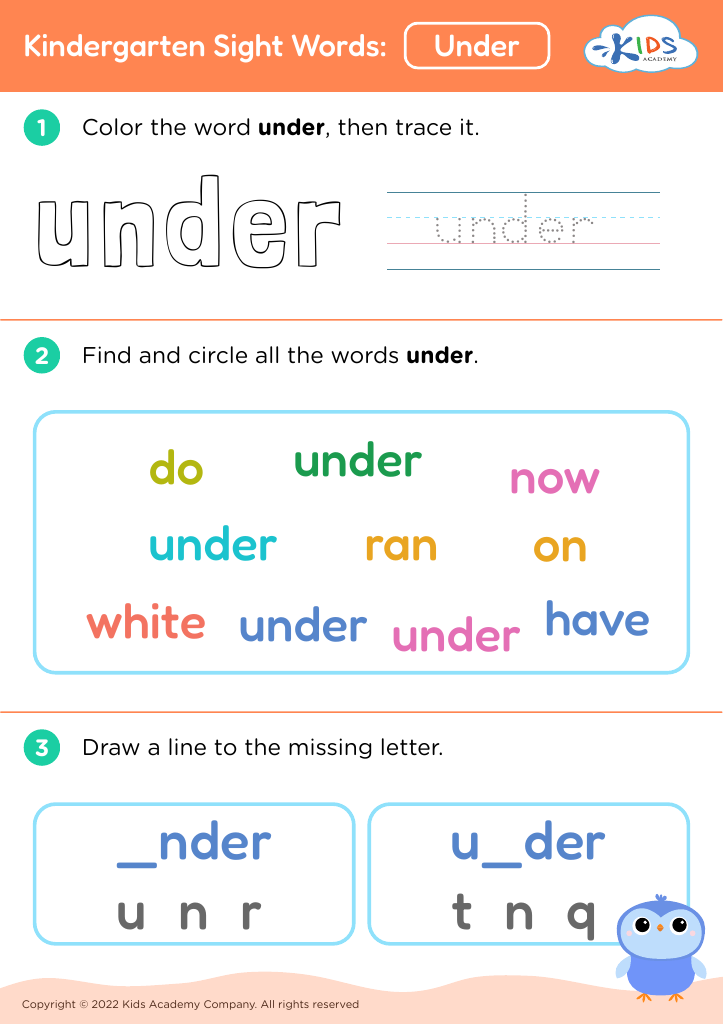
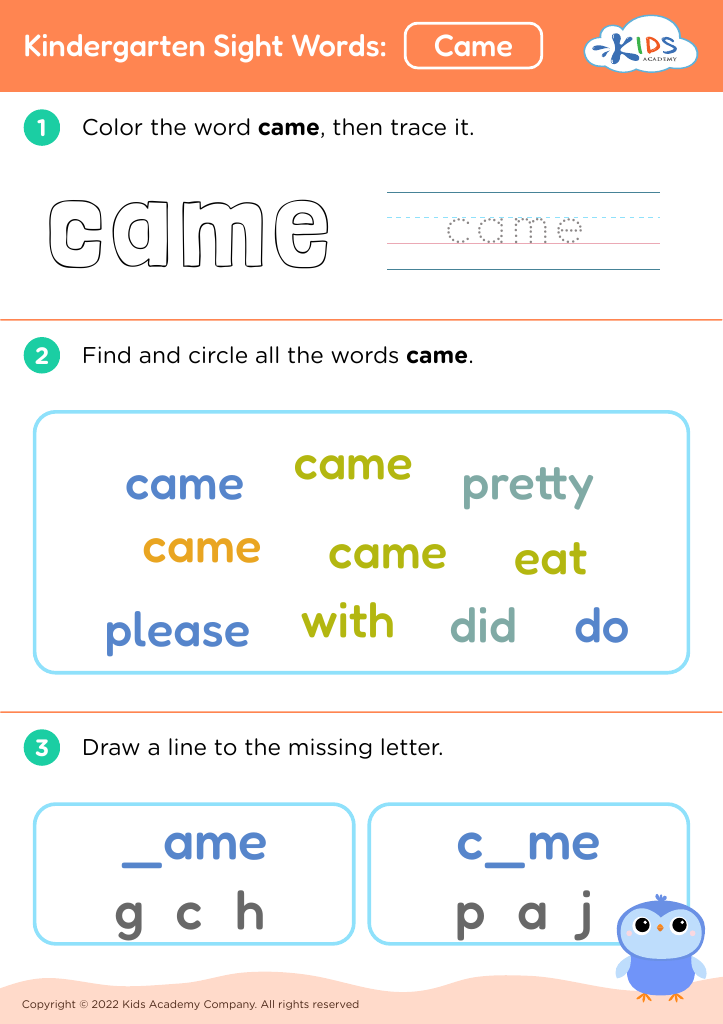
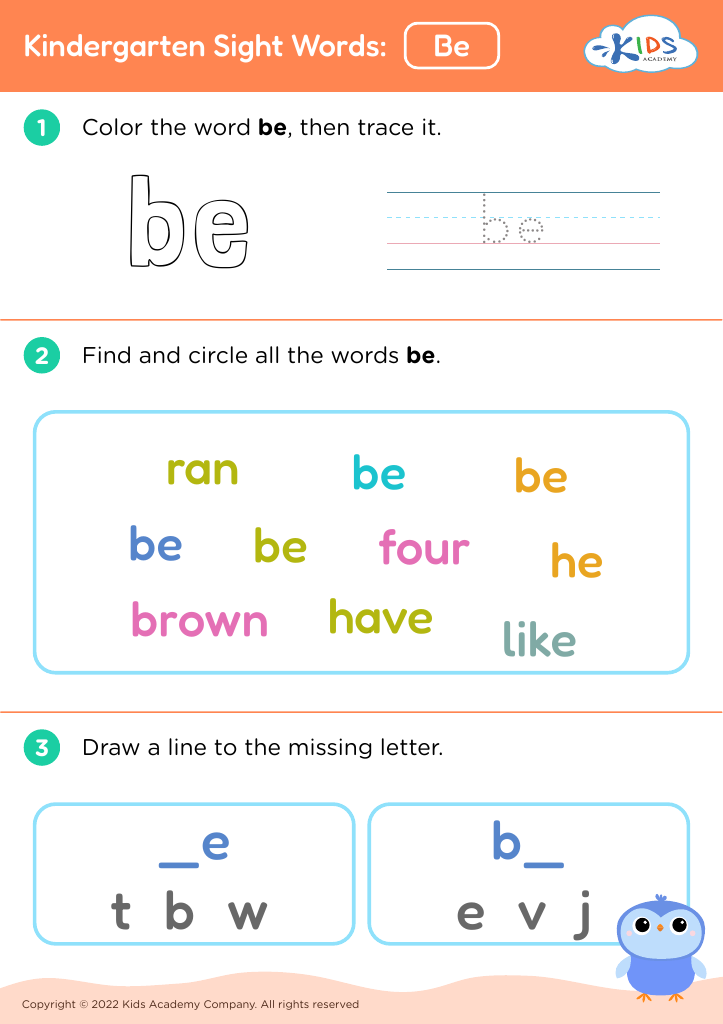





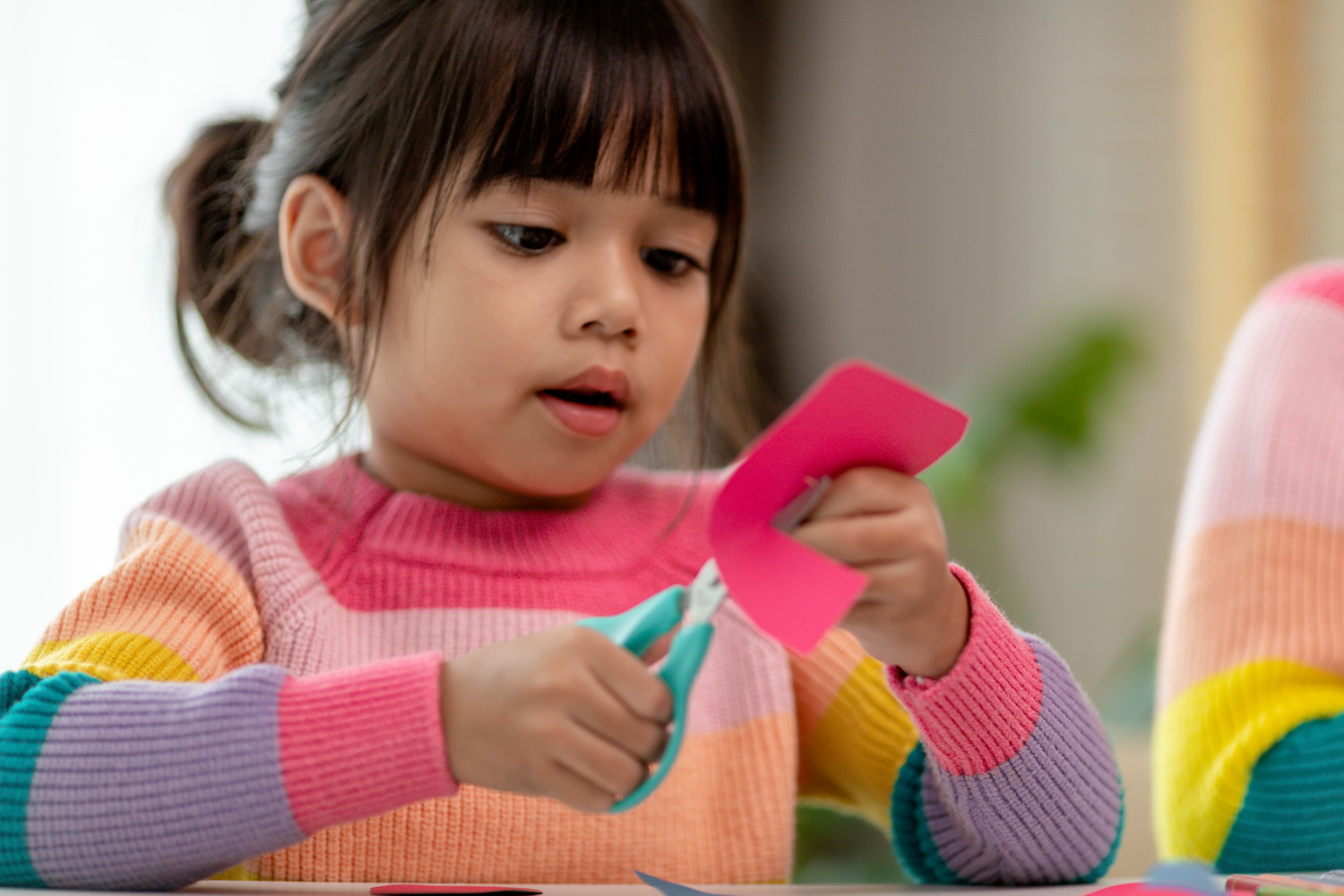


Introducing “fraction comparison” and “sight words” to young learners ages 3-4 lays a strong foundation for both mathematical and literacy skills. Even though fractions might seem advanced for this age, simple fraction comparison (like understanding half, more, or less) builds intuitive feelings for numbers and maths. It can be as simple as sharing items ("You have more pieces than me" or "I have half of the cookie"), instilling basic concepts that will be crucial for future learning.
Sight words are equally essential; they are commonly used words that kids are encouraged to recognize without sounding out each letter. Mastering these words increases reading fluency and comprehension, as they make up a significant portion of the text. Sight words often don't follow regular phonetic rules, so early memorization helps children become more confident readers.
When parents and teachers focus on these areas early on, children become more comfortable with foundational skills, reducing future frustration and nurturing a love for learning. Engaging with both fraction comparison and sight words in everyday, playful contexts tailors leaning to their developmental stage and makes abstract concepts more tangible and approachable for young minds.