Fine motor skills development ABC Letters Worksheets for Ages 3-6
3 filtered results
-
From - To
Explore our engaging ABC Letters Worksheets designed to enhance fine motor skills for children ages 3-6! These interactive worksheets provide exciting activities that help young learners strengthen their hand-eye coordination, dexterity, and overall motor skills while learning the alphabet. With colorful illustrations and fun exercises like tracing, coloring, and cutting, children will enjoy practicing letter recognition and writing. Perfect for parents and educators seeking to support early childhood development, our worksheets create a seamless blend of play and learning. Give your child a head start in mastering both fine motor skills and the ABCs with our thoughtfully designed resources!
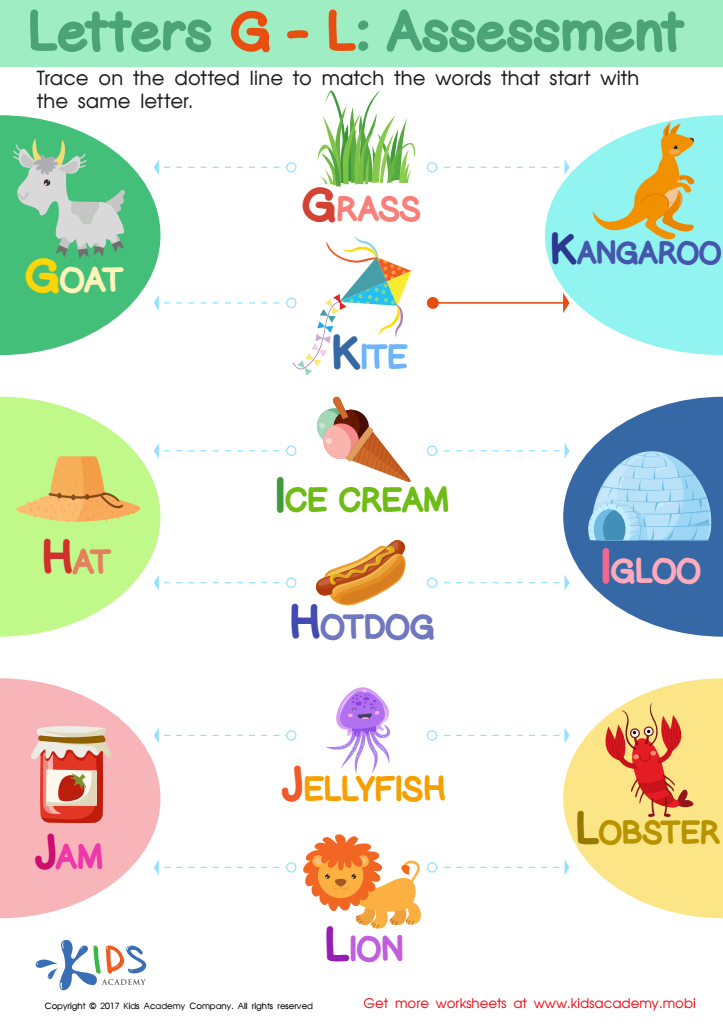
Letters G-L Worksheet











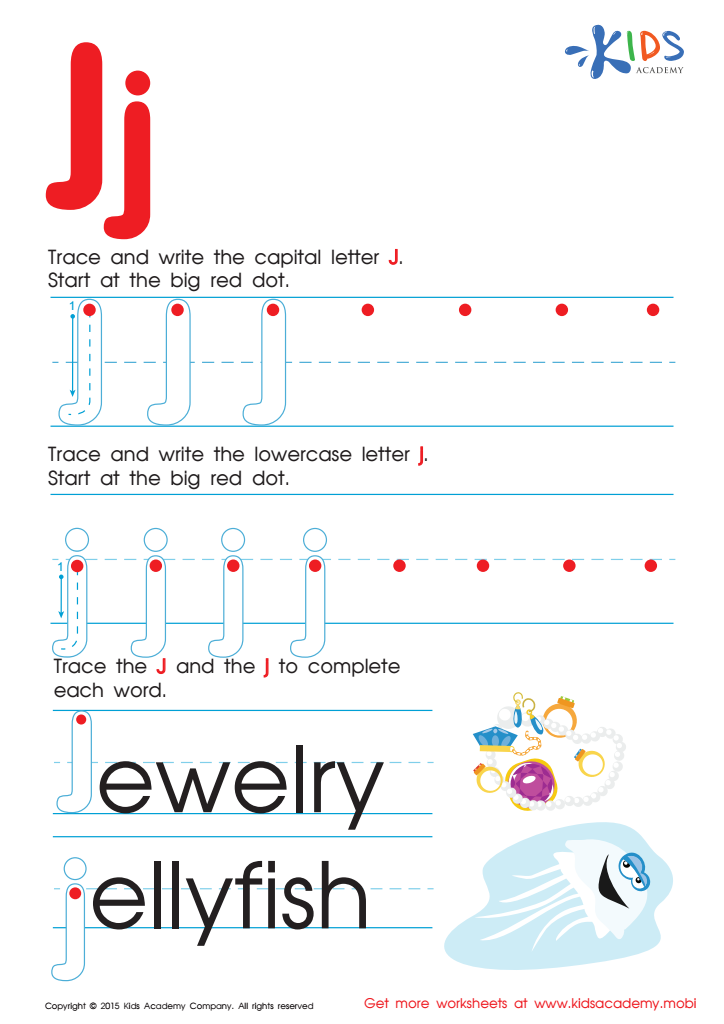
Letter J Tracing Page
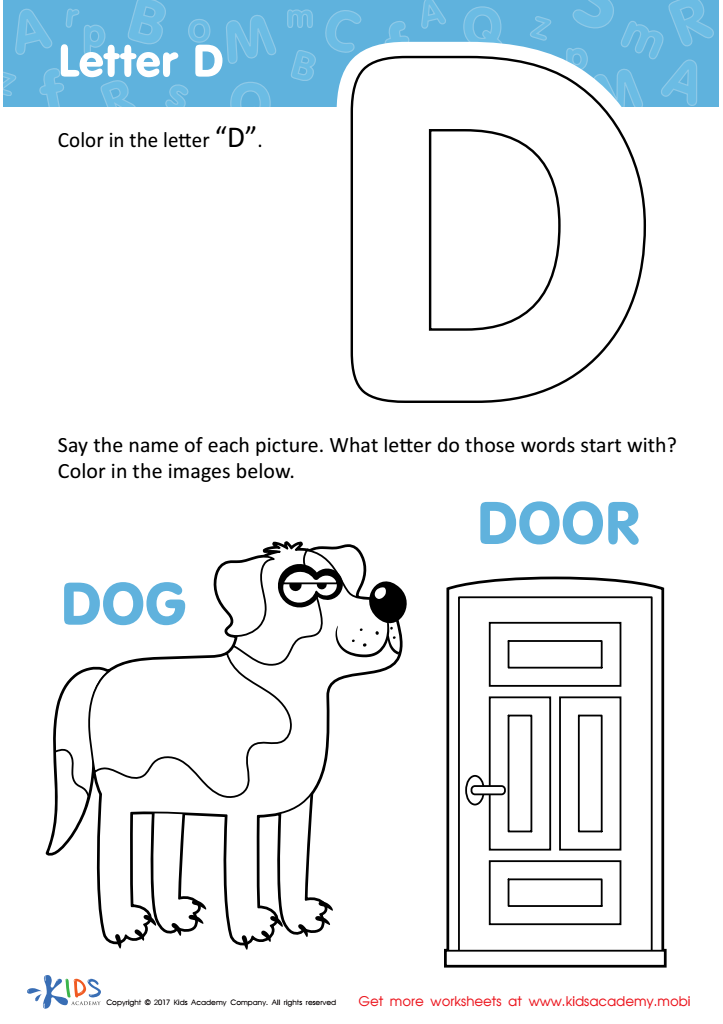
Letter D Coloring Sheet
 Assign to My Students








Fine motor skills are essential for young children's overall development and significantly influence their academic and personal growth. For children aged 3-6, the development of these skills is particularly critical as they lay the groundwork for later learning tasks, including writing, coloring, and even personal care activities like buttoning clothing or using scissors.
When children develop fine motor skills, they enhance hand-eye coordination, dexterity, and spatial awareness, all of which are vital for mastering ABC letters and other foundational literacy skills. Activities that promote fine motor development, such as tracing letters, manipulating playdough, or using tweezers, not only increase children's engagement with letter formation but also directly support their pre-writing skills.
Incorporating fine motor skills into learning about letters helps make the educational experience more tactile and enjoyable. This holistic approach not only prepares children for future academic challenges but also builds their confidence in expressing themselves through writing. Parents and teachers should recognize the importance of fostering these skills early on, as a strong foundation in fine motor development can set the stage for successful literacy acquisition and a lifelong love for learning. By nurturing fine motor skills, adults can better prepare children for academic success and everyday tasks.







