
Phonics practice Consonants Worksheets for Ages 3-6
5 filtered results
Difficulty Level
Grade
Age
-
From - To
Subject
Activity
Standards
Unlock the joy of learning with our comprehensive Phonics Practice Consonants Worksheets, designed specifically for children ages 3-6! These engaging worksheets provide a fun and interactive way for young learners to familiarize themselves with consonant sounds and their corresponding letters. With vibrant illustrations and age-appropriate activities, kids will develop essential phonics skills while boosting their reading confidence. Our carefully crafted exercises promote letter recognition, sound identification, and early reading readiness. Perfect for preschool or kindergarten enrichment, these worksheets encourage independent learning and can easily be incorporated into daily lessons. Start your child’s phonics journey today and watch them thrive!
Favorites
With answer key
Interactive
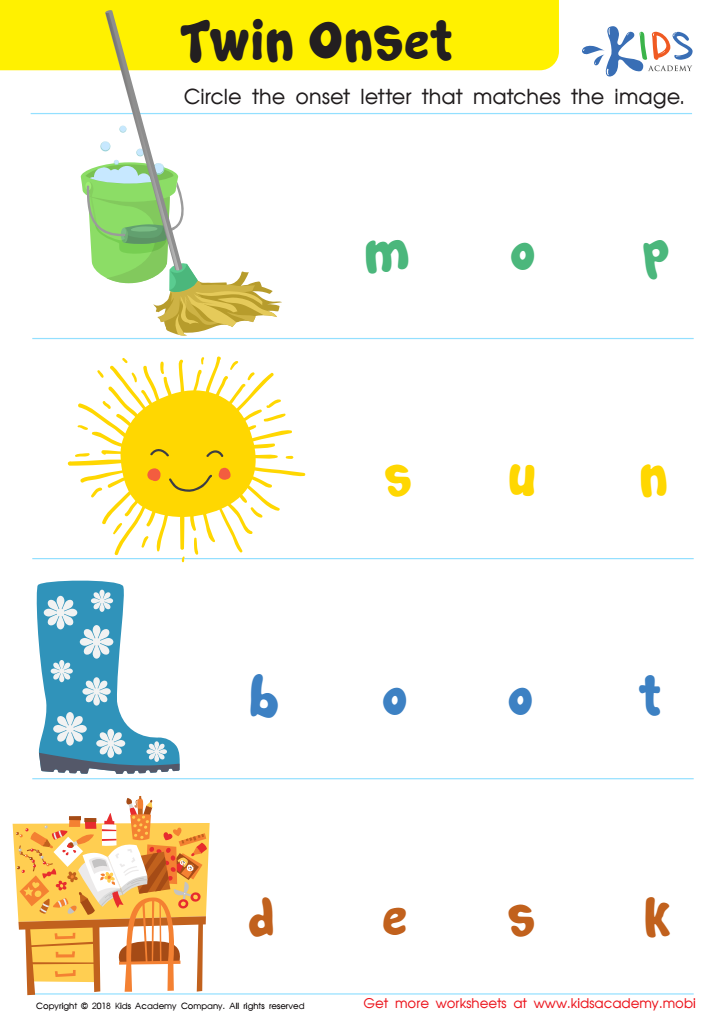
Twin Onset Worksheet
Children's phonological skills and reading/spelling strategies are strengthened by isolating initial consonants. This fun PDF worksheet encourages kids to trace the correct onset letter and hone fine motor skills. It's a great way to introduce early reading and spelling.
 Assign to My Students
Twin Onset Worksheet
Worksheet
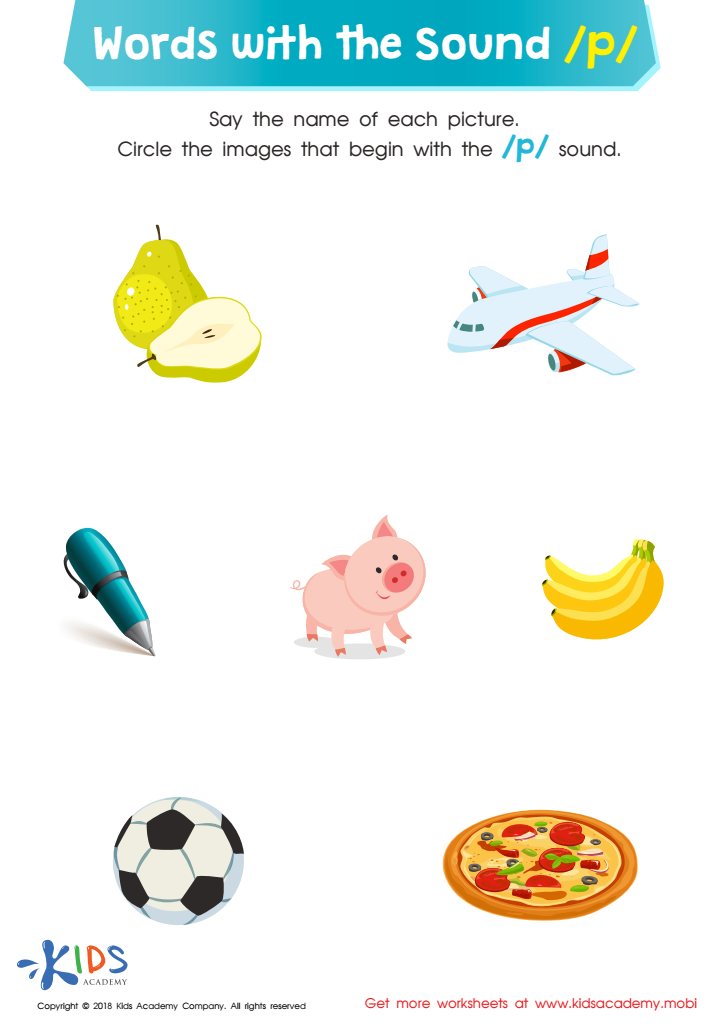
Words with sound p Reading Worksheet
Working on this fun worksheet? Name each picture aloud and listen carefully before circling those that start with the letter «p»! Pizza, pig, plane, or banana - practice phonics to help your child recognize the letter «p» sound for successful early reading and decoding!
Words with sound p Reading Worksheet
Worksheet
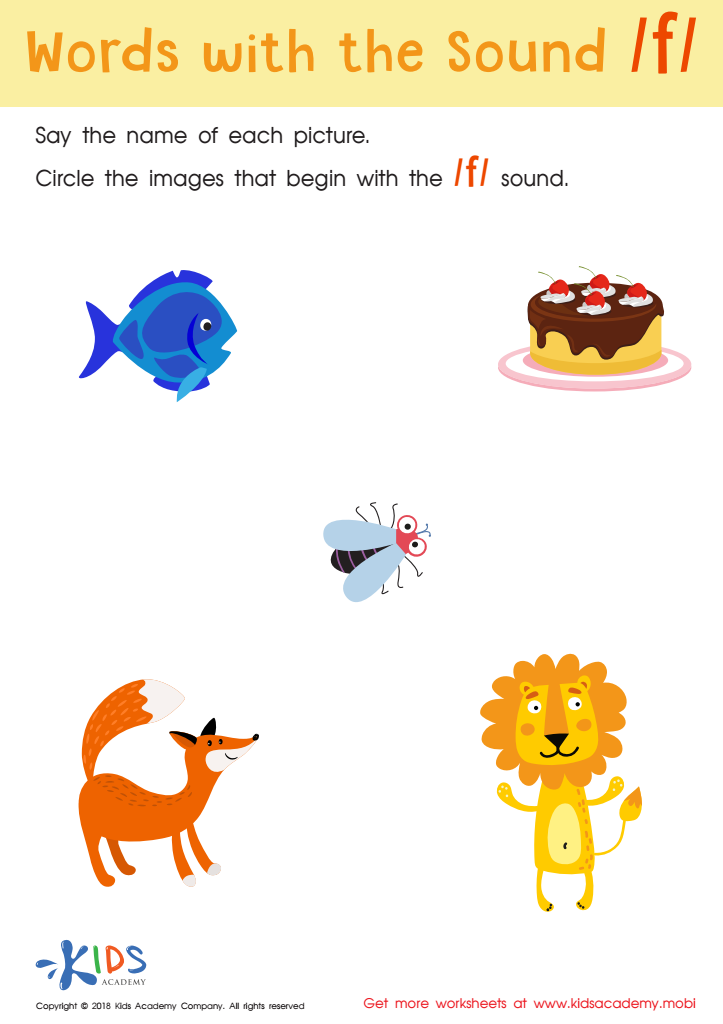
Words with sound f Reading Worksheet
This illustrated phonics worksheet is ideal for preschool or kindergarten. It helps boost learners' literacy skills with a focus on the letter "f". Ask your child to name all the pictures, listening for that sound. Examples are fish, fox, lion, bug. When they can identify which words start with "f", have them circle the images. Congratulate them on a job well done!
Words with sound f Reading Worksheet
Worksheet
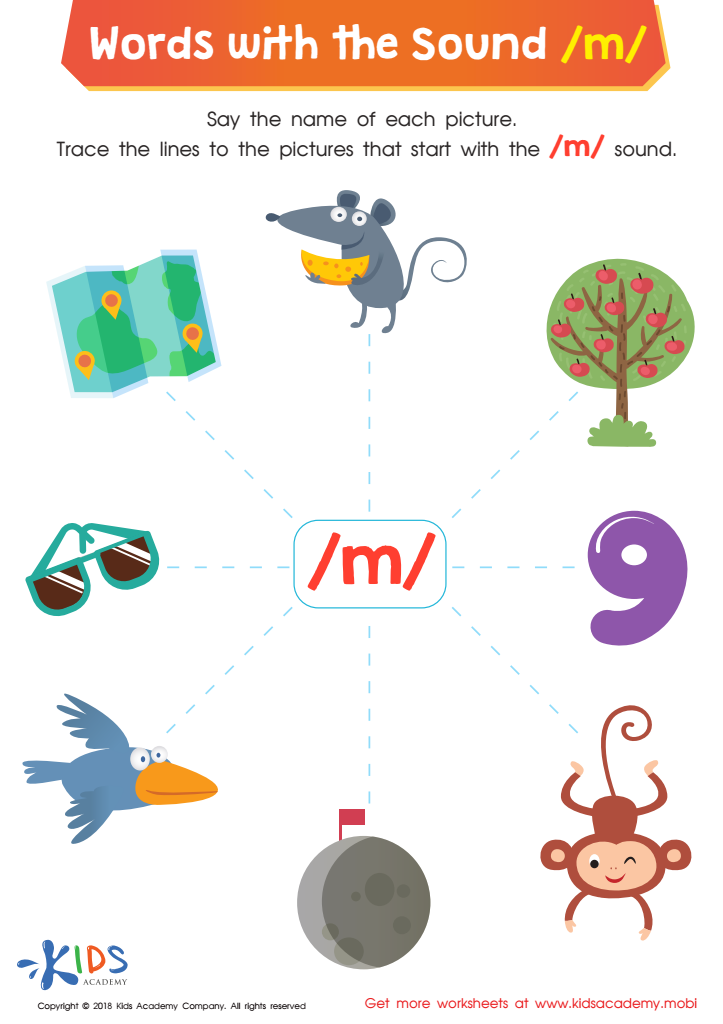
Words with Sound M Reading Worksheet
Emerging readers will use this traceable worksheet to name and trace pictures with the letter sound «m». Bright, engaging pictures make this fun and build confidence while strengthening fine motor skills. They won't even know they're also working on reading skills!
Words with Sound M Reading Worksheet
Worksheet
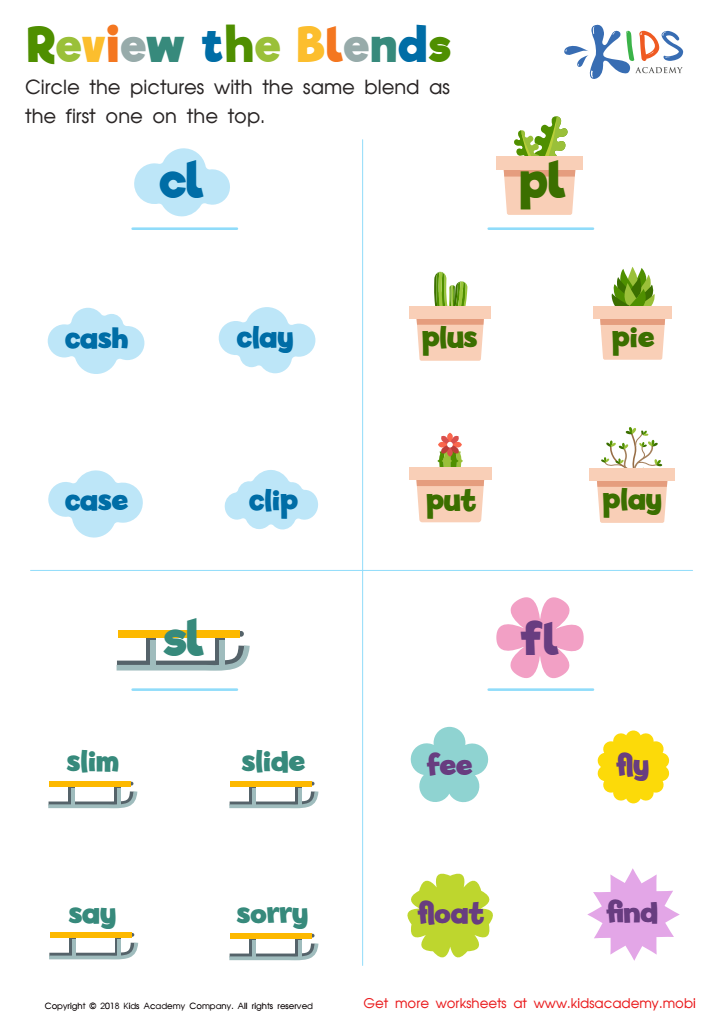
Review the Blends Worksheet
Consonant blends are two or three consonants that make a sound when pronounced together. L-blends like cl, bl, sl, fl and 3-letter blends like str, slp are common. This phonics worksheet helps early readers identify words containing two letter L-blends. Students must circle the words then read them aloud.
Review the Blends Worksheet
Worksheet
Join Kids Academy for Free
Who is primarily going to use this learning content?



Phonics practice, particularly focusing on consonants, is crucial for young children aged 3-6 as it lays the foundation for reading and language skills. During these formative years, children's brains are highly receptive to learning sounds, which form the building blocks of words. By engaging in phonics practice, parents and teachers can help children become familiar with the sounds that consonants produce, ensuring they can decode words effectively as they begin to read.
Consonants are essential in building vocabulary and spelling, and recognizing their sounds allows children to develop strong phonemic awareness. Strong phonics skills lead to improved reading fluency, confidence, and comprehension, providing children with the tools to communicate and express themselves effectively.
Moreover, phonemic skills foster a love for reading and learning that can last a lifetime. By involving parents in phonics activities at home, such as playful sound games or interactive reading sessions, learning becomes enjoyable and meaningful. For teachers, integrating consonant phonics into classroom activities supports differentiated learning, promoting engagement and participation among all students. In essence, investing time in consonant phonics practice equips young learners with essential skills that will serve them throughout their academic journey and beyond.







