Vocabulary expansion Elementary Phonics Worksheets for Ages 3-6
6 filtered results
-
From - To
Boost your child's vocabulary with our Elementary Phonics Worksheets designed for ages 3-6! These engaging, interactive worksheets help young learners enhance their phonics skills while expanding their word knowledge. Featuring colorful illustrations and fun activities, these resources make learning enjoyable and effective. Your child will explore phonetic sounds, associate them with letters, and discover new words in a playful context. Perfect for at-home learning or classroom settings, our worksheets spark curiosity and promote language development. Equip your little one with the building blocks of literacy and watch their confidence soar as they master the essentials of reading!
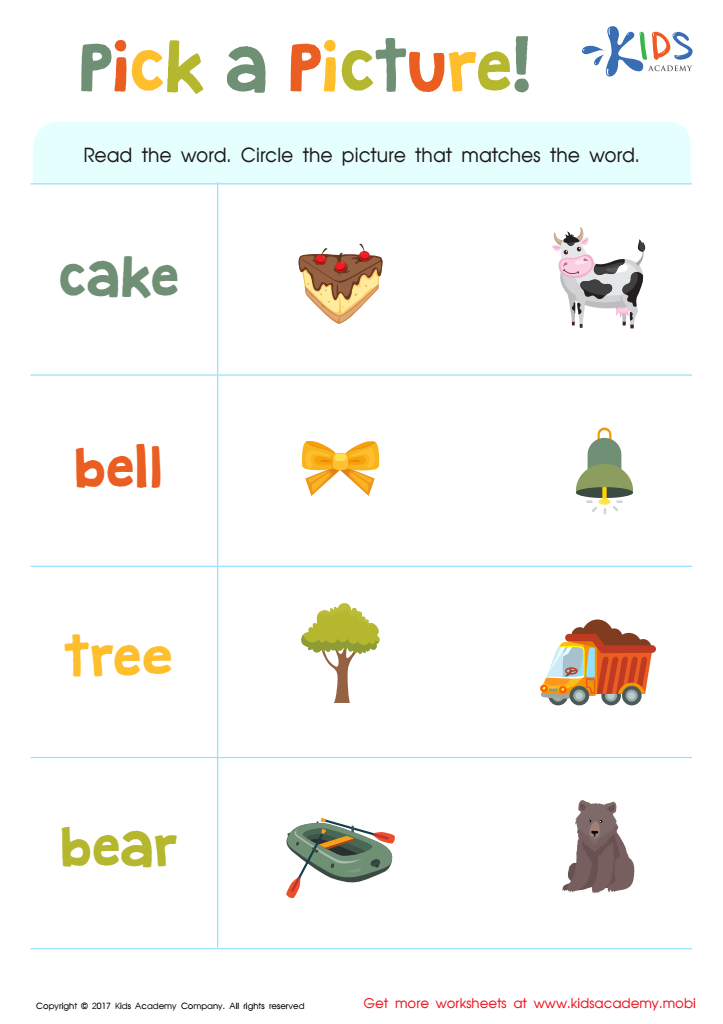
Pick a Picture Word Recognition Worksheet
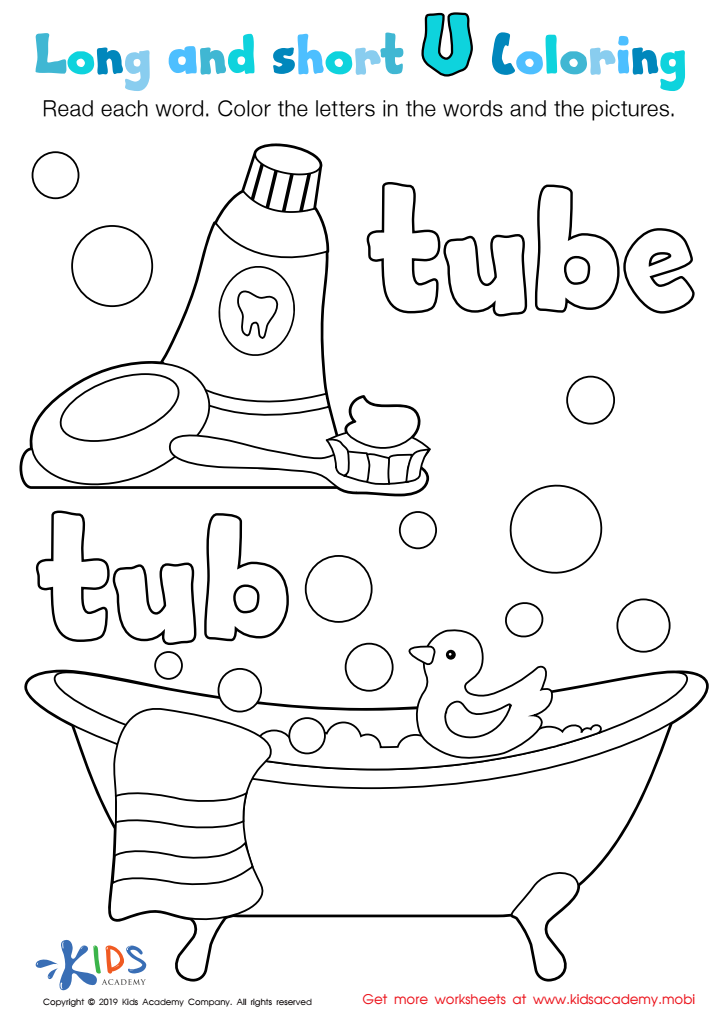
Long and Short U Worksheet
 Assign to My Students
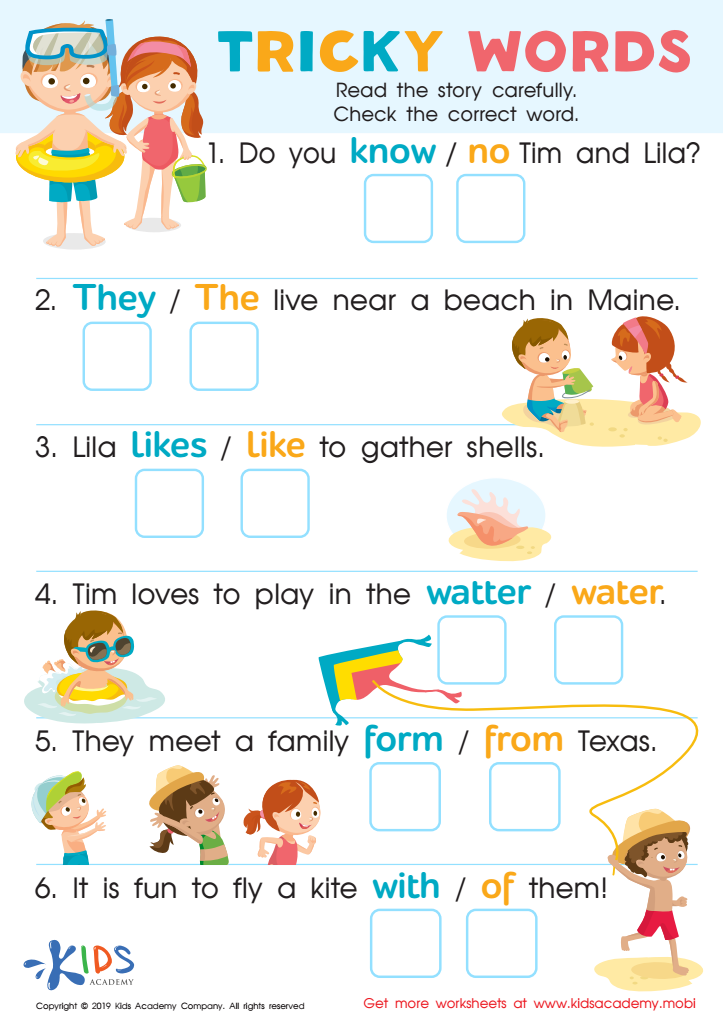
Tricky Words Worksheet
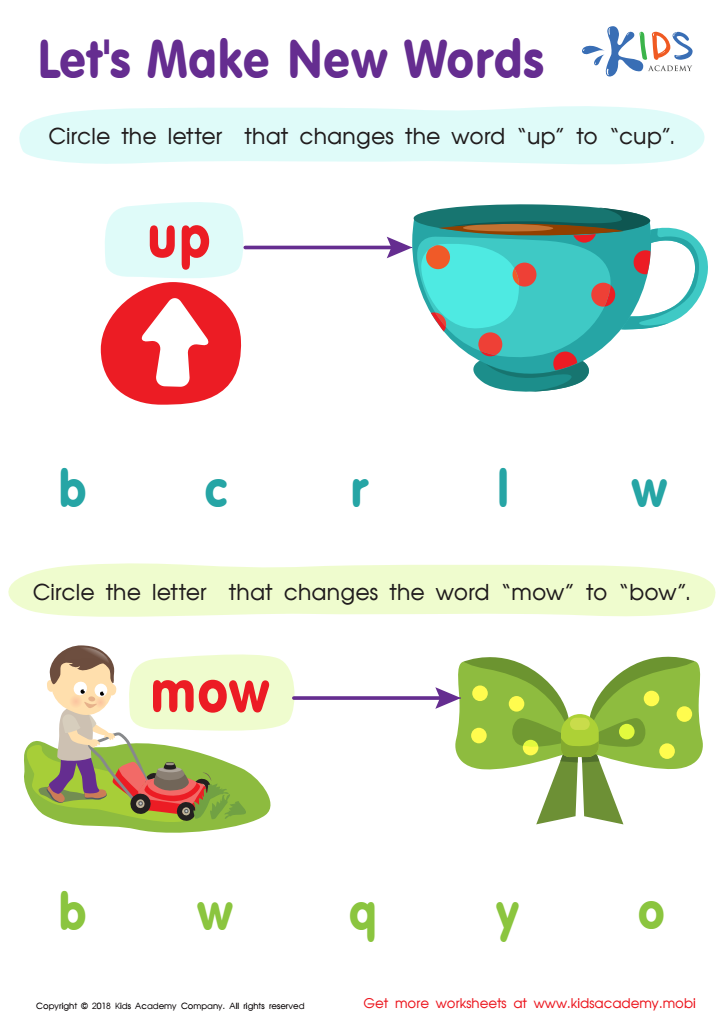
Let's Make New Words Worksheet
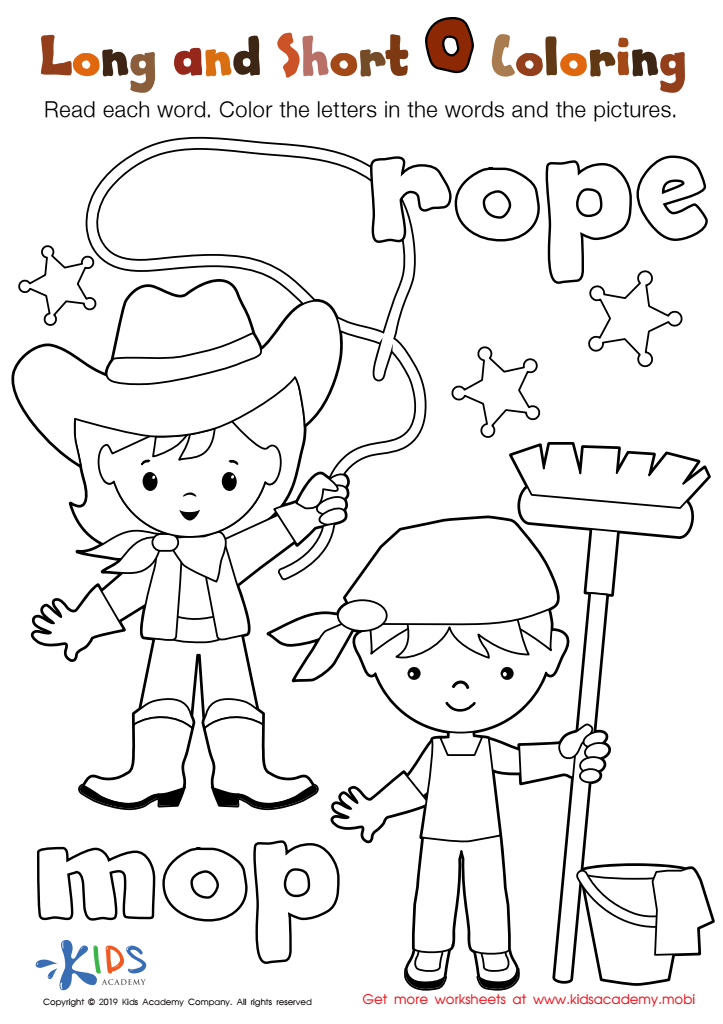
Long and Short O Worksheet
Assign to My Students
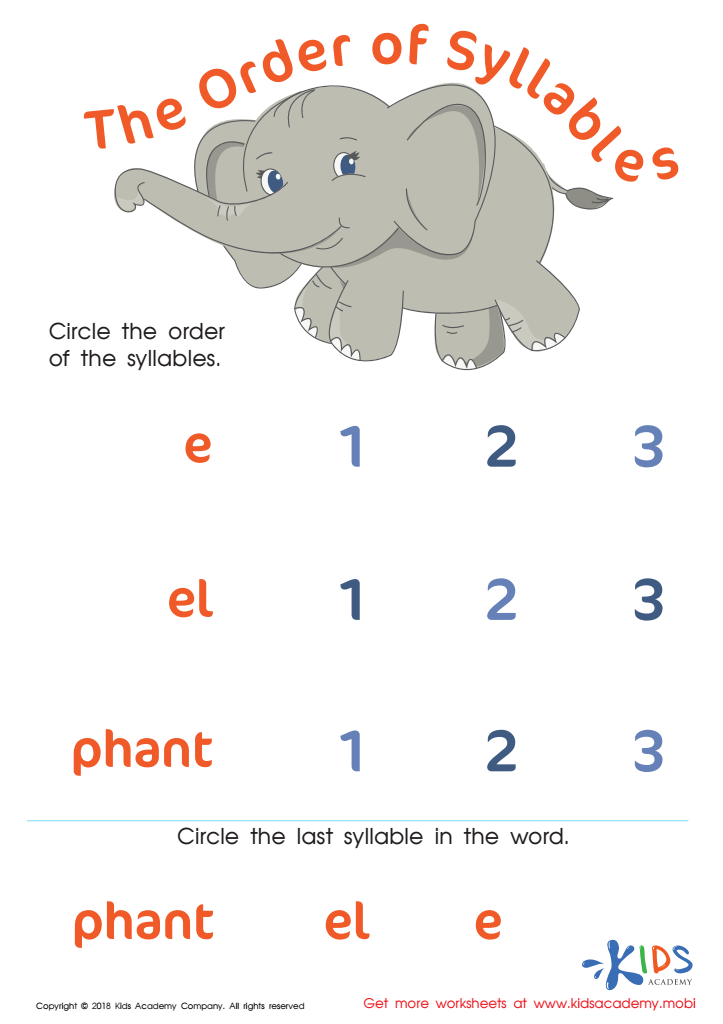
The Order of Syllables Worksheet




Vocabulary expansion and phonics learning for children aged 3-6 are vital components of early literacy development, warranting significant attention from both parents and teachers. During these formative years, children's brains are particularly adept at absorbing information, making it a prime time to nurture language skills. A strong vocabulary foundation enhances comprehension, allowing young learners to express themselves clearly and connect with what they read and hear.
Engaging in systematic phonics instruction helps children understand the relationship between letters and sounds, paving the way for successful reading. As they decode words, their vocabulary naturally expands, building confidence and encouraging a love for reading. This essential skill supports greater academic success in later years, fostering better communication abilities and critical thinking.
Moreover, vocabulary skills enhance classroom participation—as children become more articulate, they engage more readily in discussions and collaborative learning experiences. Lastly, promoting vocabulary and phonics at an early age lays the groundwork for lifelong learning, empowering children to explore, understand, and navigate an increasingly complex world. Collectively, enhancing vocabulary and phonics teaches invaluable skills that propel children's cognitive development, social interactions, and overall educational trajectory, making it a crucial focus for parents and educators alike.







