Filters

8 filtered results

Clear all filters
Favorites
With answer key
Interactive

8 filtered results

Difficulty Level

Grade


Boost your child's handwriting skills with our Handwriting Improvement Alphabet Worksheets for Ages 3-6. Our engaging and educational worksheets are designed to make learning the alphabet fun and interactive. Each worksheet includes tracing, writing practice, and colorful illustrations to captivate young learners. Perfect for preschoolers and kindergarteners, these worksheets help develop fine motor skills, letter recognition, and early writing proficiency. Whether your child is starting to write or needs extra practice, our kid-friendly worksheets provide an excellent foundation for future academic success. Set your child on the path to confident writing with Kids Academy's thoughtfully crafted resources.

Check out this FREE Trial Lesson on Alphabet for age 3-6!

Z

Favorites
With answer key
Interactive
  • 3-6
  • Handwriting improvement
  • Alphabet
Letter Z worksheets
Letter Z worksheets

Letter Z Tracing Page

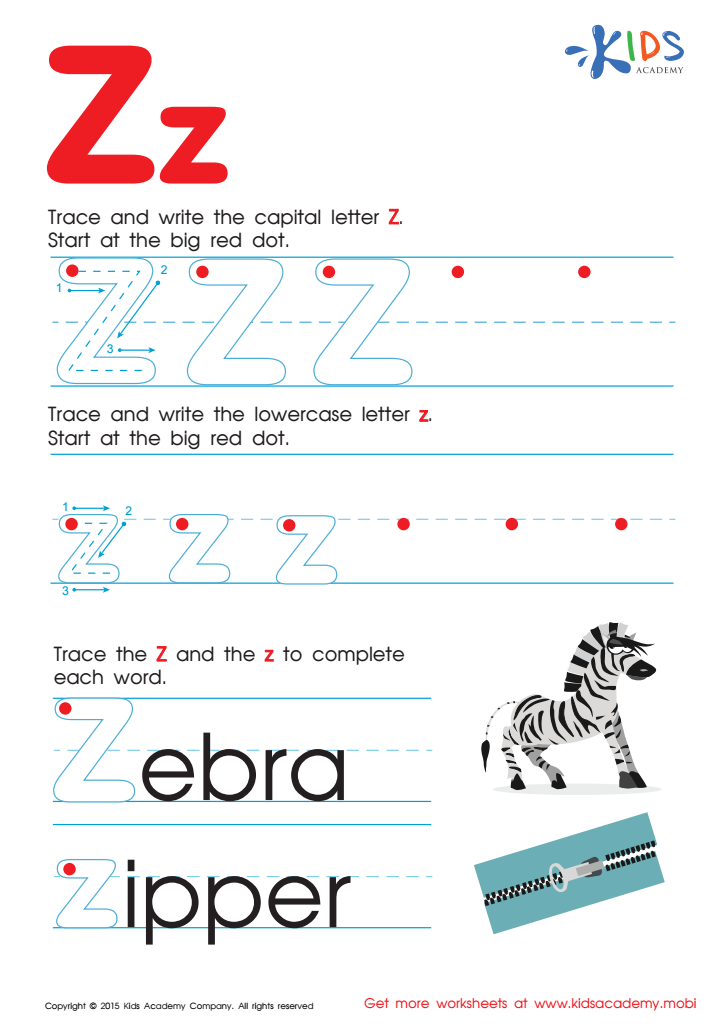
Trace and write capital "Z" and lowercase "z". Complete words "zebra" and "zipper". Be attentive and have fun! (80 words)
Letter Z Tracing Page
Worksheet
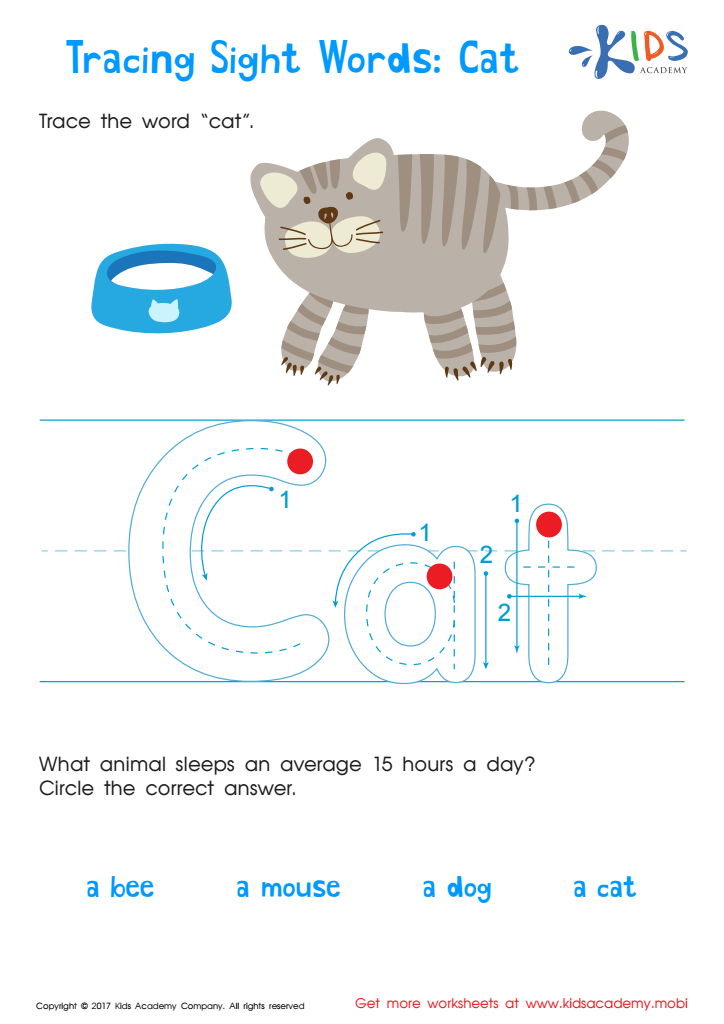
Sight Words Worksheet: Cat

Cat Printable Sight Words Worksheet

Encourage your child's literacy with this fun sight words worksheet: cat PDF! It helps build a solid foundation for reading, featuring activities such as reading and tracing the word cat, and finding it amongst other sight words. With its cute cat, Kids Academy makes learning to read a delight!
Cat Printable Sight Words Worksheet
Worksheet
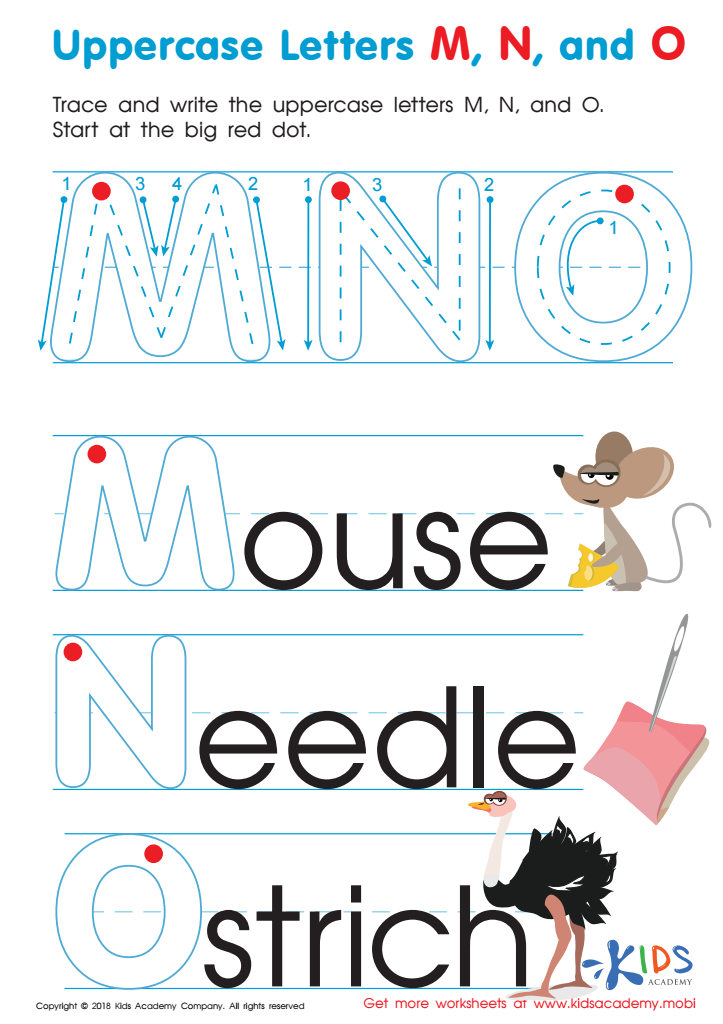
Uppercase Letters M, N, and O Worksheet Preview

Uppercase Letters M, N, and O Worksheet

Download our easy-to-understand worksheet to help kids write M and N with ease! They'll trace dotted lines and follow arrows as they fill in the letters using a big red dot as a guide. The cute graphics will help them remember sounds too! Get your child writing quickly and confidently with this fun activity.
Uppercase Letters M, N, and O Worksheet
Worksheet
Letters G-L Worksheet Preview

Letters G-L Worksheet

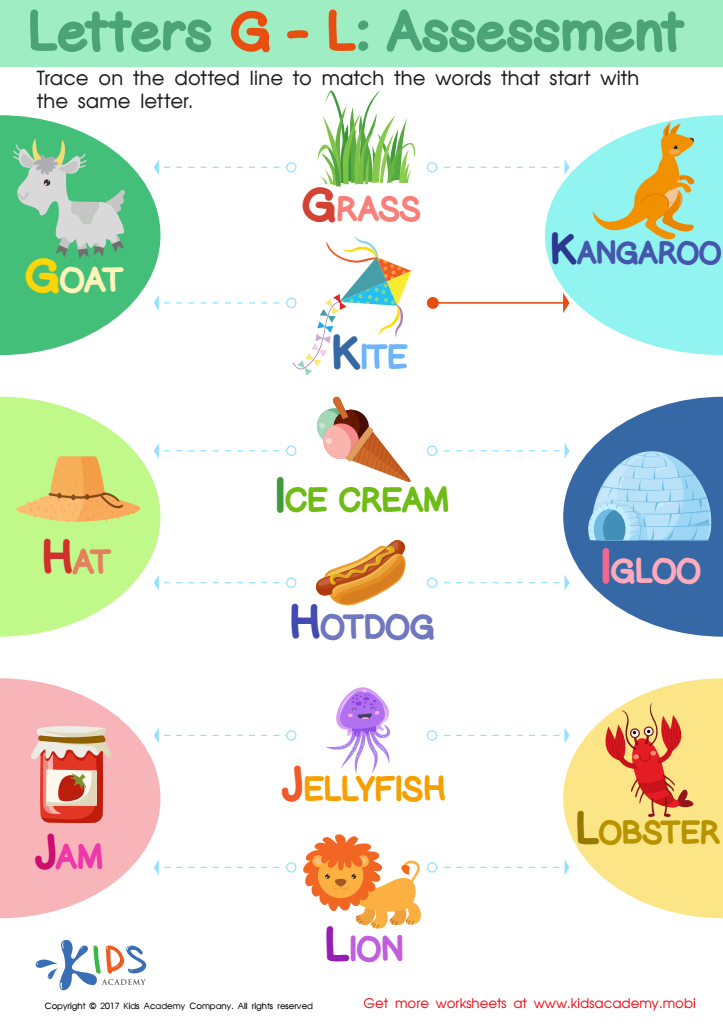
This fun worksheet helps preschoolers develop reading and phonics skills. It gets kids to match G-L words that start with the same letter, making it engaging and educational.
Letters G-L Worksheet
Worksheet
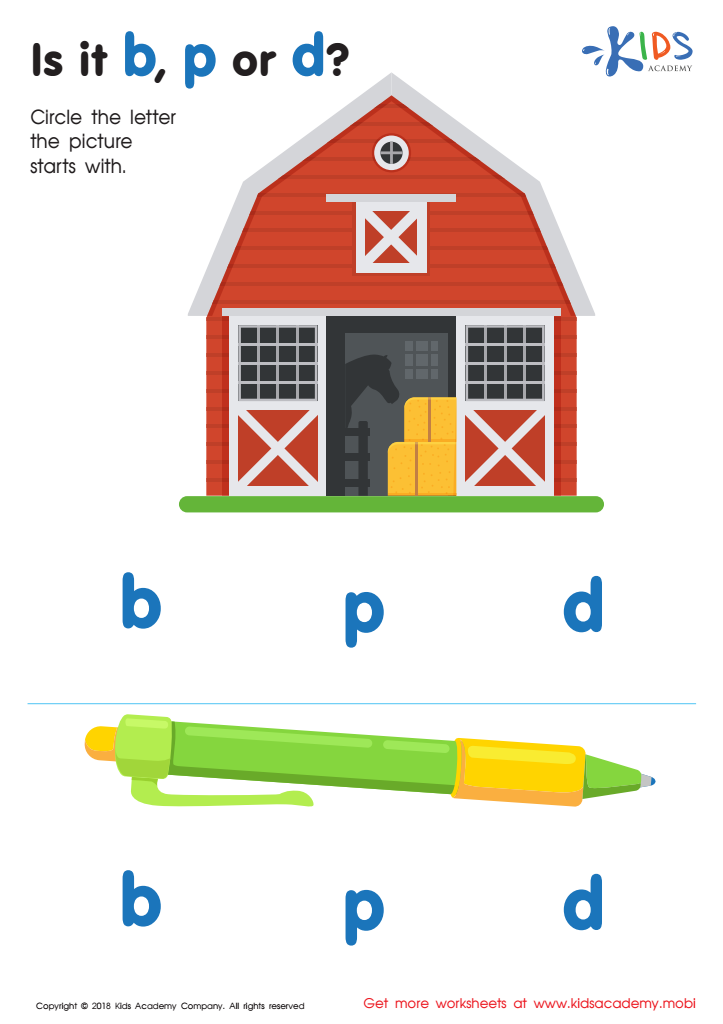
Is it b, p or d? Worksheet

Is it b, p or d? Worksheet

Test your child's identification skills with this worksheet. They must identify the image and then circle the letter it begins with: 'b', 'p', or 'd' (e.g. an image of the sun would mean they circle 's').
Is it b, p or d? Worksheet
Worksheet
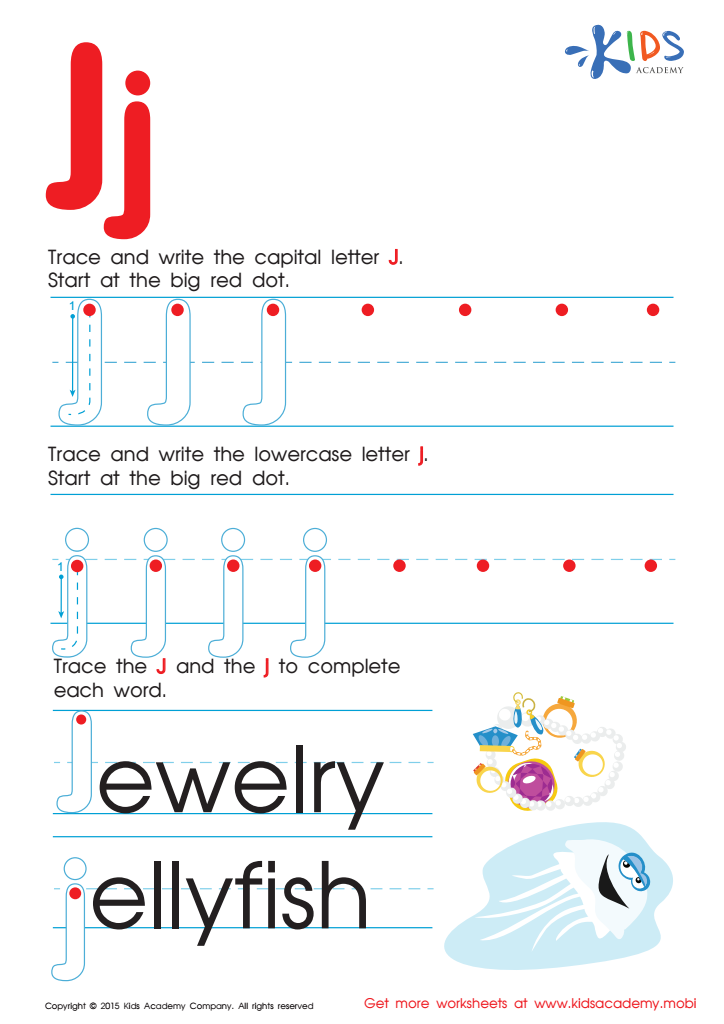
Letter J worksheets
Letter J worksheets

Letter J Tracing Page

Trace and write the letter "J" with our ABC worksheet - start at the big red dot! Have fun completing words like jewelry, jellyfish and more. Check out our kindergarten activities for more alphabet practice.
Letter J Tracing Page
Worksheet
letter b worksheets
letter b worksheets

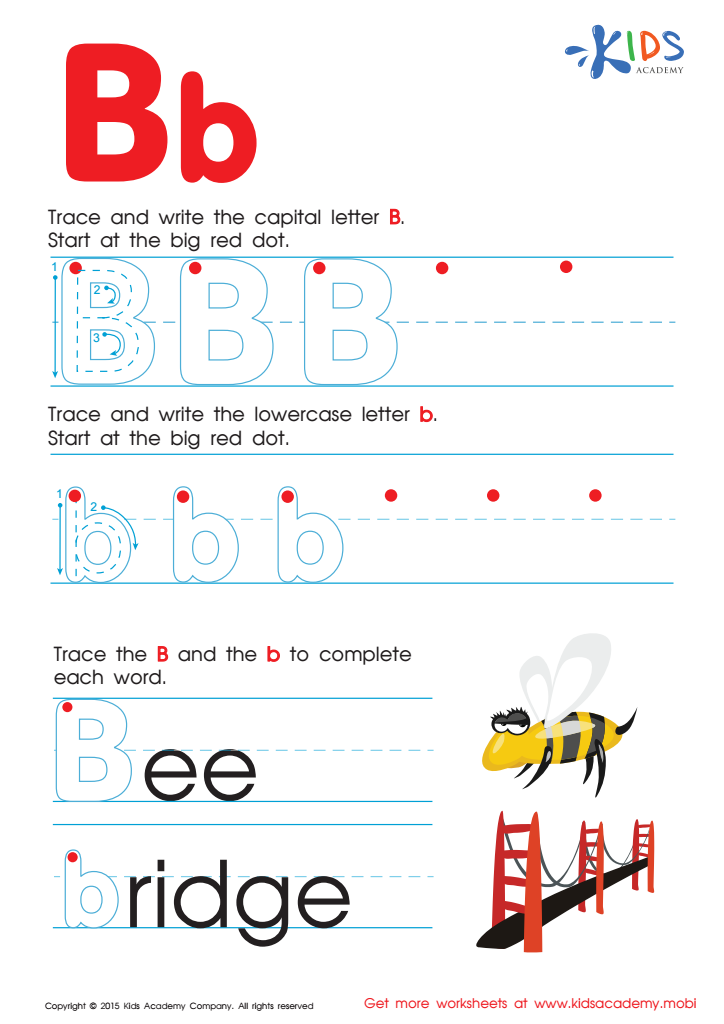
Letter B Tracing Page

Ready to learn the Alphabet? Put your pencil on the red dot and trace & write both capital & lowercase "B". Then have a look at the pictures. Catch the bee, cross the bridge & write the letters to complete the words. More ABC worksheets for kindergarten available!
Letter B Tracing Page
Worksheet
Uppercase Letters P, Q, and R Worksheet Preview


Uppercase Letters P, Q, and R Worksheet

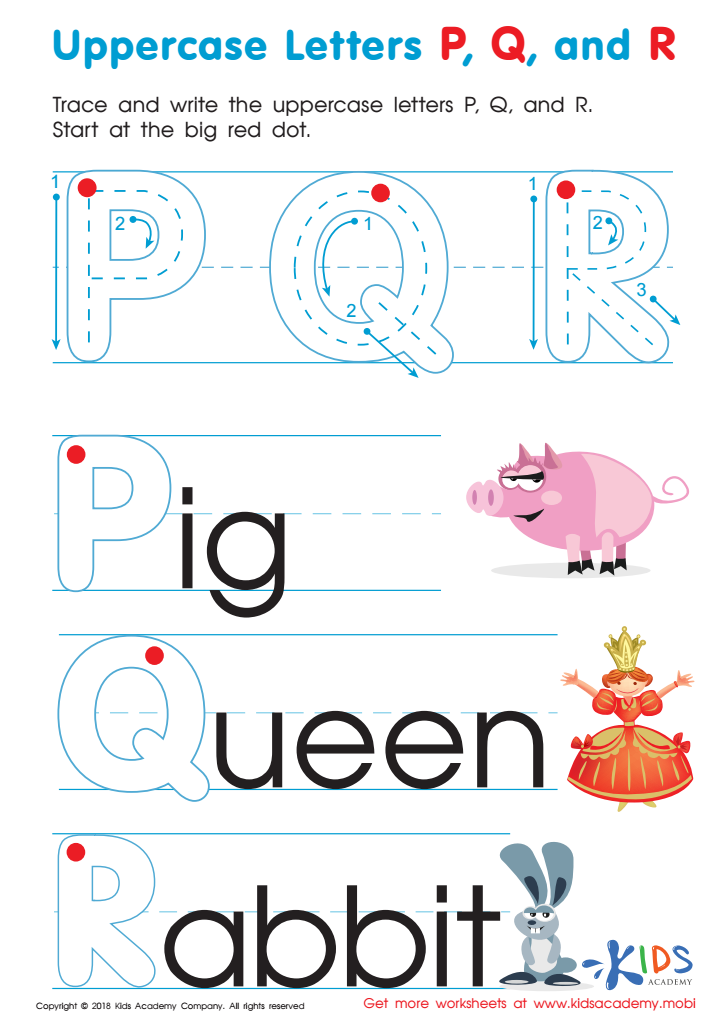
Cute images of a pig, queen and rabbit make it fun to learn letter sounds. Follow the arrows to learn the strokes, then trace each letter from the big red dot. Perfect for kids to learn how to read and write P, Q, and R!
Uppercase Letters P, Q, and R Worksheet

Worksheet


Handwriting improvement in children aged 3-6 is crucial for several reasons. During these formative years, young minds are rapidly developing foundational skills essential for academic success and overall cognitive development. Handwriting is not merely a mode of communication; it significantly influences motor skills, cognitive abilities, and language proficiency.

First, learning and refining handwriting helps develop fine motor skills. The act of gripping a pencil and shaping letters enhances hand-eye coordination and strengthens the small muscles in the hands and fingers. These motor skills are not only critical for writing but also for other everyday tasks requiring manual dexterity, such as buttoning a shirt or using scissors.

Second, handwriting improvements support cognitive development. Writing by hand engages areas of the brain responsible for critical thinking, memory, and learning. As children memorize the alphabet and form letters, they simultaneously learn to recognize patterns, sequences, and spatial organization, fostering improved literacy and problem-solving skills.

Lastly, proficient handwriting allows children to express their thoughts clearly and confidently. This is fundamental for effective communication and builds self-esteem as they starting school. Moreover, good handwriting habits established early can prevent future difficulties in writing assignments and tests, contributing to a more positive academic experience.

All these factors emphasize the importance for parents and teachers to invest time and effort into handwriting improvement for young learners.