Motor skills development Alphabet Worksheets for Ages 3-6
5 filtered results
-
From - To
Unlock your child's potential with our Motor Skills Development Alphabet Worksheets, designed especially for ages 3-6! These engaging and educational resources seamlessly blend letter recognition with fine motor skill practice. Each worksheet encourages children to trace, color, and match letters, helping them develop dexterity and hand-eye coordination. Tailored for young learners, these activities make mastering the alphabet fun and interactive. Ideal for both parents and educators, our worksheets support early literacy and motor skills development, setting the foundation for academic success. Spark creativity and learning today with our expertly crafted worksheets!

Letter H Tracing Page
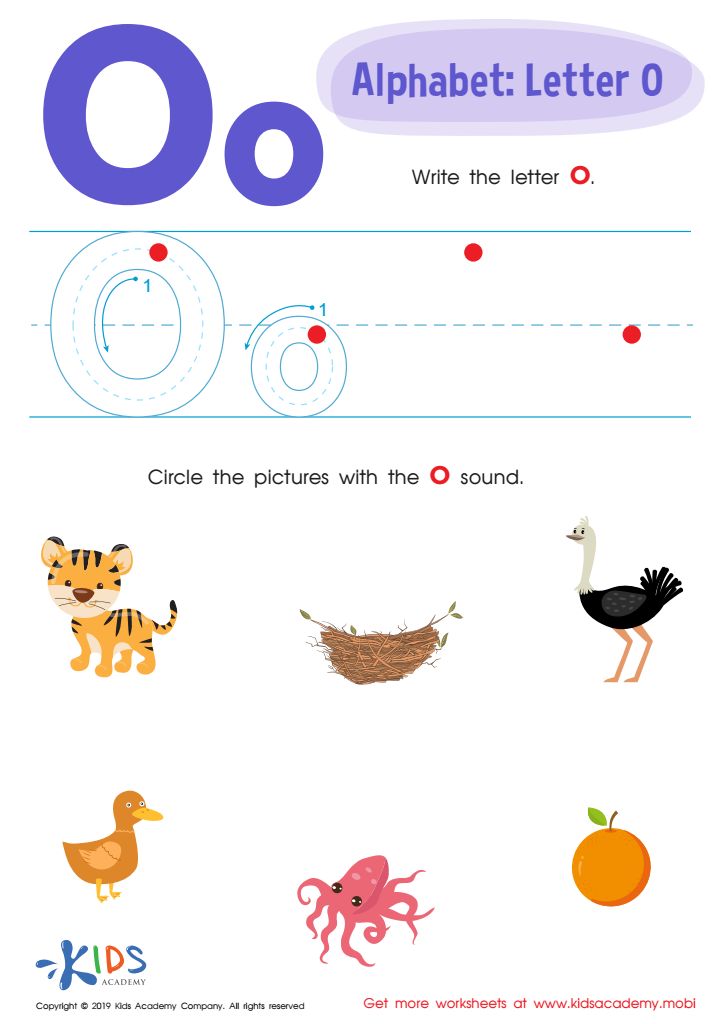
Letter O Tracing Worksheet
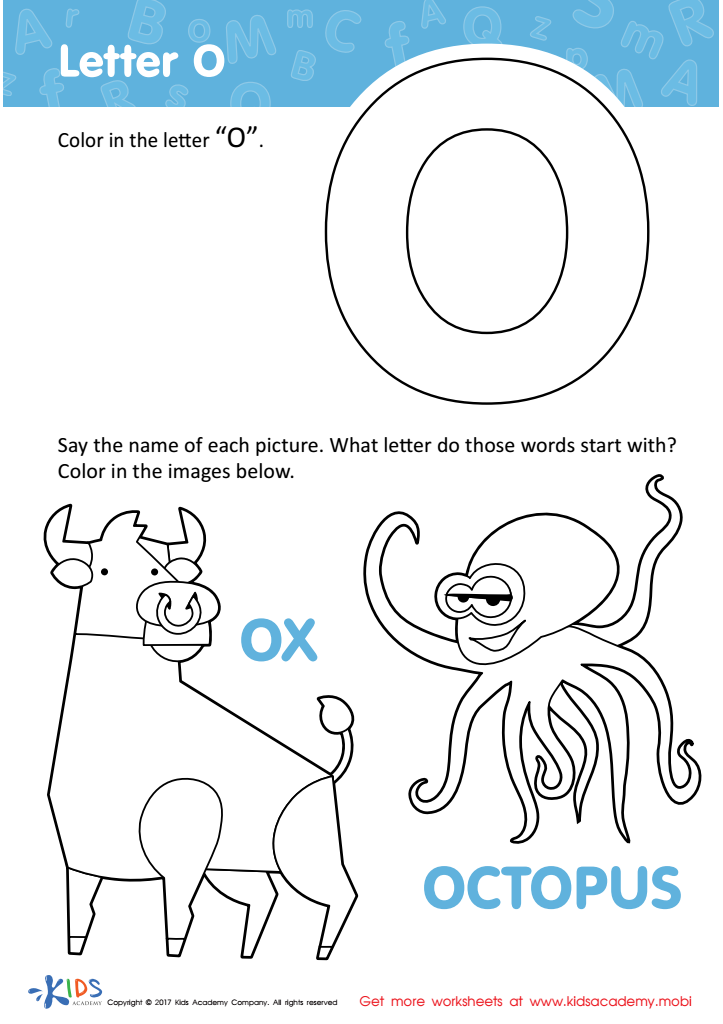
Letter O Coloring Sheet
 Assign to My Students
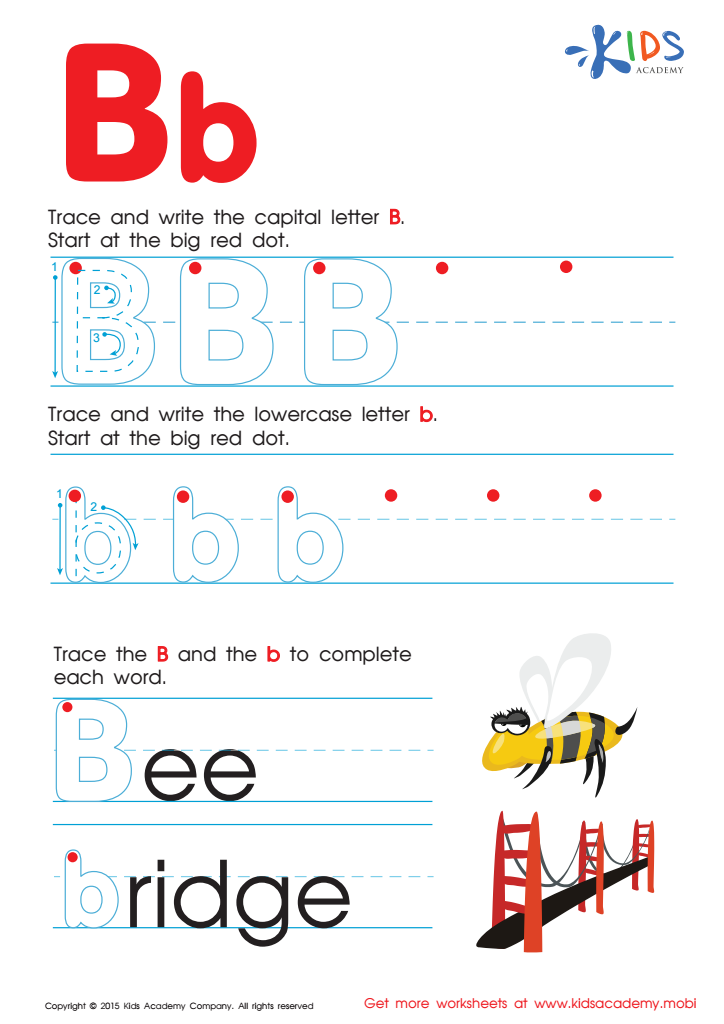
Letter B Tracing Page
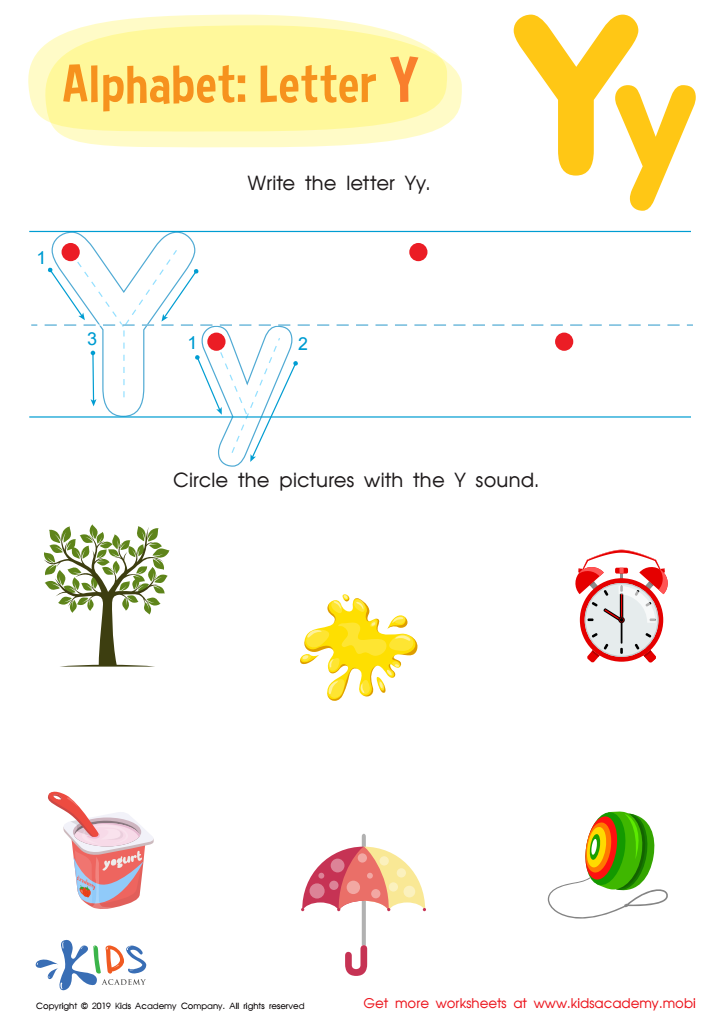
Letter Y Tracing Worksheet







Motor skills development is crucial for children aged 3-6, as it plays a vital role in their overall growth and learning processes. Fine motor skills, which involve the coordination of small muscles, enable children to perform tasks such as writing, drawing, and manipulating small objects, while gross motor skills involve larger muscle groups responsible for activities like walking, running, and jumping.
Focusing on motor skills development during these early years can significantly impact a child's ability to succeed in school and daily life. Fine motor skills are essential for literacy; mastering the alphabet through activities like tracing and writing letters helps children develop the muscle control and hand-eye coordination needed for reading and writing. Gross motor activities, like hopping on one foot or tossing a ball, enhance physical fitness, spatial awareness, and balance, which are critical for a child's overall cognitive and emotional development.
Engaging in motor skills activities also promotes discipline, patience, and perseverance as children practice and refine their skills. Moreover, these skills contribute to a child's independence and confidence, enabling them to navigate and interact effectively with their environment. Therefore, parents and teachers should prioritize motor skills development to support children's foundational abilities, setting the stage for future academic and life success.







