Sound identification Alphabet Worksheets for Ages 3-6
5 filtered results
-
From - To
Enhance your child's early literacy skills with our Sound Identification Alphabet Worksheets, designed specifically for ages 3-6. These engaging, printable worksheets help young learners associate letters with their corresponding sounds, fostering phonemic awareness and boosting reading readiness. Each worksheet features fun illustrations and interactive activities that make learning enjoyable and effective. Ideal for homeschooling or classroom settings, our resources encourage kids to practice letter recognition and sound identification through colorful and captivating designs. Start your child's journey toward literacy with these essential worksheets, laying a strong foundation for their academic success and love for reading! Download and watch your child thrive!
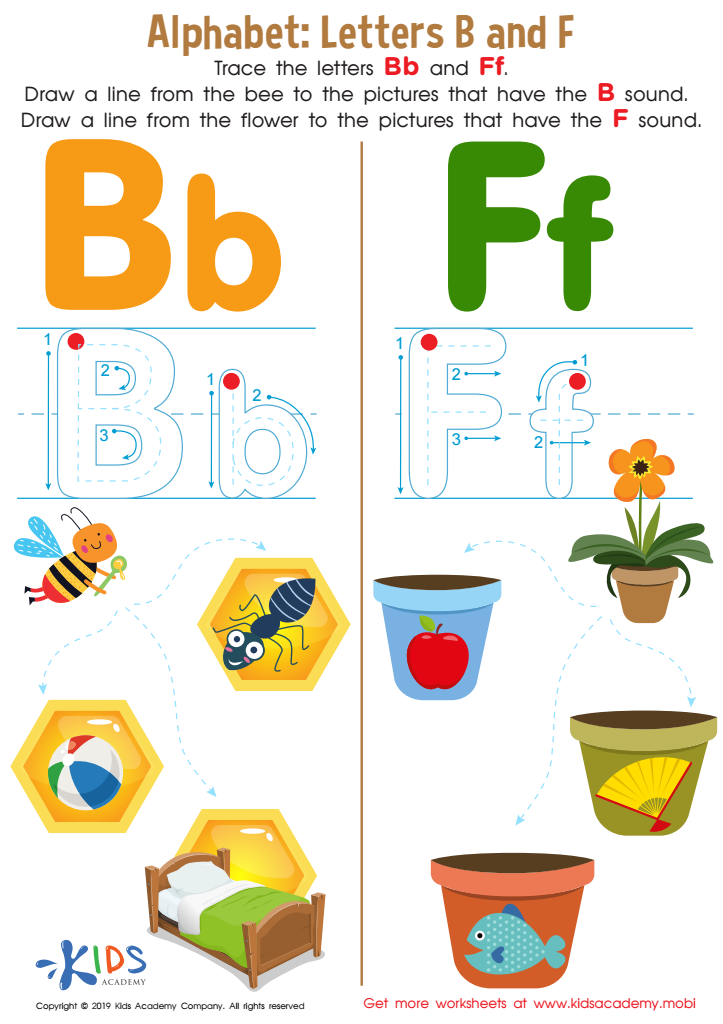
Letters B and F Tracing Worksheet
 Assign to My Students
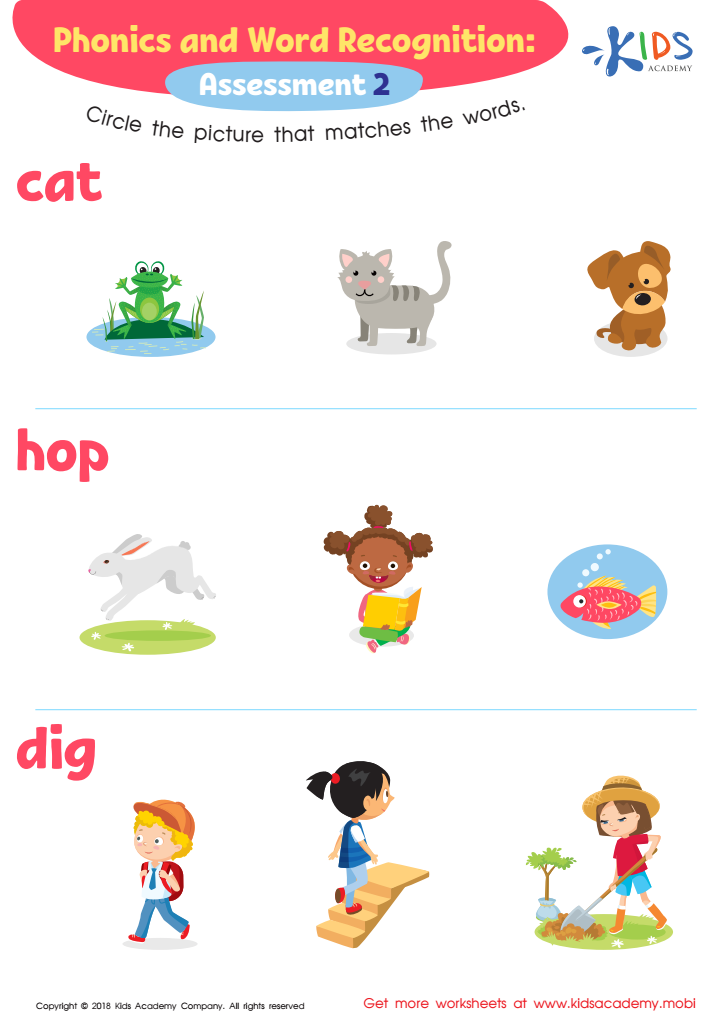
Phonological Awareness: Assessment 2 ELA Worksheet
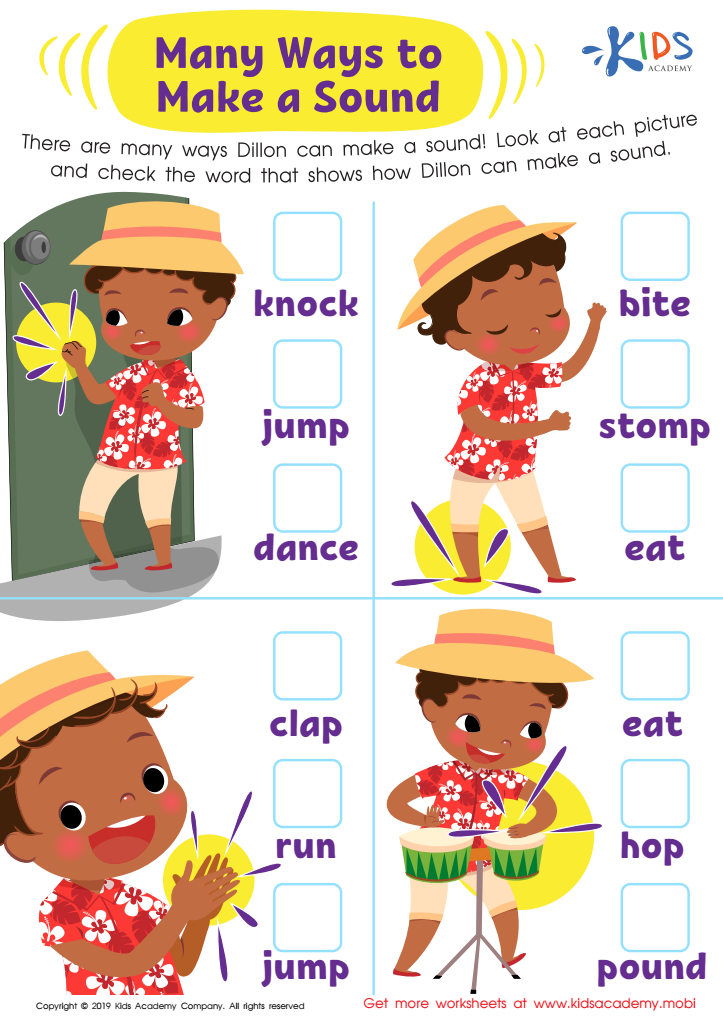
Many Ways to Make a Sound Worksheet
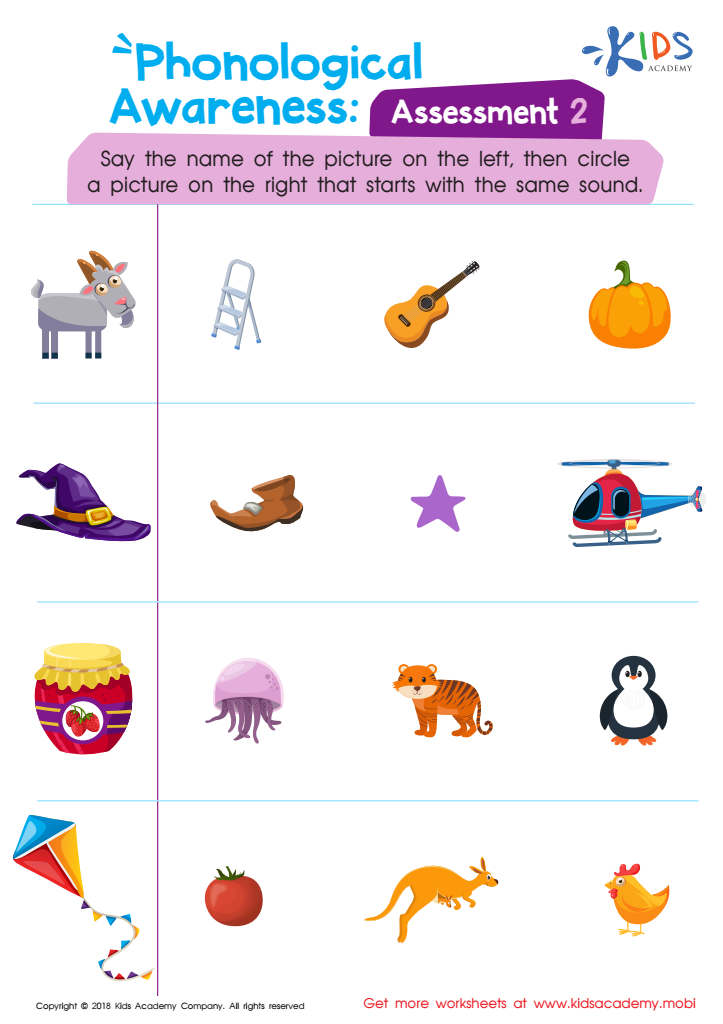
Phonological Awareness: Assessment 2 Worksheet
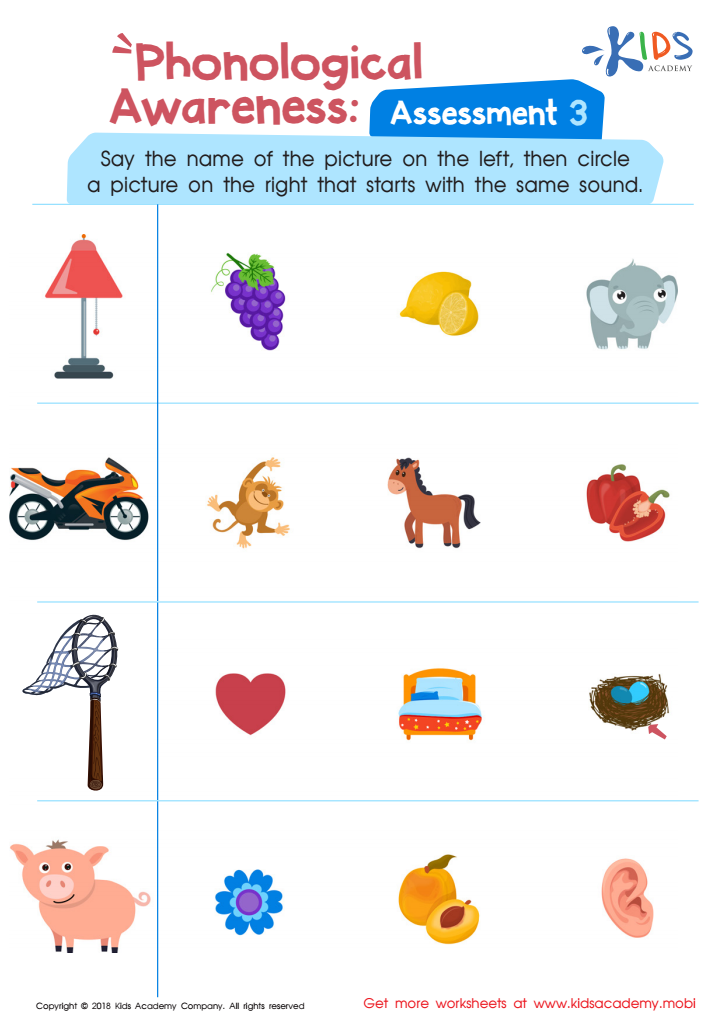
Phonological Awareness: Assessment 3 Worksheet





.jpg)


Sound identification using the alphabet is crucial for children aged 3-6, as it lays the foundation for their literacy skills. During these formative years, children are developing phonemic awareness, which is the ability to recognize and manipulate the individual sounds (or phonemes) in spoken words. Sound identification helps them link letters to their corresponding sounds, a skill that is essential for reading and writing.
By understanding sound-letter associations, children become better equipped to decode new words. This not only boosts their confidence in reading but also enhances their vocabulary, enabling them to express themselves clearly. Teachers and parents play a vital role in this developmental stage, as engaging children in playful sound identification activities fosters curiosity and a love for learning.
In addition, early mastery of sound identification contributes to improved academic performance and lays the groundwork for future language skills. When children are immersed in an environment where sound and letter relationships are celebrated, they become proactive learners who are eager to explore the world of words. Supporting sound identification not only nourishes a child's cognitive development but also fosters social and emotional skills as they navigate new challenges in literacy together with caregivers and peers.







