Word identification Alphabet Worksheets for Ages 3-6
4 filtered results
-
From - To
Discover our Word Identification Alphabet Worksheets designed for children ages 3-6! These engaging and educational worksheets are specially crafted to boost your child’s letter recognition and phonetic skills. Through fun activities and colorful illustrations, young learners will practice identifying letters and matching them to corresponding words and images. Perfect for use at home or in preschool settings, our worksheets provide a strong foundation in early literacy, setting the stage for successful reading and writing. Watch your child's confidence grow as they master the alphabet and begin their exciting journey into the world of words!
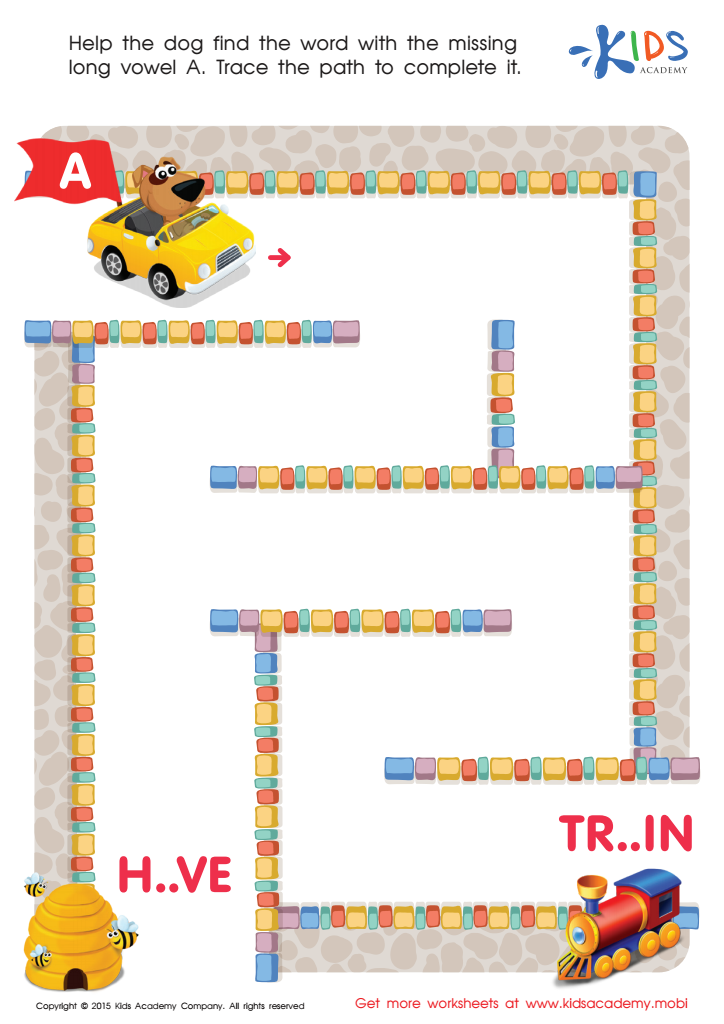
Long Vowel Sound A Worksheet
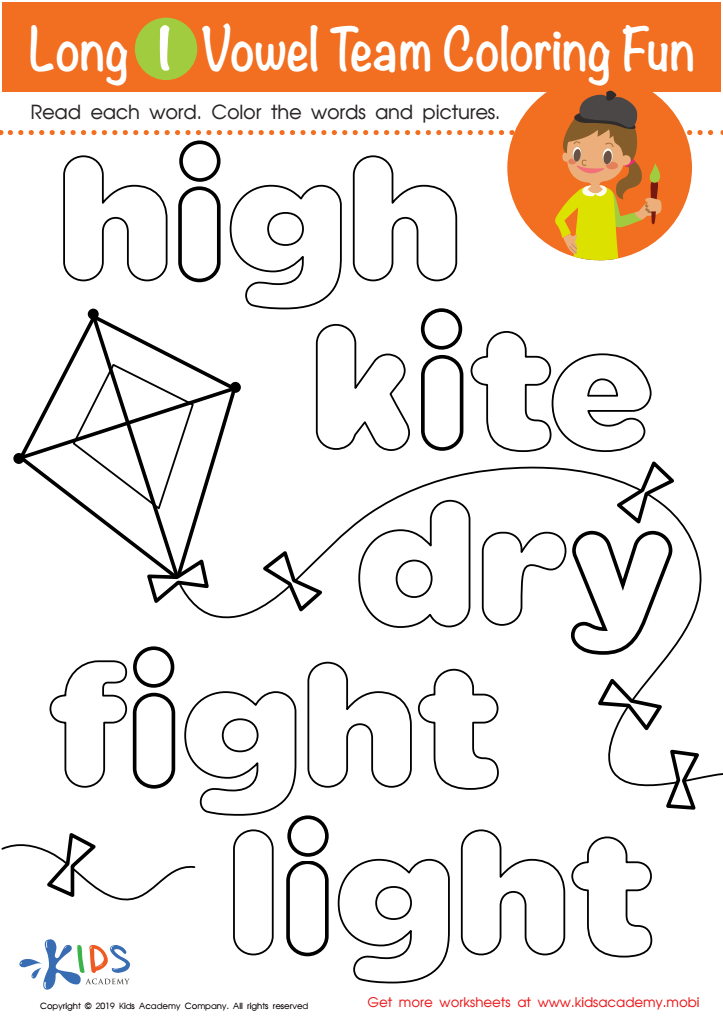
Long I Vowel Team Coloring Worksheet
 Assign to My Students
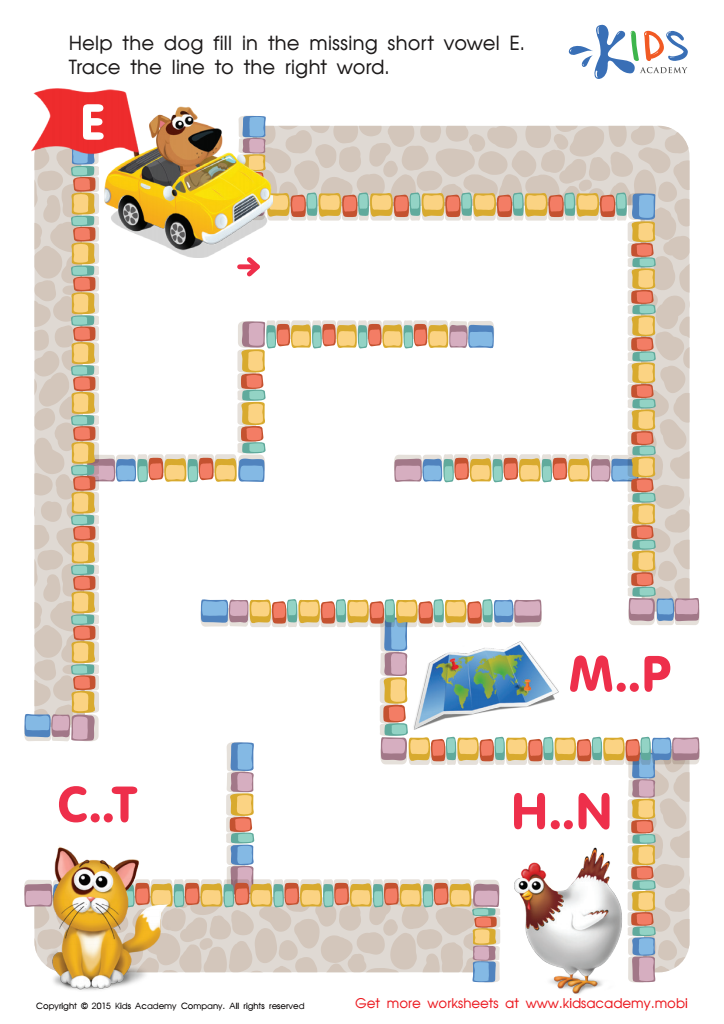
Short Vowel Sound E Worksheet
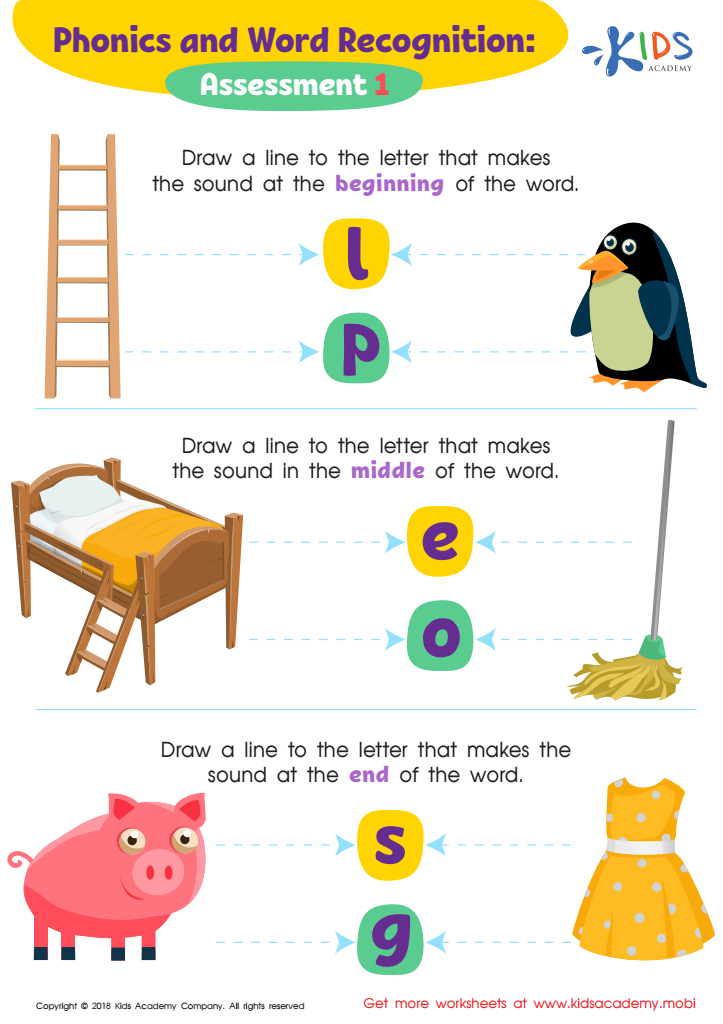
Phonics and Word Recognition: Assessment 1 ELA Worksheet



.jpg)




Word identification through the alphabet for ages 3-6 lays the foundational stones for children's literacy, fostering early reading skills crucial for academic success and lifelong learning. At this formative stage, young brains are exceptionally adaptable. Introducing them to the alphabet enables the recognition and differentiation of letter shapes, sounds, and their corresponding phonetic elements, anchoring the basis of phonemic awareness.
Recognizing the alphabet empowers children to decode and spell words, aiding smooth transitions from letter recognition to word identification, which is fundamental in interpreting written language. A solid grasp of word identification nurtures vocabulary development and comprehension skills critical for understanding more complex texts later on.
Moreover, the joy of discovering letters and forming words during this period emboldens a love for reading, an enthusiasm they'll carry forward. Phonetic exercises, interactive alphabet games, and shared reading experiences enhance social-emotional bonding between children and caregivers or teachers, contributing to a nurturing educational environment.
Teachers and parents who focus on letter identifications through the alphabet thus provide quality-building blocks, offering children a head start. This foundation promotes academic performance across subject areas and cultivates confident, capable, and eager learners. Early investment in these skills, therefore, is paramount for fostering future educational outcomes and cognitive development.







