Alphabetical order understanding Letter Recognition Worksheets for Ages 3-6
4 filtered results
-
From - To
Discover our Alphabetical Order Understanding Letter Recognition Worksheets designed for young learners aged 3-6. These engaging worksheets help children master the fundamental concepts of alphabetical order and letter recognition through fun, interactive activities. Children will practice sorting, sequencing, and identifying letters while enhancing their reading and writing skills. Our materials are tailored to foster a love of learning, building a strong foundation for future literacy development. With vibrant illustrations and age-appropriate challenges, these worksheets make learning enjoyable and effective. Explore our collection today to support your child's educational journey in language and literacy! Perfect for at-home learning or classroom use.
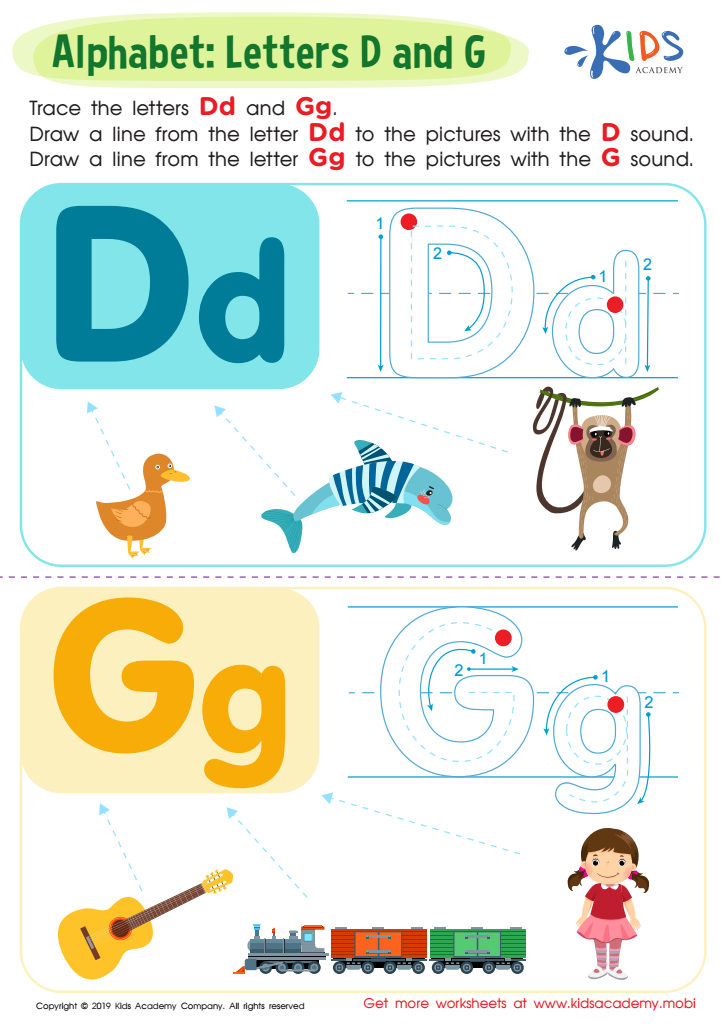
Letter D and G Tracing Worksheet

Letter G Tracing Page
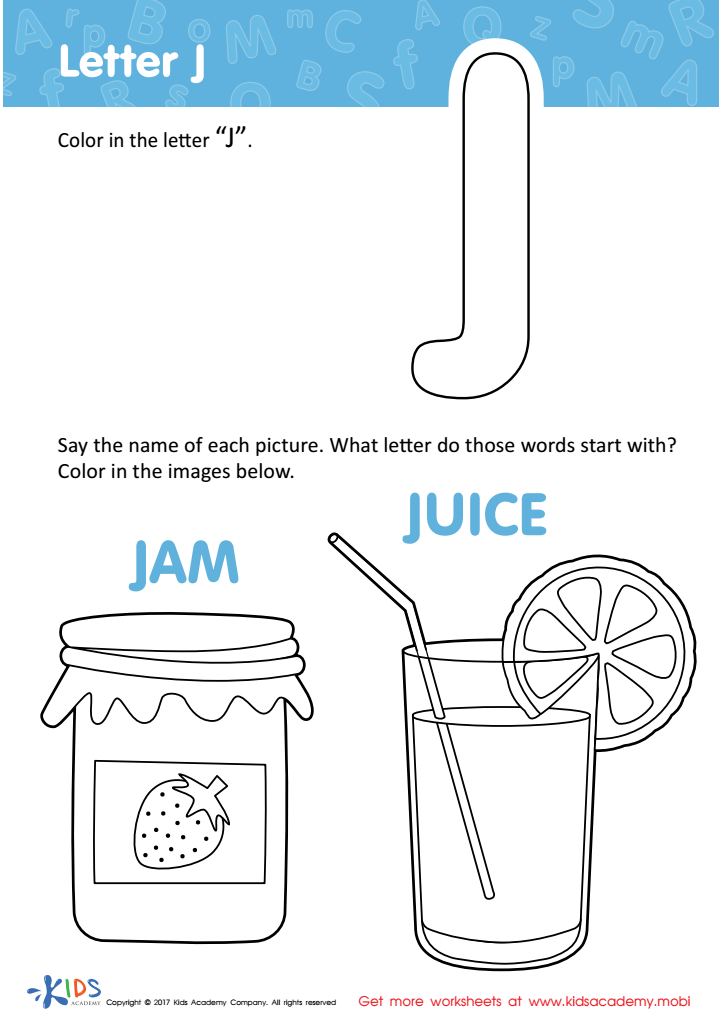
Letter J Coloring Sheet
 Assign to My Students
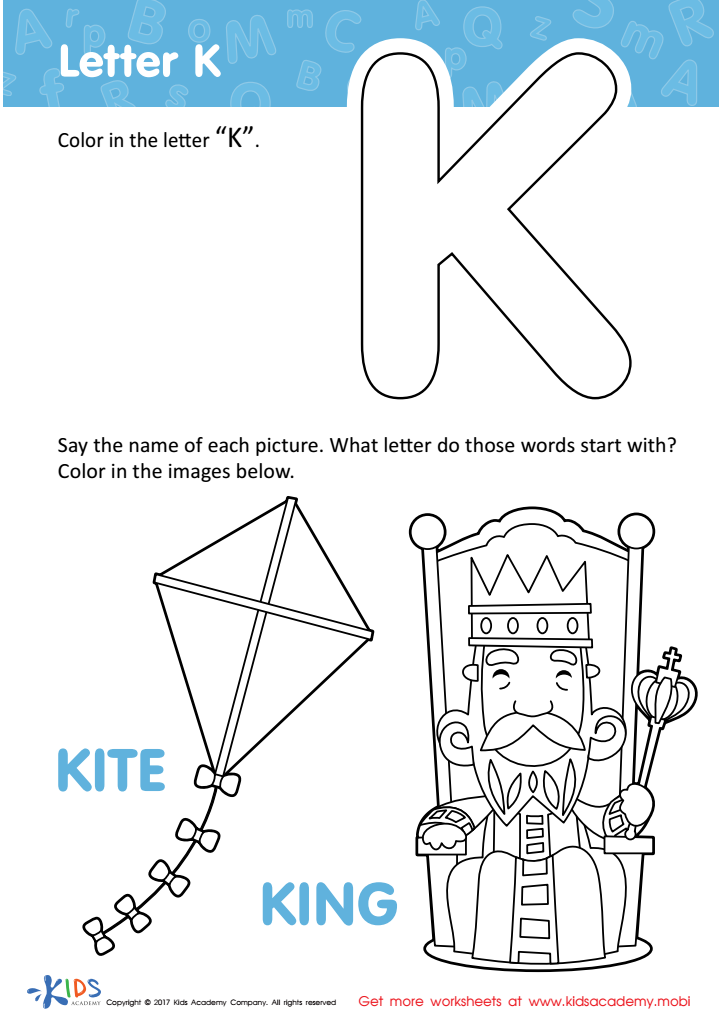
Letter K Coloring Sheet
Assign to My Students








Understanding alphabetical order and letter recognition is crucial for young children aged 3-6 as it lays the foundation for effective reading and writing skills. During this developmental stage, children are like sponges, absorbing information at an incredible rate. Recognizing letters and knowing their sequence not only aids in literacy but also enhances cognitive development, literacy familiarity, and enhances phonemic awareness.
For parents and teachers, fostering letter recognition helps children make connections between spoken and written language, promoting confidence in their ability to communicate. It also supports the understanding of texts, facilitating word decoding and reading fluency later on. By mastering the alphabetical order, children can navigate dictionaries or search for words more easily, promoting independence in learning.
Moreover, engaging in activities to teach this skill can create fun and interactive experiences, strengthening bonds between caregivers and children. Games, songs, and stories can transform learning into an enjoyable experience. Ultimately, investing time in alphabetical order understanding and letter recognition gives children a robust start in their educational journey, elevating their overall learning potential and preparing them for future academic success. This early experience shapes a love for reading that can last a lifetime.







