Hand-eye Coordination Letter Recognition Worksheets for Ages 3-6
10 filtered results
-
From - To
Enhance your child's learning experience with our Hand-Eye Coordination Letter Recognition Worksheets, designed for ages 3-6! These engaging, printable worksheets combine fun activities that promote both letter recognition and the essential skill of hand-eye coordination. Through interactive exercises, children grasp the alphabet while developing fine motor skills as they trace, color, and identify letters. Our worksheets offer a playful approach to literacy, ensuring children enjoy the learning process. Perfect for both home and classroom use, these resources provide a solid foundation for your child’s educational journey. Boost their confidence and creativity while setting them up for future success in reading and writing!
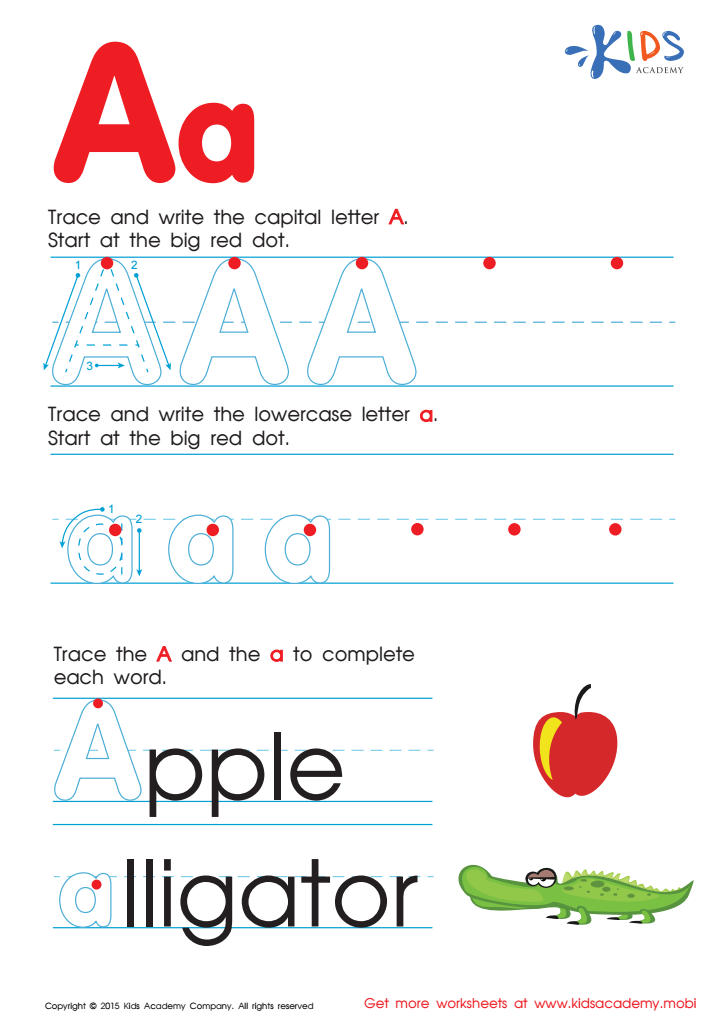
Letter A Tracing Page
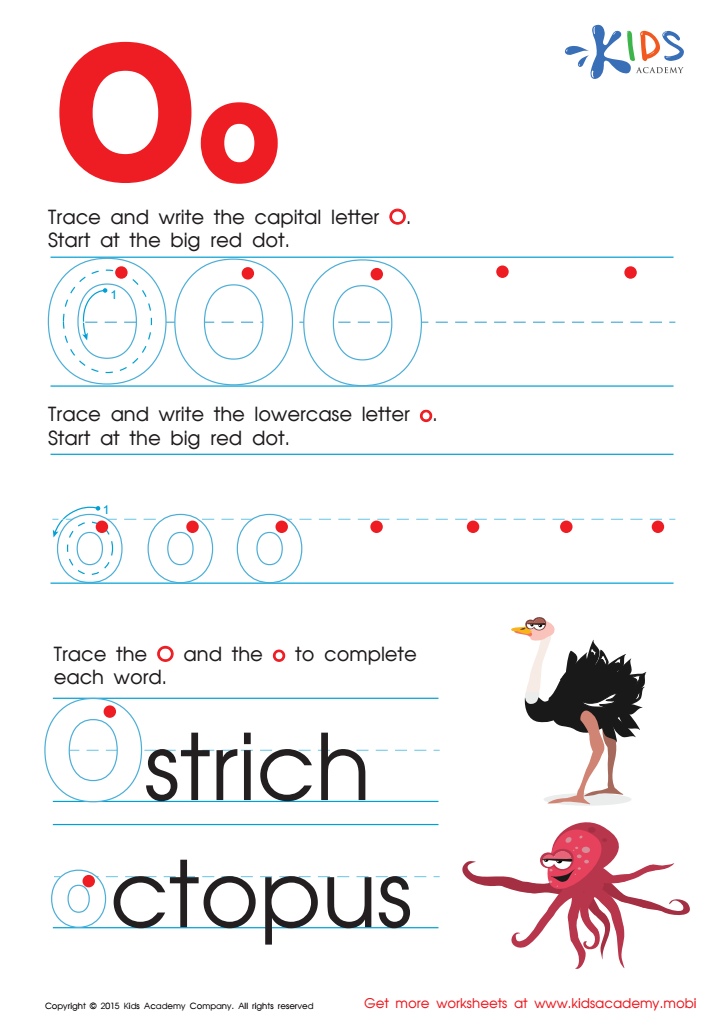
Letter O Tracing Page
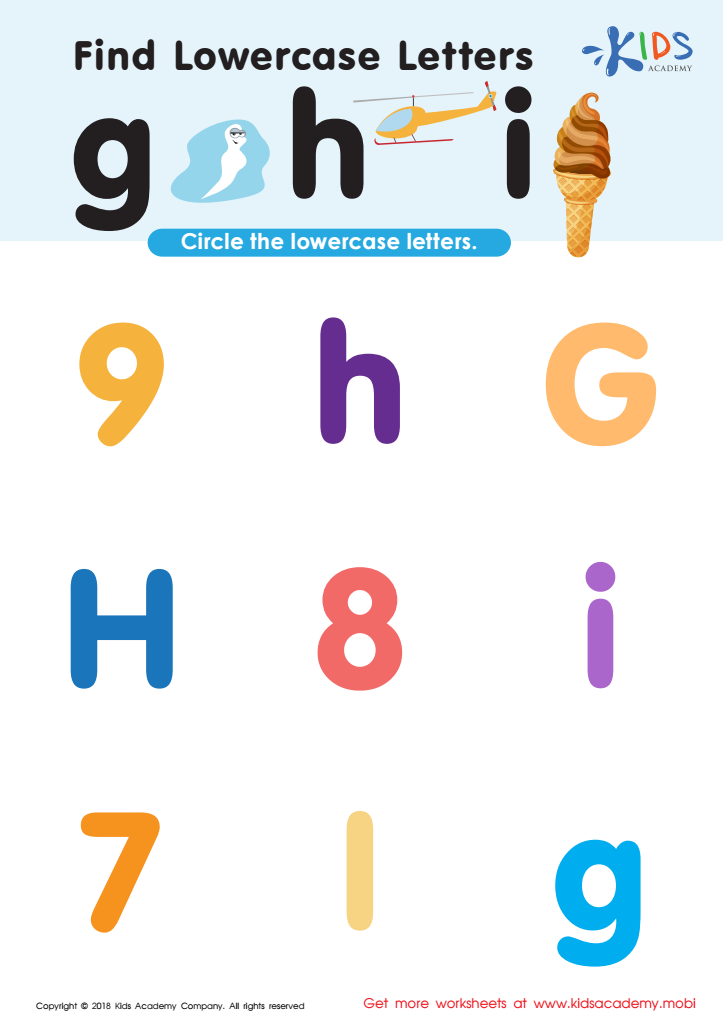
Find Lowercase Letters g h i Worksheet
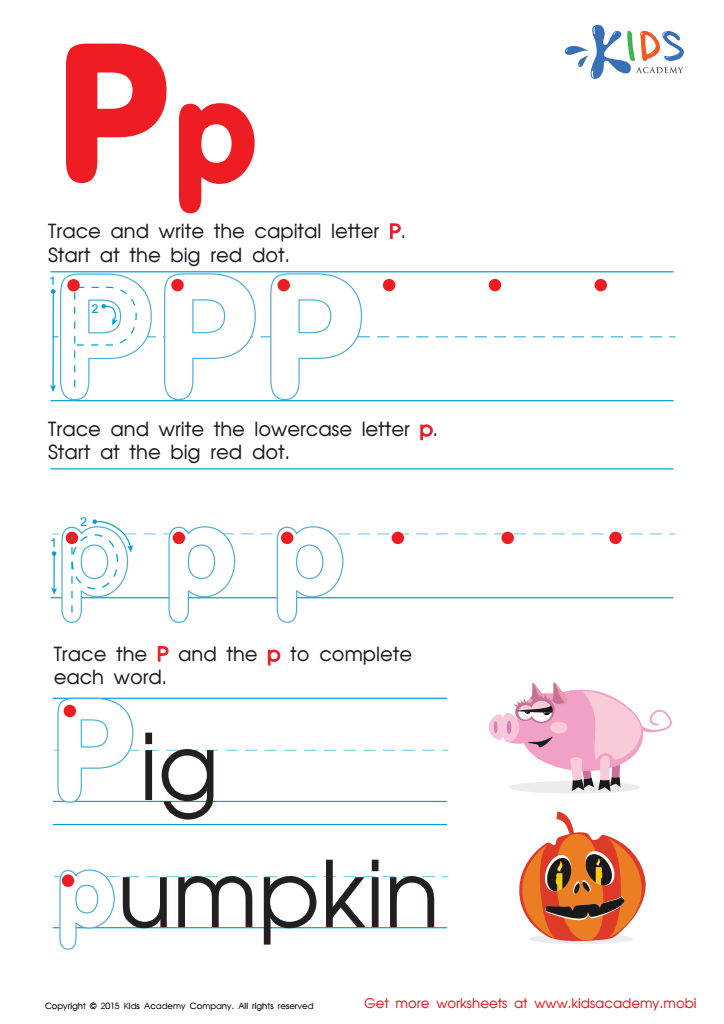
Letter P Tracing Page
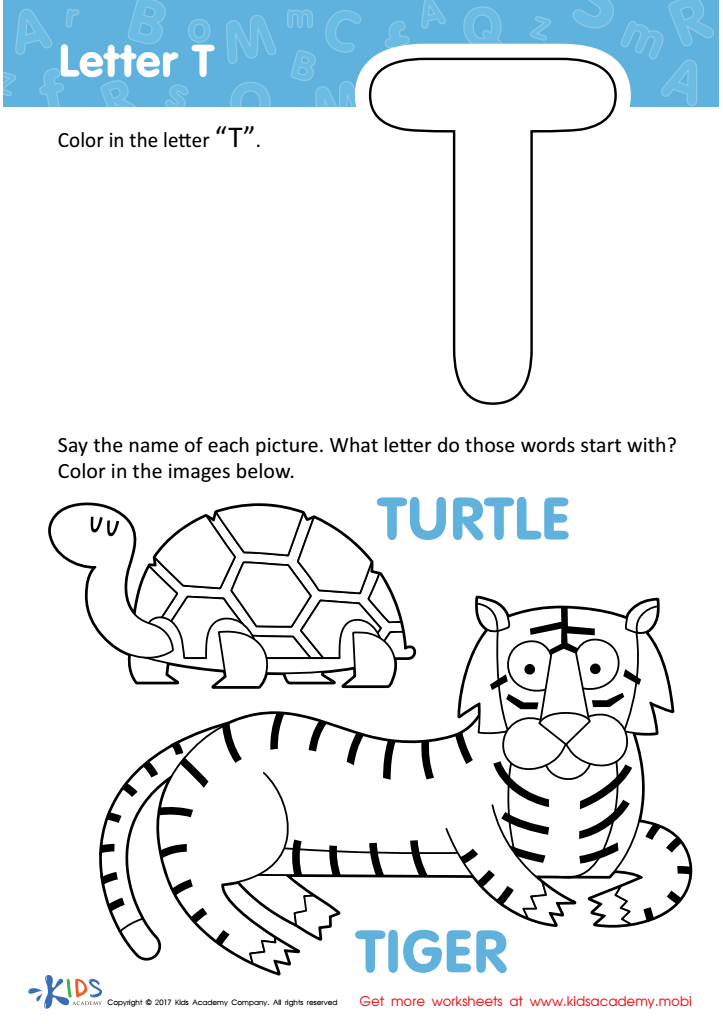
Letter T Coloring Sheet
 Assign to My Students
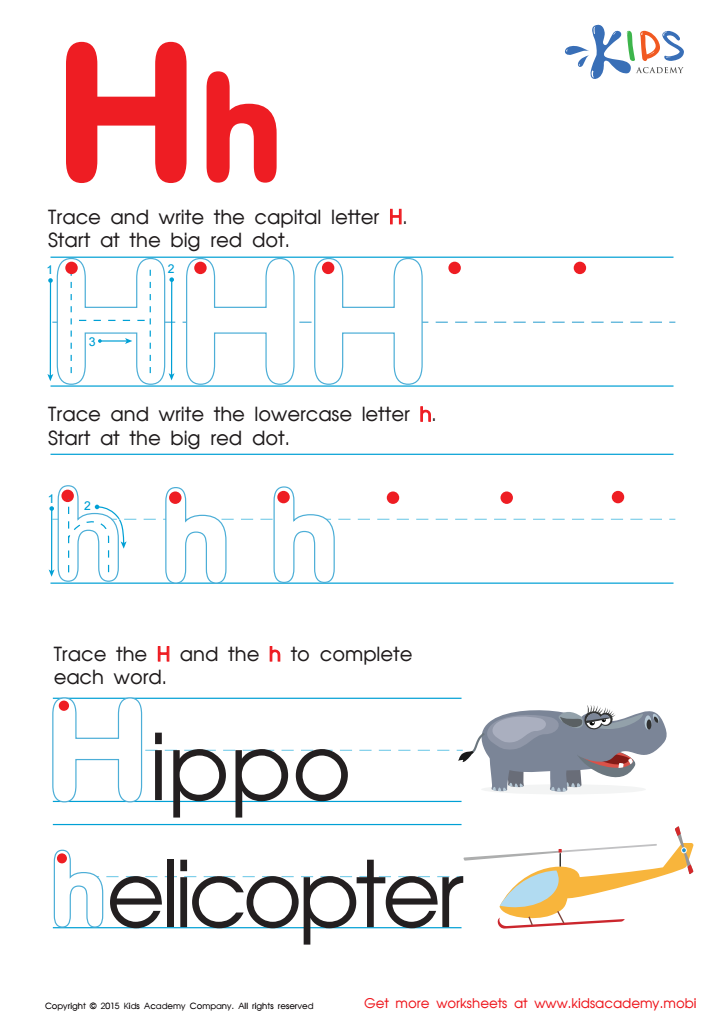
Letter H Tracing Page
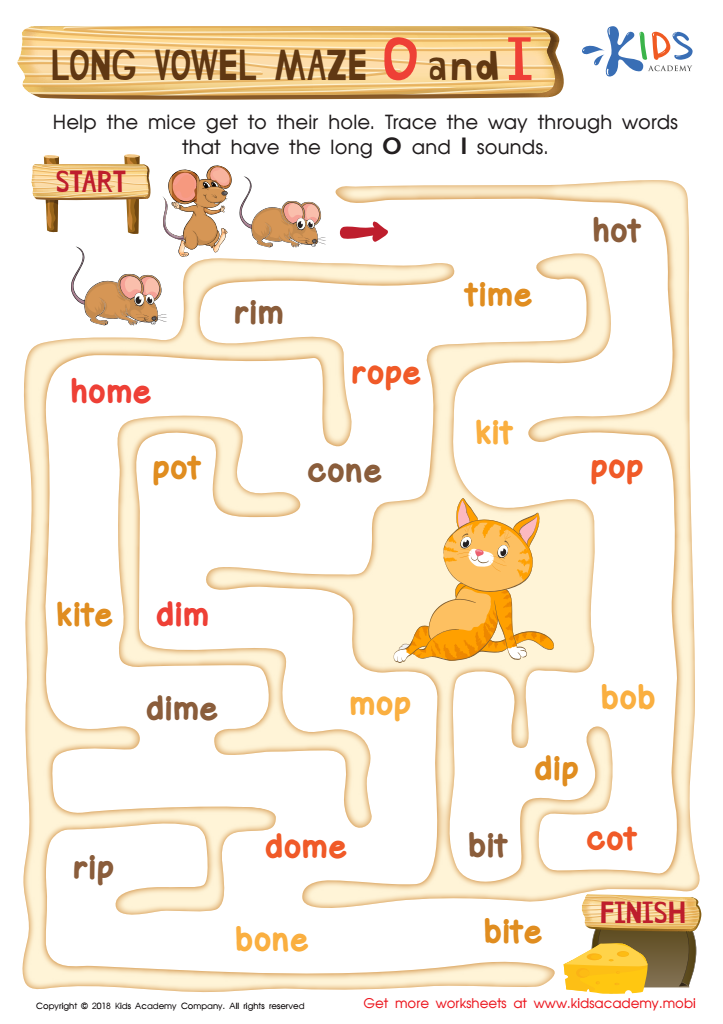
Long Vowel Maze /o/ and /i/ Worksheet
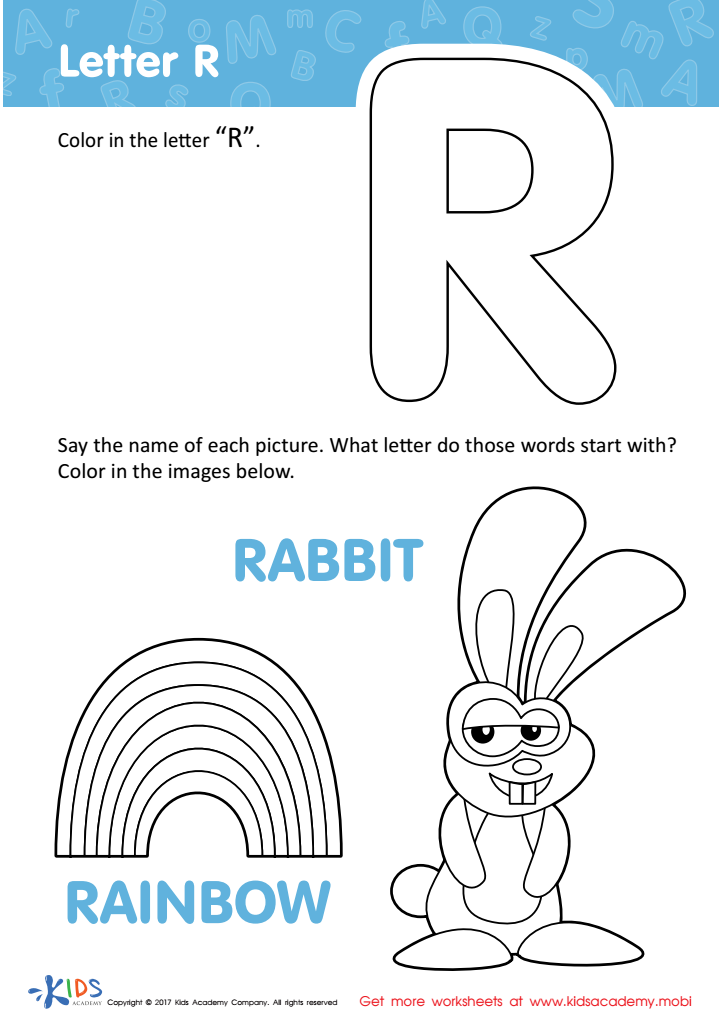
Letter R Coloring Sheet
Assign to My Students
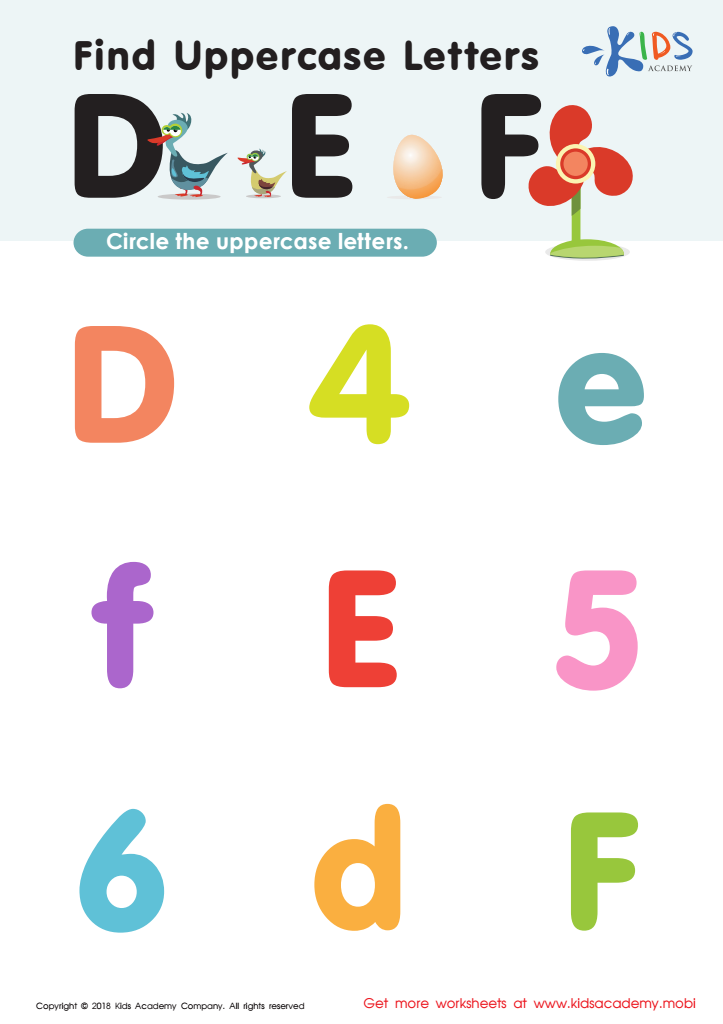
Find Uppercase Letters D, E, and F Worksheet

Letter D Tracing Page








Hand-eye coordination and letter recognition are critical skills for children aged 3-6, laying the foundation for their academic success and overall development. Parents and teachers should prioritize these skills for several reasons.
First, hand-eye coordination helps children perform everyday tasks such as writing, drawing, and playing, which are essential for their fine motor skills. Developing this coordination at an early age enables smoother transitions into more complex tasks in school, fostering confidence and independence.
Secondly, letter recognition is crucial for early literacy. When children can identify letters, they begin to understand the building blocks of language and communication. This skill supports them as they progress to reading and writing, significantly influencing their academic performance.
Moreover, promoting these skills can enhance children's cognitive development. Activities that improve hand-eye coordination, like puzzles or cutting with scissors, engage critical thinking and problem-solving abilities. Simultaneously, learning letters through fun games fosters curiosity and encourages a love for learning.
In summary, prioritizing hand-eye coordination and letter recognition not only equips children with necessary practical skills but also stimulates their intellectual growth, setting a solid foundation for lifelong learning. Parents and teachers play a vital role in facilitating and nurturing these essential achievements.







