Handwriting practice Letter Recognition Worksheets for Ages 3-6 - Page 2
40 filtered results
-
From - To
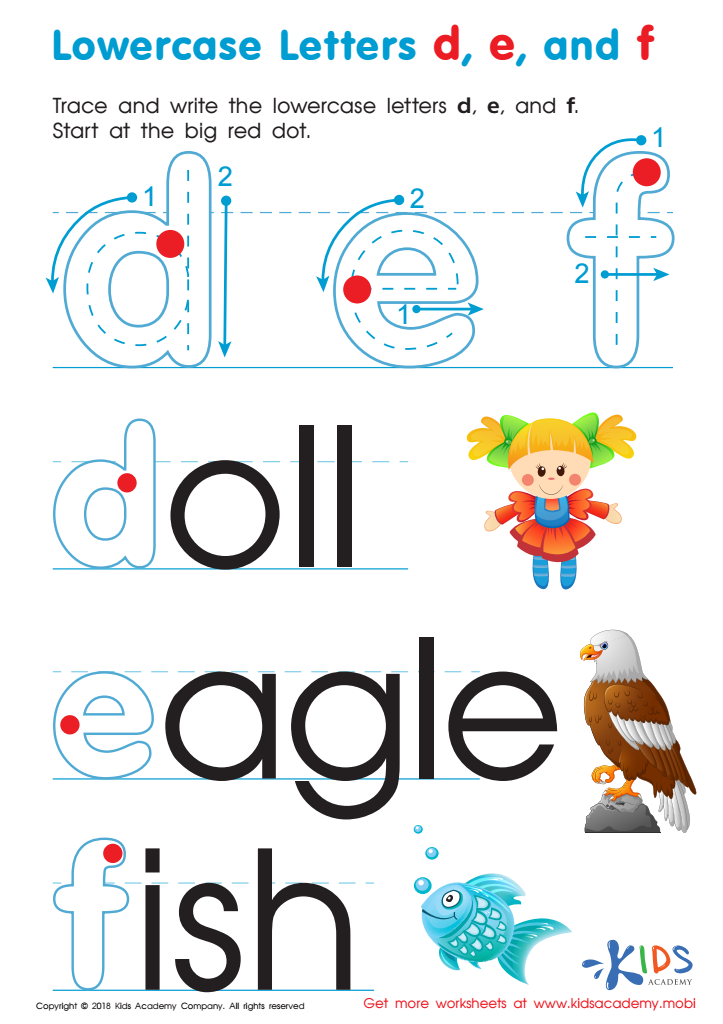
Lowercase Letters d e f Worksheet
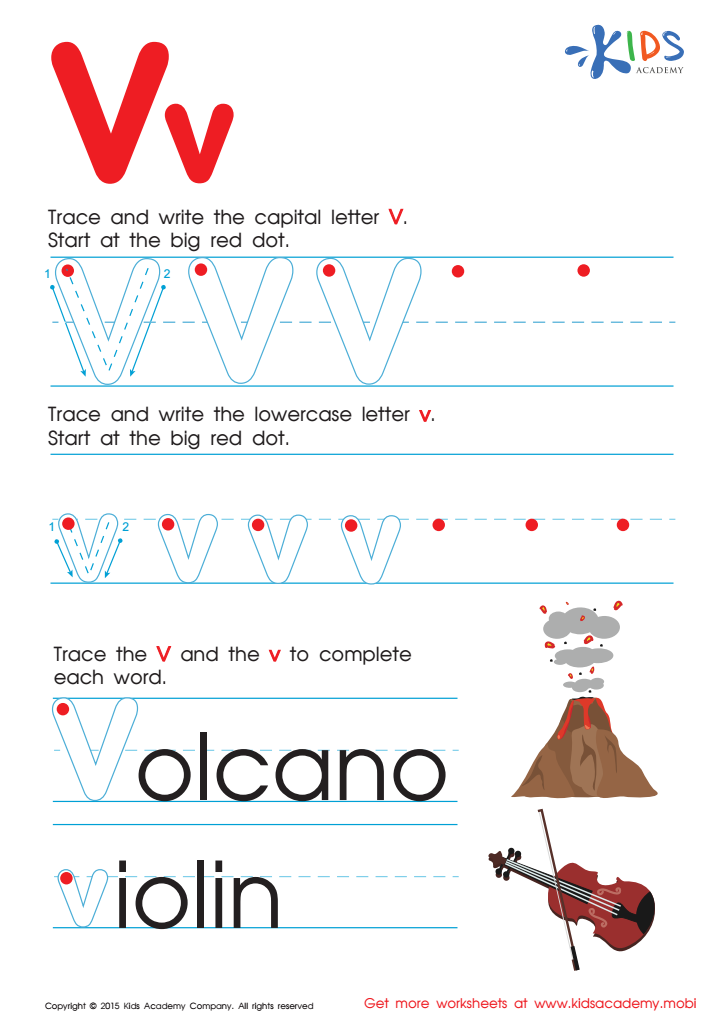
Letter V Tracing Page
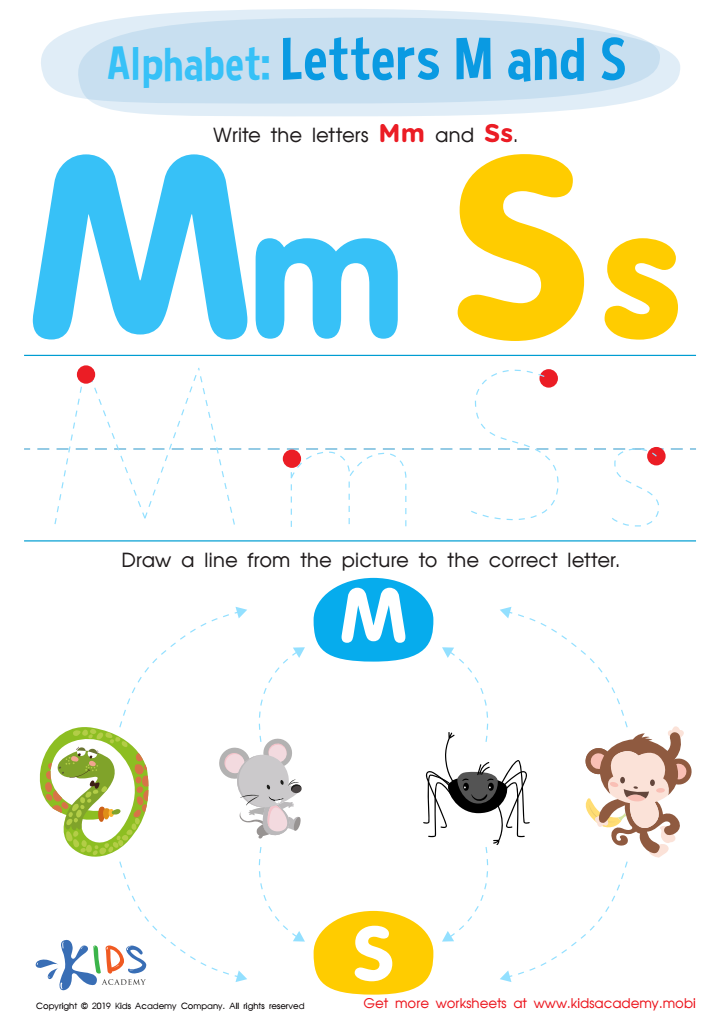
Letters M and S Tracing Worksheet
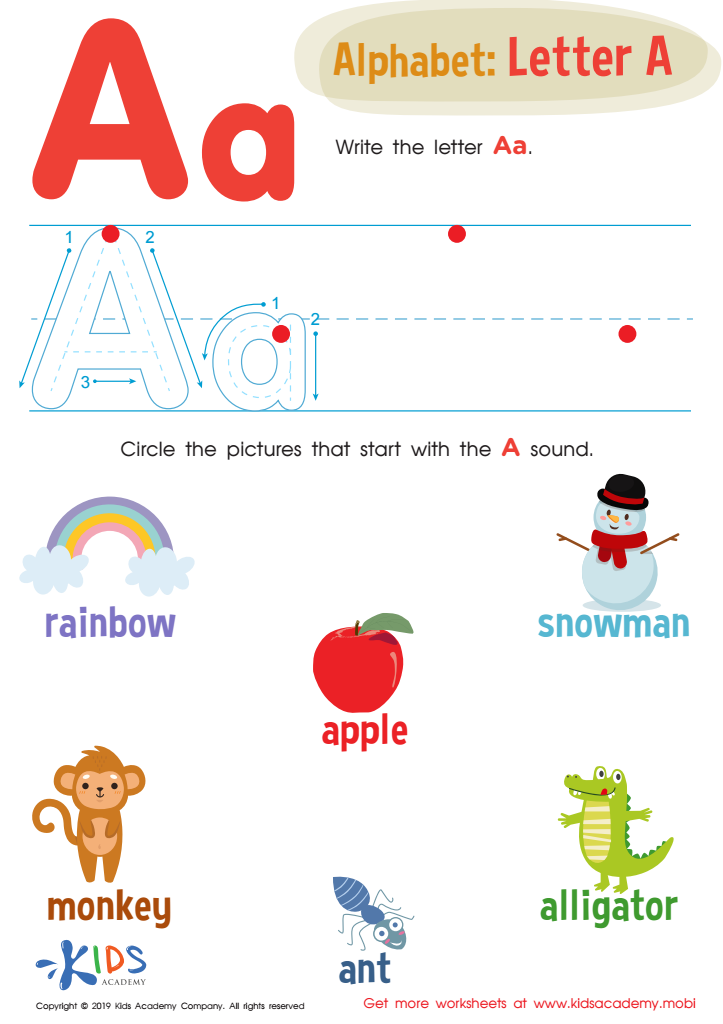
Letter A Tracing Worksheet
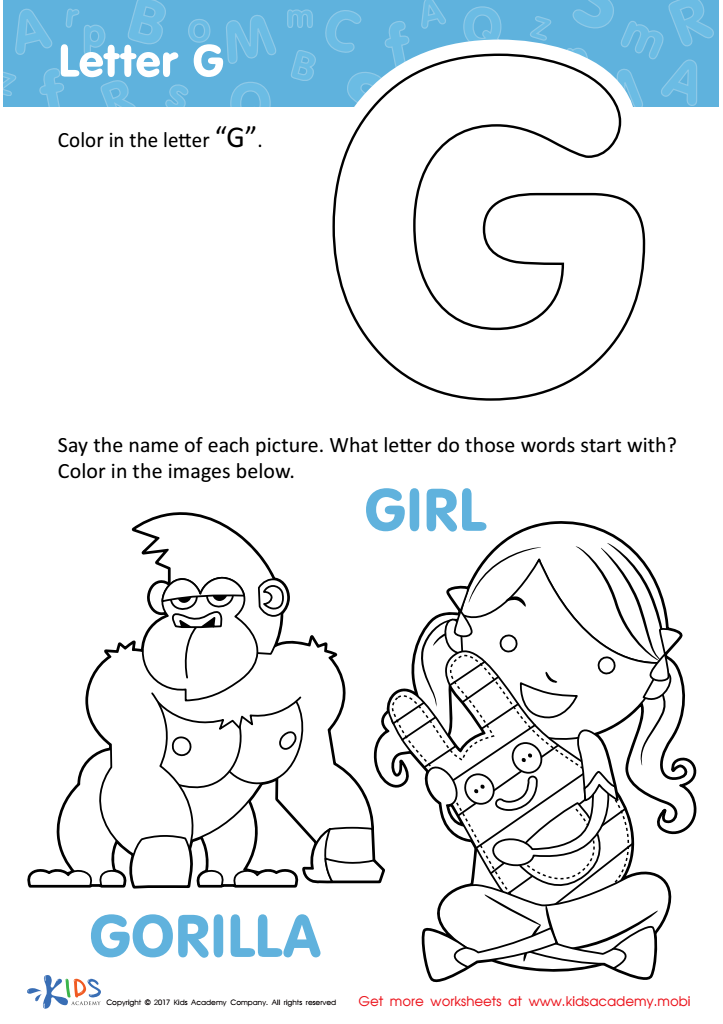
Letter G Coloring Sheet
 Assign to My Students
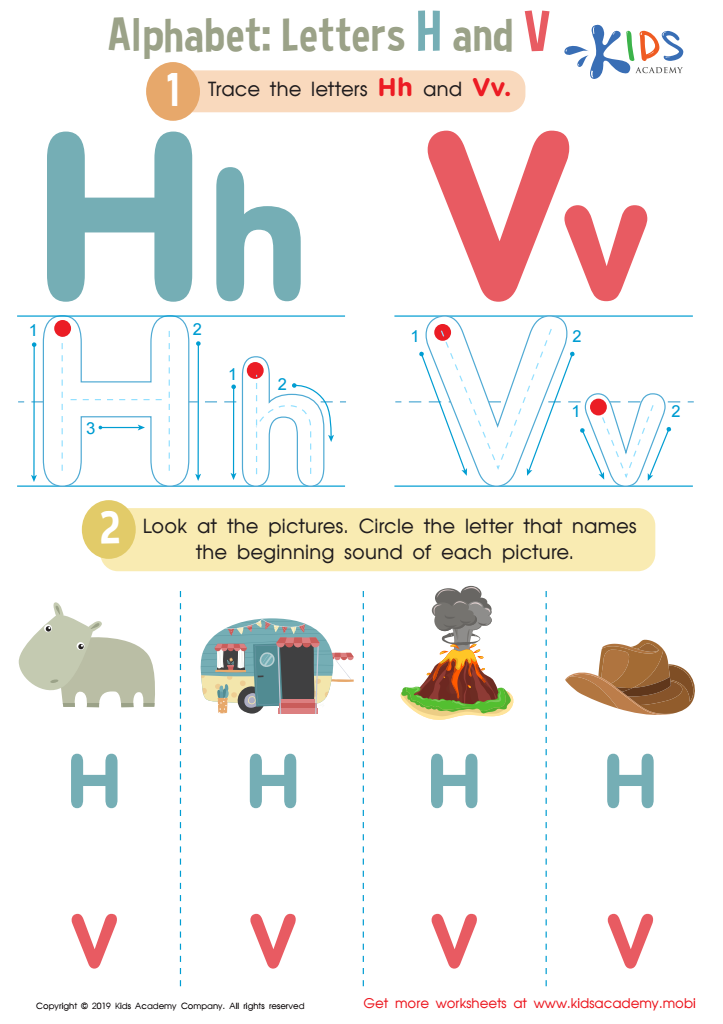
Letters H and V Tracing Worksheet
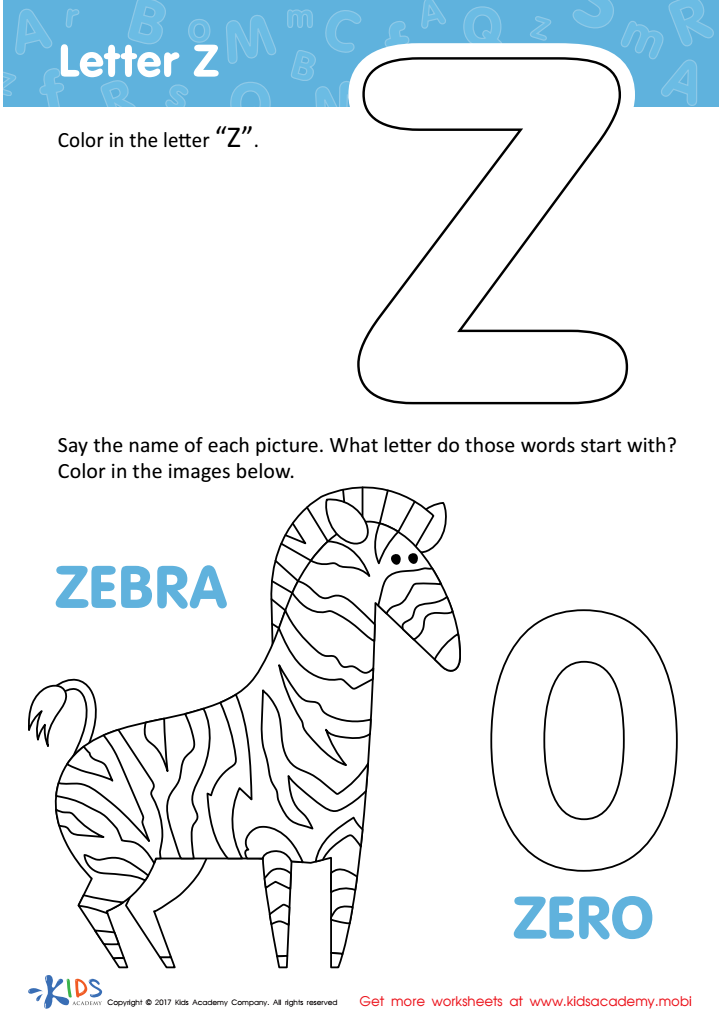
Letter Z Coloring Sheet
Assign to My Students
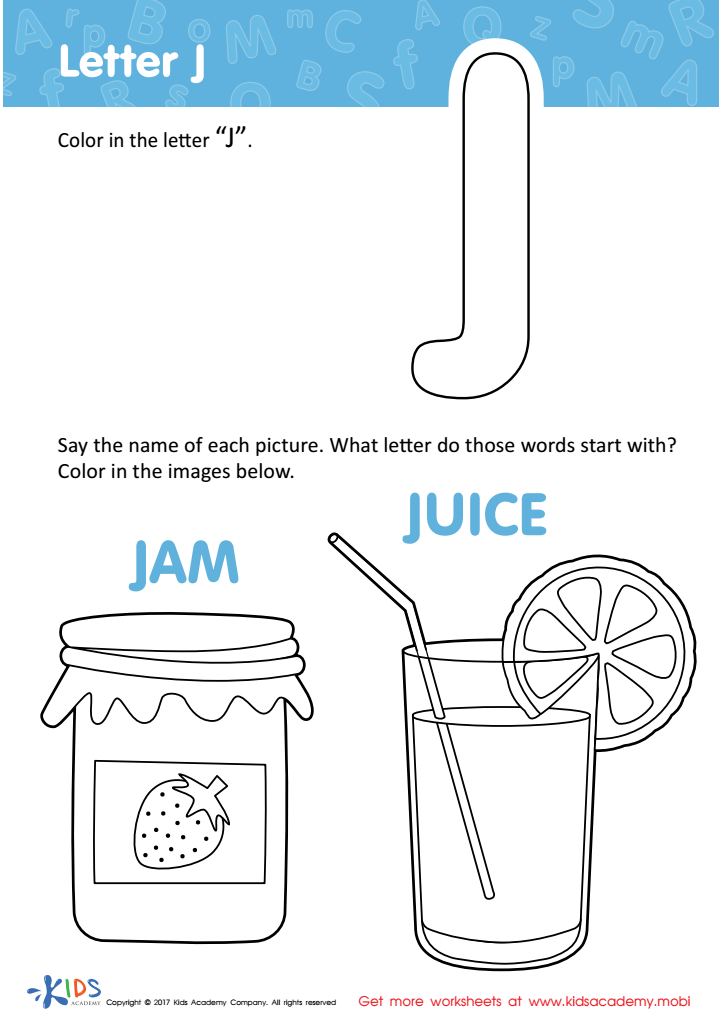
Letter J Coloring Sheet
Assign to My Students
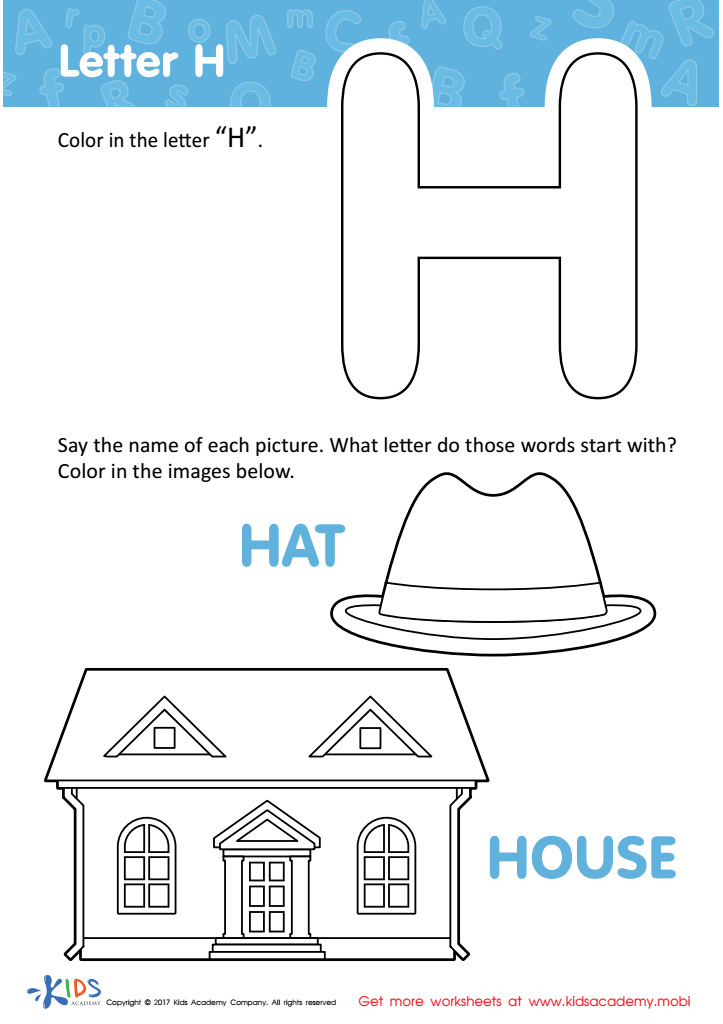
Letter H Coloring Sheet
Assign to My Students
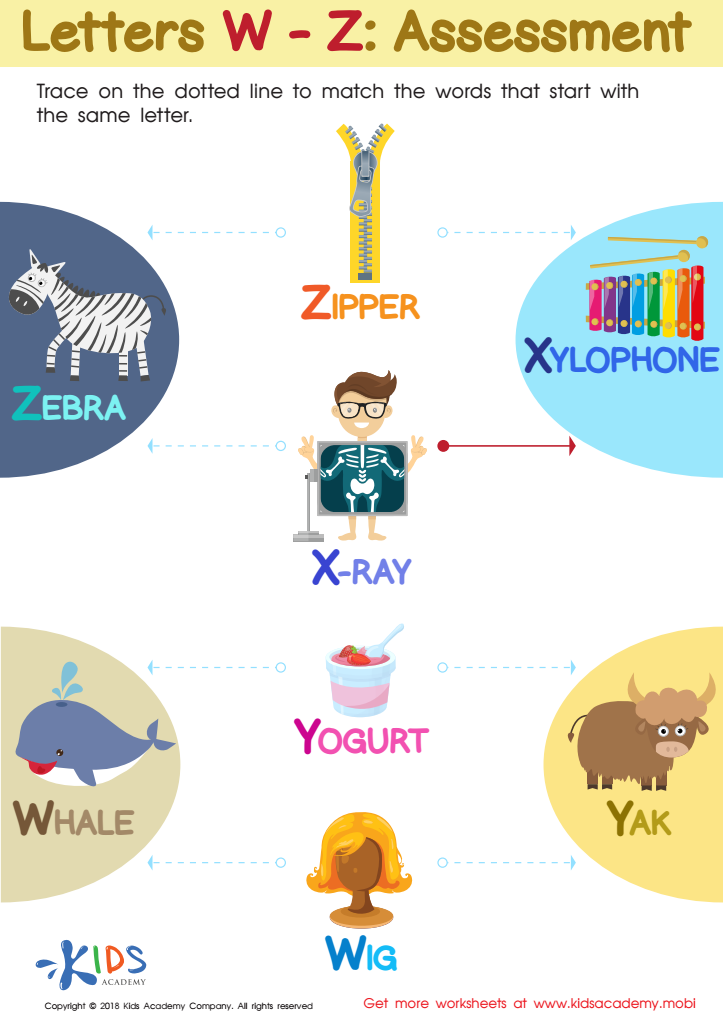
Letters W–Z Tracing Worksheet
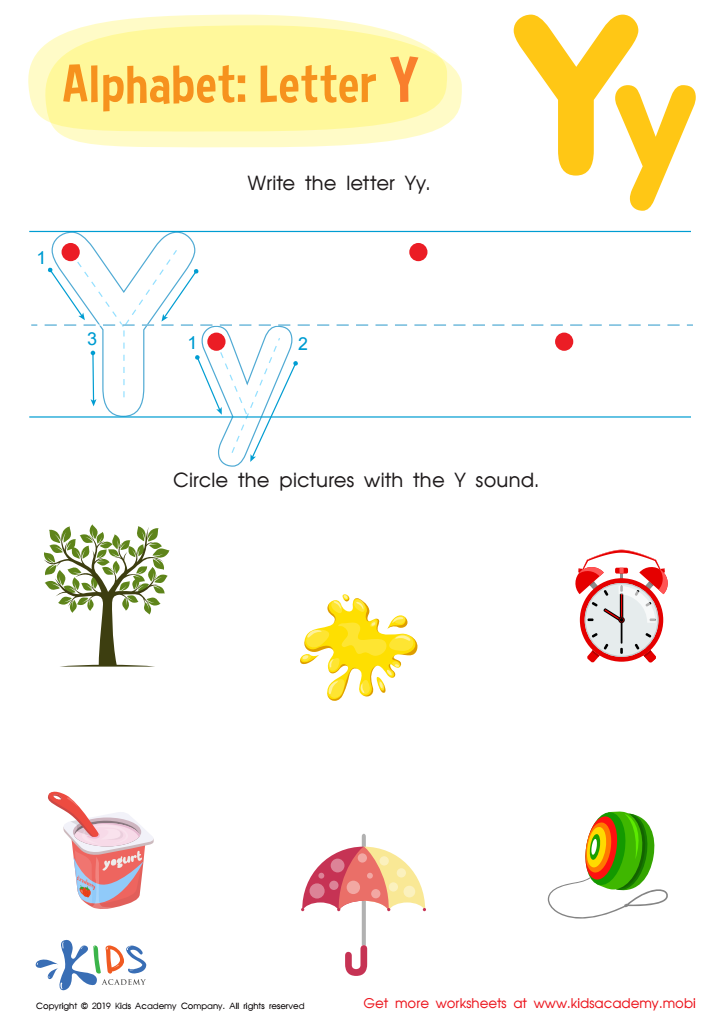
Letter Y Tracing Worksheet
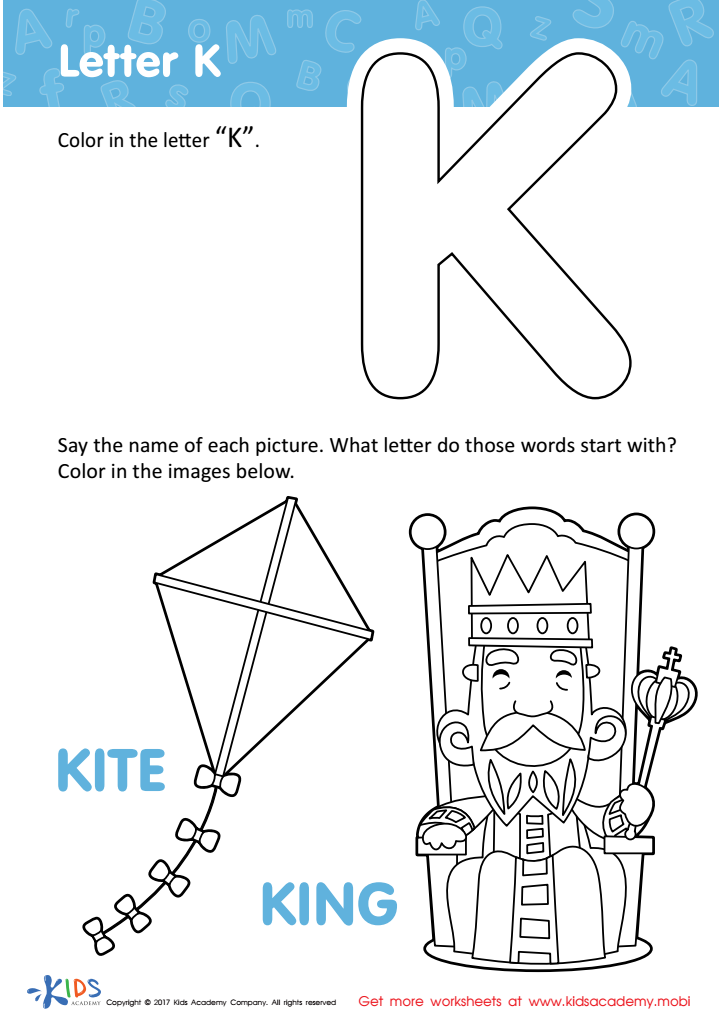
Letter K Coloring Sheet
Assign to My Students
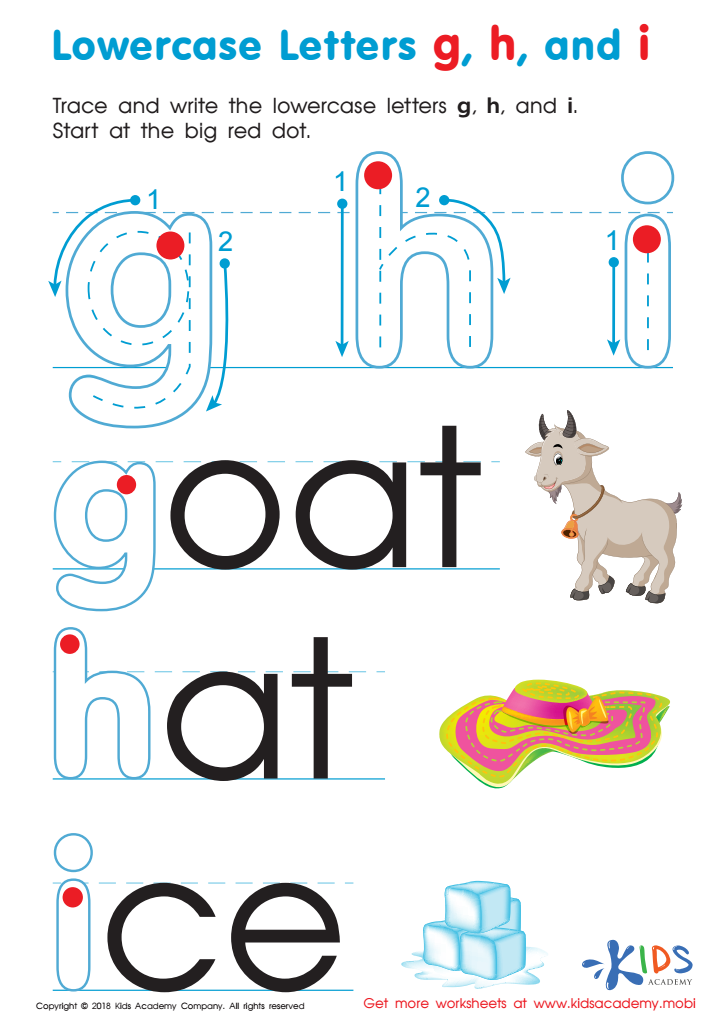
Lowercase Letters g h i Worksheet
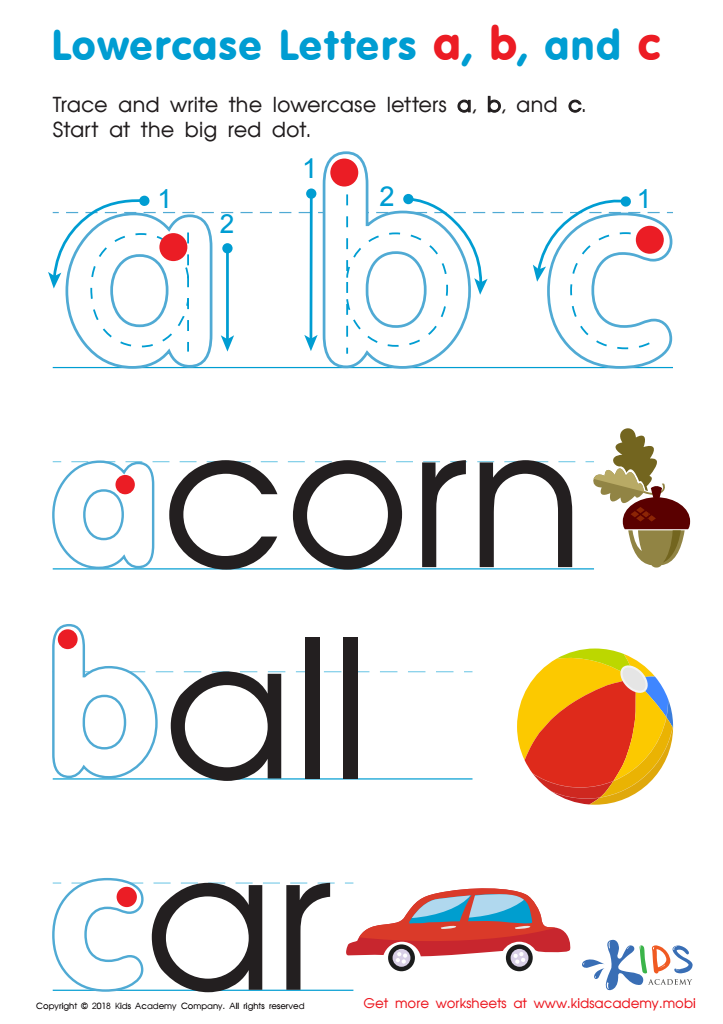
Lowercase Letters a b c Worksheet
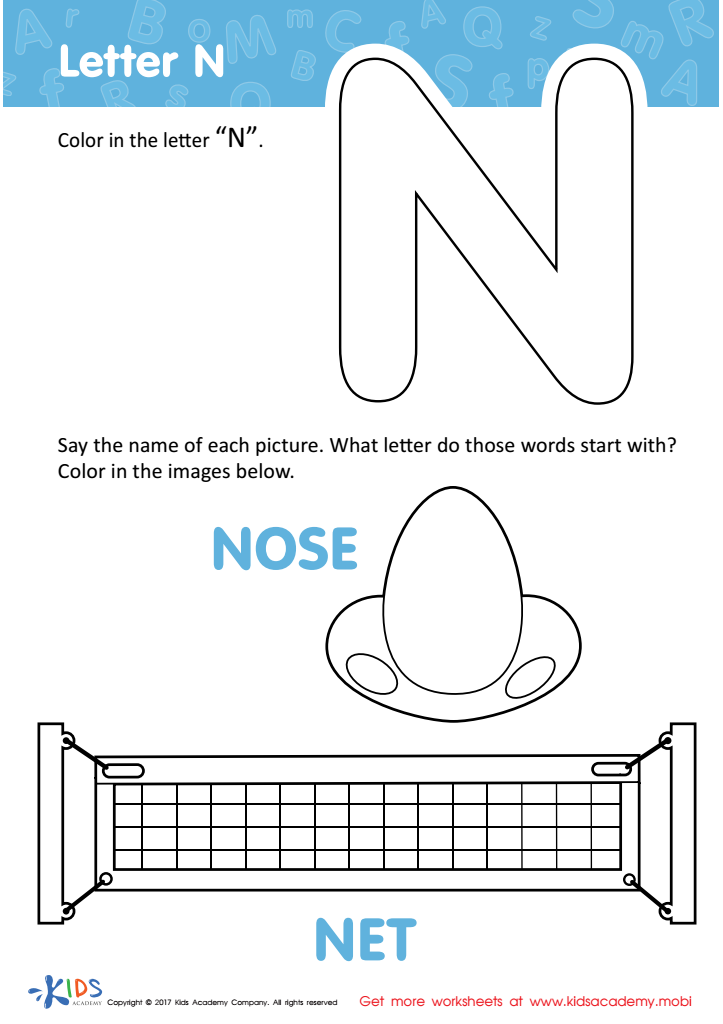
Letter N Coloring Sheet
Assign to My Students

Uppercase Letters V, W, and X Worksheet








Handwriting practice and letter recognition are crucial for children aged 3-6, as these skills lay the foundation for future literacy and communication. During these formative years, children develop fine motor skills and hand-eye coordination through activities involving writing. Practicing handwriting helps them gain control over writing tools, leading to better dexterity and improved ability to hold a pencil or crayon.
Moreover, letter recognition is essential for reading readiness. Recognizing letters and their corresponding sounds helps young learners connect spoken language with written text, facilitating the transition to reading. When parents and teachers engage children in fun letter recognition games and handwriting activities, they spark an early interest in literacy that encourages a love for reading and writing.
Additionally, practicing handwriting helps enhance a child's cognitive skills, as they learn to recognize shapes and patterns within letters. This aids memory retention. Furthermore, strong handwriting skills foster confidence in children as they begin school, enabling them to express themselves effectively in written form.
Ultimately, investing time in handwriting practice and letter recognition for young children is a critical step towards their academic success, independence, and self-expression, making it an essential focus for parents and educators alike.







