Alphabet Recognition Phonics Worksheets for Ages 3-6
9 filtered results
-
From - To
Boost your child’s literacy skills with our engaging Alphabet Recognition Phonics Worksheets, designed for ages 3-6. These interactive worksheets make learning fun by introducing letters through colorful visuals, playful activities, and phonics connections. Children will develop essential skills in recognizing letters, improving their sound-letter correspondence, and enhancing their reading foundations. Perfect for preschoolers and early learners, our resources encourage exploration and mastery of the alphabet, setting the stage for future reading success. With easy-to-follow instructions and a variety of exercises, these worksheets will captivate young minds and foster a love for learning. Explore our collection today and nurture your child's growing skills!
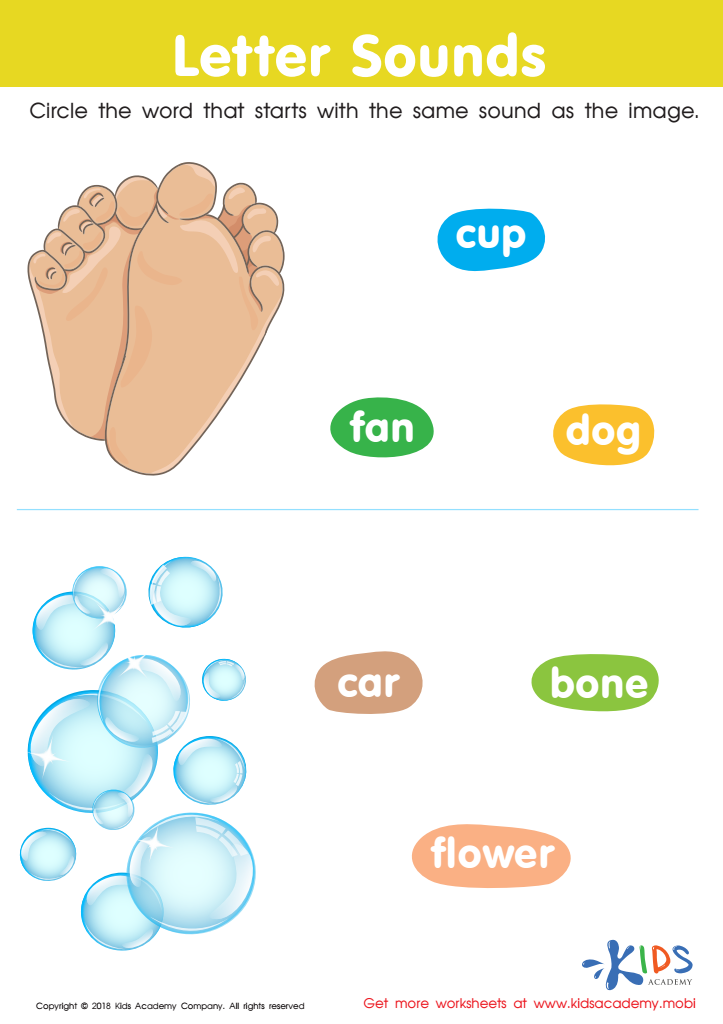
letter sounds Worksheet
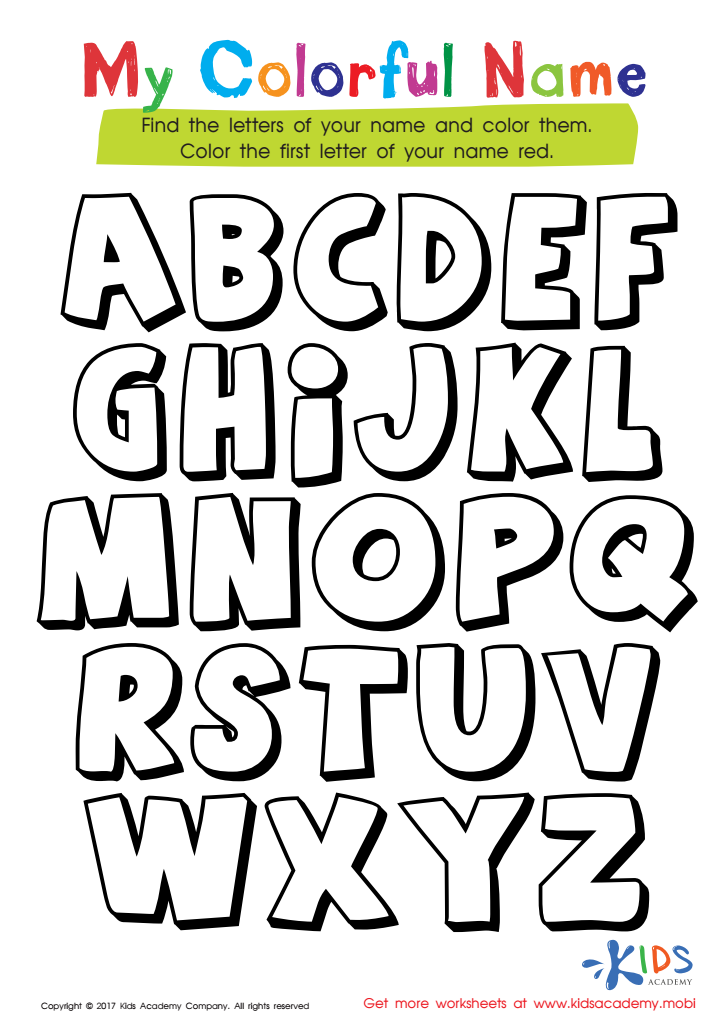
My Colorful Name Worksheet
 Assign to My Students
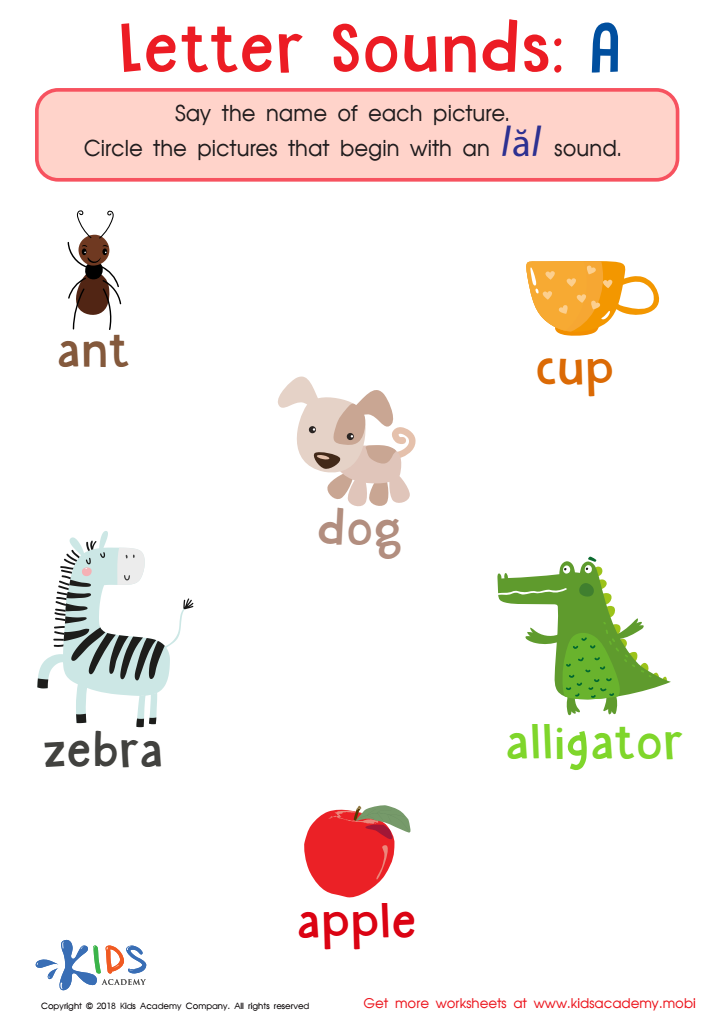
Letter A Sounds Worksheet
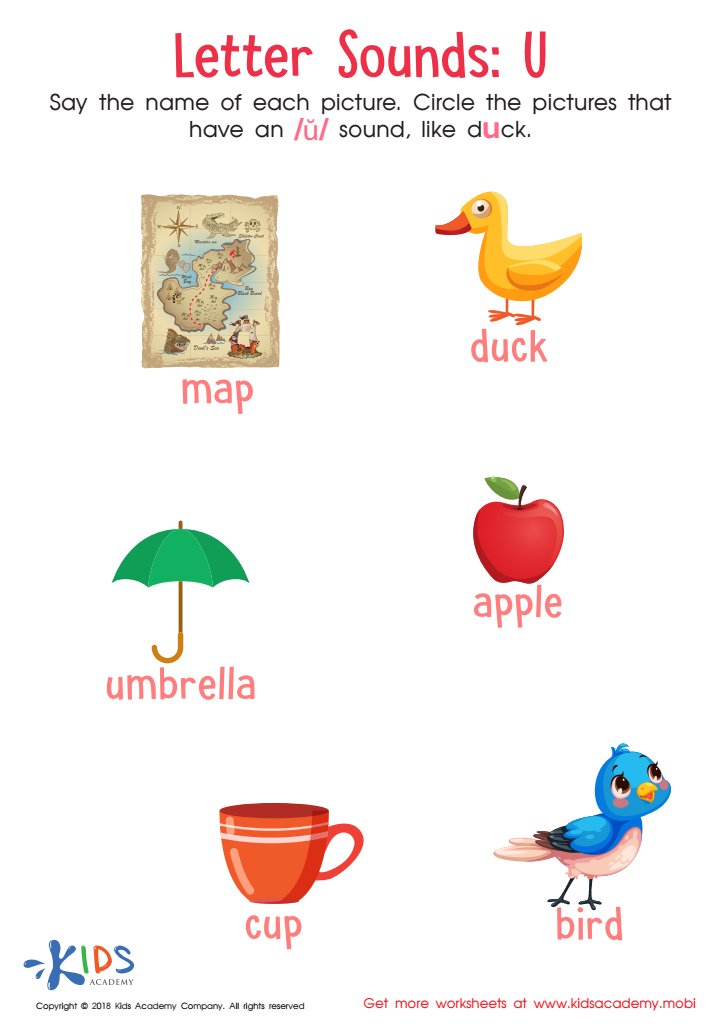
Letter U Sounds Worksheet
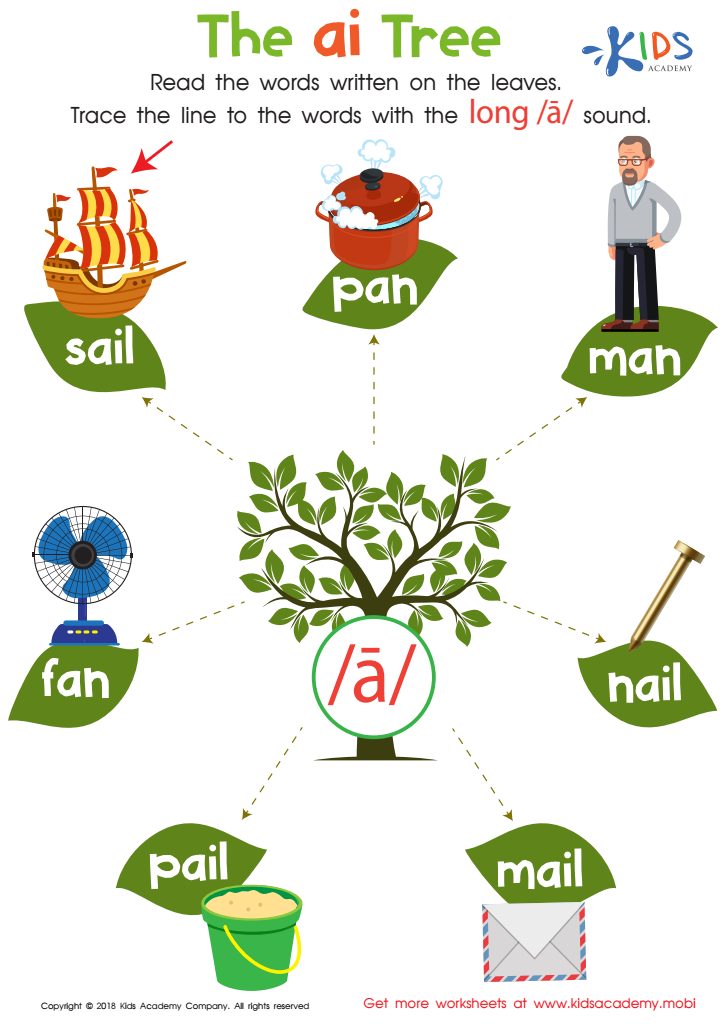
The AI Tree Worksheet
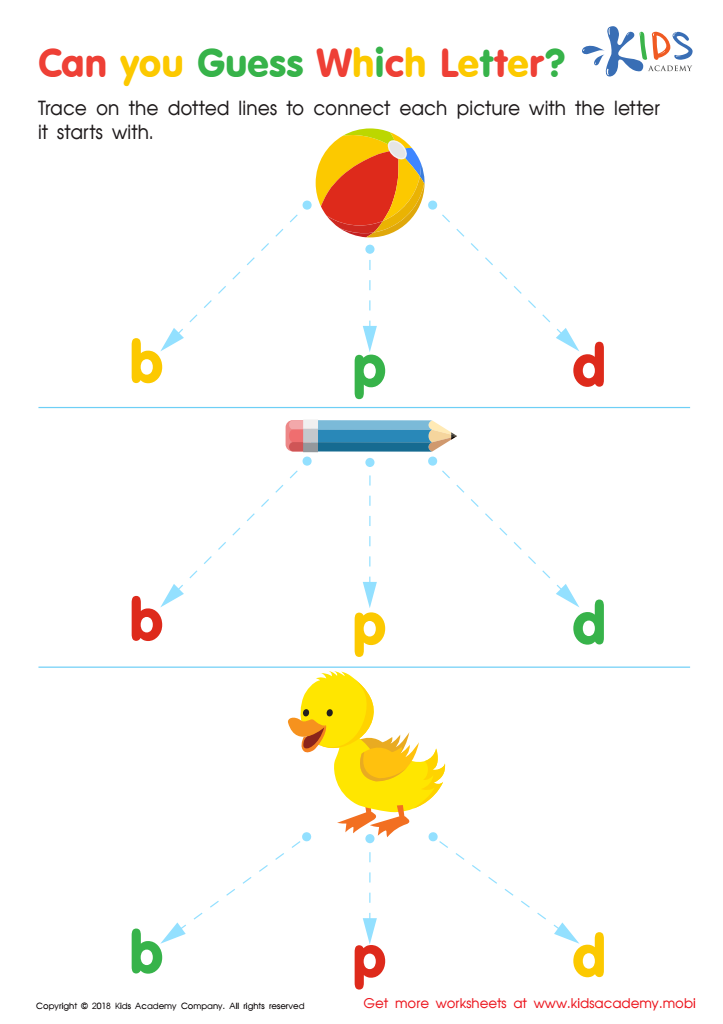
Can you Guess Which Letter? Worksheet
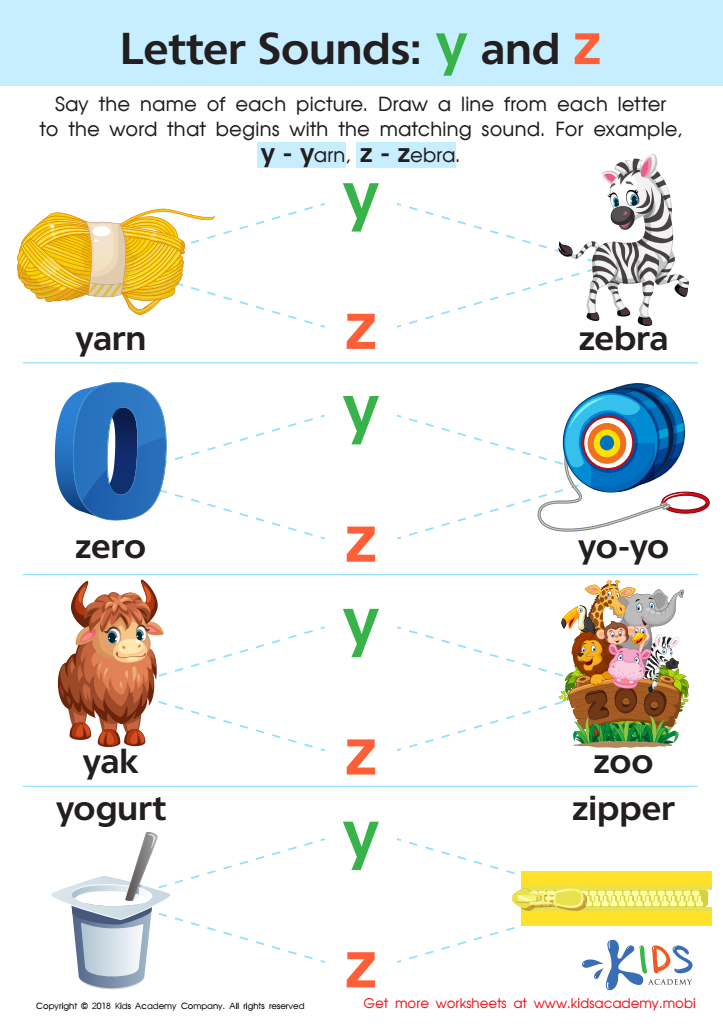
Letter Y and Z Sounds Worksheet
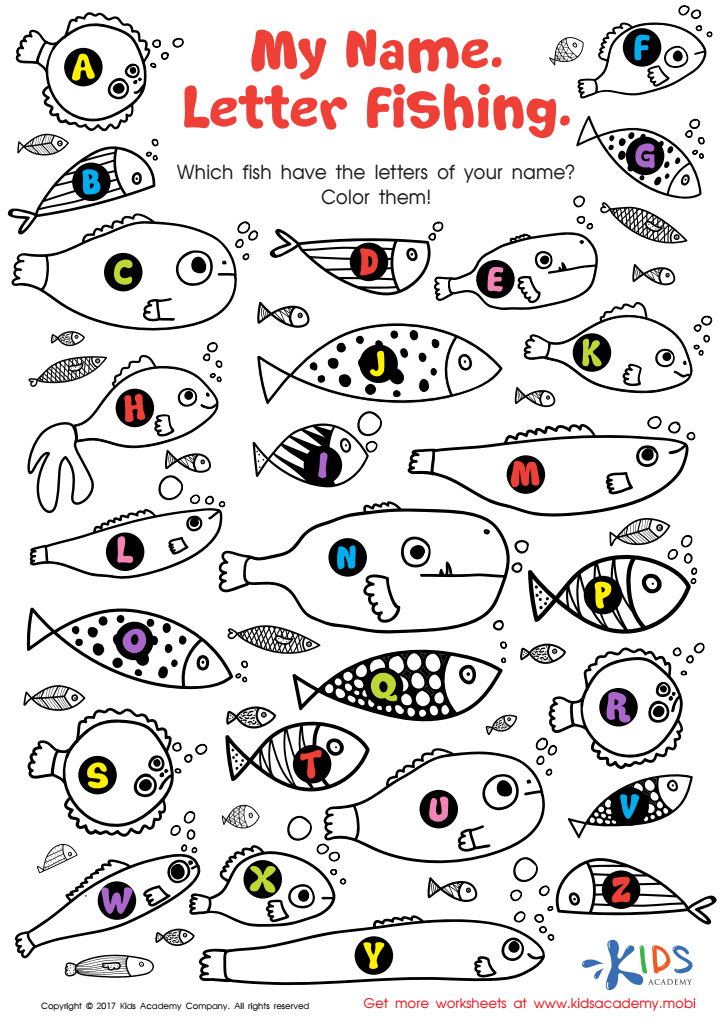
My Name: Letter Fishing Worksheet
Assign to My Students
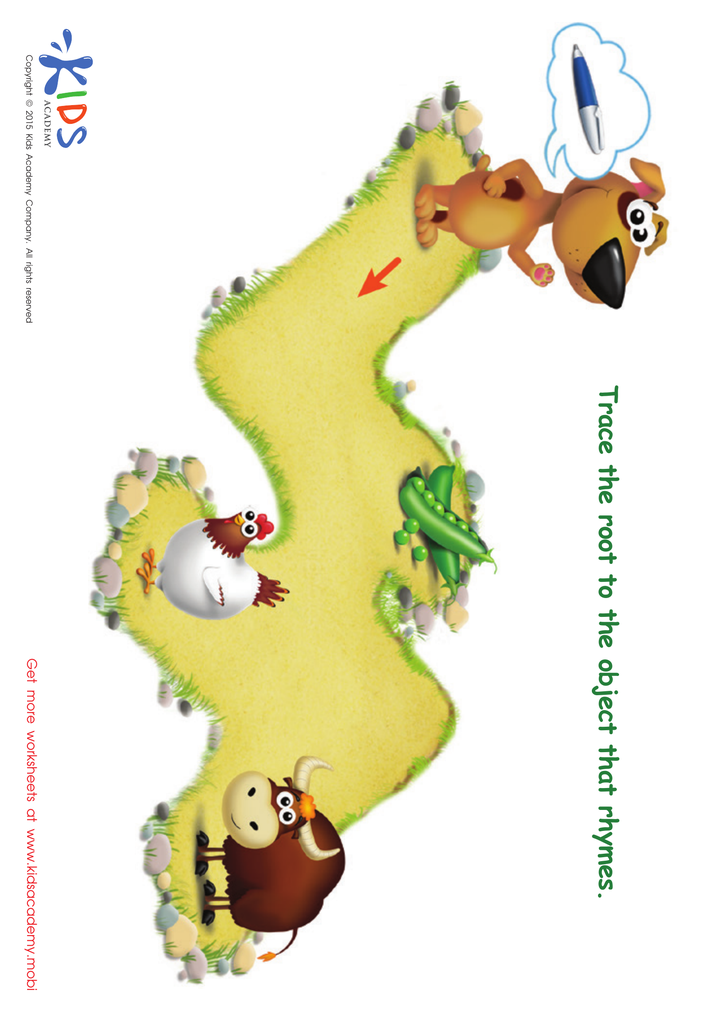
Pen Rhyming Words Worksheet








Alphabet recognition and phonics are foundational skills that significantly impact early literacy development for children aged 3-6. Parents and teachers should prioritize these skills because they are essential for a child's ability to read and write successfully. Early exposure to alphabet recognition ensures that children can identify letters and their corresponding sounds, which are critical building blocks of language comprehension.
Understanding phonics enables young learners to decode words, fostering an essential connection between letters and sounds. This connection aids in the development of strong reading skills, helping children tackle more complex texts as they grow. Moreover, children who possess these skills often demonstrate higher confidence and motivation in their learning journeys.
Furthermore, strong alphabet recognition and phonics skills lay the groundwork for improved vocabulary and comprehension, facilitating better communication skills. Engaging with letters and sounds at an early age also promotes cognitive development and critical thinking.
By incorporating alphabet recognition and phonics into daily activities, parents and teachers create a rich literacy environment that nurtures a lifelong love for reading and learning. Ultimately, fostering these foundational skills will enable children to thrive academically and socially in the future.







