Problem-Solving Skills Phonics Worksheets for Ages 3-6
4 filtered results
-
From - To
Enhance your child's early literacy and cognitive abilities with our engaging Problem-Solving Skills Phonics Worksheets for Ages 3-6. Carefully designed to integrate phonics and problem-solving exercises, these worksheets help young learners identify letters, sounds, and words while fostering critical thinking and analytical skills. With playful themes and vibrant illustrations, each worksheet makes learning fun and interactive, laying a strong foundation for reading success. Ideal for preschool through kindergarten, our phonics worksheets blend education and entertainment to ensure your child remains captivated, motivated, and confident as they embark on their learning journey.
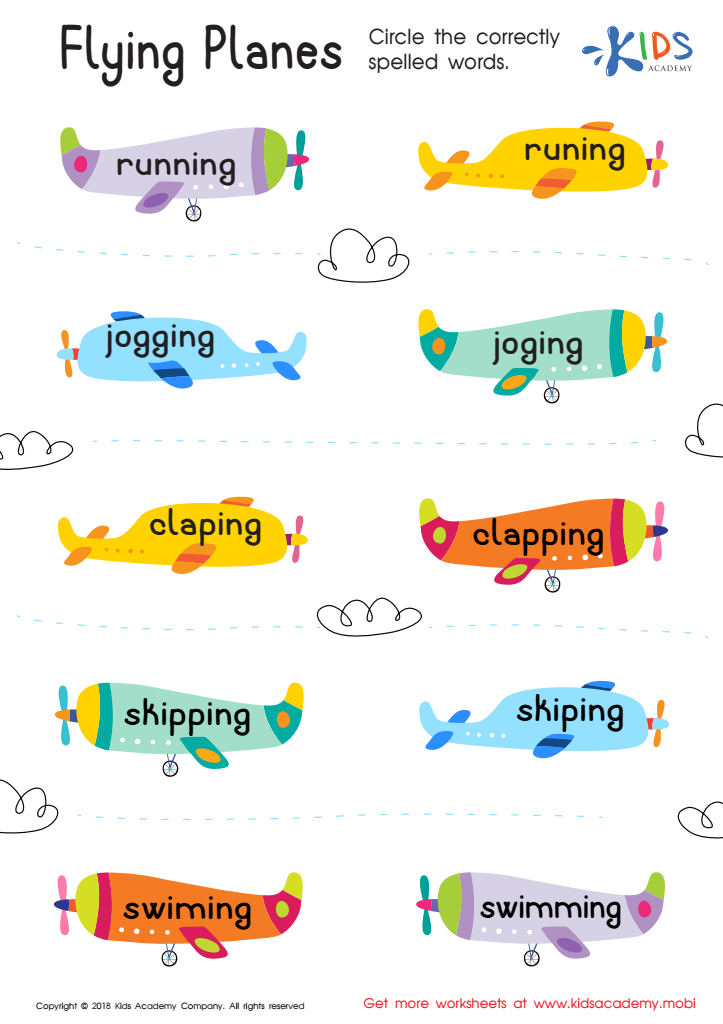
Flying Planes Worksheet
 Assign to My Students
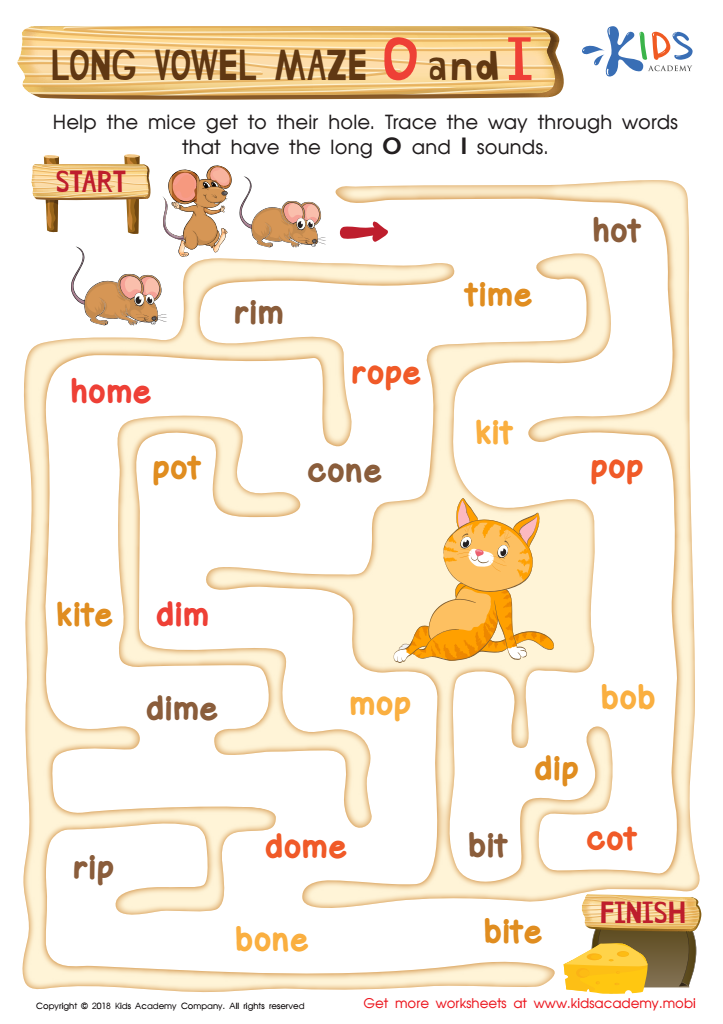
Long Vowel Maze /o/ and /i/ Worksheet
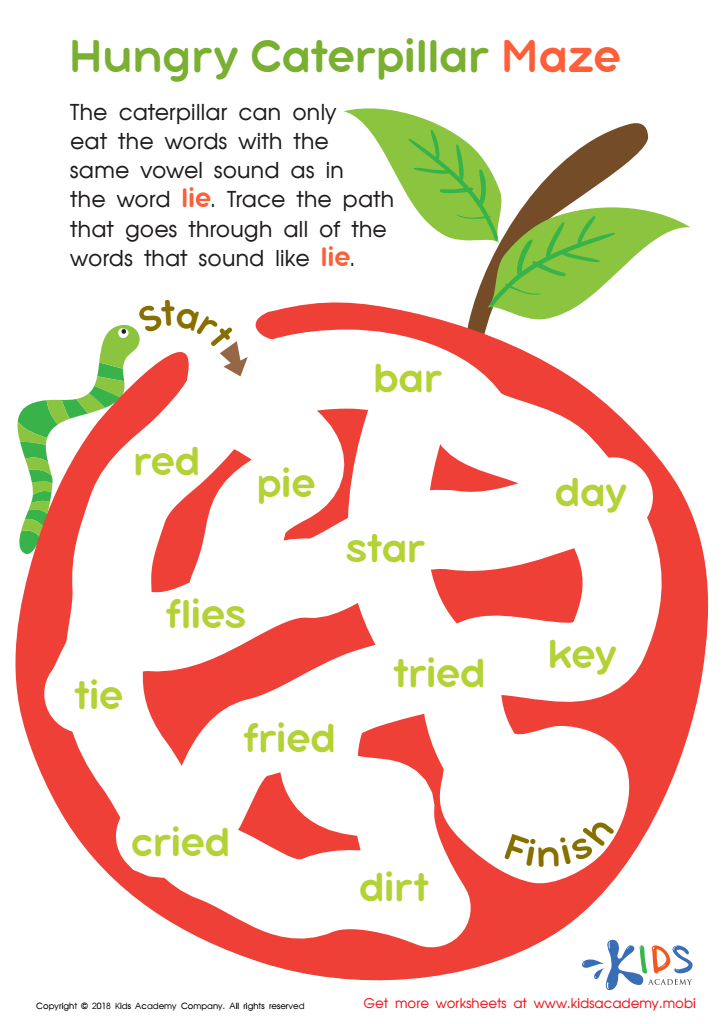
Hungry Caterpillar Maze Worksheet
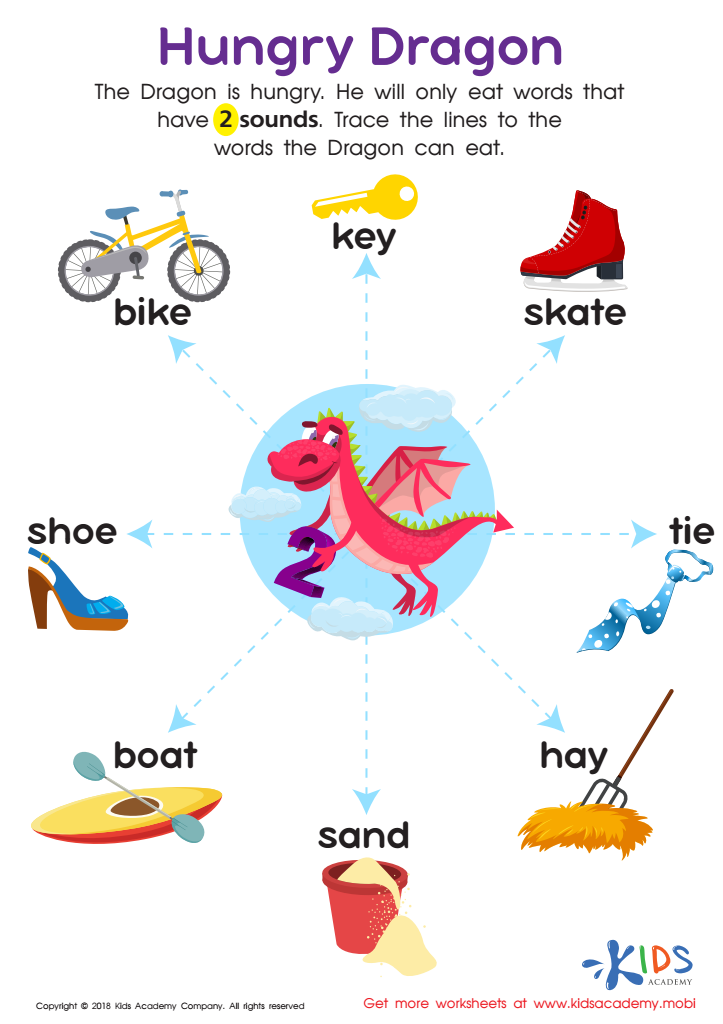
Hungry Dragon Worksheet








Problem-solving skills and phonics are foundational aspects of early childhood education that parents and teachers should prioritize for children ages 3-6. During these formative years, children are exceptionally receptive and capable of absorbing new concepts and skills that will serve as the building blocks for future learning and personal development.
Problem-solving skills teach children how to think critically and independently, fostering a sense of creativity and resilience. These skills are critical for allowing children to navigate daily challenges and develop the ability to approach complex tasks with confidence and competence. Encouraging young children to think about different ways to solve problems helps them to become flexible thinkers, a trait that will benefit them throughout their educational journeys and beyond.
Phonics, on the other hand, plays a crucial role in early literacy development by helping children understand the relationships between letters and sounds. This skill is fundamental for reading and writing, enabling children to decode new words and build vocabulary. Proficient phonics skills make reading enjoyable and accessible, laying the groundwork for a lifelong love of literature and learning.
Together, problem-solving skills and phonics create a dynamic educational framework that equips young children with the essential tools for academic success and effective communication, thereby fostering holistic development. Parents and teachers must prioritize these skills to ensure children become confident, competent, and curious learners.







